

PROTECT YOURSELF with Orgo-Life® QUANTUM TECHNOLOGY
Orgo-Life the new way to the future Advertising by Adpathway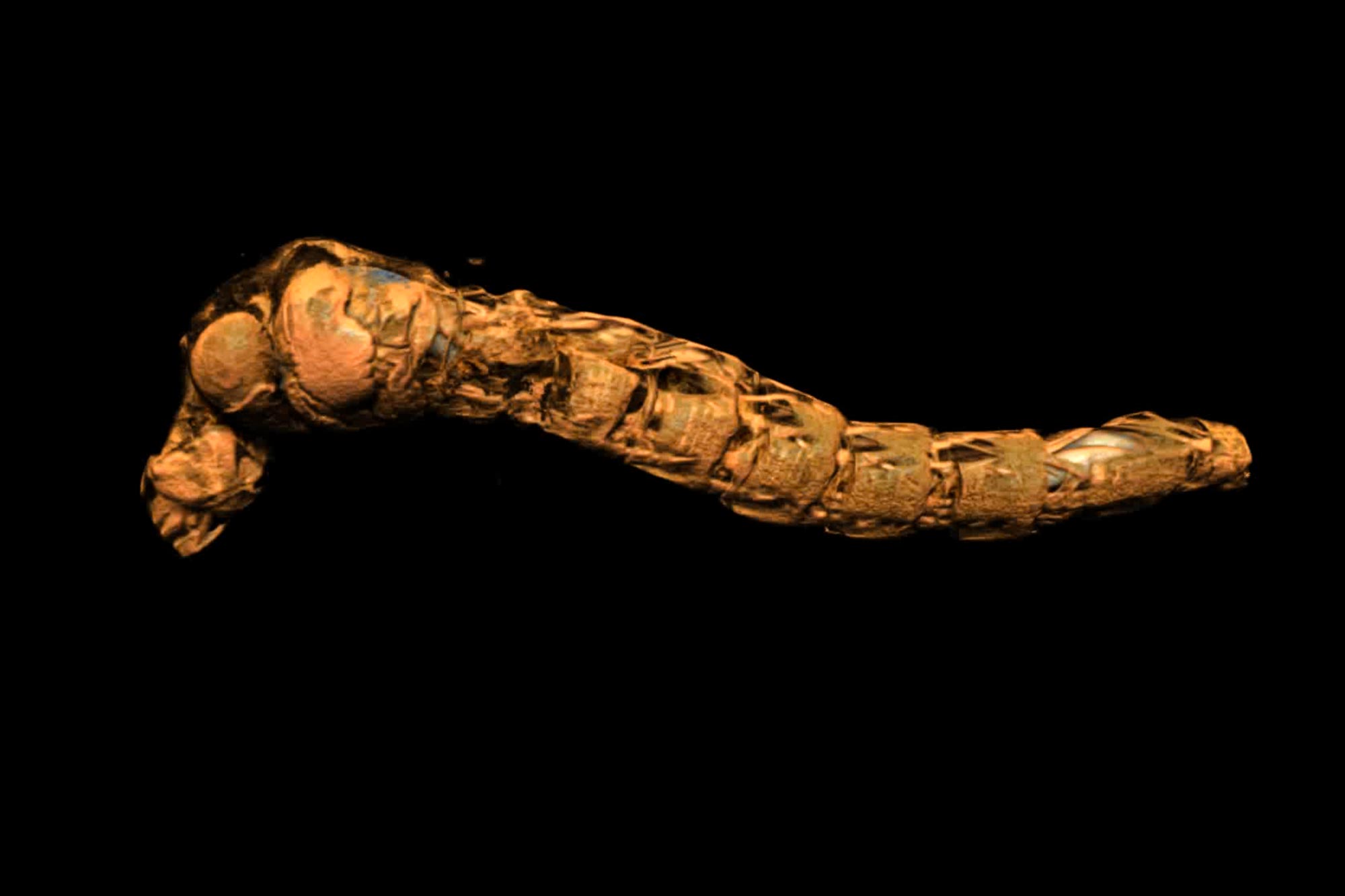 A micro CT scan of the larva showing the air sacs in situ. Credit: Philip Matthews
Pressure-resistant air sacs allow lake fly larvae to dive hundreds of meters and complicate a long-standing theory about ocean insects.
Each day, billions of lake fly larvae vanish into the oxygen-deprived depths of Lake Malawi, surviving pressures once thought capable of crushing an insect’s respiratory system. Their unusual ability is challenging a long-held explanation for why insects are absent from the open ocean.
The larvae (Chaoborus edulis) follow a demanding daily migration in the East African lake. During daylight, they descend more than 200 meters into an oxygen-starved “dead zone” to avoid predators. After dark, they return toward the surface to feed, passing through large groups of waiting fish along the way.
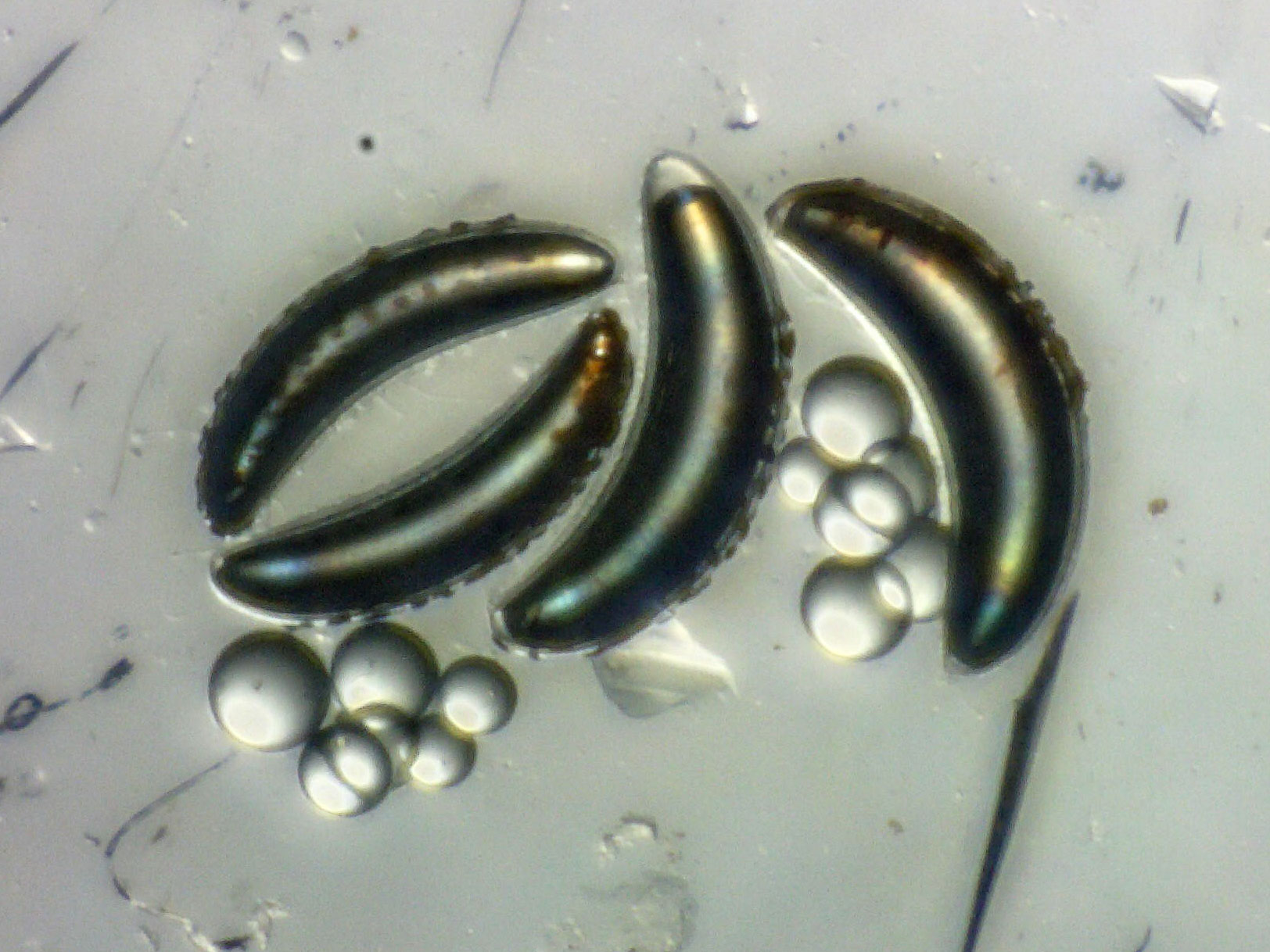 Excised Chaoborus edulis airsacs. Credit: Philip Matthews
Air sacs control the daily dive
UBC researchers Drs. Philip Matthews and Evan McKenzie placed a sonar system on the lake bottom to track the larvae’s daily movements.
Dissections revealed that the larvae had adapted part of their respiratory system into two pairs of small air sacs. These structures operate like ballast tanks, helping the insects control whether they rise or sink.
The researchers also discovered resilin in the walls of the air sacs. By changing the walls’ pH, the larvae can make this material expand or contract, altering the volume of the sacs and adjusting their buoyancy.
Tiny sacs withstand extreme pressure
To test the strength of the air sacs, the researchers placed larvae inside miniature pressure chambers and increased the pressure until the structures collapsed.
The sacs endured conditions equivalent to depths exceeding 400 meters, more than twice as deep as the larvae usually travel.
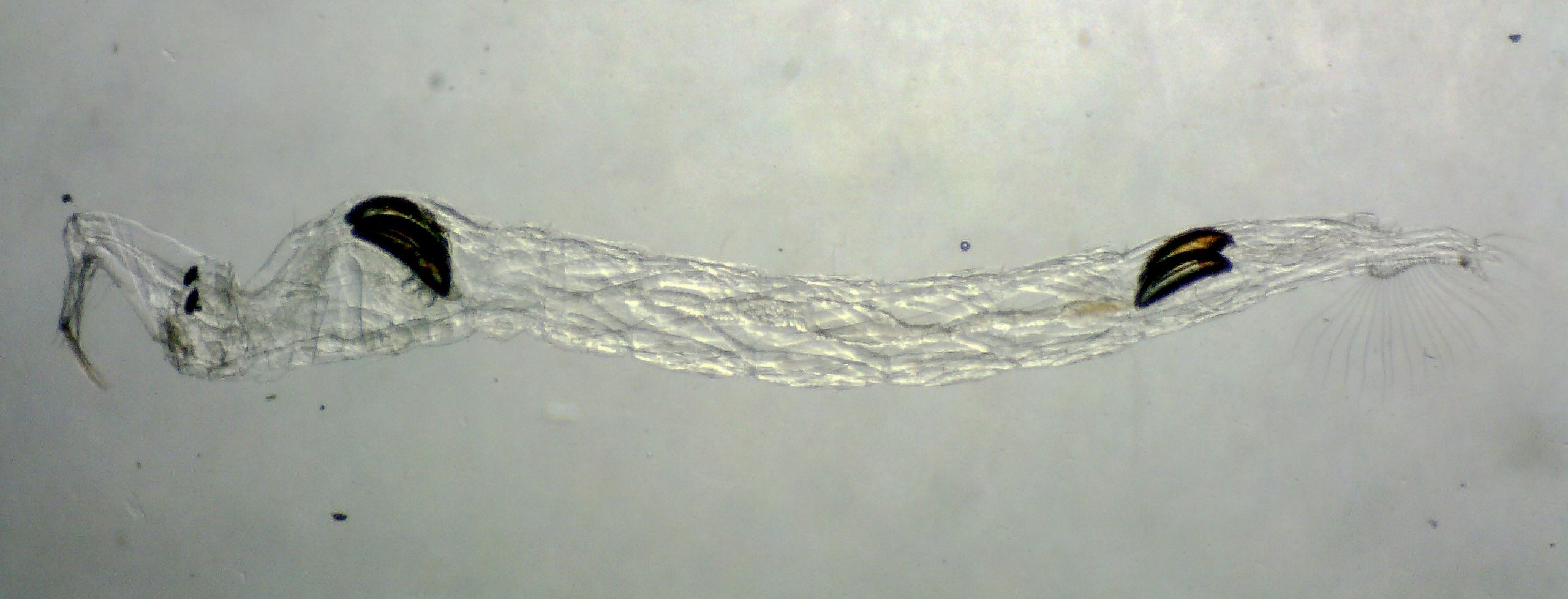 Chaoborus edulis larva. Credit: Philip Matthews
The finding challenges an ocean theory
Insects are abundant on land and in fresh water but almost entirely absent from the open ocean. One widely discussed explanation holds that deep water pressure would collapse their air-filled respiratory systems. The Lake Malawi larvae show that insect air sacs can withstand far greater pressure than this idea assumes.
Scientists have previously studied resilin as an almost ideal biological rubber found in durable insect structures such as wing hinges and tendons.
The findings could also inform efforts to develop pH-powered smart materials made with resilin or artificial muscles that respond to chemical signals.
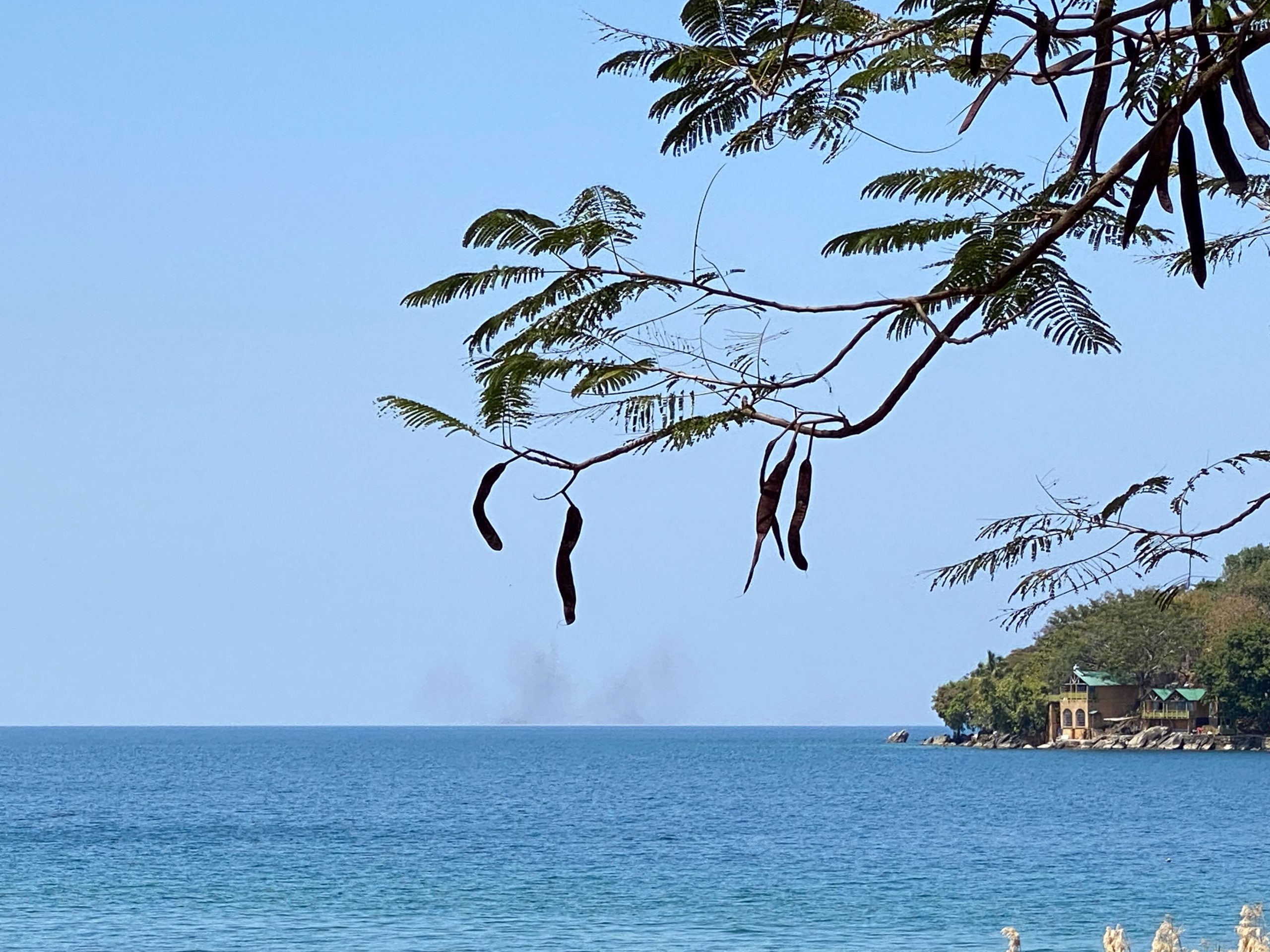 A swarm of the lake fly larvae, Chaoborus edulis, over Lake Malawi. Credit: Philip Matthews
Reference: “Crush-resistant air sacs allow insect larvae to exploit aquatic habitats at extreme depth” by Evan K. G. McKenzie, Maxon J. R. Ngochera, Joseph Chombo, Hayley McLennan, Roland Proud, Tahnee Ames and Philip G. D. Matthews, 23 July 2026, Science.
DOI: 10.1126/science.aed0667
This project was partially funded by Natural Sciences and Engineering Research Council of Canada Discovery and Accelerator grants.
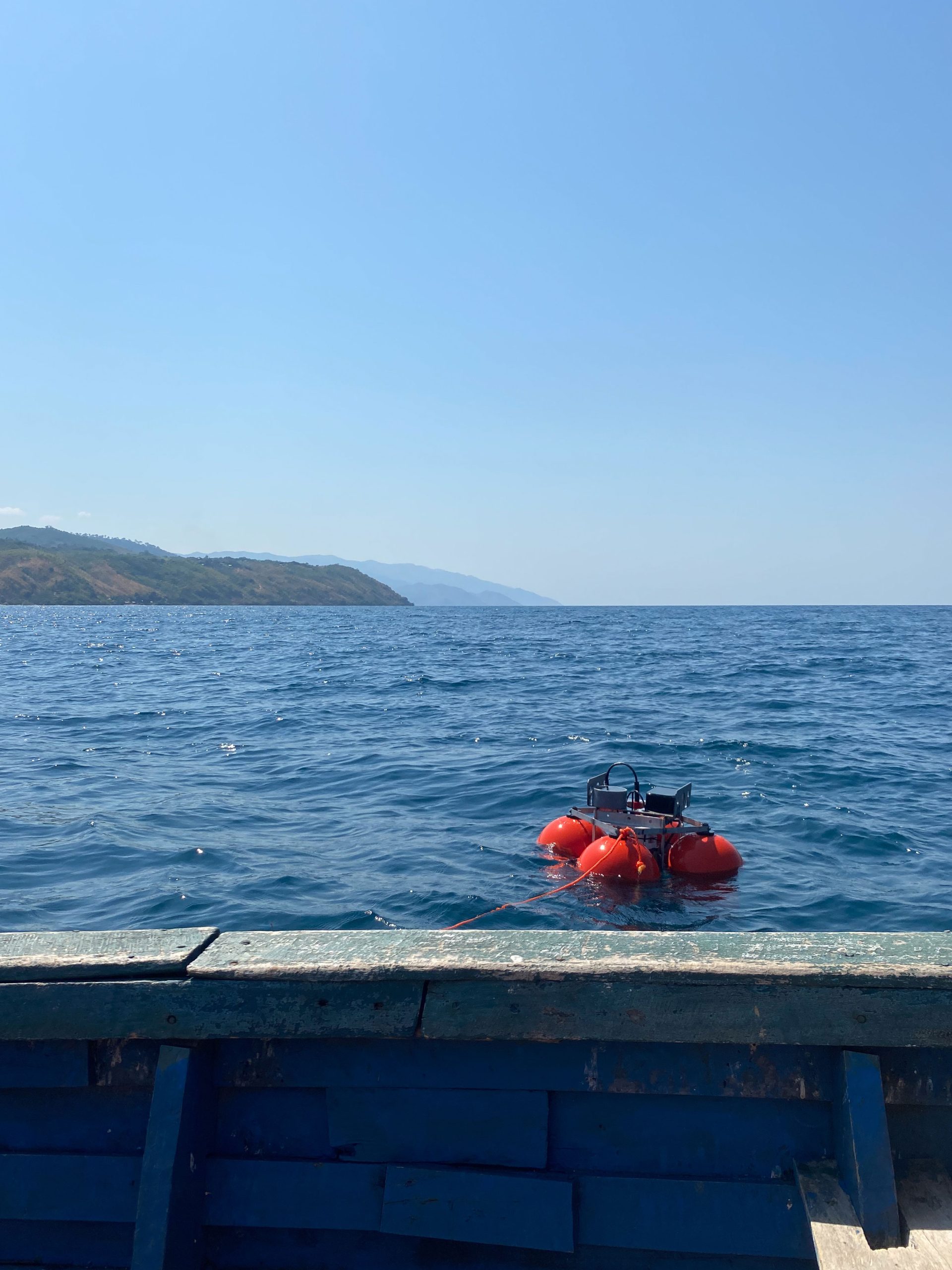 Recovery of the sonar device in Lake Malawi. Credit: Philip Matthews
Never miss a breakthrough: Join the SciTechDaily newsletter.
Follow us on Google and Google News.











 English (US) ·
  French (CA) ·
  French (FR) ·