

 1 month ago
69
1 month ago
69
PROTECT YOURSELF with Orgo-Life® QUANTUM TECHNOLOGY
Orgo-Life the new way to the future Advertising by AdpathwayEnvironment
Key Facts
—The gap. The Cantareira system holds about 63 billion litres less than a year ago, roughly a month’s supply from the reservoir.
—The level. It stood at 39.3% of useful volume in early July and has been on alert since the start of the month.
—The inflow. Early-July inflow was about 17,000 litres a second, against a historical average near 26,600.
—The cap. On alert, the utility Sabesp may draw up to 27 cubic metres a second, down from 33 in normal conditions.
—The offset. The wider metropolitan system holds about 1 trillion litres, some 2.9% more than in July 2025.
—The forecast. With average rain, forecasters see Cantareira ending December near 45%, above the 20% of late 2025.
The Cantareira reservoir that waters half of greater São Paulo is running a month behind where it stood last year. The fuller picture, though, is more reassuring than that headline sounds.
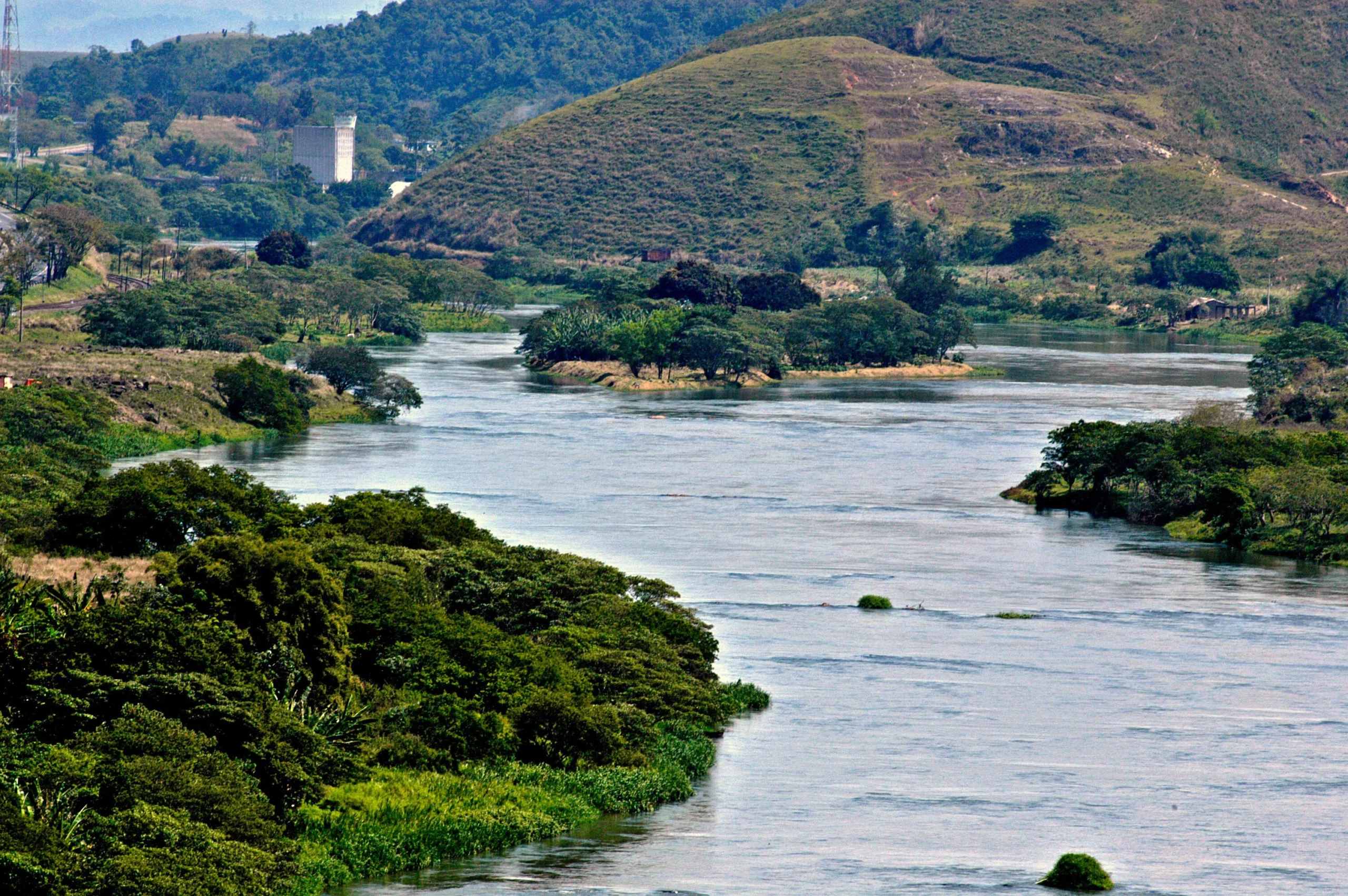
The Cantareira system is the main water source for the São Paulo metropolitan area, home to more than twenty million people. Its level is watched closely, especially in the dry season.
Right now it is low and on alert. But the story is not the simple crisis the numbers might first suggest.
One-stop reference
Company Intelligence
Every listed company in Latin America — financials, ownership and structure for 1,450+ companies across 26 exchanges, in one place.
What ‘a month of water’ means for Cantareira
The striking figure is the year-on-year gap. The Cantareira holds roughly sixty-three billion litres less than at the same point in 2025.
That shortfall has a vivid scale. It is about the volume the reservoir supplies in a whole month, so the system is effectively a month of water behind last year.
The level itself sits just under two-fifths full. In early July it was at thirty-nine point three percent of useful volume, having slipped below the forty percent mark in June.
That drop carries a formal consequence. Since the start of July the system has been on alert, the band for reservoirs between thirty and forty percent.
Why the Cantareira is struggling to refill
The problem is not just how much is stored but how little is coming in. In early July the reservoir was receiving about seventeen thousand litres a second.
That is well below normal for the month. The historical average inflow for July is closer to twenty-six thousand six hundred litres a second.
June offered a misleading tease. Rainfall that month ran far above the historical average, yet the absolute volume was small and did little to lift the flow during what is a dry stretch.
The alert status changes what the utility may take out. On alert, Sabesp may draw up to twenty-seven cubic metres a second, down from thirty-three in normal times.
A cross-state deal offers a cushion. São Paulo can transfer extra water from the Paraíba do Sul river basin into the Cantareira, an arrangement running to the end of this year.
Why it is not 2014 all over again
Here is the crucial counterweight. While the Cantareira lags, the wider metropolitan system is actually in better shape than a year ago.
That integrated network holds around one trillion litres. That is about two point nine percent more than in July 2025, with four of its systems fuller than last year.
There is a catch in that comfort, though. Those other reservoirs are being leaned on to prop up the Cantareira, which stresses them even as they hold up.
The outlook is cautiously positive. Forecasters expect that with average rainfall the Cantareira could end December near forty-five percent, far above the twenty percent where it closed 2025.
Why it matters
Water security is an economic issue for a city this size. São Paulo is Brazil’s financial capital, and rationing there would ripple far beyond household taps.
The memory of 2014 shapes every alert. That crisis saw reservoirs near collapse and forced emergency measures, so today’s rules exist precisely to avoid a repeat.
For a resident or investor, the honest read is watchful, not alarmed. The system has more slack than in 2025 and firmer rules than in 2014, but a possible El Niño and a dry season still leave the rains to settle it.
Frequently Asked Questions
How low is the Cantareira system now?
It stood at about thirty-nine point three percent of useful volume in early July and has been on alert since the start of the month. It holds roughly sixty-three billion litres less than a year ago, equivalent to about a month’s supply from the reservoir.
Is São Paulo facing water rationing?
Not for now, because while the Cantareira is on alert, the wider metropolitan system holds about 2.9% more water than in July 2025, and forecasters expect the reservoir to end the year near 45% if rainfall is average.
What is being done to protect supply?
Withdrawals from the Cantareira are capped at 27 cubic metres a second while it is on alert, and São Paulo can transfer extra water from the Paraíba do Sul river basin under a deal running to the end of 2026. Regulators also urge reduced consumption and tighter control of leaks.
















 English (US) ·
  French (CA) ·
  French (FR) ·