

 1 month ago
47
1 month ago
47
PROTECT YOURSELF with Orgo-Life® QUANTUM TECHNOLOGY
Orgo-Life the new way to the future Advertising by AdpathwayRWANDA · AGRIBUSINESS
Key Facts
- —The gathering Organisers expect more than 5,000 leaders, investors, policymakers, scientists and entrepreneurs from over 50 countries. The forum runs from 31 August to 4 September at the Kigali Convention Centre, with 31 August a pre-forum day and the official opening on 2 September.
- —The theme “Investing in Africa’s Agri-Food Systems: Nourishing Nations, Growing Jobs, Building Resilience.” President Paul Kagame is due to open the forum on 2 September.
- —The framework behind it The African Union’s Kampala CAADP Strategy and Action Plan 2026-2035 commits members to raising agrifood output 45% by 2035. It also targets US$100 billion in public and private agrifood investment by 2035.
- —The other targets Members have committed to cutting post-harvest losses by half and tripling intra-African trade in agrifood products and inputs. Locally processed food is meant to reach 35% of agrifood GDP.
- —The deal-making A Deal Room connects agribusinesses and entrepreneurs with investors and financial institutions. The forum builds on US$6.14 billion in investment programmes presented by six countries at the 2025 edition in Dakar, led by Nigeria at US$3.5 billion.
- —The problem being addressed An estimated 309 million people in Africa were undernourished in 2025, on United Nations figures. Access to affordable and nutritious diets remains a central concern.
- —Who is in the room The Council of the Wise brings together six former African heads of state and government. Senior officials from the African Union, FAO, IFAD, CGIAR and development finance institutions are also attending.
The Africa Food Systems Forum runs at the Kigali Convention Centre from 31 August to 4 September, with the official opening ceremony on 2 September. Organisers expect more than 5,000 delegates from over 50 countries; the 2025 edition in Dakar drew 6,554 from 86.
It is the 20th edition, and the theme is investment rather than aid.
One-stop reference
Company Intelligence
Every listed company in Latin America — financials, ownership and structure for 1,450+ companies across 26 exchanges, in one place.
What the Africa Food Systems Forum is trying to do
This is the continent’s largest annual agriculture meeting, and the 2026 edition has been framed deliberately around capital. Five priorities dominate the programme: investment and finance, food security and nutrition, climate resilience, youth and digital innovation, and trade, markets and value chains.
The organising idea is to move money towards investment-ready agricultural businesses and technologies rather than towards pledges. The Deal Room is the mechanism, connecting agribusinesses and entrepreneurs directly with investors and financial institutions.
Last year’s edition in Senegal saw six countries present investment programmes worth more than US$6 billion. Kigali is meant to convert more of that pipeline into signed transactions.
The targets that give the meeting its numbers
The forum sits underneath a continental framework agreed in January 2025. The African Union’s Kampala CAADP Strategy and Action Plan 2026-2035 commits members to raising agrifood output by 45% by 2035.
It also targets US$100 billion in public and private agrifood investment by 2035, a halving of post-harvest losses, a tripling of intra-African trade in agrifood products and inputs, and locally processed food rising to 35% of agrifood GDP. Those are the benchmarks against which the week will eventually be judged.
Post-harvest losses are the least glamorous item on that list and arguably the most consequential. Food that rots between the farm and the market is production the continent has already paid for and does not eat.
Why the framing has moved from production to jobs
The older version of this conversation asked how much food Africa produces. The current one asks whether farmers can produce enough nutritious food, whether it reaches consumers efficiently and whether production generates decent incomes.
That shift reflects demographics as much as agronomy. With the continent’s population and workforce expanding quickly, agricultural modernisation is increasingly argued as a jobs and industrialisation strategy rather than a food-security programme.
The gap it has to close is large. An estimated 309 million people in Africa were undernourished in 2025, according to the United Nations State of Food Security and Nutrition in the World 2026, and affordable, nutritious diets remain out of reach for many more.
Agriculture also remains the main source of livelihoods in rural communities. That makes productivity and investment central to the employment question, not adjacent to it.
What Rwanda gets out of hosting
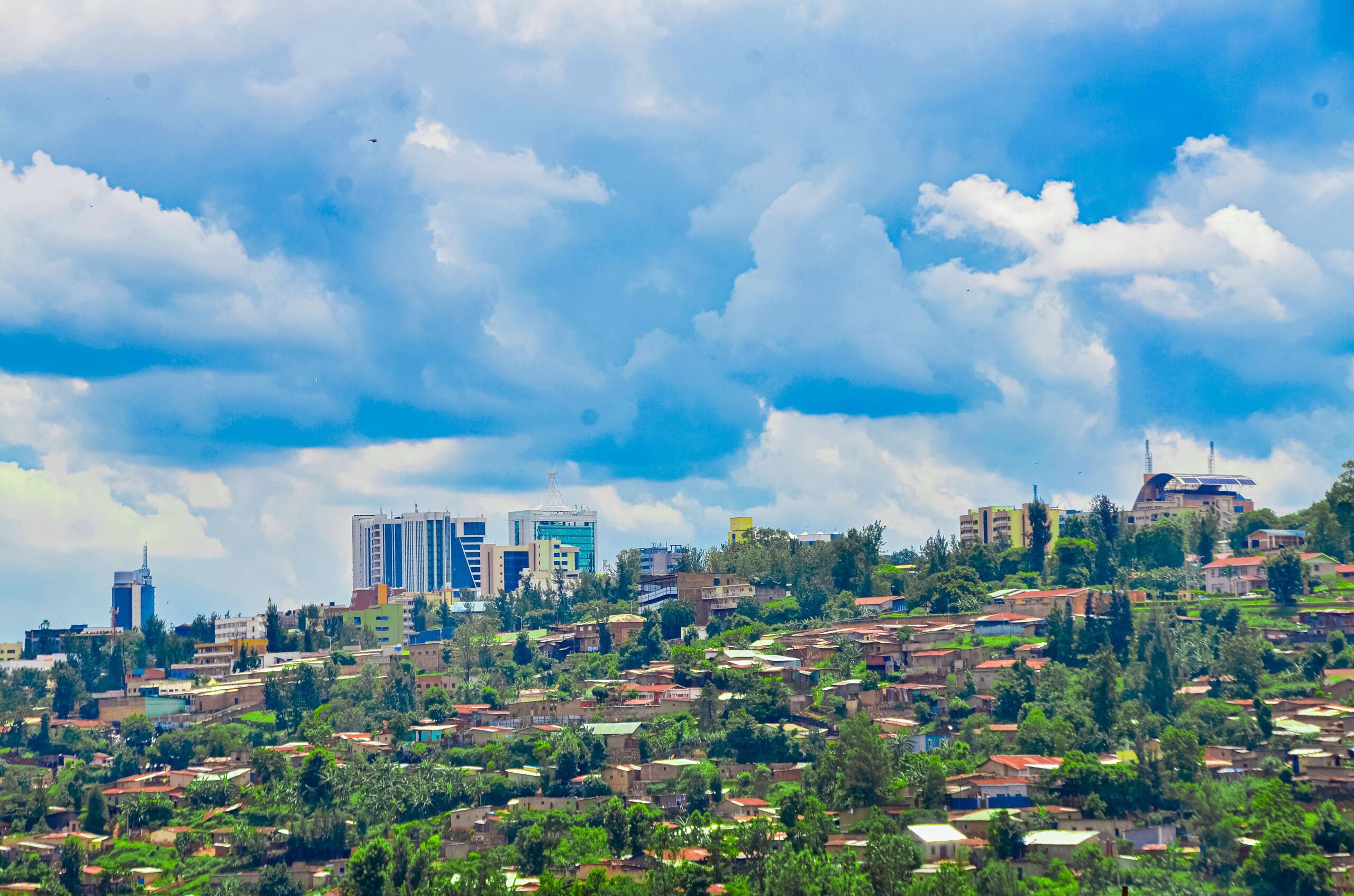
For Rwanda, the 20th edition is a showcase, and its second time hosting the forum in three years after the 2024 edition in Kigali. The country has spent two decades building a reputation for administrative reliability and has used conference hosting as an instrument of that strategy.
Kigali is now one of the more established meeting points on the continent, and the Convention Centre has become the venue of choice for continental gatherings. The forum lets Rwanda present its own agricultural transformation to an audience with capital.
An Africa Food Festival runs alongside the summit, organised by the African Food Fellowship with the Africa Food Systems Forum, AGRA and the City of Kigali. Its Culinary Village pairs African food, music and crafts with food-business and investment programming.
The test that comes after the week ends
Continental forums have a well-known failure mode, which is that the communique outlives the commitments. This one is unusually explicit about wanting to be measured differently.
The meeting will be judged less by the number of leaders attending than by investments secured, food produced, jobs created and commitments translated into action. That is the organisers’ own formulation.
For investors watching from outside the continent, the useful signal will be what emerges from the Deal Room rather than from the plenaries.
No headline investment total had been announced by the third day. The firmest number to emerge so far is retrospective: the African Development Bank told a Kigali side event that its African Emergency Food Production Facility had produced more than 45 million tonnes of food and reached close to 15 million farmers, 38.8% of them women.
Announced programmes are not the same as deployed capital, and the gap between the two has been the story of African agricultural finance for a generation.
Frequently Asked Questions
When and where is the Africa Food Systems Forum 2026?
It runs from 31 August to 4 September 2026 at the Kigali Convention Centre in Rwanda. It is the 20th edition of the forum.
How many people are attending?
More than 5,000 leaders, investors, policymakers, scientists, entrepreneurs and young innovators from over 50 countries. President Paul Kagame is due to open the forum on 2 September.
What is the theme?
The theme is “Investing in Africa’s Agri-Food Systems: Nourishing Nations, Growing Jobs, Building Resilience.” Five priorities dominate: investment and finance, food security and nutrition, climate resilience, youth and digital innovation, and trade, markets and value chains.
What targets sit behind the forum?
The African Union’s Kampala CAADP Strategy and Action Plan 2026-2035 commits members to raising agrifood output 45% by 2035 and mobilising US$100 billion in agricultural investment. It also targets halving post-harvest losses and tripling intra-African agrifood trade.
How is the forum meant to produce results?
A Deal Room connects agribusinesses and entrepreneurs with investors and financial institutions. It builds on more than US$6 billion in investment programmes presented by six countries at the 2025 edition in Senegal.
This article was produced by The Rio Times’ automated newsroom system. How we use AI · Report an error
The Rio Times · Power Map
See who really holds power in Latin America
Click to open the Power Map →

















 English (US) ·
  French (CA) ·
  French (FR) ·