

.jpg) 1 month ago
46
1 month ago
46
PROTECT YOURSELF with Orgo-Life® QUANTUM TECHNOLOGY
Orgo-Life the new way to the future Advertising by Adpathway
By NAN Staff Writer, NewsAmericas Now
News Americas, WASHINGTON, D.C., Tues. August 25, 2026: The Trump administration, through USCIS and the State Department, has unveiled two major US immigration restrictions this week, targeting entirely different populations – tourists and business travelers on one hand, skilled foreign workers on the other- but sending the same unmistakable message: staying in America, by any legal pathway, is about to get significantly harder.
Up to 200,000 visas targeted over asylum claims
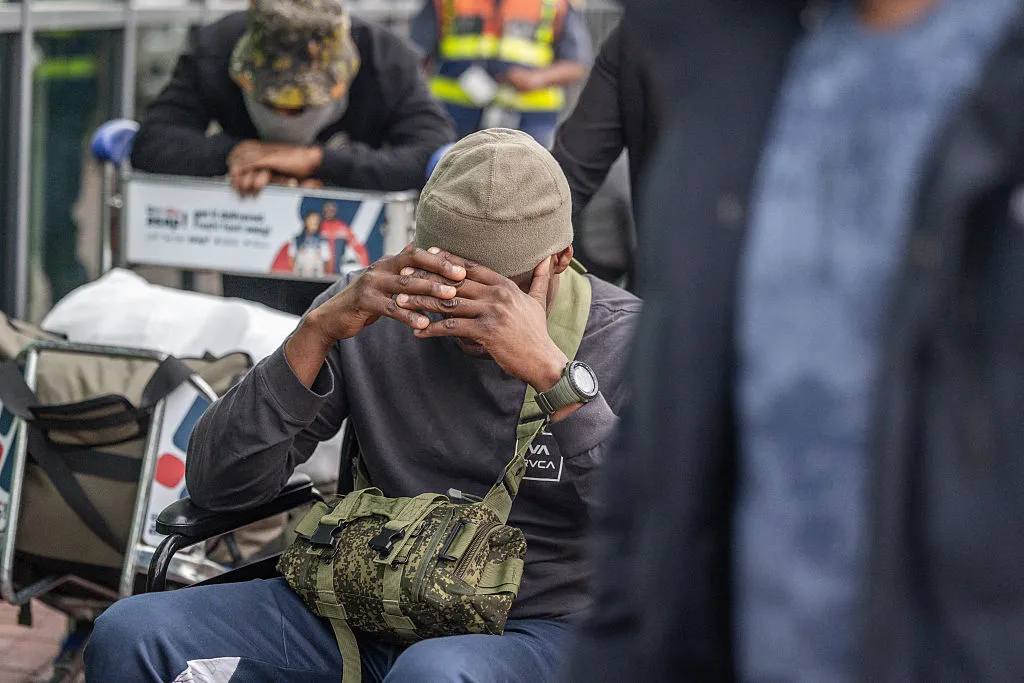
The State Department is preparing what officials are calling the largest mass visa revocation in U.S. history, targeting up to 200,000 B1 and B2 visa holders, business and tourism visitors, who later applied for asylum. The revocations, covering visas issued between 2016 and 2026, will roll out in waves rather than all at once.
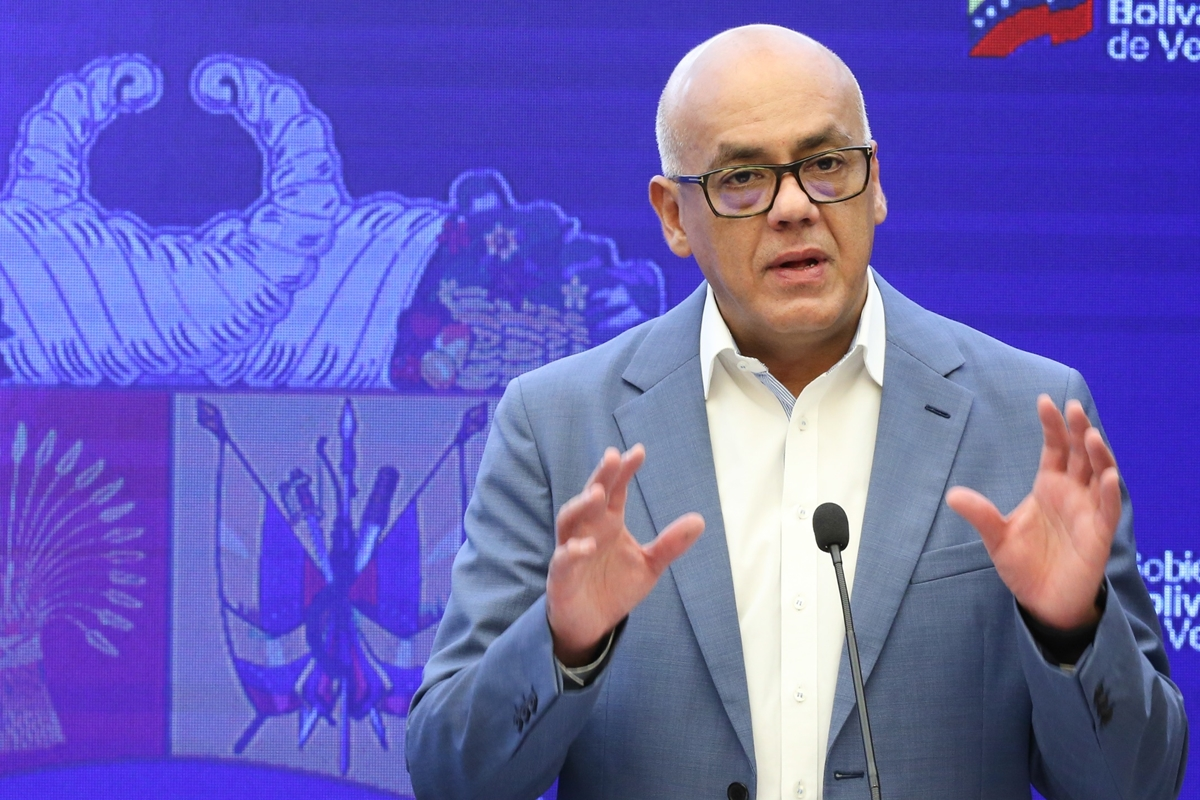
“We are coordinating with DHS to identify and revoke the nonimmigrant visas of foreigners who have come to the United States claiming to be short-term visitors, but then file for asylum to stay here permanently,” State Department spokesman Tommy Pigott said. “As the process will be ongoing, the number of revocations remains dynamic and will be done on a rolling basis.”
Deputy Secretary of State Christopher Landau made the administration’s case directly on social media Monday: “People in the U.S. and all over the world are fed up with bogus asylum claims. Asylum isn’t supposed to be a loophole to circumvent immigration laws.” Officials told the Associated Press the revocations won’t automatically trigger deportation; most pending asylum applicants would simply be reclassified, losing their business or tourist designation while their cases continue.
The move follows a separate court defeat for the administration. On Friday, a federal judge in New York struck down its attempt to halt visa issuance entirely for applicants from 75 countries, many across Africa, Asia and Latin America, ruling the government’s rationale had no legal basis.
A $103,265 fee on skilled worker visas

Separately, the Department of Homeland Security proposed an unprecedented new fee of $103,265 on every H-1B cap-subject petition, more than one hundred times the program’s current base filing fee, and by far the largest fee ever proposed for any U.S. immigration benefit.
The charge would apply to both the regular 65,000-visa cap and the 20,000-visa advanced degree exemption, paid on top of every existing H-1B fee, though it would exempt petitions filed by universities, nonprofits and government research institutions. DHS estimates the fee could generate $8.8 billion annually and projects roughly 76% of small businesses filing H-1B petitions would face significant financial impact if it takes effect.
“The proposed H-1B fee is intended to recover the costs incurred across the federal government to adjudicate, vet, and support lawful immigration programs that otherwise must be funded by taxpayers,” USCIS spokesperson Zach Kahler said. The proposal is not yet final; DHS must review public comments before any implementation date is set.
A pattern taking shape
Together, the two moves land in the same week the State Department separately paused visa interviews worldwide so consular officers can complete training on a stricter “public charge” standard, one that could see immigrant visa applications denied over any perceived likelihood of relying on public assistance. For Caribbean travelers, workers and asylum seekers alike, the throughline across all three changes is the same: multiple pathways into and through the U.S. immigration system are simultaneously tightening, with little public clarity yet on exactly when, or how completely, any of it takes effect.
NewsAmericasNow will continue tracking U.S. immigration policy changes affecting the Caribbean.















 English (US) ·
  French (CA) ·
  French (FR) ·