

 1 week ago
22
1 week ago
22
PROTECT YOURSELF with Orgo-Life® QUANTUM TECHNOLOGY
Orgo-Life the new way to the future Advertising by Adpathway
The Sour Pasta Party 32 takes the German brand’s most popular cross-country hardtail and redesigns it to work with the hottest wheel size of the moment. Miles has been putting the Pasta Party 32 through its paces over the last few months as his daily driver and bikepacking rig to see what it does best and uncover the truth about bikepacking on 32-inch wheels. Dig into his review here…
Additional riding photos by Tom Powell and Tanner Paré
Much has happened since Walmart started selling 32-inch wheeled cruiser bikes back in 2014. In the public eye, the 32-inch evolution (craze?) really took off over the last three years, starting with the Maxxis Aspen 32” prototype at the Taipei Bike Show, followed by a strong showing at the 2025 MADE bike show in Portland. The real turning point was at this year’s Sea Otter Classic, where we saw more brands getting in on the fun with new 32-inch tires, wheels, and bikes.
I’ve spoken to bike brands, framebuilders, and component manufacturers about the 32-inch platform and what it can offer consumers, and most of the responses have been hypothetical. So, ahead of this year’s Sea Otter Classic, I planned to leave the expo with a 32-inch bike to test for myself. As luck would have it, Sour Bikes in Germany sent their new Pasta Party 32 frame to White Industries for display. I worked some Canadian charm and got the thumbs-up to take the stunning show bike home with me.
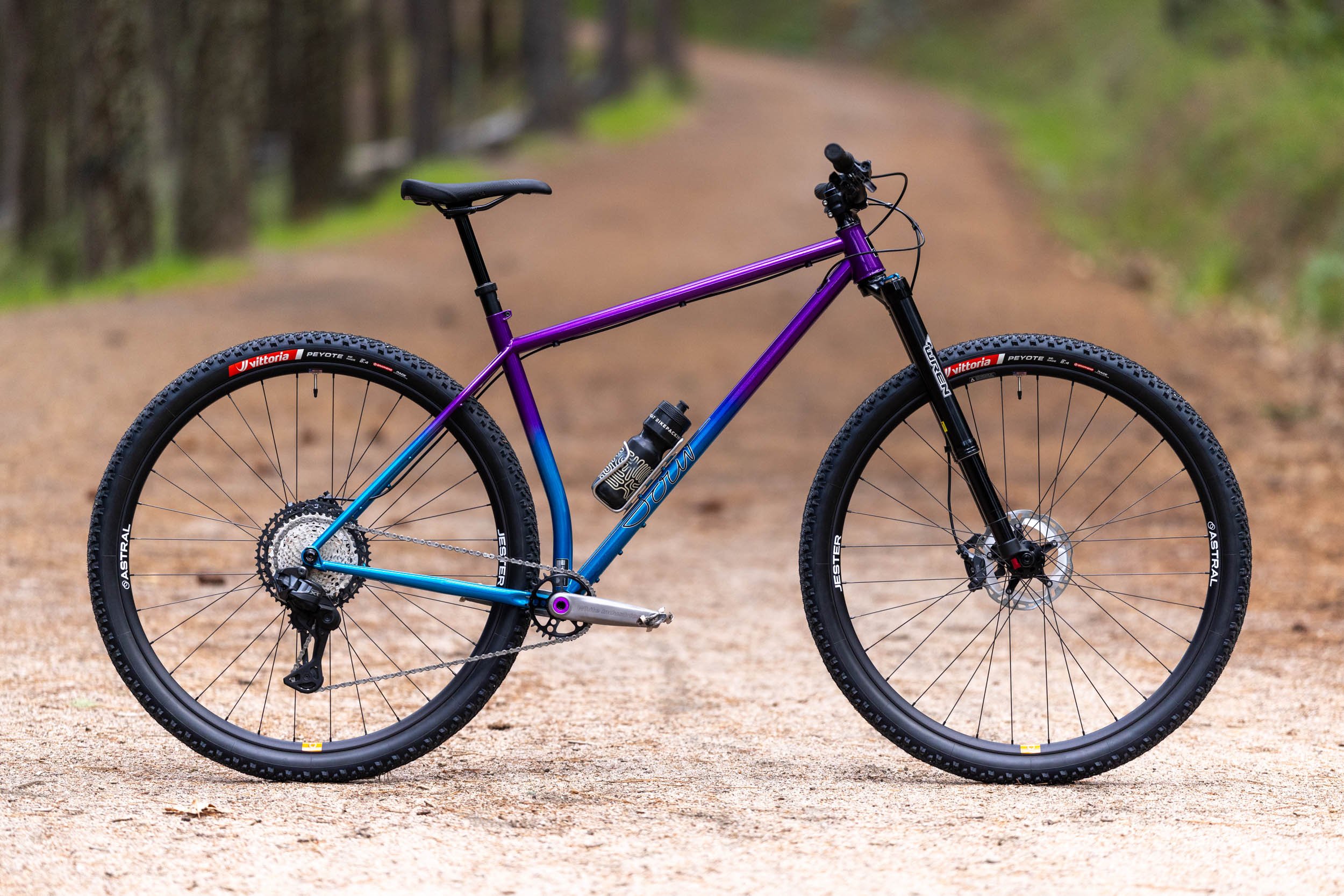
I’m not sure if it was because I spent the previous three months riding the same drop-bar mountain bike, or if I was becoming weary of listening to the same marketing spiel about how 32” tires roll faster and better than 29” tires, but I returned home to British Columbia with a sense of urgency. I was ready to uncover the truth about 32-inch bikes as a bikepacking platform. Is it all that it’s hyped up to be?
Three Months Earlier
In February, Sour Bicycles in Dresden, Germany, announced the Pasta Party 32. As its name suggests, it builds on their popular cross-country hardtail platform, redesigned to accommodate 32” wheels. Like their other models, the Pasta Party 32 is handmade in Saxony. Each frame is assembled, prepared, and built to order in their workshop, so there are options to add braze-ons and specific components, and even to choose a custom powder-coated color. The frame production timeline is approximately three months, and powder coating will add 15 days.
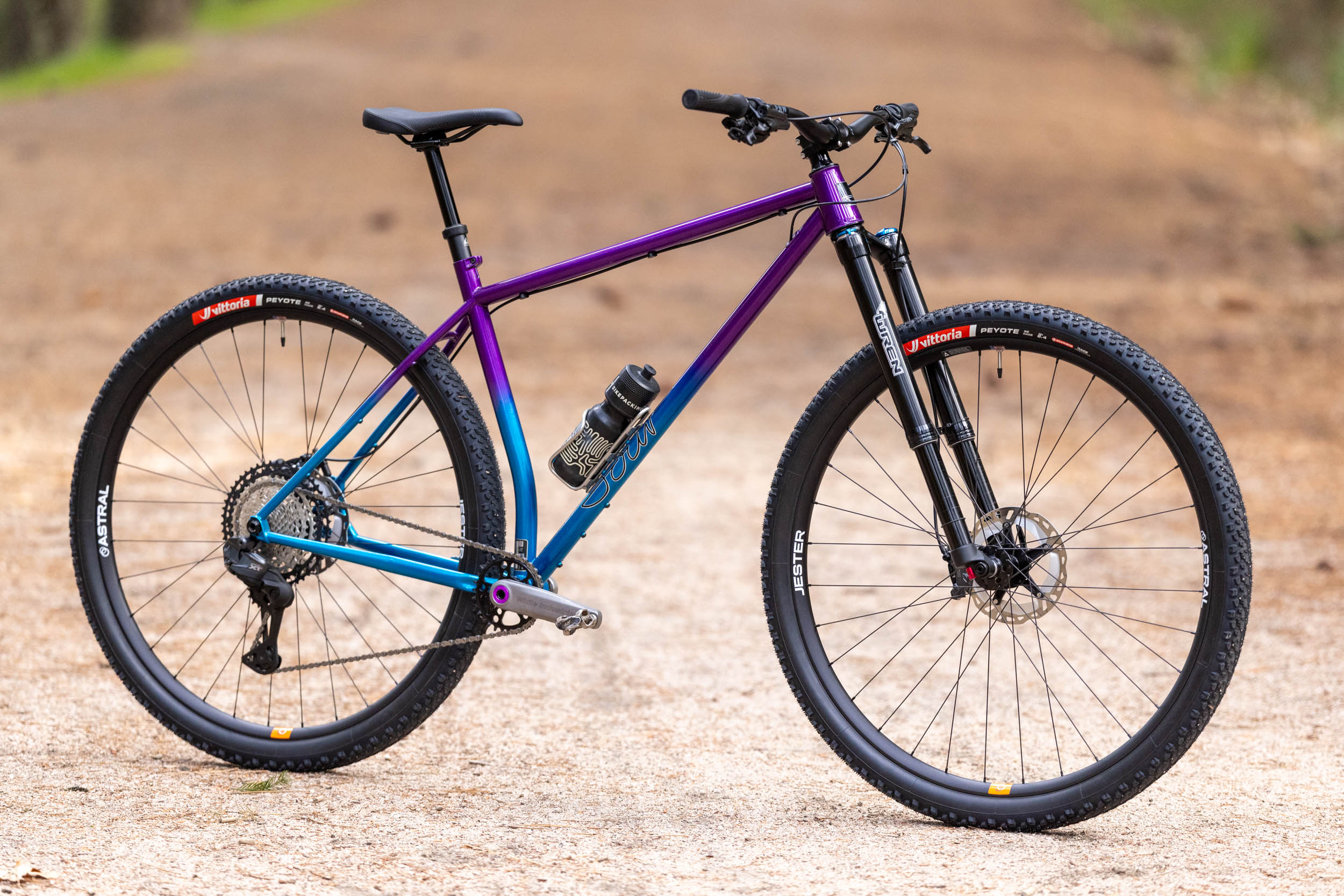
Although the Pasta Party 32 shares a similar overall silhouette as the standard Pasta Party, it’s not merely a scaled-up version designed for bigger wheels, though there is some crossover. As for geometry, both bikes have a 66.6° head tube angle, a long front end/reach, and a high top tube that leaves plenty of space inside the main triangle. Sour makes some bold claims, but the angles show a bike that hits that sweet spot for trail riding and bikepacking, smack dab between a racey cross-country bike and a slacked-out trail bike.
The Pasta Party 32 departs from its smaller-wheeled sibling with 15mm longer chainstays (450mm), 44mm more stack on the extra-large I tested, a higher bottom bracket, and a longer wheelbase. Both bikes are optimized for 100-120mm travel suspension forks, a reminder that they are meant for fast, efficient riding.
At the time of its launch, the Pasta Party 32 was on a short list of 32-inch bikes you could actually purchase. Although the 32-inch platform has been around for more than a decade, it’s the small framebuilders and bike brands that have really been driving its development. Right now, we’re in a unique situation where brands like Sour, Singular, Neuhaus, and BTCHN’ are all offering 32-inch bicycles, with very few big brands on board. The Salsa Fargo 32, released at this year’s Sea Otter Classic, was one of the most exciting 32-inch launches from a larger, more widely recognized brand, especially in the bikepacking sphere. But let’s get back to the Pasta Party 32.
Frame Specs and Details
Like Sour’s other bikes, the Pasta Party 32 is handbuilt in small batches. It’s centered around a custom-drawn, multi-butted Chromoly steel frame with boost hub spacing, a 73mm threaded bottom bracket, a UDH dropout, a 100-120mm travel fork, and clearance for 32 x 2.4″ tires. It was refreshing to see external cable routing and downtube bosses, but the pre-production frame I was riding had only a single set of bottle bosses inside the main triangle, whereas production frames have two. The dropper post routing is fully internal, and additional bosses, braze-ons, and rack mounts are available for a fee. Sour explained it’s easy for them to add features to the frames, because the tubes are cut and welded in batches.
It’s a pleasantly simple and svelte frame, with none of the additional external gussets or braces that sometimes rob steel frames of their charm. Sour landed on a stubby 90/95mm head tube, presumably to help keep the front end at a reasonable height with such big wheels crammed under it. Paired with proportionally skinny tubes, the Pasta Party 32 looks and feels like a cross-country hardtail.
Sour borrowed the ovalized tubing they use on the 29er Pasta Party to deliver the right balance of weight, stiffness, and flex. It’s hard to see, but the lower section of the seat tube is ovalized to create stiffness and increase power transfer through the pedals. The top tube is also ovalized, which increases lateral (side-to-side) stiffness without, in theory, sacrificing vertical flex.
Ride Feel and Geometry
The only other steel bike I’ve ridden with so much thought put into the tube quality and shaping was the Mason RAW, and, unsurprisingly, the ride quality and feel between the two bikes is staggeringly similar. High-end steel tubing allows the designers to hone the balance of stiffness, weight, and compliance, and the Pasta Party 32, like the RAW, is a reminder of what a high-end steel hardtail offers in 2026.
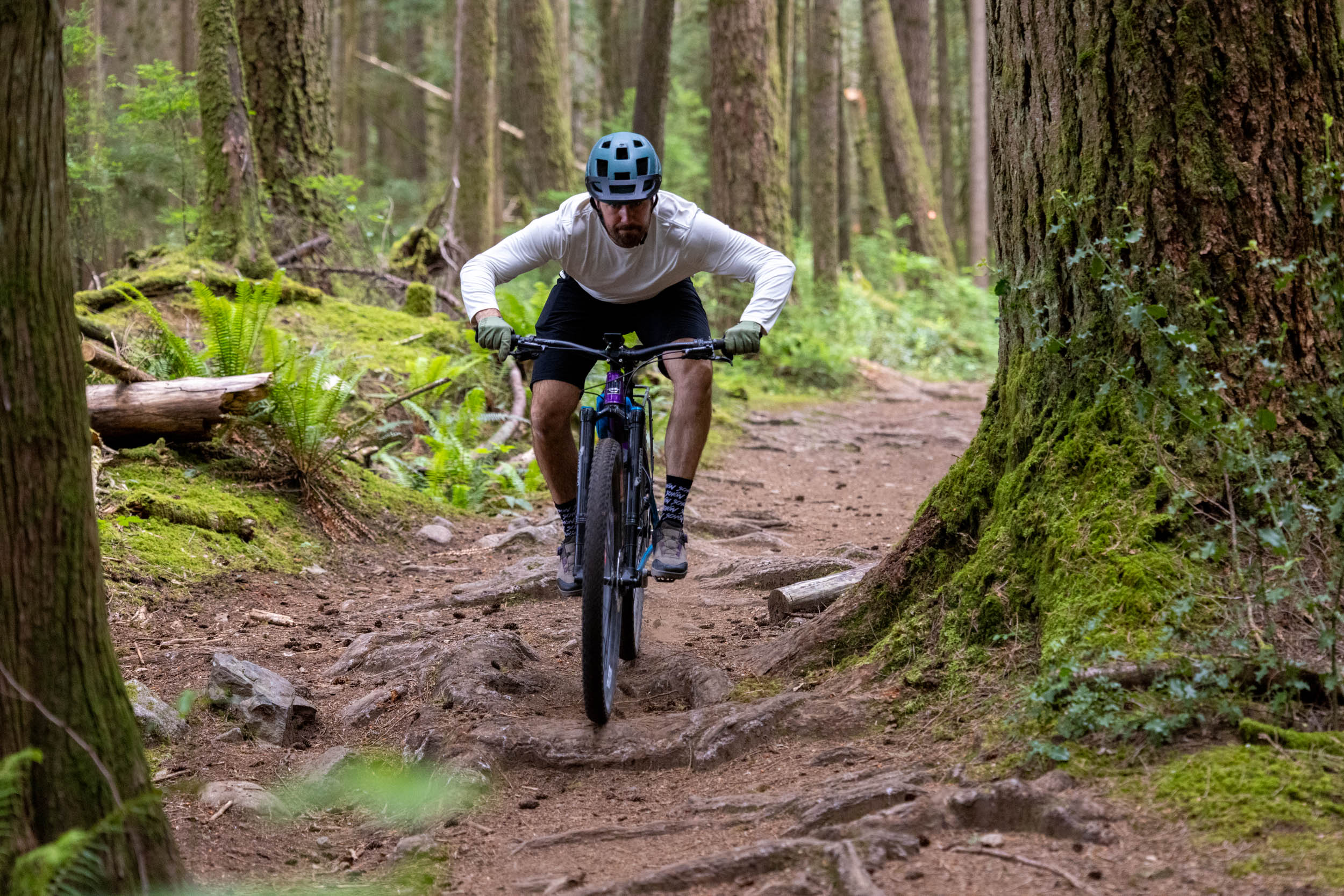
Sour clearly put significant effort into dialing in the ride quality, as it hit that sweet spot that felt rigid and responsive while pedaling and pushing into corners, but never harsh or uncomfortable on long rides. In fact, it was quite the opposite. Every time I started riding the Pasta Party 32, I found myself going further and further, focusing on the trail, the sounds, and the smells here in the Pacific Northwest, rather than on the bike beneath me. High-end, hand-built frames come at a cost, but the benefits are noticeable when done well.
I don’t believe the 32-inch wheels played much of a role in my comfort on the bike, but when it comes to efficiency, they stole the show. Much of what I shared in my first impressions piece still holds true after riding well over 750 kilometers on the Pasta Party 32. On everything but super steep or technical terrain, it’s a fast and comfortable ride. The high-quality frame and balanced geometry were comfortable, and the 32-inch wheels provided more speed than I’ve ever experienced on a hardtail. I’m not one for tracking metrics and personal records on Strava, but on every ride on my local trails, I set new personal bests on both gravel and cross-country singletrack.
The Pasta Party 32 has modern cross-country geometry, including a 66.6° head tube angle, a 75.6° seat tube angle, and a generously long reach. The 495mm reach on the XL was actually 10mm longer on the version I tested, but I think bringing that back a touch was a good decision by Sour. Adjusting for sag, the head tube angle is closer to 68° and the seat tube angle is also about 1.3° steeper.
The build came equipped with a 150mm Wren inverted suspension fork with its travel adjusted to 120mm. With a 560mm axle-to-crown, it resulted in the second-tallest stack height I’ve experienced on a hardtail, beaten out only by the Sklar Tall Tale. I enjoyed the resulting upright riding position for long, multi-day getaways, but it took some of the zip out of the ride when tackling tight cross-country trails. Ditching some of the headset spacers and running a zero-rise handlebar would help, but no matter how you spin it, it’s got a very tall front end that not everyone will like. According to Sour, they designed the bike around a 565mm axle-to-crown because that’s what some major fork manufacturers are speccing for their upcoming 32-inch forks.
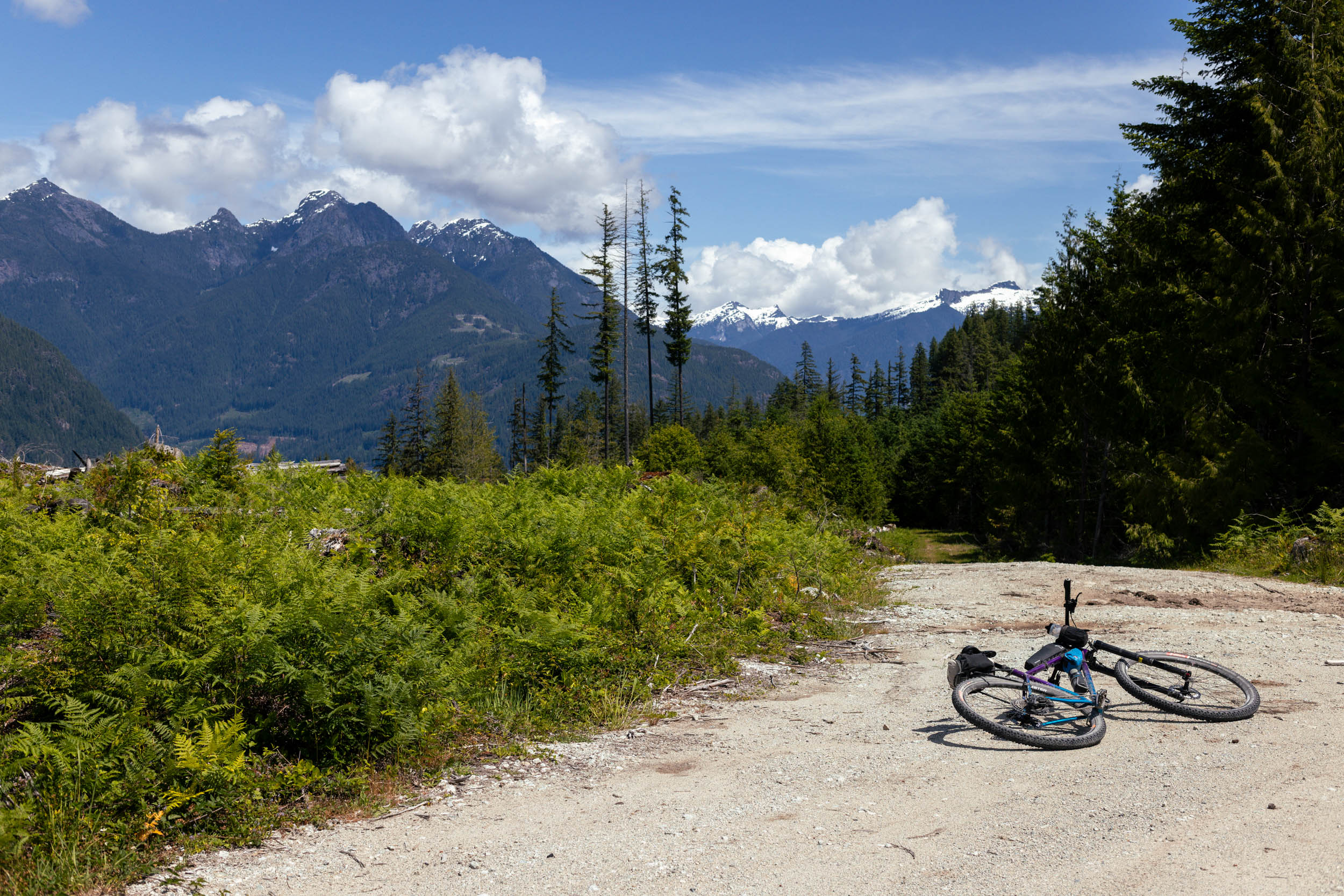
Speaking of suspension, 120mm of travel felt like too much for the Pasta Party 32. I rarely found myself taking advantage of all of the travel. After chatting with Wren about their forks and 32-inch bikes, it sounds like their 110mm travel fork could be adjusted to 80mm of travel for a 520mm axle-to-crown. That sounds like the winning ticket to me. I imagine this would really improve the bike’s handling for faster-paced XC rides and singletrack, and there would be no problem using a riser bar for a more upright fit.
Despite these findings, I found myself flying on rough gravel roads and singletrack. At first, I felt perched on top of the giant wheels, and it still feels weird to switch between 29-inch and 32-inch wheels. I quickly learned that it wasn’t my favorite bike for slow-speed tech or gnarly steel descents, but on fast XC trails and chunky gravel roads, it was pure bliss. The Pasta Party 32 let me ride rough gravel roads with confidence and speed but also duck into proper singletrack without batting an eye. The Mason RAW and my Why S7 (with 29” wheels) provided a similar experience, but the 32-inch wheels felt surprisingly more fluid and efficient than expected. I was sold on the platform for unloaded day rides, but I couldn’t help but wonder how its svelte frame would handle the extra weight of bikepacking gear.
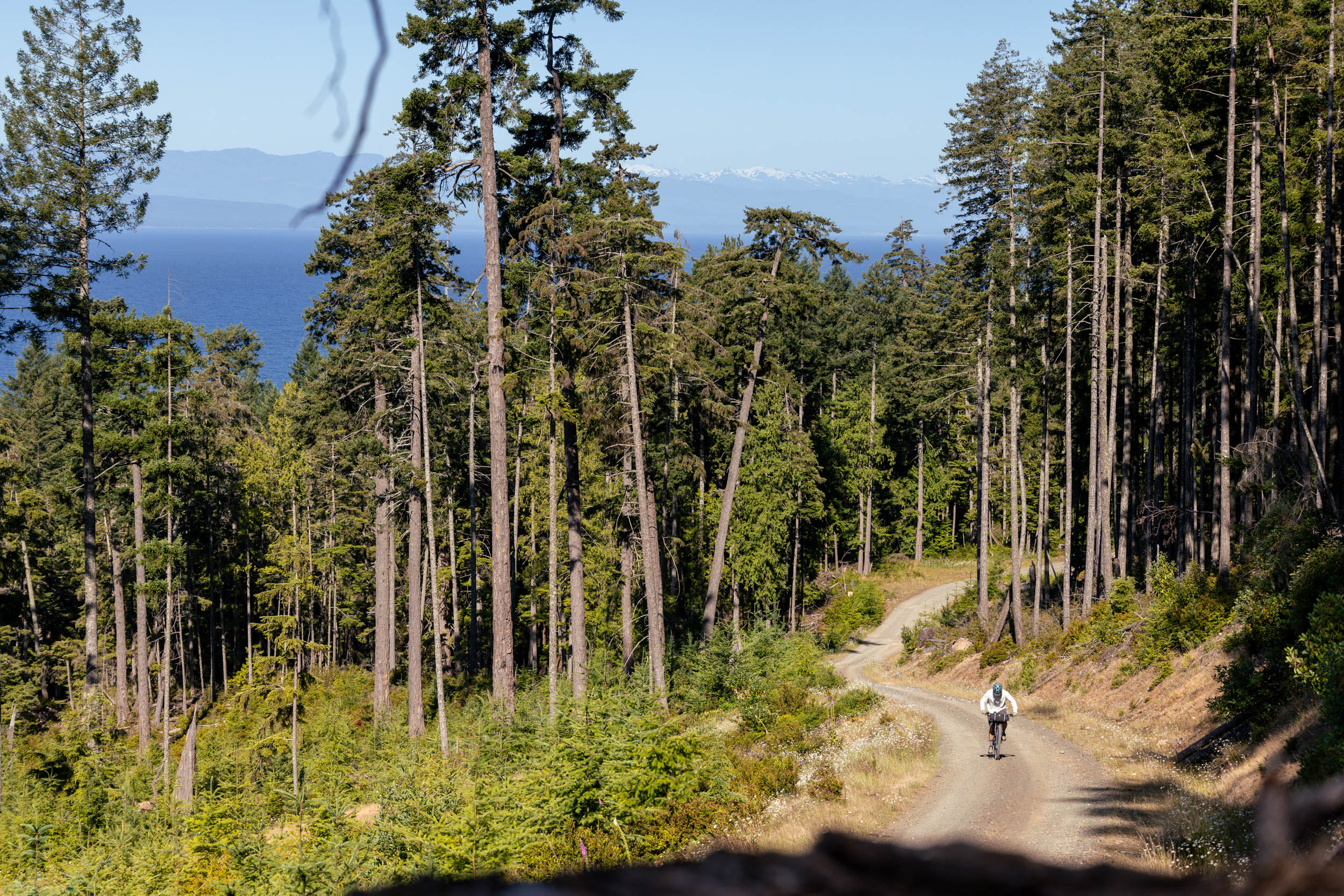
On low-speed singletrack, all the bottom bracket height needed to accommodate its larger wheels was noticeable, as if I were high-centered. The last time I experienced this sense of tippiness was when I was testing the Crust Scapegoat “ScapeBot” with its 58mm bottom bracket drop and 29 x 3.0” tires. The Sour’s bottom bracket height is just 13mm lower than the Crust, so it’s not surprising that I noticed some similarities. Some initial effort is required to get the bike rolling, as it’s not the fastest off the line, but once it has momentum, it wants to keep rolling.
Fork offset, and the lack thereof, has been a hot topic for 32-inch bikes because, theoretically, these bikes should use forks with more offset to mitigate some of the effects the larger-diameter wheel has on steering. Using a longer fork offset and reducing the trail (the tire patch behind the steering axis) would result in lighter, quicker steering, which would likely be noticeable in the low-speed tech situations where I found the bike struggling. The specced Wren fork has a 45mm offset, but I’d be curious to see a bike like this with a 55mm+ offset. I’ve been talking a lot about 32-inch nerdery with Daniel at Neuhaus, and he says suspension manufacturers are missing the mark by copying 29er enduro fork offsets. For 32-inch bikes, especially 32-inch gravel bikes, larger offsets will improve handling and reduce toe overlap.
Bikepacking on a 32er
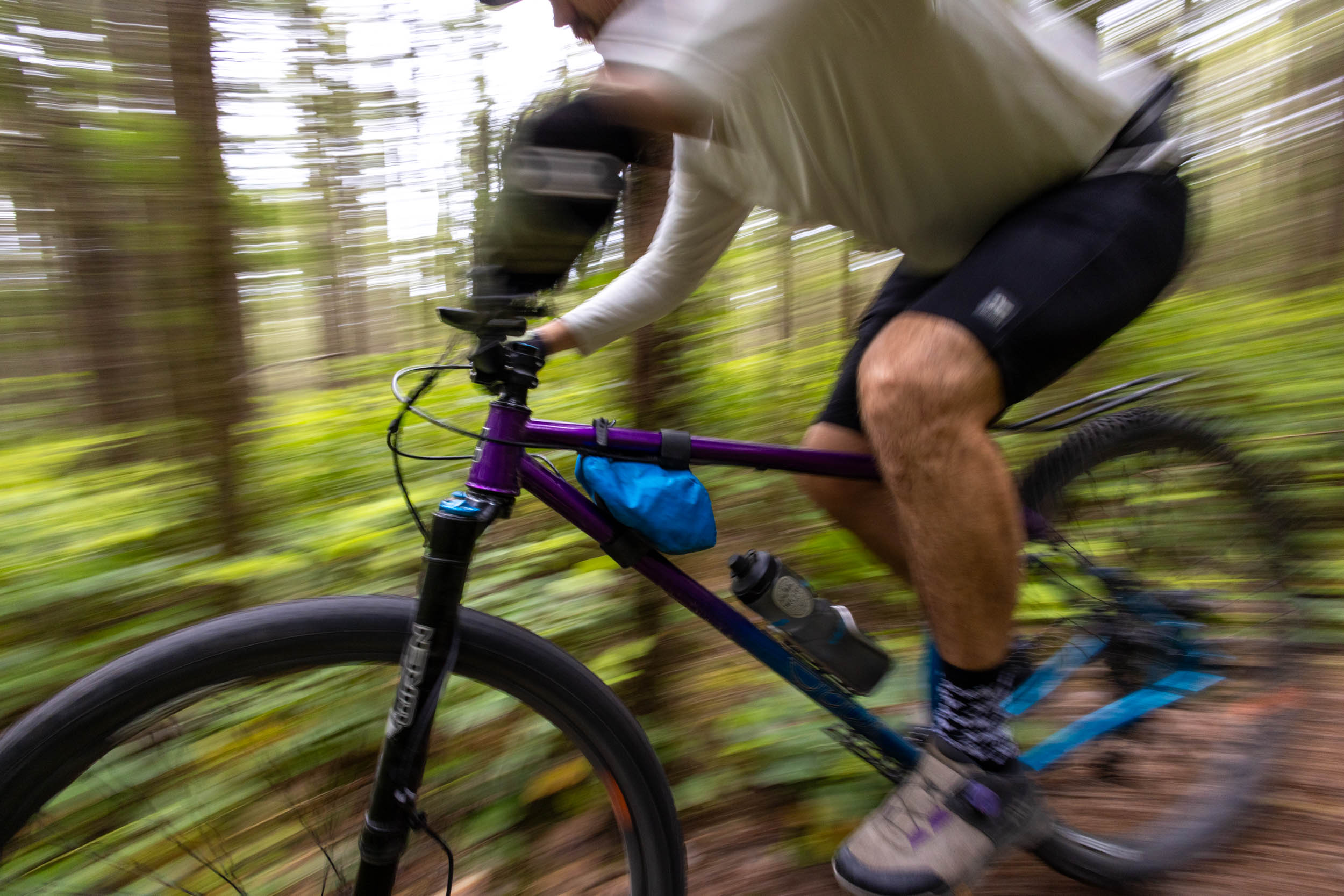
Knowing Sour used the same tubing on the 32-inch version as the 29-inch Pasta Party, I was worried the frame would feel too flexy with the additional weight of bikepacking gear. This wasn’t my experience with the Pasta Party 32, and it felt natural loaded up with a lightweight spring bikepacking kit.
A lot of what I liked about the Pasta Party 32 carried over to bikepacking, including its efficiency and momentum on non-technical terrain. For me, it pretty much eliminated any desire to ride a drop-bar mountain bike ever again. As a bikepacking bike, it offers the efficiency of a drop-bar gravel or mountain bike, the momentum of larger diameter wheels, and the control and stability of flat bars for chunkier, technical terrain. I can’t think of a better platform for nearly all of the bikepacking I do here in the Pacific Northwest, and it seems like the perfect tool for routes on Vancouver Island, such as the 1,000-kilometer Tree to Sea Loop, the new Alberni Bam Bam, or other mixed-terrain bikepacking routes.
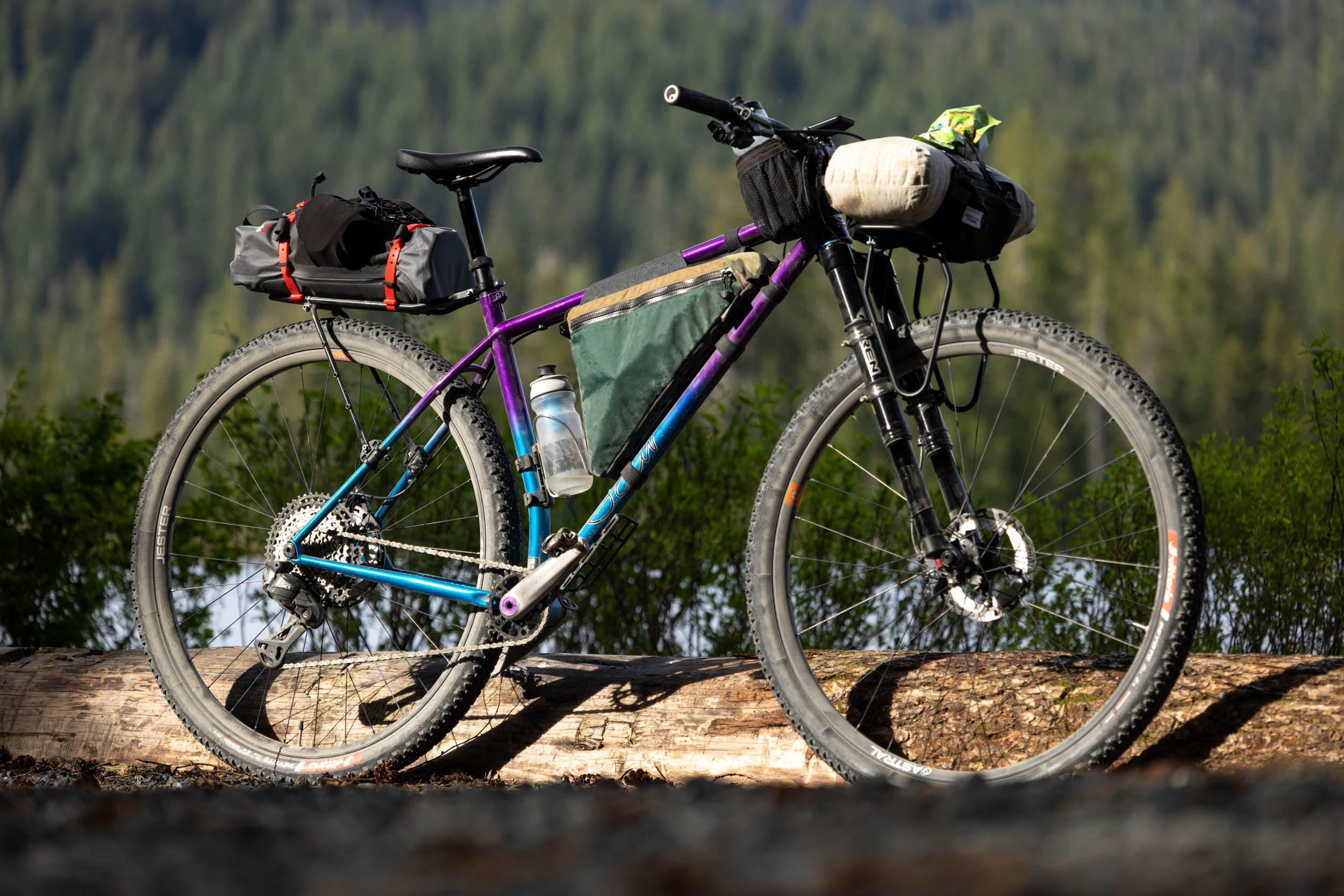
The one downside to bikepacking with 32-inch wheels on such a massive frame is that my center of gravity felt higher than normal, and adding a bikepacking kit didn’t help. For this reason, I think the Pasta Party 32 is best suited for lightweight setups, and some thought should be put into where and how gear is packed. I tried a few setups during my test period, including a prototype front rack from Mica mounted to the Wren’s uppers and the updated Rogue Panda Blue Ridge. I kept a Mica Rat Tail installed since the frame I tested didn’t have rack mounts.
I was disappointed not to see two sets of bottle mounts inside the main triangle on my pre-production frame, since the production version has them. Because I was using my Stealth F35 wedge frame bag, I had to use a Tailfin HydroMount to mount a bottle cage on the seat tube. This was the first time using the HydroMount, and I was impressed with how secure it was, hardly moving on several big day rides and overnighters.
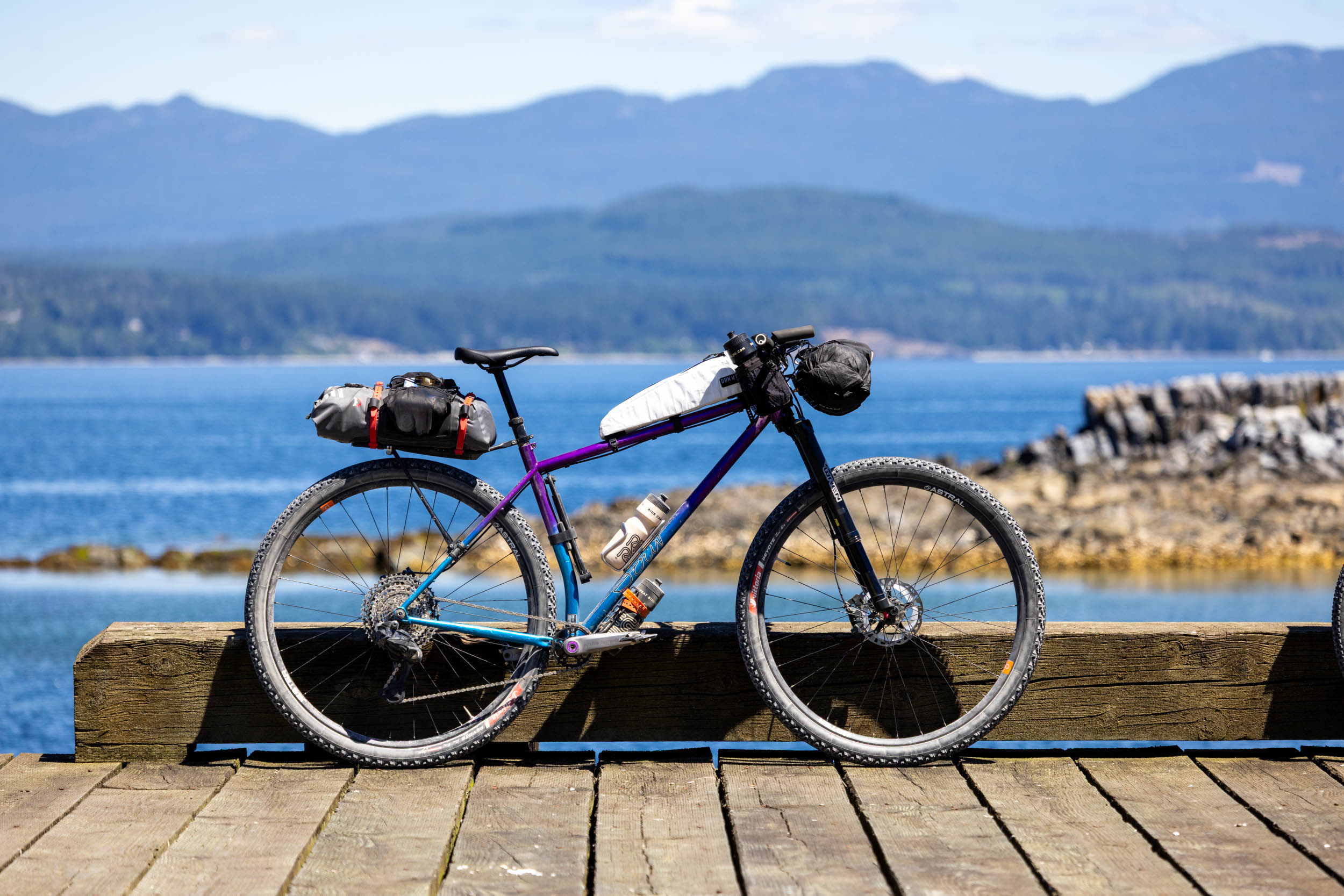
It quickly became apparent that gearing was an issue when bikepacking on a 32-inch bike. The 30T chainring that came installed on White Industries’ new titanium cranks wasn’t small enough for ultra-steep climbs, so I dropped down to a 28T. That helped for loaded climbs, but then I found myself running out of high gears on fast sections of gravel and pavement—32-inch bikes like the Pasta Party 32 might be perfectly suited for 2x drivetrains. Forgive me, bike industry. After all, it was when I was zipping along gravel roads and trails that the 32-inch platform especially felt great.
Intrusive Thoughts
A local cross-country race series came to town this spring, and I thought it would be fun to pre-ride the long course as I’m not much of a pay-to-ride person. This was a great chance to ride over 50 kilometers of singletrack from my front door, and I did it at a faster-than-usual pace to see how the bike felt. Since other riders were pre-riding the course at the same time, it also let me engage in psychological warfare against racers worried about a 32-inch bike showing up.
I walked away from that ride feeling fresh and eager for more. The Pasta Party 32 shines as a long-distance XC bike, and once you get over the initial shock of being perched up on 32-inch wheels, it’s incredible how efficiently it flies through cross-country singletrack. If I were to own one, I think I’d prefer a slightly lower top tube and a longer dropper post, but for everything except super-steep rolls and technical descents, it wasn’t an issue.
Next up, I turned my attention to the 10 Lakes Overnighter. The 100-kilometer route is much more enjoyable as an overnighter, but my inner bike racer thought it might be fun to ride it in one go to see how the Pasta Party would fare on a multi-hour gravel ride. A few kilometers in, I decided an average speed of 20 kilometers per hour would be a reasonable goal, and I hunkered down with some pop playlists with a mission to ride straight through. I ate on the move and stopped only to pee. I couldn’t believe how comfortable the bike felt and how efficiently it moved me through the backcountry gravel roads beyond Powell River.
A lot clicked for me on that ride, and as I write this, I’m already planning another long gravel ride out to some cross-country trails because I can’t seem to get enough of it. With the addition of some inner bar ends and a few cockpit modifications, the Pasta Party 32 is exactly what I’d reach for to take on any mixed-terrain bikepacking event.
Of course, there is the not-so-small problem that replacement tires and spokes aren’t nearly common enough to rely on, and we’re still at a point where there are some real growing pains associated with this new standard. This probably explains why, out of the 260+ folks on the unofficial rider list for the 2026 Tour Divide, not a single person was riding a 32-inch bike.
Pasta Party 32 Build Kit
The Pasta Party 32 I’ve been riding is a show bike, through and through. The frame was made and painted in Germany with a flashy purple-to-blue fade finish, then shipped to White Industries in California to be built up for Sea Otter, coinciding with the launch of the White Industries x Moots titanium cranks.
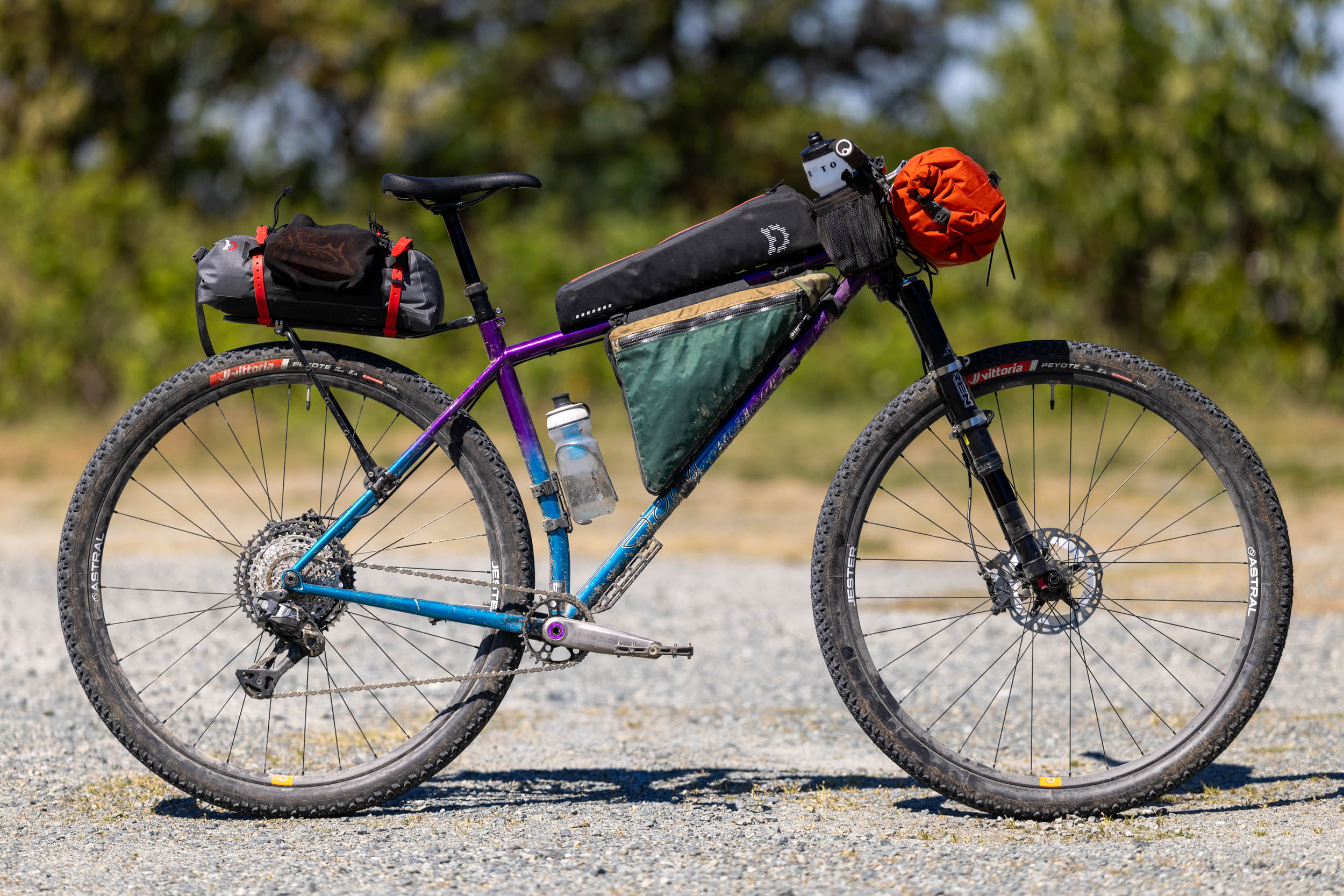
Like most show bikes, the build is flashy in every way, so there’s really nothing to complain about. The pre-production Vittoria Peyote 32 x 2.4” tires were much grippier than I expected, and I think the larger contact patch of the 32” diameter plays a role. On 30mm internal-width rims, they measured out to a hair under 2.4” (2.37” to be exact) and felt like they matched the bike’s demeanor and my riding style. Originally, I thought I’d prefer a chunkier tire, and though they wouldn’t be my first choice for wet coastal singletrack, they’ve been great in dry conditions.
Sour Pasta Party 32 Sea Otter Build Kit
- Frame: Sour Pasta Party 32, XL
- Fork: Wren Inverted Suspension Fork, 120mm
- Crankset: White Industries x Moots Ti Cranks
- Derailleur: Shimano XT Di2
- Shifter: Shimano XT Di2
- Cassette: Shimano XT, 10-51T
- Bottom Bracket: White Industries T47
- Front Wheel: Astral Jester, Approach Hubs
- Rear Wheel: Astral Jester, Approach Hubs
- Front Tire: Vittoria Peyote 32 x 2.4”
- Rear Tire: Vittoria Peyote 32 x 2.4”
- Headset: White Industries ZS44/ZS56
- Handlebar: PNW Loam Carbon
- Stem: Paul Components Boxcar Stem, 35mm
- Grips: PNW Loam Grips
- Saddle: WTB Koda
- Seatpost: PNW Loam Dropper
- Dropper Lever: PNW Loam Lever
- Brake Levers: Shimano XT M8200
- Brake Calipers: Shimano XT M8200
- Rotors: Shimano MT800
This was my first time using Shimano XT Di2. I love the shifter shape and ergonomics much more than any SRAM wireless shifter I’ve used. I appreciate that there isn’t a loud chirp every time you shift, but I noticed it struggled to shift under load compared to SRAM Transmission. The Wren inverted suspension fork served its purpose by providing clearance for 32-inch wheels, but there was a lot of trial and error in finding the right pressure in the top and bottom air chambers. For a $700 fork, I have no qualms.
The Astral Jesters are some of the few 32-inch wheels you can purchase today. They have a 30mm internal width, sturdy 6069 alloy construction, and are fully rated for trail riding. As mentioned in my first-ride story, I broke a spoke during my test period after a sturdy branch got lodged into the bike’s rear triangle. I rode one spoke down for several weeks, and the rim remained as true as ever the entire time. Although getting a replacement spoke to Canada wasn’t as easy as popping into my local bike shop. I’ve been very impressed with the build quality and durability of the Jesters. It makes me wonder if all that mass means a greater chance of picking up small, spoke-destroying sticks though. Altogether, the Pasta Party 32 I reviewed weighed 30.94 pounds (14 kilograms) without pedals.
Getting Your Pasta Party
Sour Pasta Party 32 frames are available to order now, but they have a roughly three-month lead time because they are part of Sour’s Special Projects program, where frames are built on demand. Complete builds are possible, but component selection is limited. Sour expects this to improve within the next six months as more become available. They don’t have a stock build option yet because they aren’t satisfied with the current suspension fork options.
One change that will be rolled out across all future Pasta Party 32 frames is the switch to super boost 157mm rear hub spacing, instead of the standard 148mm boost spacing on the version I tested. This isn’t the first time we’ve seen super boost mentioned in 32-inch mountain bikes—the idea being that a wider hub shell results in a wider spoke angle and, therefore, a stiffer wheel. Product developer Christoph Süße expects the industry will land on boost spacing front and back for 32-inch gravel bikes, and super boost rear ends on 32-inch mountain bikes.
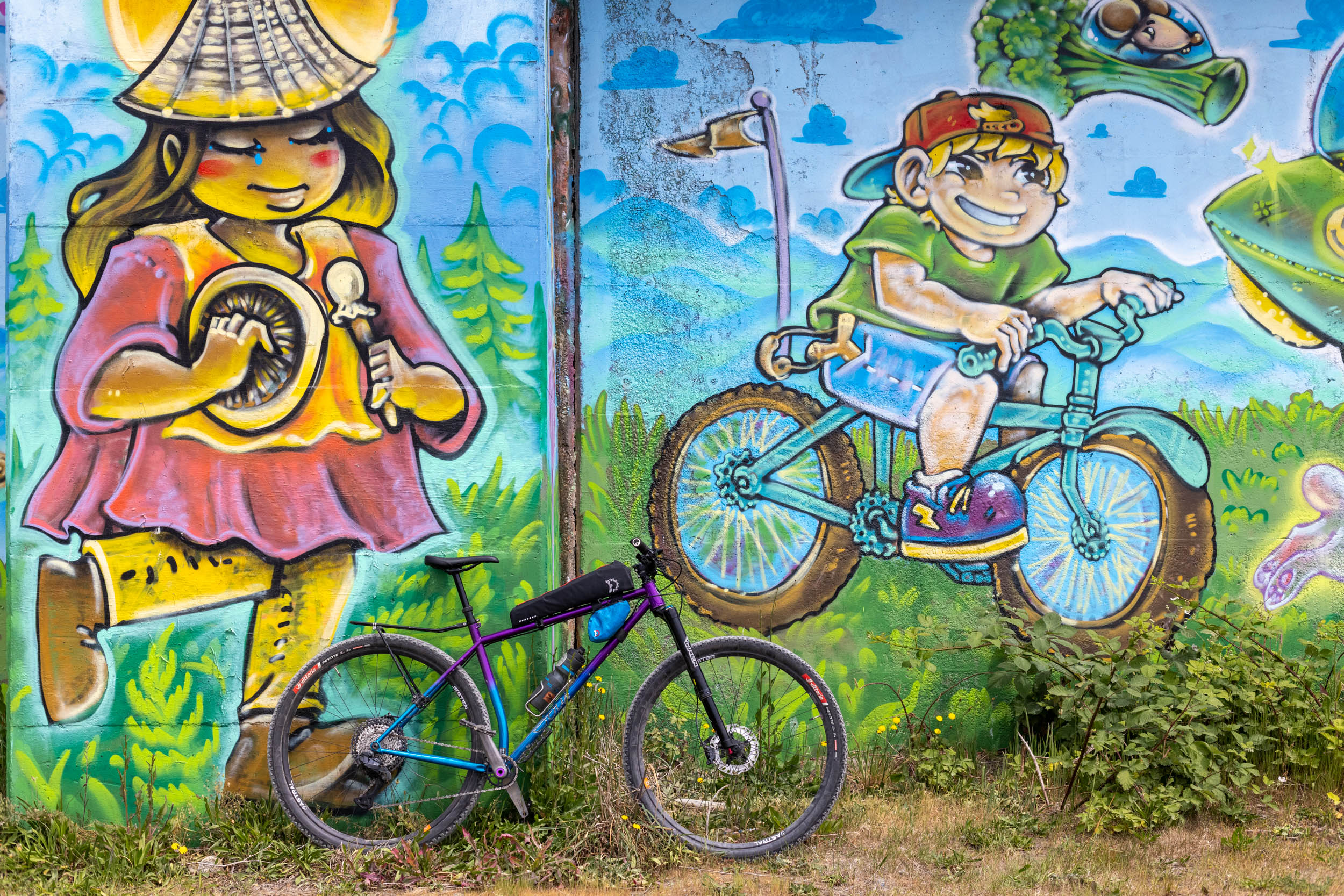
- Model/Size Tested: Sour Pasta Party 32, XL
- Weight: 30.94 pounds (14 kilograms)
- Place of Manufacture: Germany
- Frame Price: €1,299 (~$1,500 USD)
- Manufacturer’s Details: Sour.Bike
Pros
- The perfectly balanced frame provides a comfortable yet responsive ride quality that’s lovely on long, back-to-back days of riding.
- The big main triangle leaves a lot of room for multiple bottles, accessories, and bags.
- 32-inch tires roll fast on gravel, but the suspension provides capability and control on singletrack. Ride it anywhere!
- Made-to-order frame means options for additional bosses, custom paint, etc.
- Available as a frame, frame and fork, or a custom complete build.
- Handmade in Germany.
- Plenty of stack is great for folks who prefer an upright riding position.
Cons
- My test bike didn’t have rack mounts or seat tube bottle bosses, but they can be added for a fee.
- 120mm of suspension with 32-inch wheels almost feels like too much for the terrain I found most suitable for the bike. A shorter-travel version wouldn’t limit its capabilities.
- Unstable at low speeds and slow accelaration
- Top tube height was a touch high for my taste.
- A longer fork offset would have improved handling, especially in low-speed tech. Fork manufacturers, are you listening?
- High stack won’t be for everyone, but I found it great for long days in the saddle.
Wrap Up
At 6’1” tall, I’m sold on 32-inch wheels. However, as someone who has experienced breaking a spoke on a 32-inch wheel, the problems with modern 1x drivetrains and giant wheels, and the lack of suspension fork options, I think there’s still room for improvement. It’s the early days for 32-inch bikes, but the Pasta Party has been my perfect introduction to it. It’s a supercharged gateway drug that has me curious to try other tires and the 32-inch FOX fork teased at Sea Otter. It has been cool to see small bike brands and framebuilders push 32-inch bikes into the spotlight. Now I’m eager to see how things progress and evolve, or maybe 32” will simply fade into the background as 30.5” takes center stage. I wish I were kidding.
No matter what the future of 32-inch bikes holds, the Pasta Party 32 was the ideal bike for me to throw a leg over after several months on the same drop-bar mountain bike. It just wants to move, gliding through terrain in a way that I’ve never experienced before. There’s part of me that’s broadly skeptical about 32-inch bikes, especially because they seem largely reserved for taller riders, but there’s a bigger part of me that thinks, “Why not?” I’ve had more fun riding the Pasta Party 32 than any other bike in recent years, and if that’s not enough, then what is?
Further Reading
Make sure to dig into these related articles for more info...
Please keep the conversation civil, constructive, and inclusive, or your comment will be removed.











 English (US) ·
  French (CA) ·
  French (FR) ·