

PROTECT YOURSELF with Orgo-Life® QUANTUM TECHNOLOGY
Orgo-Life the new way to the future Advertising by Adpathway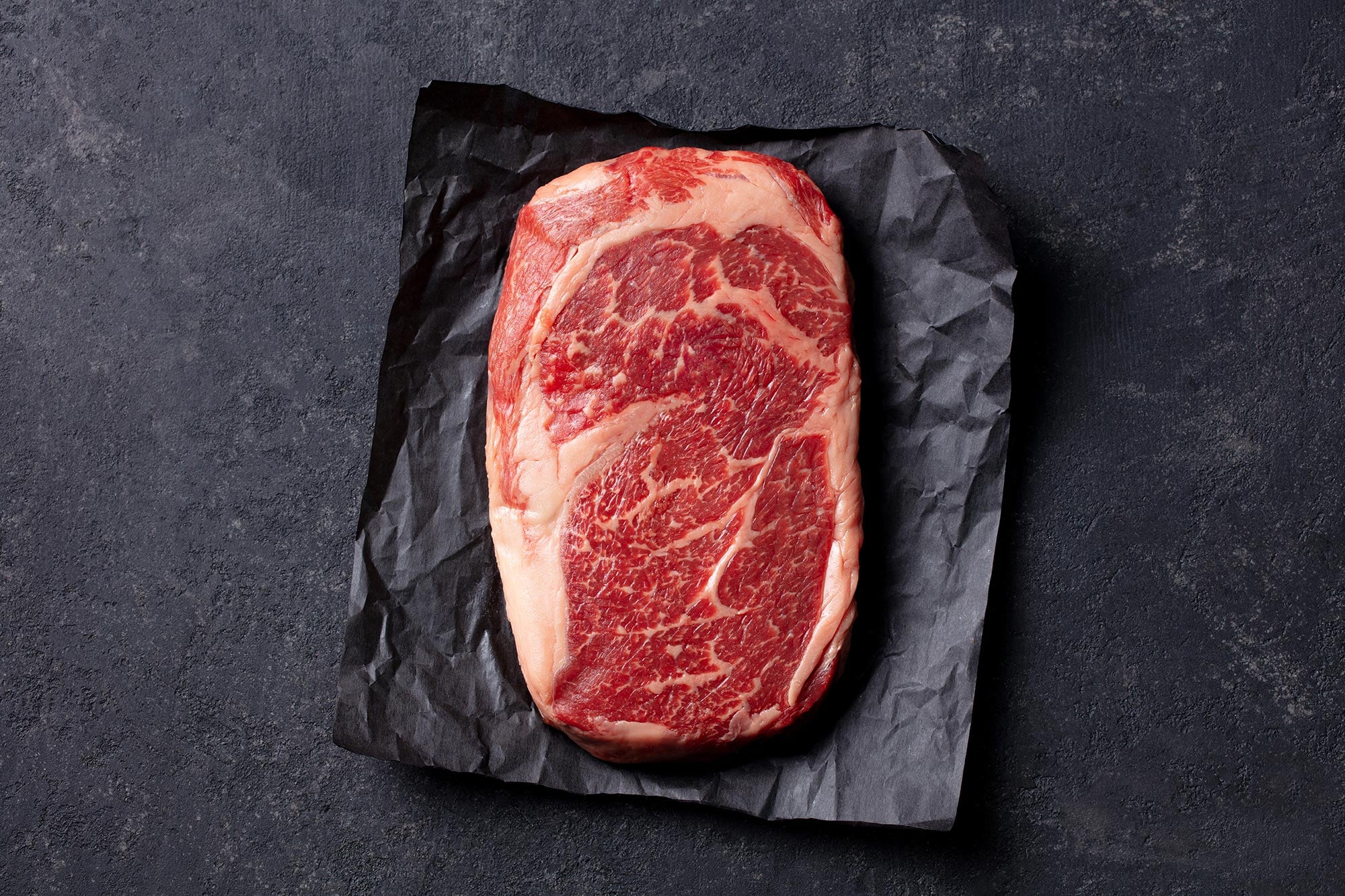 Researchers have uncovered a potential connection between dietary protein, gut microbes, and intestinal inflammation that could reshape future approaches to managing inflammatory bowel disease. Credit: Shutterstock
A diet’s protein source may influence how severely the gut becomes inflamed, with mouse experiments offering clues for more tailored dietary guidance for people with inflammatory bowel disease.
The protein on your plate may do more than build muscle. Growing evidence suggests that where dietary protein comes from could influence inflammation in the gut, raising important questions about how food choices might affect people living with inflammatory bowel disease (IBD).
IBD includes Crohn’s disease and ulcerative colitis, two chronic conditions in which abnormal immune responses contribute to ongoing inflammation in the digestive tract. Symptoms can include persistent diarrhea, abdominal pain, fatigue, and intestinal bleeding, often alternating between periods of remission and unpredictable flare-ups. Although genetics, immune function, and gut microbes all play important roles, researchers are still working to understand how diet influences the disease.
IBD has also become increasingly common in the United States and worldwide over recent decades, alongside shifts in dietary habits that include greater consumption of animal protein. Despite these trends, scientists have yet to establish clear, evidence-based recommendations about which protein sources might be most beneficial for people with IBD.
As the authors explain, “Although diet is believed to be an important contributor to the pathogenesis of inflammatory bowel diseases, there are few evidence-based dietary recommendations for patients to lessen disease severity.”
Milder inflammation in mice fed pea protein
A new study in Cellular and Molecular Gastroenterology explored whether the source of dietary protein could change the severity of intestinal inflammation. Researchers compared diets containing beef, egg, dairy, soy, or pea protein across multiple mouse models of IBD.
Mice fed beef protein consistently developed the most severe intestinal inflammation, while those consuming pea protein experienced the least inflammation and only mild symptoms. The pattern remained consistent across the different models and in both male and female mice.
“Mice fed a beef protein diet exhibited the most severe colitis, whereas mice fed pea protein developed mild inflammation,” the authors say.
Importantly, beef protein alone did not cause overt intestinal inflammation in mice without a colitis trigger, suggesting that its effects depend on other factors involved in the disease.
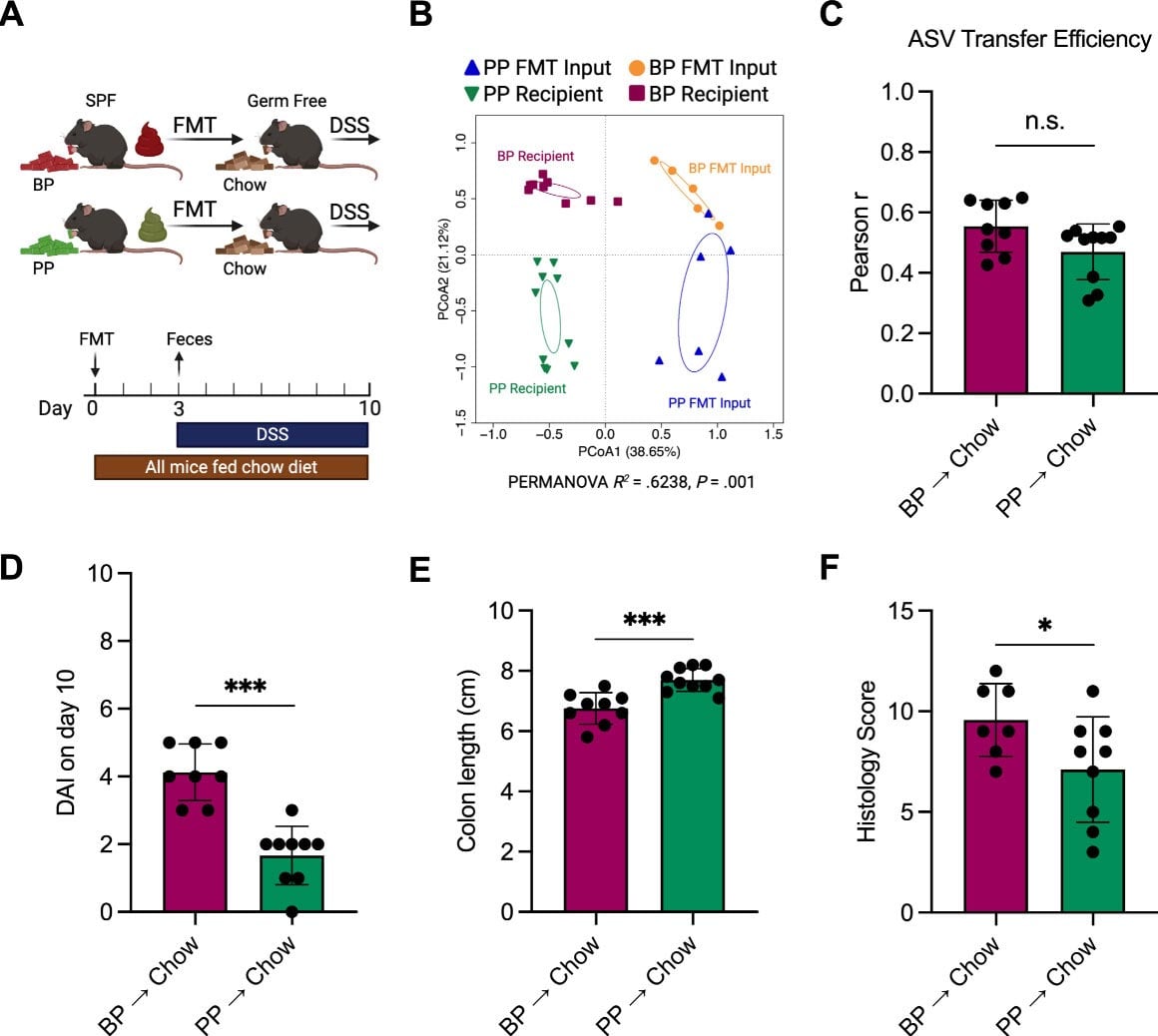 Mice fed a beef-protein diet developed the most severe intestinal inflammation, while those consuming pea protein experienced only mild symptoms. Credit: CMGH
Gut microbes may connect diet and inflammation
The findings point to interactions between gut microbes, the intestinal barrier, and bile acids as a possible explanation for the differences. The intestinal barrier helps separate the gut’s contents from surrounding tissue, while bile acids help digest fats. How microbes interact with that barrier and those acids appears to influence whether these processes promote or reduce inflammation.
“The colitis-promoting effects of beef protein were microbially mediated,” the authors say.
Further experiments revealed that beef protein altered the balance of intestinal bacteria and was associated with a thinner protective mucus layer and higher levels of certain bile acids linked to inflammation. In contrast, pea protein supported a different microbial balance and bile acid profile.
The authors also found that adding psyllium, a soluble dietary fiber, to the beef-protein diet reduced inflammation in mice, suggesting that other dietary components may help counteract some of these effects.
Protein choices could become a focus of future dietary guidance aimed at helping people manage IBD and reducing disease risk and severity.
“These findings provide a rationale for determining whether modifying dietary protein source could lessen the severity of disease in patients with inflammatory bowel diseases,” the authors say.
Reference: “Dietary Protein Source Mediates Colitis Pathogenesis Through Bacterial Modulation of Bile Acids” by Simon M. Gray, Michael C. Wood, Samantha C. Mulkeen, Sunjida Ahmed, Shrey D. Thaker, Bo Chen, William R. Sonder, Vladimir Bibeva, Xiaoyue Zhang, Jie Yang, Jeremy W. Herzog, Anh D. Moss, Shiying Zhang, Belgin Dogan, Kenneth W. Simpson, R. Balfour Sartor and David C. Montrose, 24 June 2026, Cellular and Molecular Gastroenterology and Hepatology.
DOI: 10.1016/j.jcmgh.2026.101825
Never miss a breakthrough: Join the SciTechDaily newsletter.
Follow us on Google and Google News.
























 English (US) ·
 French (CA) ·
 French (FR) ·