

 1 month ago
61
1 month ago
61
PROTECT YOURSELF with Orgo-Life® QUANTUM TECHNOLOGY
Orgo-Life the new way to the future Advertising by AdpathwayPeru · ECONOMY
Key Facts
- —What happened The MEF selected 33 local governments to receive S/138 million (US$35.3 million) through the FIDT 2026 contest.
- —How big Sanitation projects account for 70% of winning proposals, farm infrastructure for 26% and basic education for 4%.
- —The catch Only municipalities in poverty quintiles 1 and 2 can compete, and winners faced a 9 July deadline to submit documentation.
- —Who pays The national government, through the FIDT, administered by the MEF’s investment programming office.
- —What comes next Winners complete documentation and sign agreements so projects can be financed or co-financed.
The FIDT 2026 contest channels public investment to municipalities in Peru’s two poorest quintiles, with sanitation the top priority.
Peru’s Finance Ministry (MEF) will grant S/138 million (US$35.3 million) to 33 winning local governments under the Concurso FIDT 2026, a competitive Peru municipal fund aimed at municipalities in the country’s two poorest quintiles. The program, the Fondo Invierte para el Desarrollo Territorial, was re-reported by the official gazette El Peruano on 25 August 2026.
One-stop reference
Company Intelligence
Every listed company in Latin America — financials, ownership and structure for 1,450+ companies across 26 exchanges, in one place.
Peru Municipal Fund Backs 33 Local Governments
The Fondo Invierte para el Desarrollo Territorial, known by its Spanish initials FIDT, is a competitive fund run by the Finance Ministry. It channels money to municipalities ranked in poverty quintiles 1 and 2, the poorest in the country’s classification.
The 2026 contest drew winning proposals from local governments across ten regions: Amazonas, Áncash, Apurímac, Ayacucho, Cajamarca, Huancavelica, Huánuco, Junín, La Libertad and Loreto.
The ministry said the S/138 million (US$35.3 million) will finance or co-finance investment projects presented by the 33 winning municipalities.
The Concurso FIDT 2026 is the 2026 edition of the contest, which assigns funds to local governments on a competitive basis.
Municipalities are grouped into poverty quintiles under the country’s classification system, and only those in the two poorest bands may take part in the contest.
El Peruano’s re-report on 25 August 2026 confirmed that the S/138 million (US$35.3 million) will be distributed among the 33 winners.
The FIDT is part of the national government’s public investment framework for subnational governments.
The Peru municipal fund is administered by the MEF’s Dirección General de Programación Multianual de Inversiones, the office responsible for multiyear public investment programming.
Sanitation Dominates the Winning Proposals
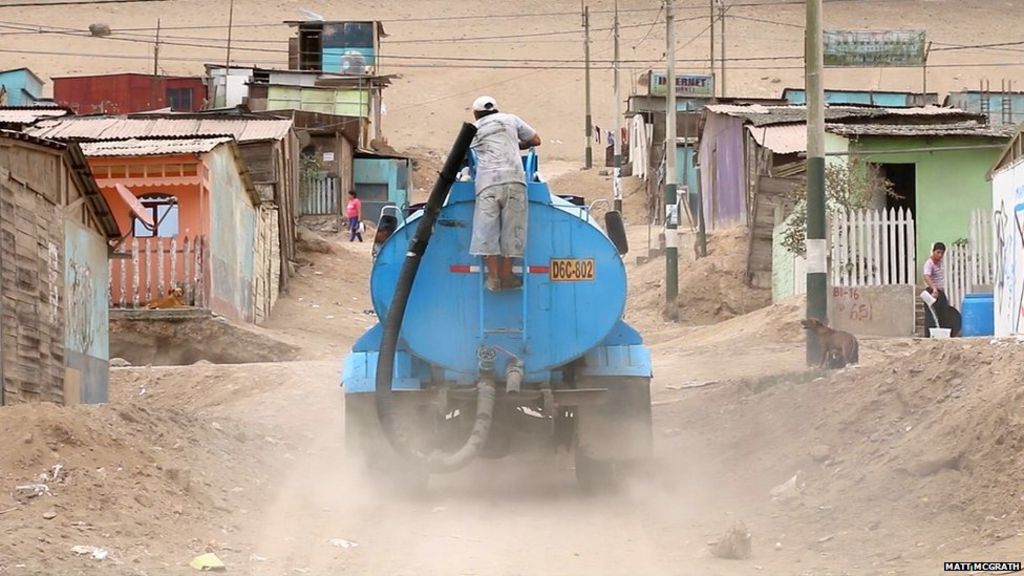
Sanitation projects account for 70% of the winning proposals, according to the MEF. Agricultural infrastructure follows with 26%, and basic education projects make up the remaining 4%.
Agricultural works are the second-largest category in the portfolio, behind only sanitation.
The remaining 4% for basic education covers school-related investment proposals from the winning municipalities.
The Peru municipal fund finances or co-finances the investment projects, which means some municipalities will contribute their own resources to complete the works.
The heavy weighting toward water and sanitation reflects the priorities local governments chose to present in their proposals for the 2026 contest.
The 70% share for sanitation means that most of the S/138 million (US$35.3 million) will go toward water and sanitation works proposed by the winning municipalities.
Education projects, while a smaller share, still form part of the portfolio of works the fund will support in the winning municipalities.
Acuña Says Funds Answer Urgent Needs
‘These resources will make it possible to finance projects that respond to urgent needs of the population,’ Finance Minister Rodolfo Acuña Namihas said when announcing the results.
The ministry framed the awards as a way to direct public investment toward municipalities with the highest poverty levels, where local budgets are least able to fund works on their own.
The minister’s remarks accompanied the publication of the results of the Concurso FIDT 2026, which selected 33 local governments as winners.
Acuña Namihas heads the Finance Ministry, which runs the contest through its investment programming office.
The agreements to be signed between the MEF and each winning municipality will formalize the awards.
The contest format assigns funds to the proposals selected as winners, tying the money to specific investment projects rather than to general budget support.
Winners Faced a 9 July Documentation Deadline
Winning local governments had until 9 July to present the documentation required for the signing of their agreements with the ministry, according to the MEF’s announcement.
El Peruano, the official gazette, re-reported the program on 25 August 2026, restating the list of winners and the total amount at stake.
The re-report in El Peruano gave the program fresh visibility nearly seven weeks after the documentation deadline closed.
The documentation stage is a prerequisite for the signing of the agreements that formalize each award and allow the money to flow.
The 33 winners were selected from the eligible municipalities in poverty quintiles 1 and 2 that took part in the contest.
Once agreements are signed, the projects move into execution under the rules of the fund, with the MEF’s investment programming office in charge of administration.
Awards Span the Andes and the Amazon
The winning municipalities are spread across ten regions, from Cajamarca and Amazonas in the northern highlands to Loreto in the Amazon rainforest.
Áncash, Apurímac, Ayacucho, Huancavelica, Huánuco, Junín and La Libertad complete the list, covering much of Peru’s central and southern Andes.
The ten regions with winning municipalities include some of the poorest rural areas of the country, consistent with the fund’s eligibility rules.
Huancavelica and Apurímac, in the southern Andes, are among the regions whose municipalities qualify under the fund’s poverty-quintile rules.
Loreto, in the northern Amazon, is the only region on the list without territory in the Andes.
The geographic spread matches the fund’s design, since municipalities in the two poorest quintiles are concentrated in rural highland and jungle areas.
Frequently Asked Questions
What is the FIDT in Peru?
The Fondo Invierte para el Desarrollo Territorial is a competitive Peru municipal fund run by the Finance Ministry for municipalities in poverty quintiles 1 and 2.
How much will the FIDT 2026 award?
The MEF will grant S/138 million (US$35.3 million) to 33 winning local governments in the 2026 contest.
What kinds of projects does the fund finance?
Sanitation accounts for 70% of winning proposals, agricultural infrastructure for 26% and basic education for 4%.
Sources
This article was produced by The Rio Times’ automated newsroom system. How we use AI · Report an error
The Rio Times · Power Map
See who really holds power in Latin America
Click to open the Power Map →















 English (US) ·
  French (CA) ·
  French (FR) ·