

 2 months ago
87
2 months ago
87
PROTECT YOURSELF with Orgo-Life® QUANTUM TECHNOLOGY
Orgo-Life the new way to the future Advertising by Adpathway
SA’s citrus growers said that recent flooding in the Eastern and Western Cape has been a significant setback during the current export season.
- SA exported close to 3 million tonnes of citrus last year, overtaking Spain as the world’s largest exporter of the produce by volume.
- However, Citrus Grower Association CEO Boitshoko Ntshabele said the industry was still facing issues around market access due to high tariffs, phytosanitary requirements, and the impact of the conflict in the Middle East.
- Recent extreme weather conditions and flooding in the Western and Eastern Cape have also been a setback for the industry amid global trade uncertainty.
- For more financial news, visit News24 Business.
SA overtook Spain as the world’s largest exporter of citrus by volume during the 2025 season, according to data provided by the Citrus Growers Association (CGA).
While Spain was forced to navigate challenging climate and production conditions last year, SA’s citrus farmers exported 2.9 million tonnes of their produce globally, the association said in a statement this week.
SA is usually the largest exporter of citrus in the Southern Hemisphere, while Spain holds the title for the Northern Hemisphere. SA, however, is not on the list of the world’s largest citrus producers, which include China, Brazil and Spain.
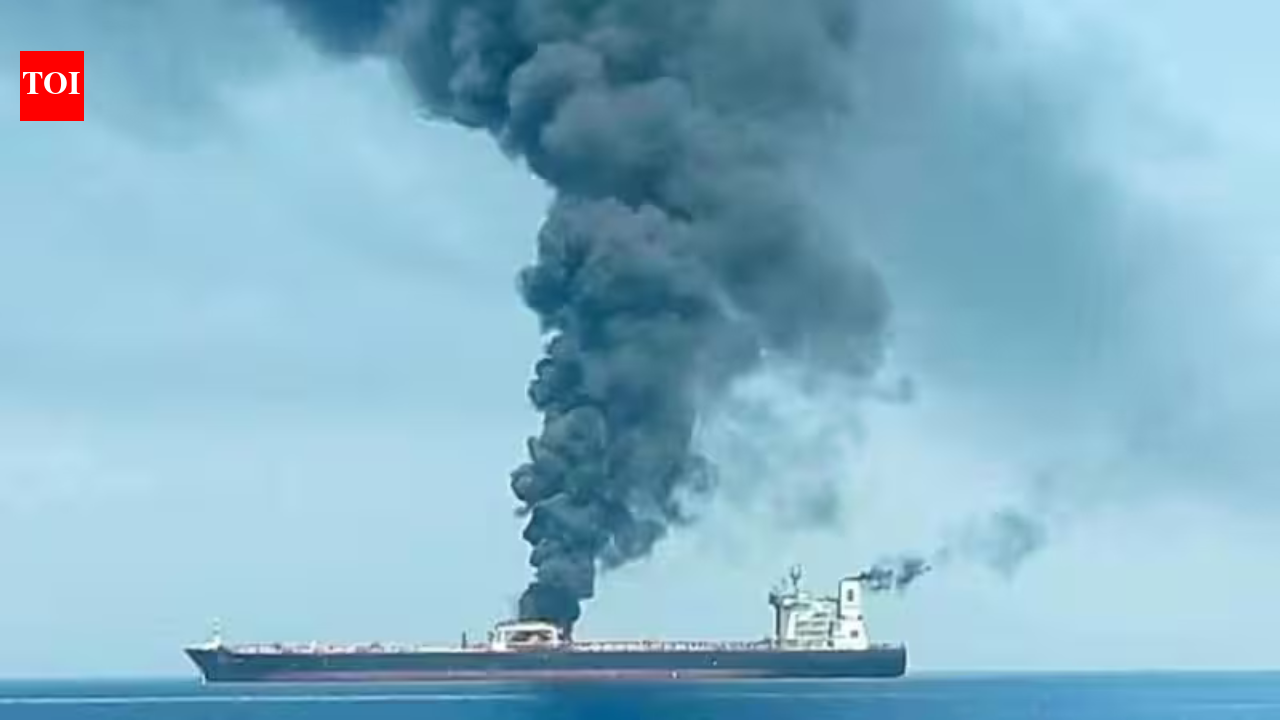
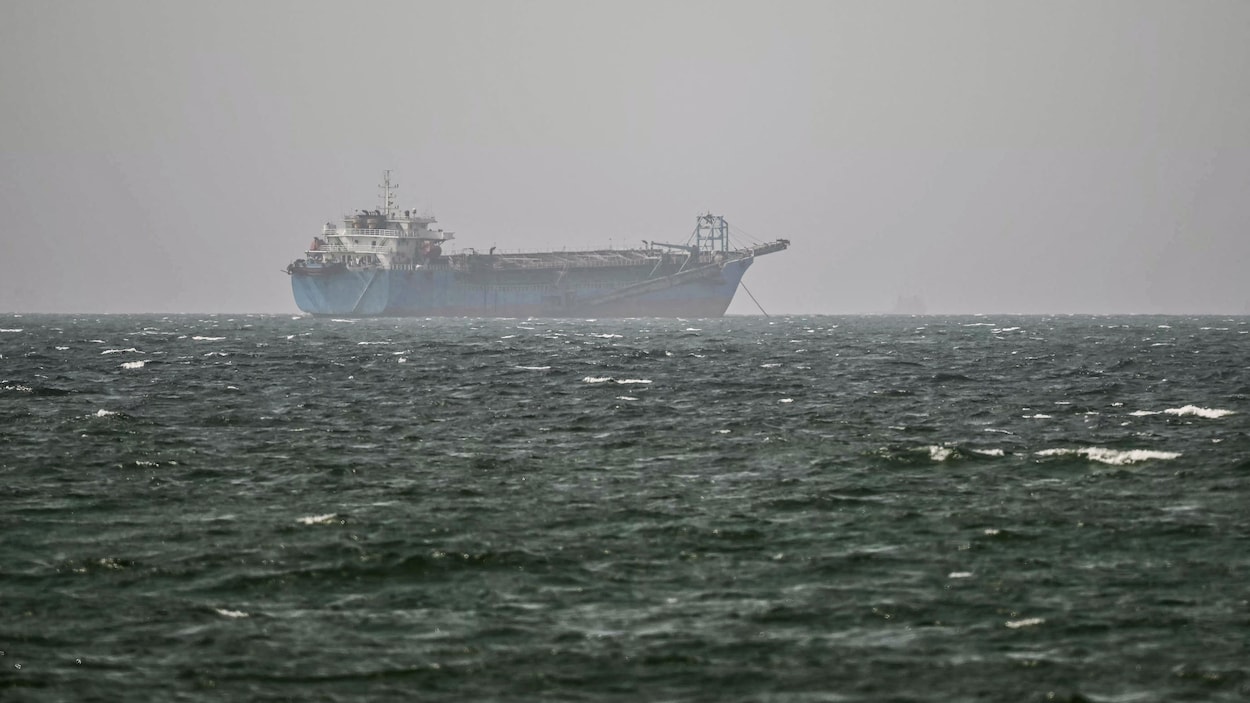
Despite the growth in exports, CGA CEO Boitshoko Ntshabele said that the industry was still facing challenges in the current export season. These include the conflict in the Middle East and disruptions in the Strait of Hormuz, which have affected global trade patterns.
Producers are expected to export a record 210 million to 215 million 15kg cartons of oranges, lemons, mandarins and grapefruit this year. The export season usually runs between April and October.
“Currently, the impact of the situation in the Middle East on fuel costs and shipping routes is a concern which is placing significant pressure on grower margins. Growers also face unpredictable prices and market dynamics, rising input costs, as well as market access issues such as high tariffs and unscientific plant health measures,” he said in the statement.
READ | What crisis? Citrus growers expect another record year
The association also continued to call on government to increase market access to markets like the European Union (EU), the US, India and China, to improve margins for producers.
Last year, the US imposed a 30% tariff on all SA imports, including citrus, which previously faced zero tariffs under the African Growth and Opportunity Act (AGOA).
While the tariff was eventually suspended and certain citrus products, like oranges, were exempted, US president Donald Trump imposed a blanket 10% tariff on all US imports in February this year. The 10% tariff is expected to expire in July 2026.
Meanwhile, both SA and the EU – which is SA’s largest export market for citrus – have been involved in a lengthy dispute over phytosanitary requirements for citrus exports against false codling moth and citrus black spot. The requirements have forced citrus producers to pay an extra R3.7 billion per year to meet them.
However, there has been evidence of greater market access for citrus exports this year. In April, China said it would introduce new rules for fruit exports, which will see the Asian country reduce its stringent cold-temperature requirements for SA’s citrus exports, with exports also expected to benefit from a zero-tariff regime.
China imported R2.1 billion worth of citrus from SA last year – with SA representing almost one-third of its citrus imports.
Severe weather
The citrus association has also said that recent heavy rain and flooding in the Eastern and Western Cape are expected to hurt citrus producers during the ongoing export season, with farmers left with damaged infrastructure and uprooted trees.
Early estimates from the CGA found that 10% to 12% Gamtoos Valley crop in the Eastern Cape has been impacted by severe weather conditions. Areas like Citrusdal in the Western Cape are also expected to experience the highest flood levels ever. However, key infrastructure across main routes has been largely operational, the association said.
Ntshabele said the events were a significant setback for the industry, which has already been dealing with global trade uncertainty.
He said in a statement: “The disruption caused by the floods in the two provinces is expected to be felt most acutely in the soft citrus category, as early mandarin harvesting was ramping up when the rains arrived.”
He added: “These developments come at a challenging time for growers, who are already facing softer demand in the key export market of the Middle East, as well as rising input and logistics costs. What had been shaping up as a strong season now requires high levels of adaptability and responsiveness.”





















 English (US) ·
  French (CA) ·
  French (FR) ·