

 1 month ago
20
1 month ago
20
PROTECT YOURSELF with Orgo-Life® QUANTUM TECHNOLOGY
Orgo-Life the new way to the future Advertising by AdpathwayMOROCCO · ECONOMY
Key Facts
—The bill: Morocco has earmarked more than $23 billion for projects tied to the 2030 World Cup.
—The stadium: Plans include a 115,000-seat stadium near Casablanca, billed as one of the world’s largest.
—Tourism target: Morocco aims for 26 million visitors by 2030, up from a record 17.4 million in 2024.
—No oil: Lacking major oil or gas, Morocco is selling stability and connectivity instead.
—Market reform: The Casablanca exchange is adding derivatives trading as it deepens its capital market.
—The friction: Youth-led protests have criticised prestige spending over schools and hospitals.
Morocco is making one of Africa’s boldest economic bets. With more than $23 billion earmarked for the 2030 World Cup, the kingdom is wagering that stadiums, airports and financial reforms can remake its economy and cement its place as a bridge between Africa and Europe.
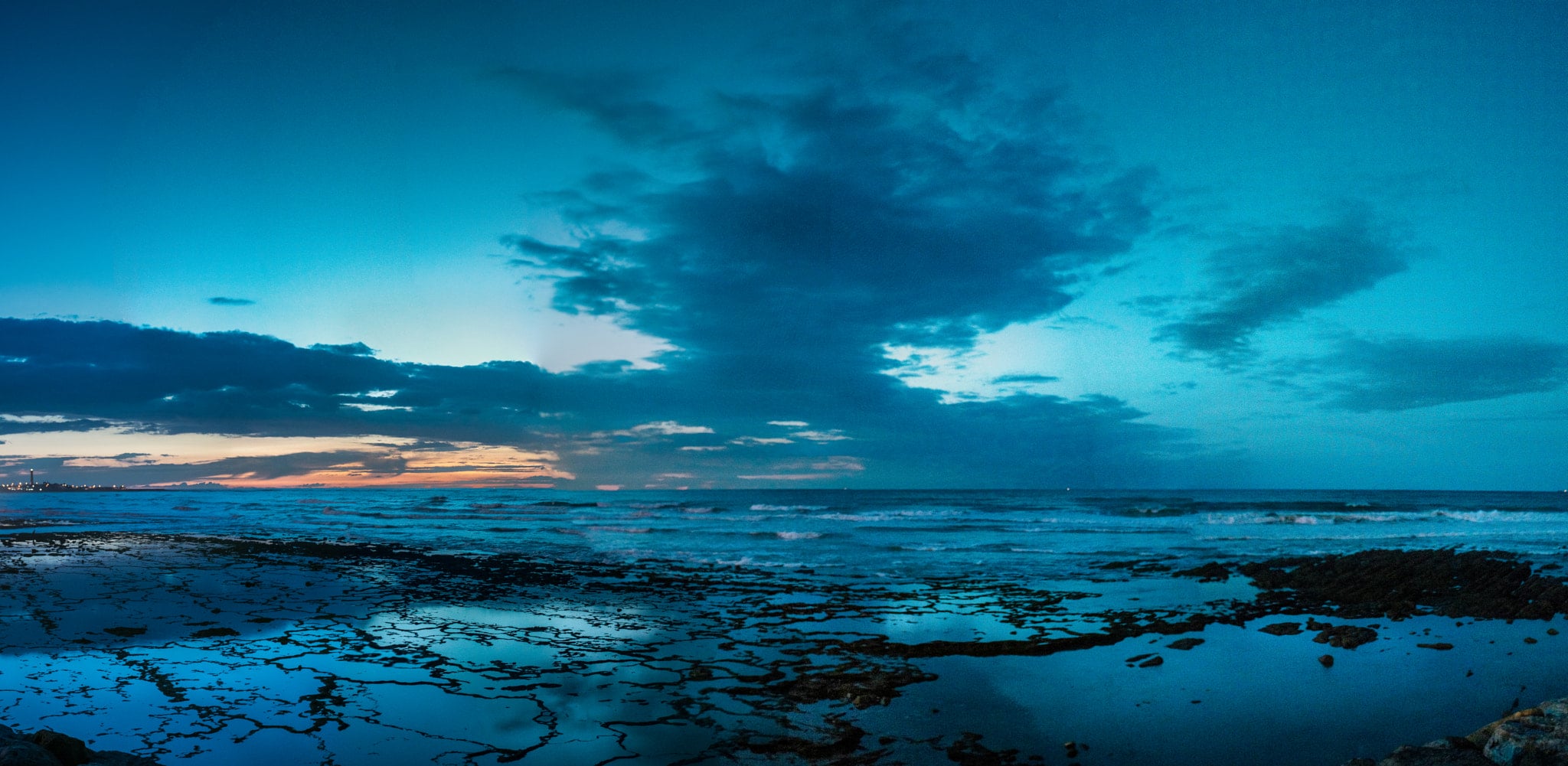
Morocco’s 2030 World Cup build-out
Morocco will co-host the 2030 World Cup with Spain and Portugal, and it is spending to be ready. The government has earmarked more than $23 billion for transport, tourism, stadiums and urban renewal.
The centrepiece is a planned 115,000-seat stadium near Casablanca, pitched as one of the largest in the world. Around it sit new highways, upgraded airports and expanded rail.
A country without oil
Unlike many hosts of big events, Morocco has no major oil or gas to lean on. It is selling something else: stability, location and connectivity.
The pitch is that a calm, well-connected Morocco can be a manufacturing and tourism hub on Europe’s doorstep. The World Cup is the showcase for that argument.
Phosphates, farming, cars and aerospace already anchor a diversified economy. The World Cup is meant to accelerate that shift, not start it.
Africa’s biggest stage
The 2030 tournament will be the first World Cup shared across three countries and two continents. Morocco is the African anchor of that arrangement.
For the continent, it is a rare turn in the global spotlight. The last World Cup on African soil was South Africa in 2010.
Betting on tourism
Tourism is central to the plan. Morocco wants 26 million visitors a year by 2030, up from a record 17.4 million in 2024.
To get there, it is adding hotel rooms and upgrading the gateways that bring travellers in. The tournament is meant to be both a deadline and a marketing campaign.
Morocco already draws more visitors than almost any African country, giving it a base to build on. The World Cup is meant to push that lead further still.
Deepening the markets
Less visible, but just as telling, is the work on Morocco’s capital markets. The Casablanca Stock Exchange is introducing derivatives trading, a tool long associated with developed markets.
The aim is to give companies and investors more ways to manage risk and raise money. It is a quiet signal that Morocco wants to play in a bigger financial league.
A more sophisticated exchange could help Moroccan firms raise money at home rather than abroad. That keeps more of the upside inside the country.
A connective power
Morocco has spent years positioning itself as a link between continents, courting investment from Europe, the Gulf and beyond. Football has become part of that diplomacy.
Hosting the world’s biggest sporting event, alongside two European nations, dramatises the role Morocco wants to play. It is soft power with concrete and steel behind it.
The strategy fits a wider pattern of middle powers using sport and diplomacy to punch above their weight. Morocco wants to be seen as a hub, not a periphery.
The pushback at home
The spending has not gone unquestioned. Youth-led protests have criticised the priority given to stadiums and prestige projects over schools and hospitals.
It is a familiar tension for any government betting big on a global event. The promised jobs and growth have to arrive for the gamble to pay off.
Authorities counter that the spending will create jobs and modern services that outlast the tournament. The argument will be settled by what ordinary Moroccans feel in their daily lives.
The risk in the bet
Mega-events have a mixed record. Some leave host cities with debt and stadiums they cannot fill; others spark lasting growth.
Morocco’s case for the optimistic outcome rests on the everyday infrastructure, the roads, rail and airports, that outlast the football. Those are the investments that change an economy.
What to watch
The real test is whether the $23 billion leaves a lasting economy behind, not just a month of football. Stadiums can become white elephants; airports and rail tend to outlast the tournament.
Morocco is wagering that the hard infrastructure, and the image of a modern, open economy, will pay dividends long after the final whistle.
Frequently asked questions
How much is Morocco spending on the 2030 World Cup?
Morocco has earmarked more than $23 billion for projects tied to the tournament, spanning transport, tourism, stadiums and urban renewal. It will co-host with Spain and Portugal.
What is Morocco building?
Plans include a 115,000-seat stadium near Casablanca, new highways, upgraded airports and expanded rail. It is also adding hotel capacity for tourists.
Why is Morocco betting on the World Cup?
Lacking major oil or gas, Morocco is selling stability and connectivity to draw investment and tourism. It aims for 26 million visitors a year by 2030.
Is the spending controversial?
Yes. Youth-led protests have criticised the priority given to prestige projects over schools and hospitals.
The Rio Times · Power Map
See who really holds power in Latin America
Click to open the Power Map →









 English (US) ·
  French (CA) ·
  French (FR) ·