

.svg) 2 months ago
61
2 months ago
61
PROTECT YOURSELF with Orgo-Life® QUANTUM TECHNOLOGY
Orgo-Life the new way to the future Advertising by Adpathway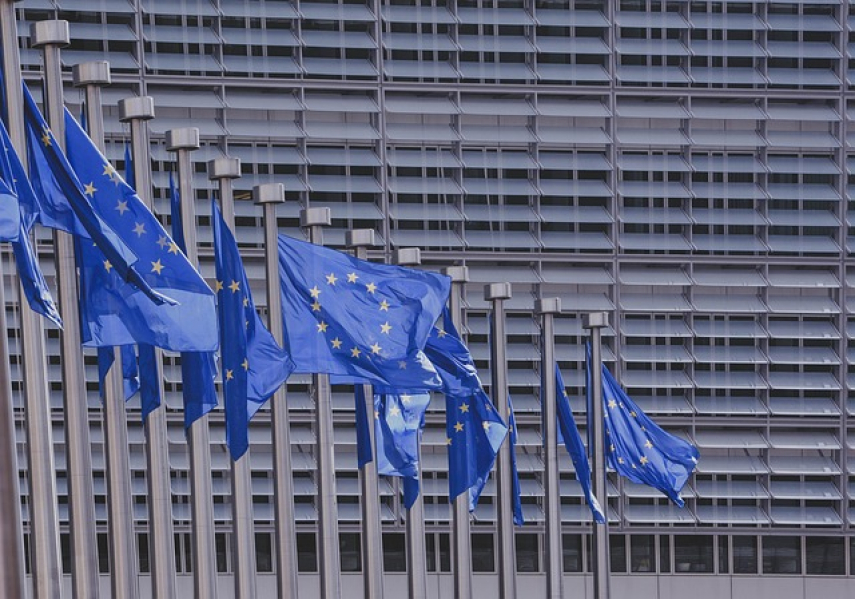
Photo: Pexels from Pixabay
TALLINN - The European Parliament has approved its negotiating position and is ready to start final negotiations with the Council on creating the digital euro to reduce dependency on non-EU service providers.
The main points of the European Parliament's position are as follows.
The European Central Bank (ECB) should introduce a new electronic form of money - the digital euro - which could be used for both online and offline transactions.
It should be possible to make transactions in the digital euro without disclosing personal data. Personal data should only be processed to the extent necessary for the system to function, ensuring user privacy.
Businesses should be obliged to accept the digital euro as a means of payment, with an exception for sole proprietors as well as small and micro-enterprises that do not use other digital payment options.
Basic services should be free for the customer, including opening an account, depositing and managing funds, and having access to at least one payment instrument.
To protect the financial system, a cap should be introduced on the amount of digital euros an individual can hold.
Banks and payment service providers in non-euro EU member states should also be allowed to distribute the digital euro.
Euro area countries should be required to keep cash available, and businesses should be obliged to accept cash. Countries should monitor the availability of cash, paying special attention to vulnerable groups, including the elderly, low-income individuals, and those without access to the traditional banking system.
The creation of the digital euro is being prepared as part of a single currency legislative package, which includes three legal acts: a regulation on the establishment of the digital euro, a regulation on the provision of digital euro services by payment service providers in non-euro area member states, and a regulation on the legal tender status of euro banknotes and coins.
The Parliament's position on the creation of the digital euro was adopted in plenary with 416 votes in favor, 169 against, and 22 abstentions. More information on the Parliament's position can be found here, and the texts adopted in plenary will be published here.
Next steps
The Parliament will soon begin negotiations with the Irish Presidency of the Council on the introduction of the digital euro and its final details. The negotiations will be led on behalf of the Parliament by rapporteur Fernando Navarrete Rojas (EPP, Spain).






















 English (US) ·
  French (CA) ·
  French (FR) ·