

 2 months ago
75
2 months ago
75
PROTECT YOURSELF with Orgo-Life® QUANTUM TECHNOLOGY
Orgo-Life the new way to the future Advertising by AdpathwayCentral America · Climate
Key Facts
- Guatemala hunger 3.2 million people — about 17% — face acute food insecurity in July–September 2026, per SESAN.
- Honduras crisis 1.8 million already affected, and up to 2.2 million possible by year-end, per UNAH.
- Global warning A stronger El Niño could add 49 million people to acute hunger worldwide, per the WFP.
- Regional reach More than 16 million people affected in Latin America and the Caribbean, with Central America the sharpest riser, per the WFP.
- Emergency declared Marcovia, in southern Honduras, cited 15,000 families hit by drought and crop loss.
- Livestock losses More than 400 cattle have died in southern Honduras, reports La Prensa.
Drought is tightening across Central America’s Dry Corridor, and failed harvests are turning hunger into an everyday reality.
If you follow Latin American markets or live in the region, the El Niño food crisis deserves your attention now. The parched fields of Honduras and Guatemala are already feeding through to grocery bills, migration pressure and regional stability — and the worst of the lean season is still ahead.
One-stop reference
Company Intelligence
Every listed company in Latin America — financials, ownership and structure for 1,450+ companies across 26 exchanges, in one place.
What is happening in the Dry Corridor
The Dry Corridor runs through Guatemala, Honduras, El Salvador and Nicaragua — a strip of land that has always known tough farming. But this El Niño is landing at the worst possible moment, bringing drought, erratic rains and extreme heat just as farmers should be planting maize and beans.
In Guatemala, the food-security secretariat SESAN, using the IPC/CIF phase scale, projects 3.2 million people — about 17% of the population — in acute food insecurity between July and September 2026. In practice that means skipping meals, selling off animals or tools, and eating less to get by.
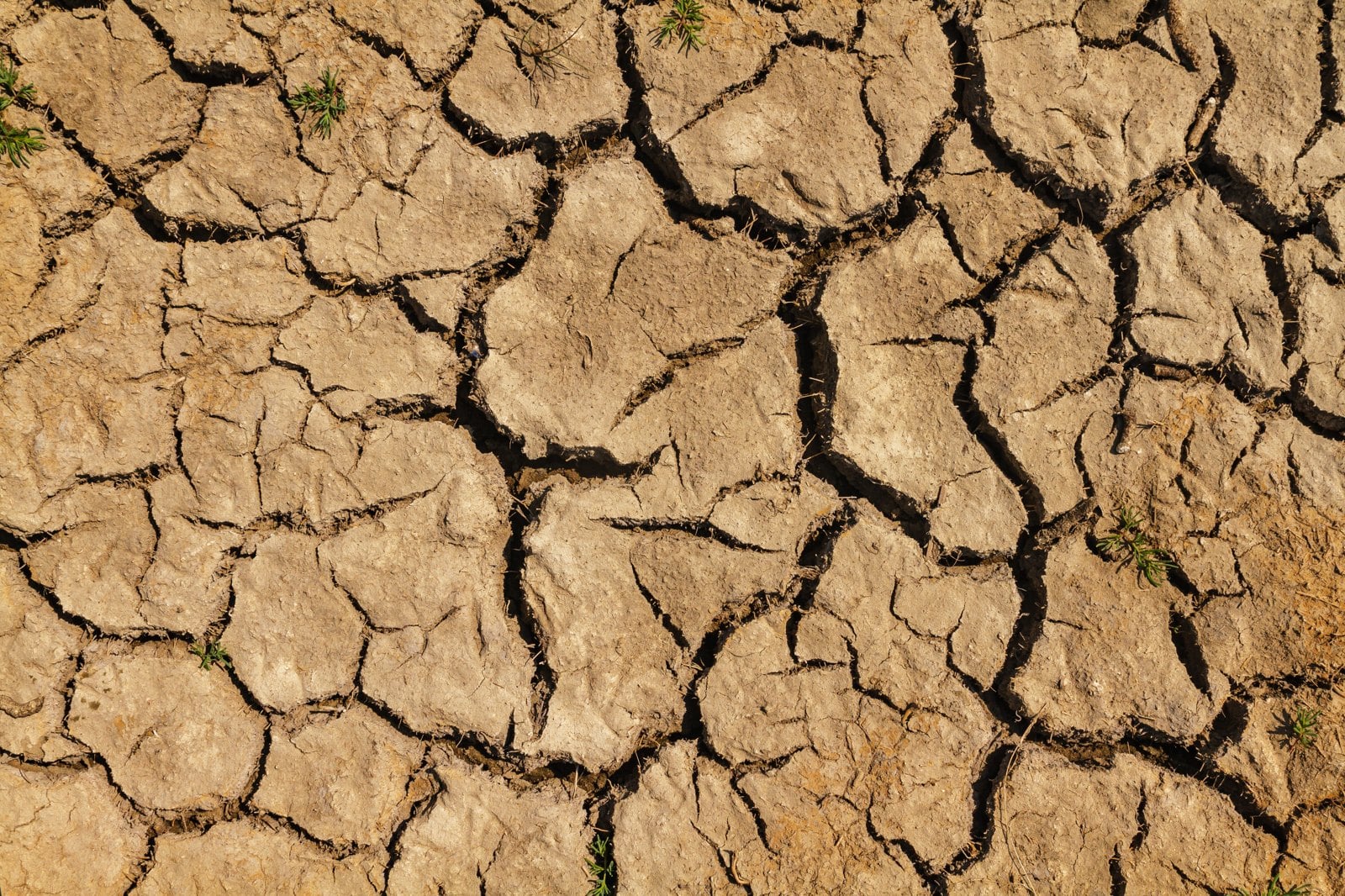
In Honduras, the crisis is already here. The food-security observatory at UNAH, the national university, estimated on August 6, 2026 that 1.8 million people face a food crisis today, a figure that could climb to 2.2 million by year-end if the rains stay away. These are families farming small hillside plots, dependent on a single harvest to eat for the year.
What the El Niño food crisis looks like on the ground
Talk to farmers in southern Honduras and you hear the same thing. The corn is stunted, the bean plants are withered, the wells are drying up. On August 5, 2026, the municipality of Marcovia in Choluteca declared a state of emergency for more than 15,000 families hit by water shortages and crop losses.
Honduras’s emergency agency COPECO has put 75 municipalities on yellow alert and 49 on green alert — a sign the strain is spreading well beyond one district. La Prensa reported on August 5, 2026 that the drought has already killed more than 400 head of cattle, and warned of higher prices for grains, milk and meat in the months ahead if the rains do not return.
This is not just a bad season. FEWS NET’s El Niño 2026–2027 outlook flags the Dry Corridor as a zone of concern. The region is still recovering from earlier climate shocks, and high fuel and fertilizer prices make it far harder for small farmers to bounce back. They are caught in a trap: no rain to grow food, and no money to buy it.
Why this matters for Latin America and investors
A drought in rural Honduras is not a local footnote. The Dry Corridor is a major source of staple food for the region, so when maize and bean harvests fail, prices climb in markets from Guatemala City to San Pedro Sula. That hits urban families too, and feeds inflation in economies that are already stretched.
There is also a slower consequence: migration. Drought, crop loss, poverty and hunger are well-documented drivers of migration pressure from the region — when people cannot feed their children, they move. That means more strain on borders and more political noise across the hemisphere. For investors, the takeaway is plain: Central American food supply chains are exposed to climate shocks, and prices can spike fast. The WFP warned around August 5–6, 2026 that a strengthening El Niño could push an extra 49 million people worldwide into acute food insecurity, lifting the global total to about 274 million by the end of 2027. For Latin America and the Caribbean, it put the figure at more than 16 million people affected, with Central America projected to see the largest proportional increase. That is not a distant scenario — it is happening now.
Aid agencies are already repositioning. The WFP says it is scaling up preparedness across the region, and Honduras has begun channelling emergency support to the hardest-hit municipalities. But funding for these responses is chronically tight, and the lean season — when last year’s stocks run out before the new harvest — is only beginning. The next rains, or their absence, will decide how deep this crisis runs.
Frequently Asked Questions
Which countries are most affected by the El Niño food crisis?
Guatemala and Honduras are the hardest hit this cycle, across the Dry Corridor. Guatemala’s SESAN projects 3.2 million people in acute food insecurity between July and September 2026, and UNAH estimates 1.8 million in Honduras, potentially rising to 2.2 million by year-end.
How does El Niño cause food shortages?
El Niño shifts weather patterns, bringing drought to some areas and heavy rain to others. In the Dry Corridor it means below-average rainfall and higher temperatures, which damage maize and bean harvests. FEWS NET adds that weak recovery from earlier shocks and high fuel and fertilizer prices make the impact worse.
What is the global scale of this El Niño event?
The WFP estimates that a strengthening El Niño could push an additional 49 million people worldwide into acute food insecurity, bringing the global total to about 274 million by the end of 2027. In Latin America and the Caribbean, it expects more than 16 million people affected, with Central America seeing the largest proportional rise.
Sources: Guatemala’s SESAN (IPC/CIF); OBSAN-UNAH (Honduras); UN World Food Programme; FEWS NET; COPECO; La Prensa (Honduras).


















 English (US) ·
  French (CA) ·
  French (FR) ·