

 2 months ago
93
2 months ago
93
PROTECT YOURSELF with Orgo-Life® QUANTUM TECHNOLOGY
Orgo-Life the new way to the future Advertising by Adpathway
After a busy six months of riding this spring and summer, Neil has had ample time with all kinds of gear. Featuring some surprising selections, his latest Editor’s Dozen runs the gamut from small, inexpensive items to higher-priced picks that emphasize a “buy once, buy right” ethos. It highlights an array of helpful, unique, and interesting stuff. Browse his full list here…
It’s been an incredibly busy spring and summer, filled with plenty of riding, some fun bikepacking trips, and a whole lot of gear testing. In my latest Editor’s Dozen, I’m highlighting 12 of my favorite products, including gear I’ve brought along on rides and a few things I’ve been enjoying closer to home. Check out the video below for a run-through of everything, followed by a written version with photos.
Revelate Underpackers
73 grams (per pair) / $29 at Revelate Designs
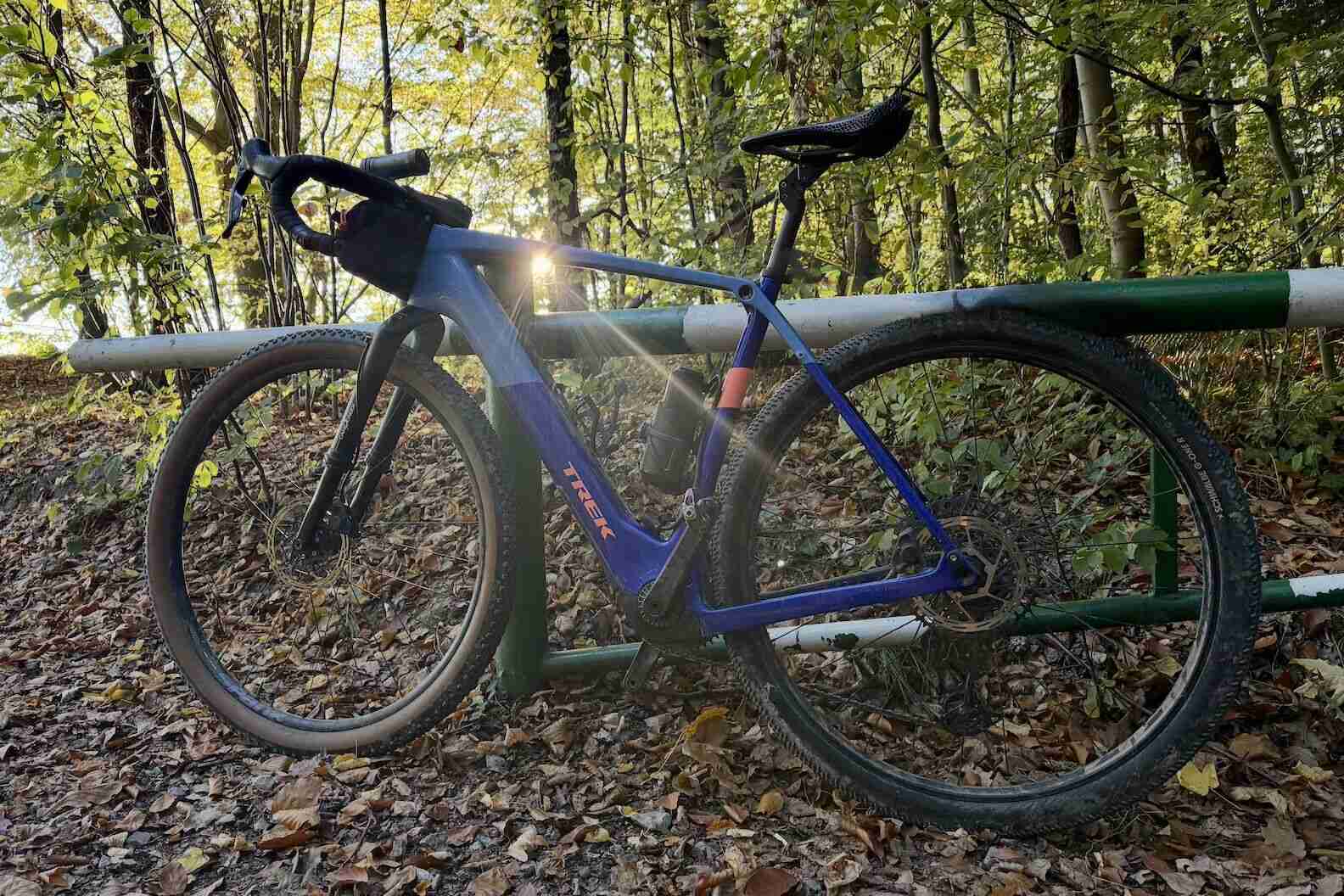
We’ve reached a point in the bikepacking world where there seems to be a product for nearly everything. Still, when I was packing my bike for the Colorado Trail a few weeks ago, I struggled to find a secure way to mount a bottle beneath the downtube. My bike has no downtube bosses, and most modern carbon bikes don’t offer them. Heck, even many steel and titanium full-suspension bikes don’t.

There are plenty of ways to add makeshift bosses, including Tailfin’s HydroMounts and similar options, but I didn’t want to install a mount and then attach a cage on top of it. All I wanted was a simple way to strap my one-liter CNOC bottle to the downtube. Luckily, Eric Parsons had sent me a set of Revelate Underpackers last winter. The Underpackers consist of two TPU straps and pads designed to attach to oddly shaped downtubes, like those found on many carbon and aluminum bikes. The straps wrap around the frame, weave through the pads, and secure the bottle in place. Once attached, you can spread them apart or move them closer together, depending on the size and shape of your bottle. The system is simple, highly adjustable, and extremely secure. I rode through some seriously rough terrain with a full bottle, and the Underpackers never slipped or moved. Better yet, the bottle remained easy to access when I needed the extra capacity.
The Underpackers cost $29, and my dusty pair weighs 73 grams. They won’t work with every frame, but I think they’ll be a popular option for bikepackers riding carbon or aluminum bikes without downtube bosses.
Shimano GE900 Hot Seat Shoes
436 grams / $275 at Jenson USA
We all need shoes. Yet, there seem to be far too many options. I’ve been on the Shimano shoe train for the past several years, mainly because their offerings fit my long, relatively narrow feet. Between the GE and ME series, I’ve used several Shimano models, and they’ve consistently kept my feet happy. One of the newer options is the GE900 Hot Seat, which Shimano describes as a pro-level gravity racing SPD shoe. Despite that overly technical categorization, there are several practical things I really like about it.

First and foremost, it’s easy to get on and off with one Velcro strap and one BOA dial on each shoe. The BOA dial tightens the shoe, while the upper Velcro strap provides meaningful support and is easy to adjust on the fly. Secondly, the recessed cleat interface is protected, even with the cleat positioned all the way back. That rearward cleat position helps reduce movement around my Achilles, which is important on long rides. The protected cleat also prevents it from impeding my walking motion or scraping floors when walking. Lastly, the shoe has a small integrated gaiter—a feature I didn’t know I needed until I started using these shoes. It helps prevent rocks and debris from falling inside, which means fewer stops to remove irritating pebbles.
The GE900 is also relatively lightweight but still has enough padding and support for long days. I’ve been using these shoes for more than a year, and they’ve worked well for everything from extended pedaling to demanding hike-a-bikes. The midsole is stiff and supportive on the bike but still offers enough flex and grip for walking over rough terrain.
Topo Designs Mountain Hydro Hip Pack
376 grams / $89 at Topo Designs
If you’ve watched any of my videos, you’ve probably noticed that I’m wearing a hip pack in nearly every clip. It’s an essential part of the job because I have to carry a camera to get the clips you see on the channel. More specifically, a hip pack allows me to quickly rotate the bag to the front and pull out my camera. It is faster than reaching into a backpack and safer than attaching the camera directly to my bike. Over the years, I’ve tested roll-top packs, camera-specific bags, and smaller hydration-style options. Some were better than others, and I’ve tried loads of different styles.
The Topo Designs Mountain Hydro Hip Pack checks most of the necessary boxes. It has a large opening that fits my camera with a lens attached, and I can also usually squeeze my drone in there too, depending on the lens I’m packing. The oversized side pockets can hold water bottles, but when I’m bikepacking, I use those same pockets for a GoPro and spare batteries. On day rides, I’ll swap those items for a pump, tube, tire plugs, and a multitool.
The best part is how well the pack carries weight. The padding and side compression cords stabilize the bag against my lower back while keeping heavy camera gear supported and comfortable. I’ve been using it for about eight months, and it has shown no significant wear beyond a little discoloration. It also has exterior bungee cords for extra gear and a small zippered pocket that works well for something like a compact Leatherman. My only complaint is that the compression cords and bungees occasionally need to be loosened to access larger items in the side pockets. But it’s a sacrifice I’ll take for a sturdy, supportive hip pack. All told, the Mountain Hydro Hip Pack costs $89 USD and comes in a variety of neat color combos; if you like loud, vibrant colors, Topo Designs is a great option.
COBA Coffee Bars
15 grams / $20 at Garage Grown Gear
One of the most important parts of any trip is fueling. It’s also part of the fun. Some ride food is healthy, some decidedly less so, and then there are those moments when you simply need a boost. As a daily coffee drinker, I often turn to caffeine as a remedy when I feel less than ideal on the bike. Instant coffee covers the morning dose, and caffeinated drink mixes can work during the day. But, over the past eight months, I’ve been enjoying an entirely different way to caffeinate.
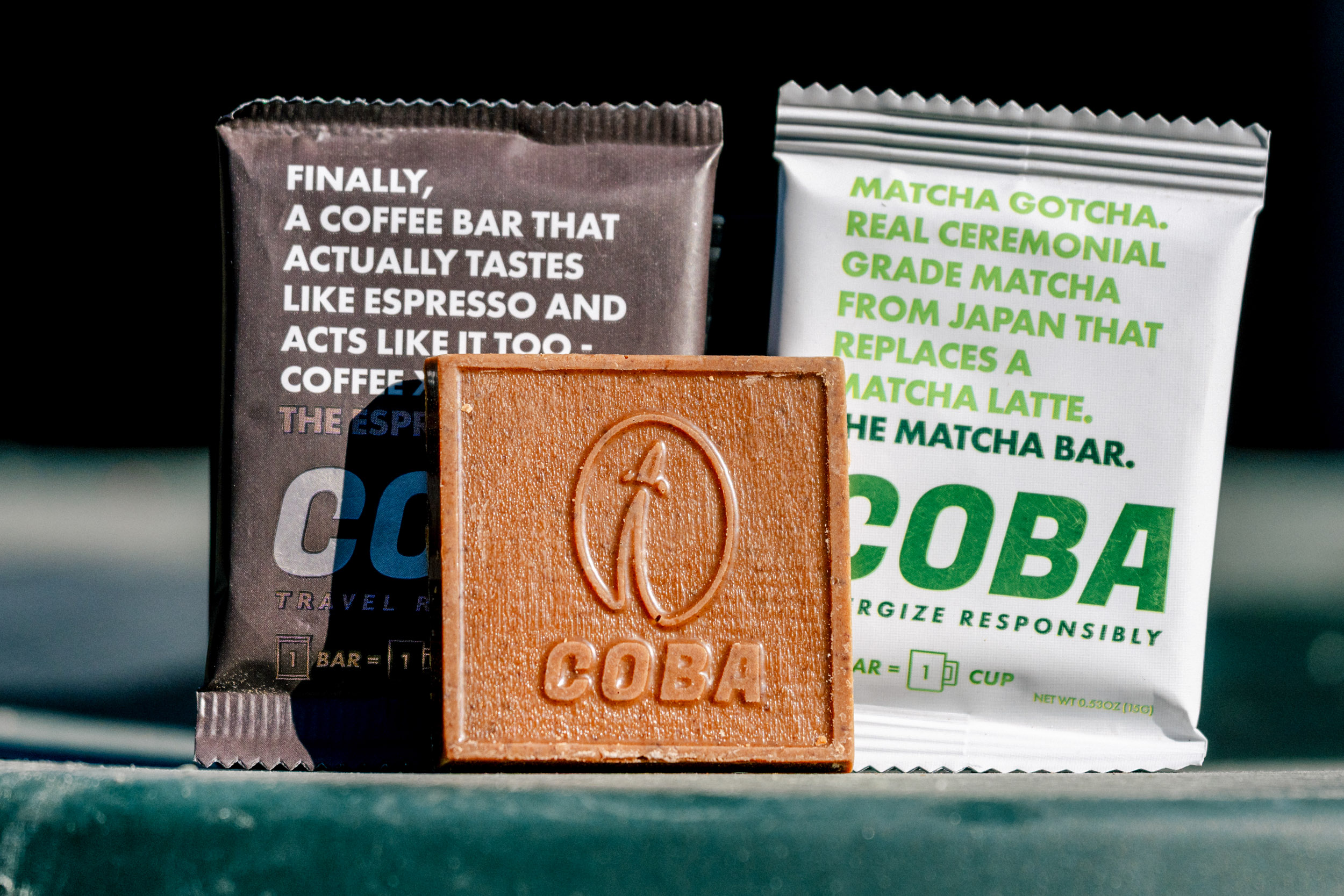
COBA coffee bars are a portable combination of coffee and chocolate, and each bar provides roughly the same caffeine boost as a shot of espresso. More importantly, they taste good. They’re not overly sweet, and I find them to have a nice, balanced flavor. They are easy to stash in a hip pack or top tube bag, require no water or preparation, and are easy to stomach when a drink mix sounds unappealing. I usually reach for one when my energy and motivation begin to dip. They provide a welcome boost without feeling like another piece of traditional ride food or a great replacement for a gel.
The Espresso Bars cost $19.95 for 8 or $39.99 for 20. COBA also offers chai, matcha, and hojicha varieties, along with a four-bar sampler for $10.
Sawyer Micro Squeeze
107 grams / $33 at Garage Grown Gear
As I mentioned last year with the LifeStraw Peak Series filter, I’ve returned to water filtration systems that can be backflushed. They offer better long-term value and can be restored more effectively when the flow rate begins to slow. In my experience, some self-cleaning filters dry out more quickly. When grit and debris dry inside, they can become difficult to remove, and the filter may never flow quite as well again. Regardless of the system, I recommend keeping your filter in regular rotation rather than storing it for extended periods.
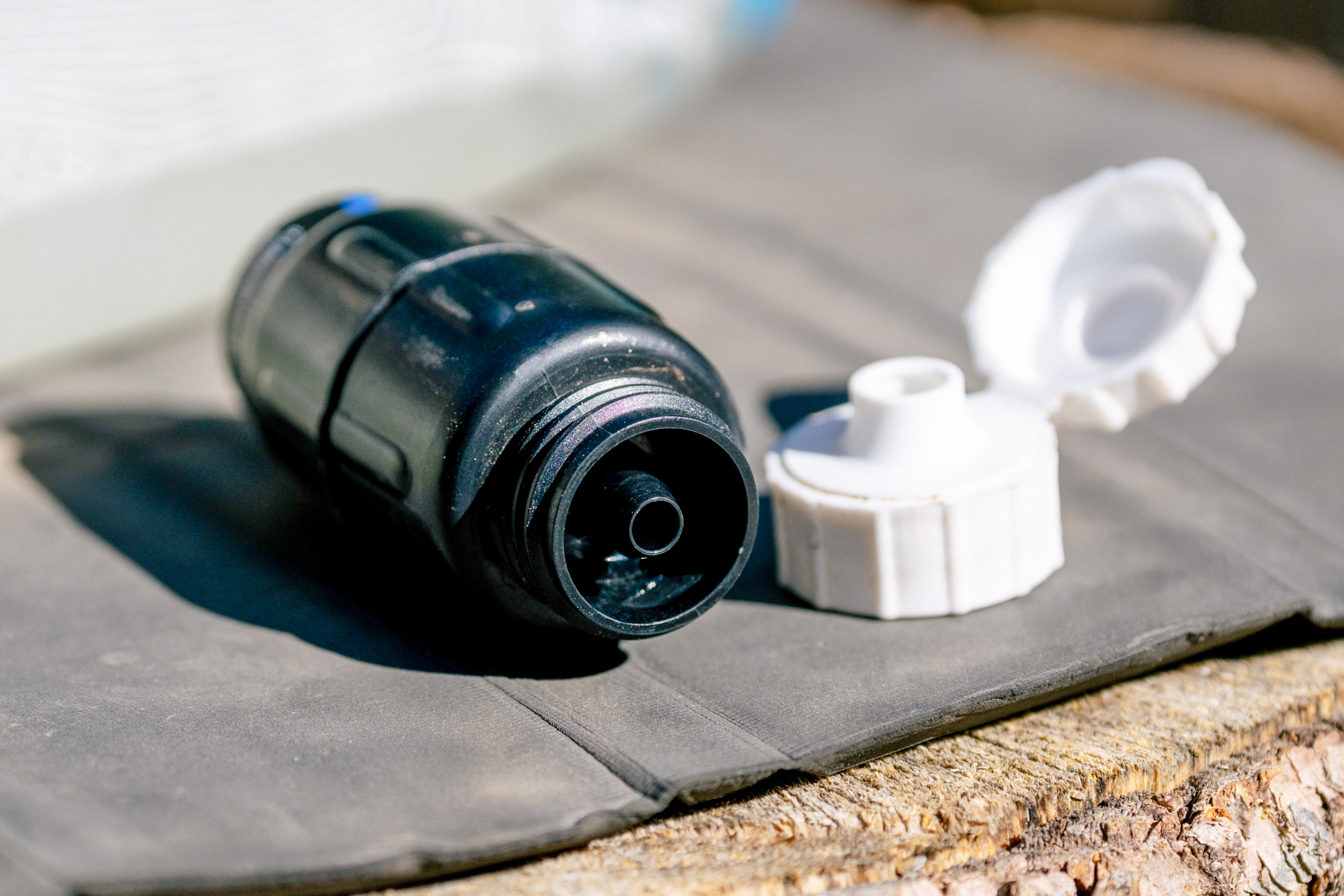
In the past, I’ve used the original Sawyer Squeeze, which was launched in 2012. This filter helped popularize this style of filtration system. It packed down small, filtered water from a compact bag, and generally did exactly what it needed to do. Back in 2018, the Micro Squeeze was launched; it uses a 0.1-micron filter, but they recently improved this setup to include a 750-milliliter CNOC soft reservoir. This system still utilizes the 28-millimeter bottle thread and screws directly onto the reservoir.
Compared to Sawyer’s older bags, the CNOC reservoir is much more malleable, which makes it easier to fill from shallow or slow-moving water sources. It also feels slightly more durable than the reservoir included with the Katadyn BeFree. I also like that the reservoir comes with a cap, allowing it to be used independently for water storage. The filter works with CNOC hard bottles too, providing a useful backup if the soft reservoir fails. Compatible bottles and reservoirs can also be connected with a coupler to create a gravity system.
The entire setup rolls into a compact package and weighs 107 grams with the filter saturated. At $49.95, this might be my favorite compact filter setup I’ve used to date.
NITECORE NB20000 Gen 3 Battery Bank
291 grams / $100 at Garage Grown Gear
I’ve always been frugal when it comes to power banks. My old Anker 5,000 and 10,000mAh packs still work, but keeping track of various cables and adapters has become increasingly annoying, as those use USB-A plugs and require micro-USB to charge them. In 2026, I finally transitioned everything I own to USB-C, including my phone, camera, drone, GoPro, GPS, watch, and inReach. That’s what makes the NITECORE NB20000 Gen 3 so useful for me. With two USB-C ports, I can bring one battery bank, one cable, and one wall plug. It’s less about the technology itself and more about convenience. Packing fewer pieces and having a more refined charging kit makes life on the bike much easier.

The NB20000 has, you guessed it, 20,000mAh capacity but weighs just 291 grams. It’s not light, but the capacity is fantastic. Its slim carbon-fiber composite shell feels solid without being bulky, and it slides easily into my hip pack or frame bag. It is also rated IPX5, so it can handle rain and splashing water, and folks are even using it in super cold temps, although I don’t have much experience with it in those conditions. I have, however, fully charged my phone four times on just one charge. I’m also finding that I can bring fewer spare batteries and recharge or top off my devices as needed. At $99.95, it’s not cheap. But it’s light, weather-resistant, and lets me simplify my charging setup, which has made it a worthwhile upgrade to my electronic kit.
Gossamer Gear Little Sit Pad
49 grams / $6 at Garage Grown Gear
I briefly mentioned this in my Colorado Trail rig video, but it deserves another mention because it might be the ticket for anyone short on packing space. I own seat pads from all kinds of companies. They all work, and they certainly make sitting around camp more comfortable. But when space is limited, I tend to leave them at home, only to regret that decision as soon as I reach camp. Even a small pad can make a big difference, and the beauty of the Gossamer Gear Little Sit Pad is that it can be folded and used in several ways. Unfold it completely for the most surface area, or fold it in half for additional padding beneath your sit bones.
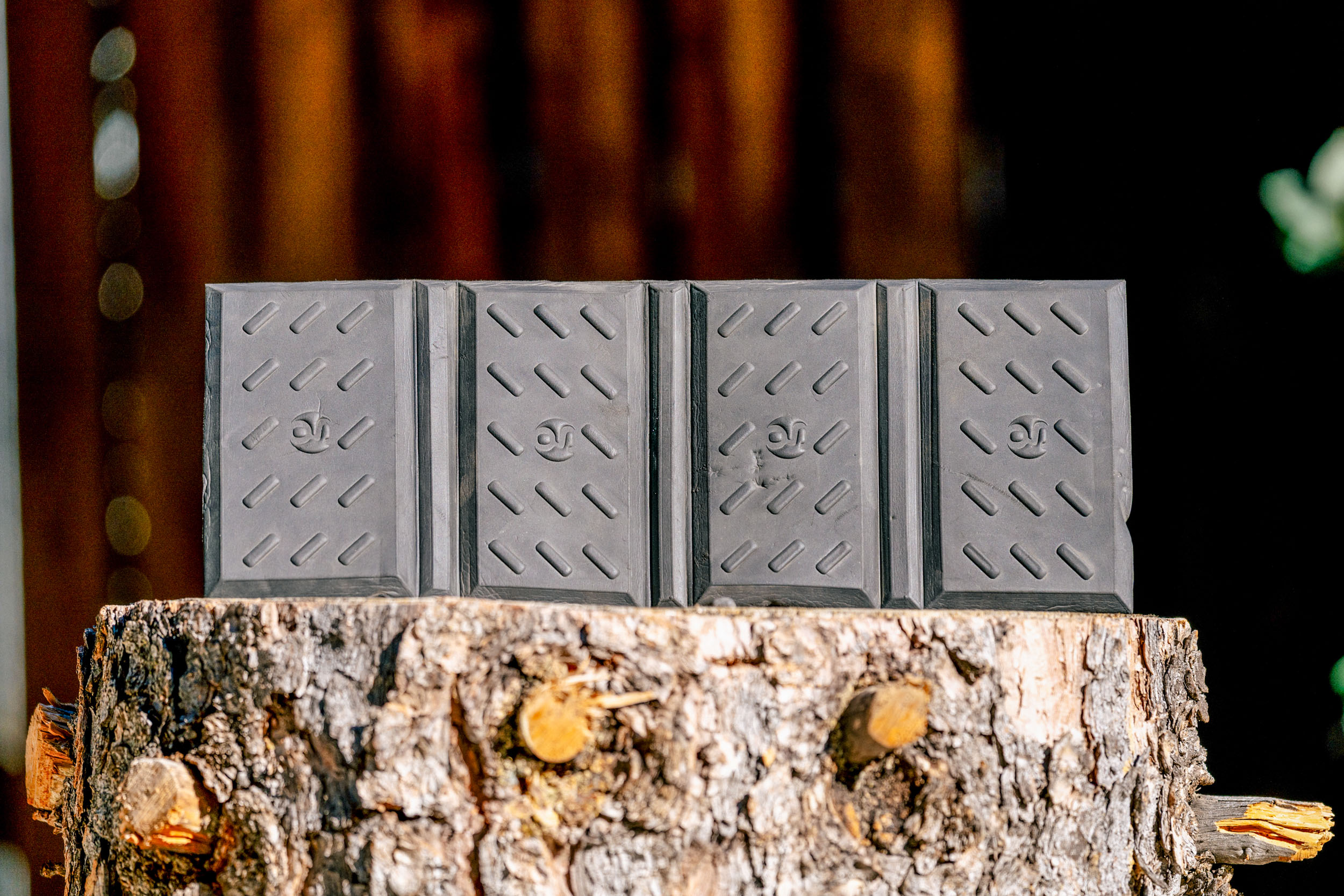
The key is keeping it somewhere convenient. When a sit pad is easy to reach, you are much more likely to use it throughout the day instead of saving it exclusively for camp. It has eight folding sections, weighs 49 grams when clean, and can fit into a variety of small spaces. Mine weighs 56 grams with a healthy amount of dirt on it. It has held up well so far, and I won’t feel bad about adding a little Gorilla Tape if it eventually begins to fail. At just $6, it is easily the best piece of gear for the money on this list.
Redshift Mousetrap Pedal Adapters
173 grams / $59 at Redshift
This is a product many people might not need, but it is quite handy in the right situations. When I purchased my first set of clipless pedals, they came with a cheap flat pedal adapter. It was awkward, but it allowed me to use my mountain bike for quick trips to the store. Eventually, I became comfortable riding flat shoes on clipless pedals. It wasn’t until I started using the Redshift Mousetraps that I remembered how nice it is to have proper support beneath your feet. They are especially useful when you own plenty of clipless pedals but few flat pedals, or when you’re too lazy to swap pedals for a quick ride.

Each Mousetrap is a composite platform that snaps into an SPD-style pedal. It measures 80 by 105 millimeters and is 10 millimeters thick. Once installed, it sits nearly level with the pedal’s clipless mechanism. They are incredibly easy to install and lock into place with a satisfying click. Built-in magnets also hold the pair together when they’re not in use.
The only downside is that the adapters tend to rotate downward when you step off the bike, meaning you need to flip the pedal over with your foot before getting back on. Redshift offers a four-pack for anyone who wants to install them on both sides. A two-pack costs $59, and a four-pack costs $99. They also come in several fun colors. I traded one with Miles so I could have a mismatched set.
Brautigam Long Titanium Spoon
17 grams / $20 at Garage Grown Gear
For years, I thought a spork was the tool for the job. “Surely, those little prongs are useful,” I thought. Eventually, however, I realized they were doing more harm than good. I was getting less food with each scoop, and the spork was even poking holes in my frame bag. So, I decided to see what a regular spoon could offer instead. I was right. I can reach the bottom of a freeze-dried meal, scrape out every last bite, scoop oatmeal from its packet, and mix everything easily. It turns out a spoon does the trick just fine.
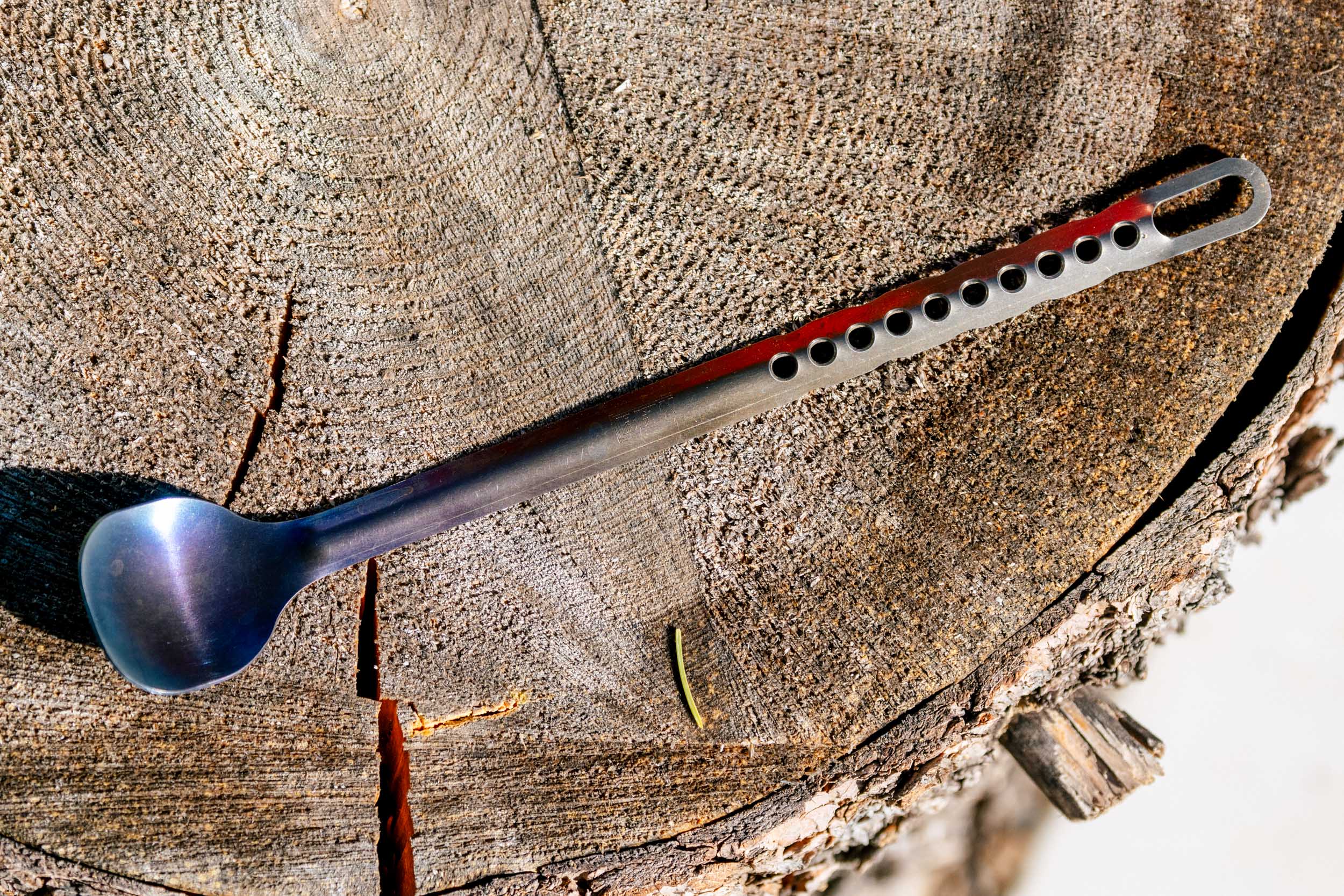
I found the Brautigam Expedition Works Long Titanium Spoon through Garage Grown Gear. Brautigam is a small Minnesota company founded by Pete Brautigam, specializing in handmade titanium utensils, stakes, camping tools, and hardware. I picked the long spoon because I eat plenty of dehydrated meals, and its 9.65-inch handle reaches the bottom of a meal pouch while keeping my hand away from the food and mess inside. The spoon is also made of lightweight titanium and has a well-sized spoon end that isn’t too large or too small. The handle is ergonomic and grippy, with thoughtful bends and cutouts that reduce weight and give your fingers something to hold onto.
The spoon weighs 17 grams and sells for $20 through Garage Grown Gear. It might be a little more than some other offerings out there, but most camp utensils aren’t handmade in the United States by a talented craftsperson like Pete.
Glacial Gear Trail Rag
19 grams / $30 at Garage Grown Gear
I’ve used the same cook kit for over three years: a Luxada 650-milliliter titanium mug paired with a lightweight BRS stove. A small isobutane canister fits inside the mug, and the stove and a mini Bic lighter fit inside the storage bag on top of my isobutane, followed by a lid.
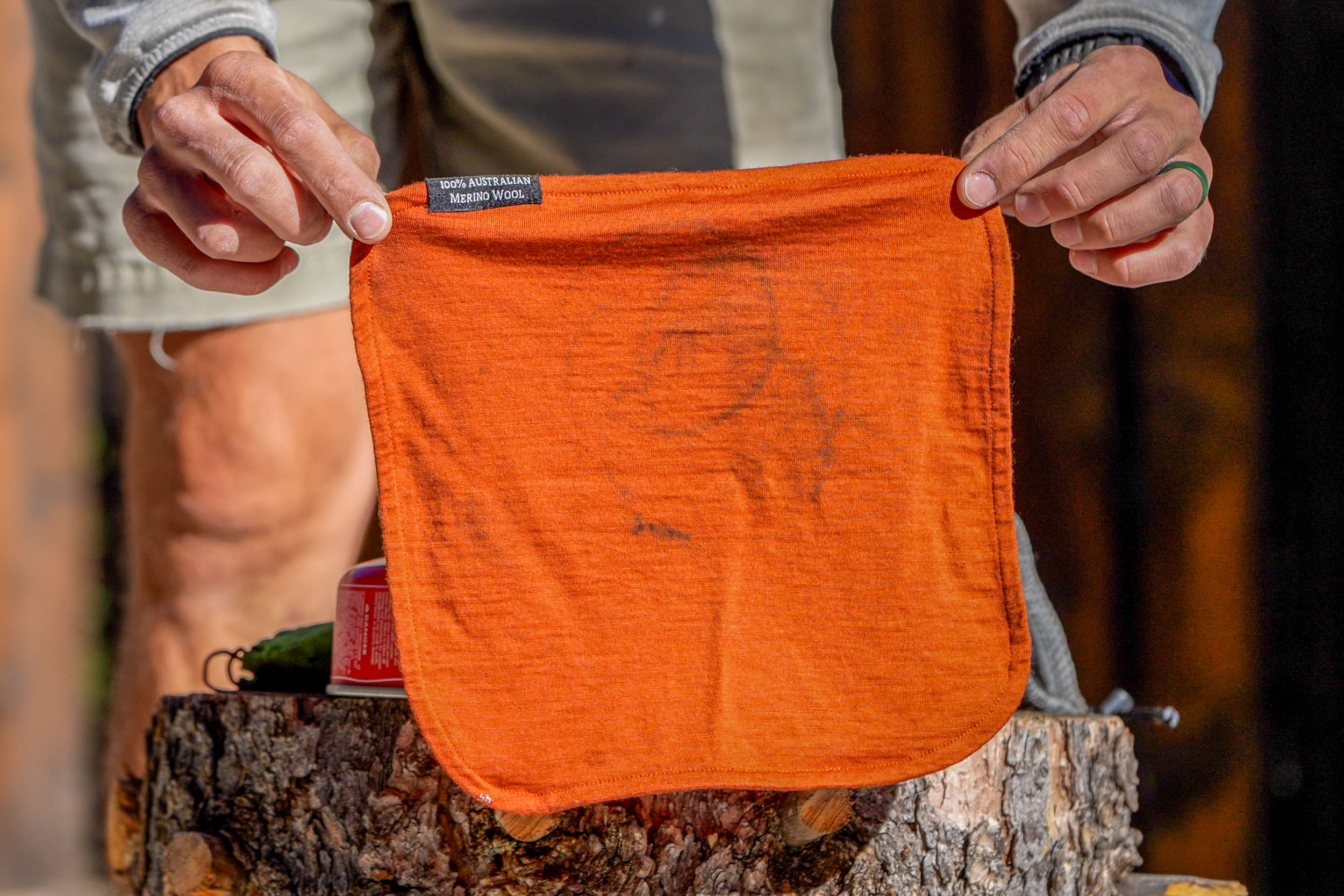
The system has worked well, but one thing was always missing. I wanted something that could clean the mug while also keeping the entire kit quiet and rattle-free. Few things are more annoying than listening to a fuel canister ding against a titanium mug over every bump. In the past, I used a small rag or a piece of shop towel. But I wanted something that could handle a warm mug, clean the cook kit, and double as a small towel for my face. It could even help strain grit from water if my filter failed and I needed to use Aquamira. That’s where the Glacial Gear Trail Rag comes in. It’s made from 100 percent Australian merino wool, feels incredibly soft, weighs very little, and packs down remarkably small.
Mine has joined me on every trip this year, and I’m considering buying another so I can keep one dedicated to my cook kit and another for personal use. The rags come in several shapes, sizes, and colors—the version I have costs $30, and the standard Trail Rag costs $20.
Fabric Drinks
378 grams / $30 at Fabric
I like keeping a few kinds of beverages in the fridge. Seltzers, beer, THC drinks, and non-alcoholic options are all part of the mix. It is nice to have some variety when friends come over, but frankly, most of it is for my own enjoyment. I don’t drink nearly as much alcohol as I once did. Once you have kids, you have less time to put your feet up and more reason to remain focused and present. That is part of why I’ve come to appreciate a good non-alcoholic drink. You can have one at any time of day, and it still feels like a special treat with a meal or after a ride.
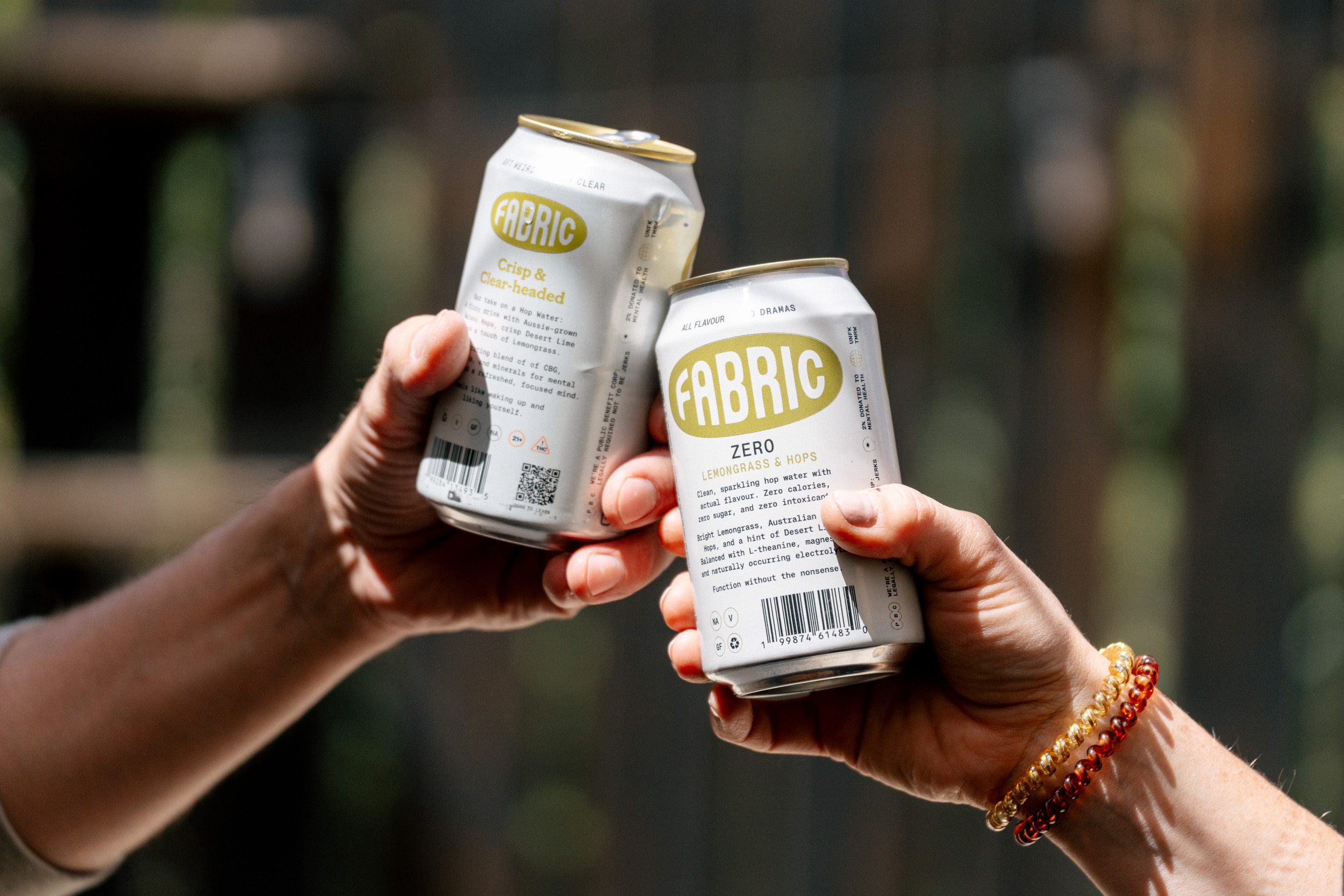
My favorite post-ride drinks lately have come from Fabric, which makes both non-alcoholic and cannabinoid-infused beverages. The one I drink most often is Zero. It contains no alcohol, calories, or sugar, and each can includes 150 milligrams of L-theanine. I find that it helps me settle down when my anxiety is running a little higher, and it pairs surprisingly well with an afternoon espresso. Zero also contains magnesium and naturally derived electrolytes.
Another favorite was Fabric’s CBG drink, which has unfortunately been discontinued. CBG is non-intoxicating, and for me, the drink provided a nice balance of focus and relaxation without the jitters. I hope they bring it back, as it’s the drink I crack open when I need some focus.
I also regularly reach for Fabric’s Original, which contains 1.5 milligrams of THC, 5 milligrams of CBG, and 25 milligrams of CBD. It is delicious and provides a subtle shift in mood without the disorientation that can come with higher doses, while still delivering all the benefits of CBD. Zero ships nationwide, while the cannabinoid-infused options are available only to customers 21 and older in states where hemp-derived products can legally be sold. If you’re into fun beverages, Fabric is a good one to check out.
Bikepacking with New Mates
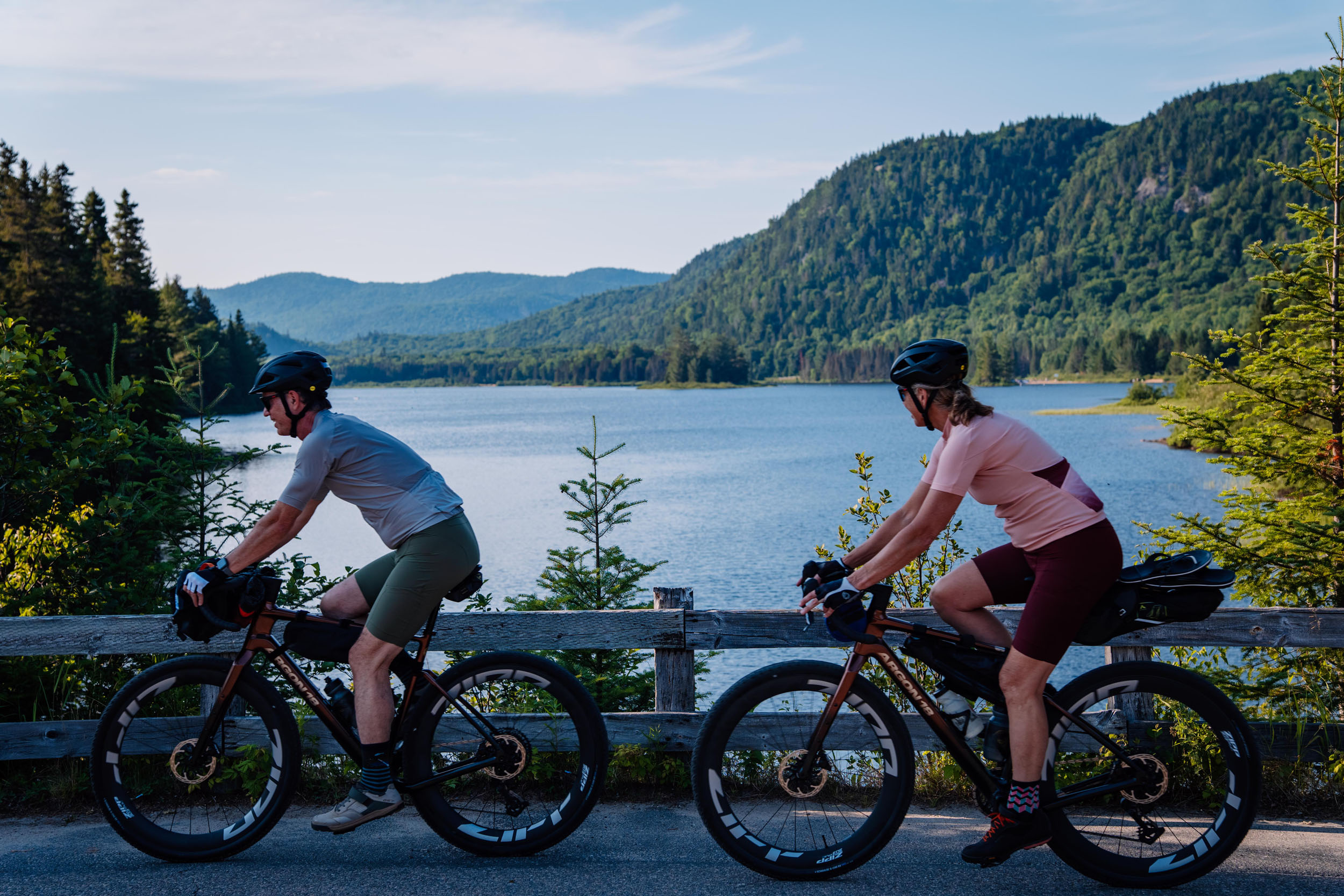
One thing I’ve been pretty bad at over the last few years is getting out of my comfort zone and bikepacking with different people. Recently, my main bikepacking buddy, Eric Dabbert, moved from Crested Butte to Steamboat to work for Moots. Not only was he my best friend here in the valley, but he was also my go-to bikepacking partner. Whenever I had a trip in mind, I would invite him. More often than not, he could make it.
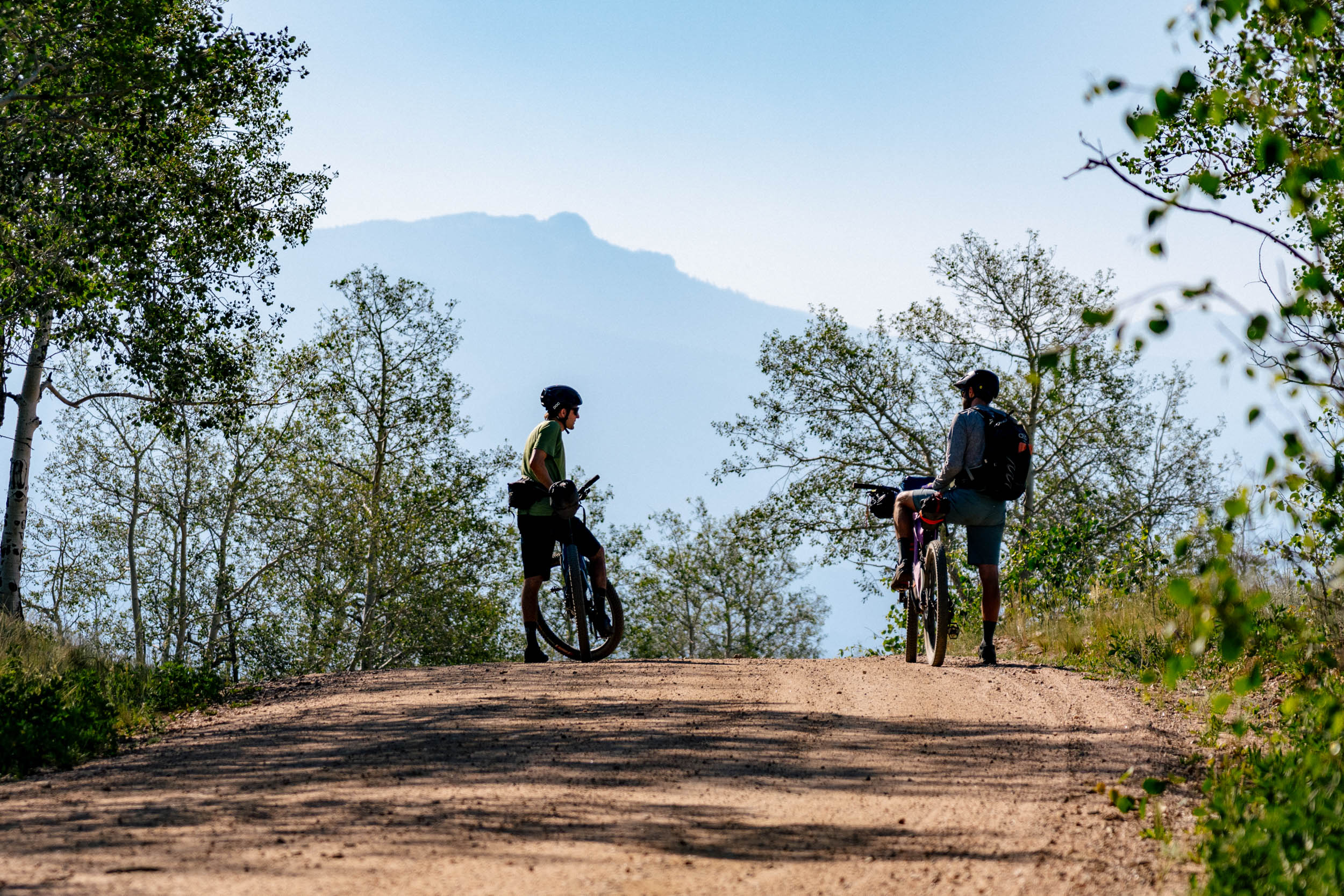
As I said in my last video about breaking all of my own rules, bikepacking with friends is just better. It creates a bond, helps carry you through challenging moments, and is more fun. Since this winter, many of my trips have been with new bikepacking partners. Some have plenty of experience, while others are newer to it. Either way, the more people riding bikes with gear strapped to them, the better. I’m grateful for these new relationships, these friendships, and the people who are willing to come along. So, this year and going forward, I want to keep riding with new friends and like-minded people who share the same simple goals: pedal, sleep outside, and repeat. As I’ve said before, there is no better activity than a human-powered adventure.
Further Reading
Make sure to dig into these related articles for more info...
Please keep the conversation civil, constructive, and inclusive, or your comment will be removed.













 English (US) ·
  French (CA) ·
  French (FR) ·