

 1 month ago
57
1 month ago
57
PROTECT YOURSELF with Orgo-Life® QUANTUM TECHNOLOGY
Orgo-Life the new way to the future Advertising by AdpathwayBRAZIL · ECONOMY
Key Facts
—What happened: Brazil’s 2027 budget proposal goes to Congress on Monday with an effective primary surplus of R$18 to 20 billion (US$3.5 to 3.9 billion).
—What “effective” means: The surplus counts every expense, including items normally discounted from the official fiscal target.
—The catch: At about 0.1 percent of gross domestic product, the effective result still falls short of the official target.
—The official target: The 2027 goal is a surplus of 0.5 percent of GDP, or R$73.2 billion (US$14.2 billion), with a tolerance band either way.
—Who gets help: Officials briefed a federal injection of R$6 billion (US$1.2 billion) into Correios, the loss-making postal service.
—What comes next: Planning Minister Bruno Moretti delivers the proposal on Monday, the first budget covering the next president’s term.
Brazil’s government will send Congress a 2027 budget on Monday that promises something critics have demanded for years: a surplus even after all the accounting exceptions are counted. The catch is that the number, 0.1 percent of GDP, stays well below the official target.

One-stop reference
Company Intelligence
Every listed company in Latin America — financials, ownership and structure for 1,450+ companies across 26 exchanges, in one place.
A surplus “for real”
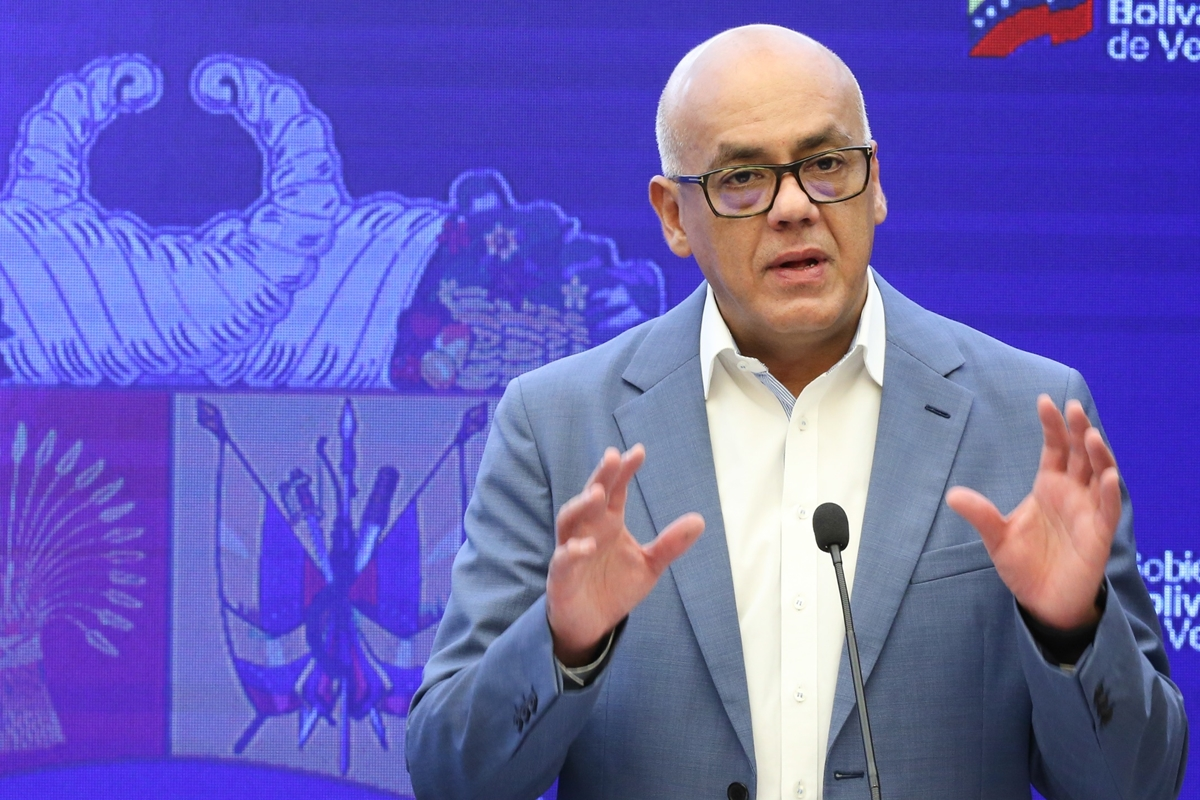
Planning and Budget Minister Bruno Moretti previewed the numbers ahead of Monday’s delivery. The 2027 budget will carry an effective primary surplus of R$18 to 20 billion (US$3.5 to 3.9 billion).
A primary surplus means the government collects more than it spends, before interest payments. It is the main gauge investors watch for Brazil’s ability to pay its debts.
The word “effective” is the heart of the announcement. This figure counts all expenses, including those the law lets the government discount when calculating its fiscal target.
“Regardless of spending freezes or not, my accounts deliver a full surplus,” Moretti said. “We have a balanced budget again.”
The number behind the number
The effective surplus equals roughly 0.1 percent of gross domestic product, or GDP, the measure of everything the economy produces. That is positive, but modest.
The official 2027 target is a surplus of 0.5 percent of GDP, worth R$73.2 billion (US$14.2 billion). A tolerance band allows a deviation of 0.25 percentage points in either direction.
In practice, the band authorizes a result up to R$36.6 billion (US$7.1 billion) below the official target. Moretti insists the government will pursue the center of the target anyway.
The improvement is still visible against the government’s own trajectory. In April, the budget guidelines projected only R$8 billion (US$1.5 billion) to the positive for 2027.
How the math got better
Part of the gain comes from new spending triggers Congress approved and Lula signed on Friday. One caps the growth of legally earmarked spending, such as constitutional and science funds.
Another removes the Union’s oil-sale revenue from the current net revenue, the base used to calculate the mandatory health spending floor. That shrinks a legally required expense.
Together, the measures should make mandatory spending grow 7 percent in nominal terms in 2027. That is below the 7.7 percent expansion allowed under the fiscal framework, the rulebook that caps spending growth.
The gap frees room for discretionary spending, which covers running costs and investment. Moretti said those outlays should rise about 20 percent from the R$187.8 billion (US$36.4 billion) available this year.
Lawmakers also helped the optics. Congress moved R$3 billion (US$580 million) of temporary health and education expenses from 2027 into this year, lifting next year’s result.
What stays outside the line
Not everything counts toward the target. The discounts cover most court-ordered payments, known as precatórios, and part of defence spending.
Officials have also carved out strategic defence projects from the spending-cap calculation. The discount for those projects is booked against the 2028 accounts.
Critics say such exceptions are why the “effective” figure matters more than the official one. The Lula government has met past fiscal targets largely through these discounts.
Money for the post office
The budget package also carries help for Correios, the state postal company. Officials briefed a federal injection of R$6 billion (US$1.2 billion) into the firm.
Correios has been posting heavy losses as letter volumes collapse and delivery apps take its parcels. The company has already asked thousands of employees to leave.
Rescuing the postal service is politically sensitive weeks before the election. The company runs the largest logistics network in the country, reaching every Brazilian town.
Why the government is selling this hard
The context is electoral as much as fiscal. Lula’s management of the public accounts is the main line of attack from his challenger, Senator Flávio Bolsonaro.
For 2026, the government expects to close the year with a primary deficit of 0.4 percent of GDP, or about R$52 billion (US$10.1 billion). Promising a 2027 budget surplus lets Lula argue the turn has begun.
Monday’s proposal will also be historic for another reason. It is the first budget that covers the first year of whoever wins the election on 4 October.
If the effective surplus holds, it would be the friendliest budget proposal for the public accounts in more than a decade. Markets will read the fine print on Monday.
Frequently Asked Questions
What does Brazil’s 2027 budget proposal project?
It projects an effective primary surplus of R$18 to 20 billion (US$3.5 to 3.9 billion), counting all expenses. The proposal goes to Congress on Monday 31 August.
What is a primary surplus?
A primary surplus means the government collects more than it spends, before interest payments on the debt. It is the main measure of fiscal health watched by investors.
Does the effective surplus meet the official target?
No. The effective result equals about 0.1 percent of GDP, while the official 2027 target is a surplus of 0.5 percent of GDP with a tolerance band of 0.25 points either way.
What help does the budget give to Correios?
Officials briefed a federal injection of R$6 billion (US$1.2 billion) into Correios, the state postal company. The firm has been posting heavy losses and cutting staff.
Why does the 2027 budget matter for the election?
It is the first budget covering the first year of the next president’s term. Lula wants to show the accounts are turning before the 4 October vote.
Sources: Planning Minister Bruno Moretti’s briefings to O Dia, GloboNews and InfoMoney (28–29 August 2026); Reuters; Agência Brasil. Exchange rate: R$5.16 = US$1 (29 August 2026).
This article was produced by The Rio Times’ automated newsroom system. How we use AI · Report an error
The Rio Times · Power Map
See who really holds power in Latin America
Click to open the Power Map →

















 English (US) ·
  French (CA) ·
  French (FR) ·