

 4 hours ago
6
PROTECT YOURSELF with Orgo-Life® QUANTUM TECHNOLOGY
Orgo-Life the new way to the future Advertising by AdpathwayBOLIVIA · CLIMATE
Key Facts
- Power Index Bolivia ranks 12th of 14 in The Rio Times Latin America Power Index, with 28.4 points (October 2026 edition).
- What is happening Drought has hit 63 Bolivian municipalities since 1 June, and the government warns of floods, frost and fires.
- Why it matters The rainy season starts in November, with drought in the highlands and valleys and flood risk elsewhere.
- The numbers 114,048 families are hit, with 60,106 hectares of crops and 75,013 head of livestock lost.
- Who is who Defense Minister Ernesto Justiniano coordinates the response; the civil defense vice ministry counts the families.
- What to watch Whether the Bolivian government releases new money, and US weather agency NOAA’s next update on Thursday, 12 November.
- Prediction markets Polymarket gives El Niño a 73.5% chance of peaking at 2.5 or above on its warming index (2 November, 2:05 p.m. ET).
- What it means for you US travellers should check the State Department advisory for Bolivia, because floods can close roads from November.
Bolivia’s defense ministry counts 114,048 families hit by drought in 63 municipalities since 1 June. The government fears floods and frost next as El Niño strengthens.
Free daily brief — no card needed
Get every Bolivia story in one morning email
We build you a personalized brief around the topics you follow — free for 7 days. Love it? Your first month after that is US$1.
Yes, email me my free daily brief — I can unsubscribe any time.
Drought has hit 63 Bolivian municipalities in six of the nine departments since 1 June, the Ministry of Defense says. The figures run to 29 October and count 114,048 families, 60,106 hectares of lost crops and 75,013 lost animals.
President Rodrigo Paz declared a national emergency on Saturday, 31 October, as El Niño, a warming of Pacific waters, builds. The defense minister says the decree lets each ministry act within its own remit.
Follow this story
Get an email when there’s news on Bolivia
Free. One email a day at most, and only when there is news. This also signs you up to our weekday newsletter, The LatAm Brief. Nothing arrives until you click the confirmation link, and you can stop either with one click. Privacy policy.
What the Defense Ministry Counts
The ministry registers 114,048 families: 78,217 classed as affected and 35,831 as damnificadas, meaning direct losses. The earlier figure of 78,217 families, given at the decree announcement, is therefore only the affected group.
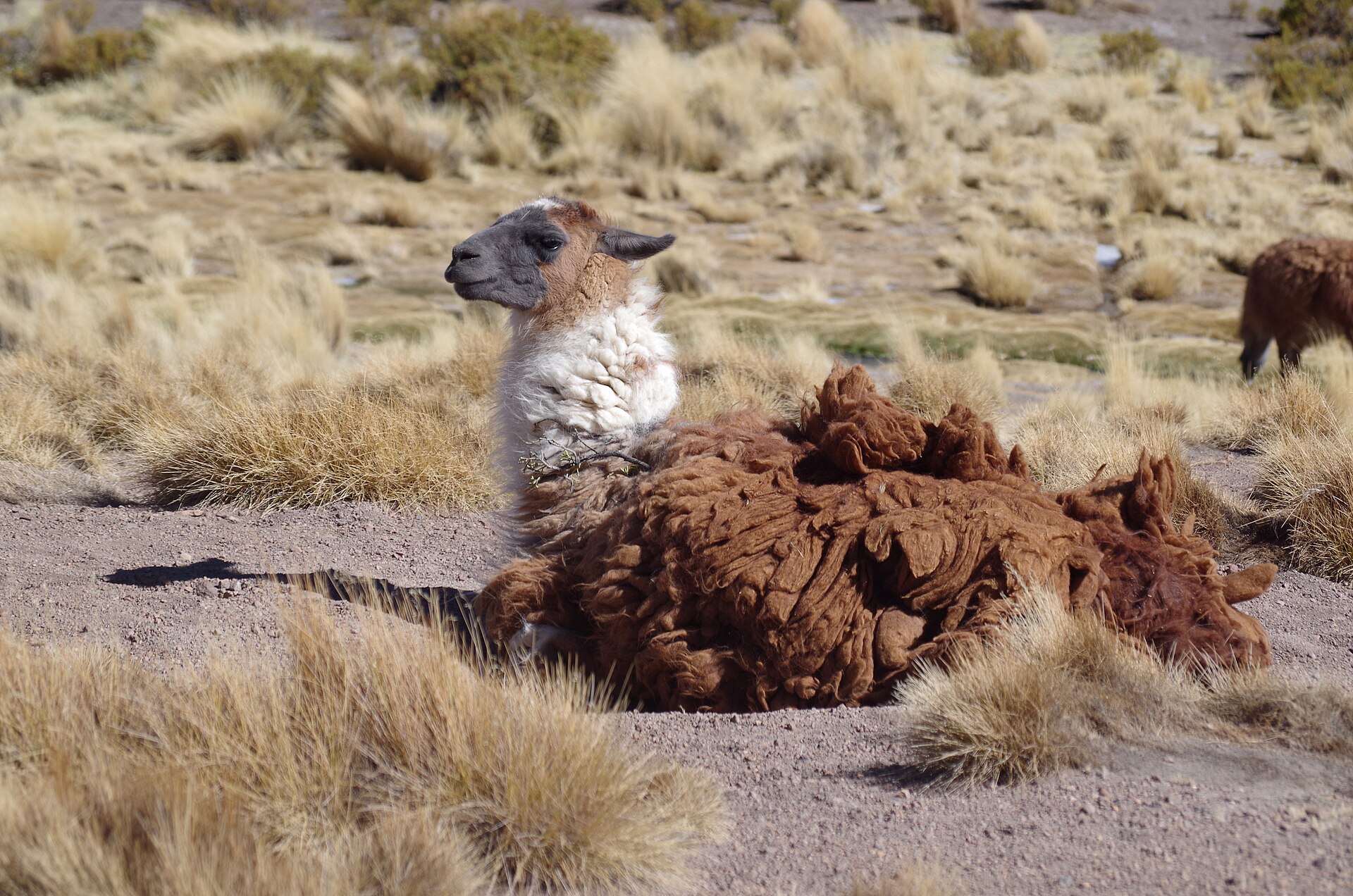
Oruro, on the high plateau bordering Chile, has the most families with direct losses, 17,554. La Paz follows with 6,679 and Chuquisaca with 4,678.
The ministry says 167,511 hectares of farmland are affected, and 60,106 of them are lost. It also counts 1,486 affected communities and 75,013 head of livestock lost.
What the Emergency Changes
Decree 5759 declares a national emergency over drought and the risks linked to El Niño in 2026 and 2027. Paz signed it after CONARADE, the national disaster-risk council, recommended it on Friday, 30 October.
Defense Minister Ernesto Justiniano says the declaration does not mean the emergency is solved, but a step toward a faster, coordinated response. Each ministry acts within its remit, especially on water, health, farming, roads and the environment.
The decree sets no specific amount of new money, and the defense minister says financing mechanisms are still being worked out. Funds for affected towns depend on local emergency declarations under Law 602, the national disaster law.
Civil defense is the disaster-response arm of the Ministry of Defense, and it coordinates the effort. Regional and local governments, the armed forces and international cooperation agencies are asked to join in.
What Forecasters Expect
NOAA, the US weather and climate agency, issued an El Niño Advisory on 8 October. It says a strong to very strong El Niño is likely through January to March 2027, with odds above 83%.
NOAA puts the chance of a historic event at 83% for October to December. It defines that as a three-month index of 2.5 degrees Celsius or more.
Justiniano stresses these are warnings that allow prevention, not certainties that every event will happen. The Altiplano, valleys and the Chaco plain face drought, while other zones could see heavy rain, floods and river overflows.
Frost, hail and forest fires are also listed risks, and the rainy season starts in November. Rain, flood and frost warnings differ by region across the country.
What Prediction Markets Say
Polymarket, a US prediction market, gives 73.5% odds that El Niño’s peak reaches 2.5 or above (2 November, 2:05 p.m. ET). That is on RONI, the Relative Oceanic Niño Index, a three-month gauge of Pacific warming used by NOAA.
About US$162,100 has been traded across the event’s five price bands, and the 2.25 to 2.5 band sits at 22%. These are bets, not polls, and they gauge how strong El Niño may get, not what Bolivia will do.
Why we show this: prediction markets turn real-money bets into a live probability that moves within minutes of the news, which is why investors, campaigns and newsrooms in the United States now follow them closely. We show them next to polls and official results, never instead of them.
What It Means for US Readers
The decree names no foreign donor and no amount of new money. It is not known whether lenders or aid agencies will fund the response.
NOAA’s forecast of a strong to very strong El Niño matters beyond Bolivia, because the event shifts weather patterns across the Americas. US travellers should check the State Department’s Bolivia advisory, as floods can disrupt roads during the rainy season.
Related reports: Bolivia Declares El Niño Emergency Oct 31 and Peru Growth May Fall to 2% If El Nino Lasts. More is on the Bolivia hub, with guides to who runs the economy and who holds power.
The country’s largest city is covered in Santa Cruz de la Sierra Explained. Its department is one of those named in the drought count.
What Is Not Known
No total budget for the emergency has been announced, and financing procedures are still being completed. Which foreign lenders or donors will pay is also unknown.
The president spoke of 63 communities in drought, whereas the ministry data count 63 municipalities in six departments. This article uses the ministry’s figure.
No loss estimate in US$ has been announced, and nothing is known yet on effects for food prices or exports. How long the emergency lasts is also unknown.
Frequently Asked Questions
How many families has Bolivia’s drought hit?
The Ministry of Defense counts 114,048 families in 63 municipalities from 1 June to 29 October. Of these, 78,217 are classed as affected and 35,831 as having suffered direct losses.
What did Bolivia declare on 31 October?
President Rodrigo Paz signed Decree 5759, a national emergency for drought and El Niño risks in 2026 and 2027. It lets ministries, regions and town halls direct money and staff to affected areas.
Which regions are worst hit by the drought?
Oruro has the most families with direct losses, 17,554, followed by La Paz with 6,679 and Chuquisaca with 4,678. The ministry counts six departments in all.
Could floods follow the drought in Bolivia?
Officials warn parts of Bolivia could see heavy rain, floods and river overflows in the rainy season, from November to March. The defense minister calls these warnings, not certainties.
How much new money has Bolivia set aside for the drought?
The decree sets no specific amount of new money, and the defense minister says financing mechanisms are still being worked out. No total budget has been announced.
How strong is this El Niño?
NOAA says a strong to very strong El Niño is likely through January to March 2027, with odds above 83%. Its next update is due on Thursday, 12 November.
Sources: Ministry of Defense of Bolivia and the Vice Ministry of Civil Defense, drought impact data for 1 June to 29 October 2026 and statements of 30 to 31 October 2026; Presidency of Bolivia, Supreme Decree 5759, National Emergency Situation for drought and El Niño 2026-2027 (Gaceta Oficial, 31 October 2026), and CONARADE Resolution 014/2026 (30 October 2026); NOAA Climate Prediction Center, ENSO Diagnostic Discussion (8 October 2026); Polymarket market data on the 2026-27 El Niño peak RONI (2 November 2026, 1:29 p.m. ET); US State Department travel advisory for Bolivia.













 English (US) ·
 French (CA) ·
 French (FR) ·