

.png) 1 month ago
12
1 month ago
12
PROTECT YOURSELF with Orgo-Life® QUANTUM TECHNOLOGY
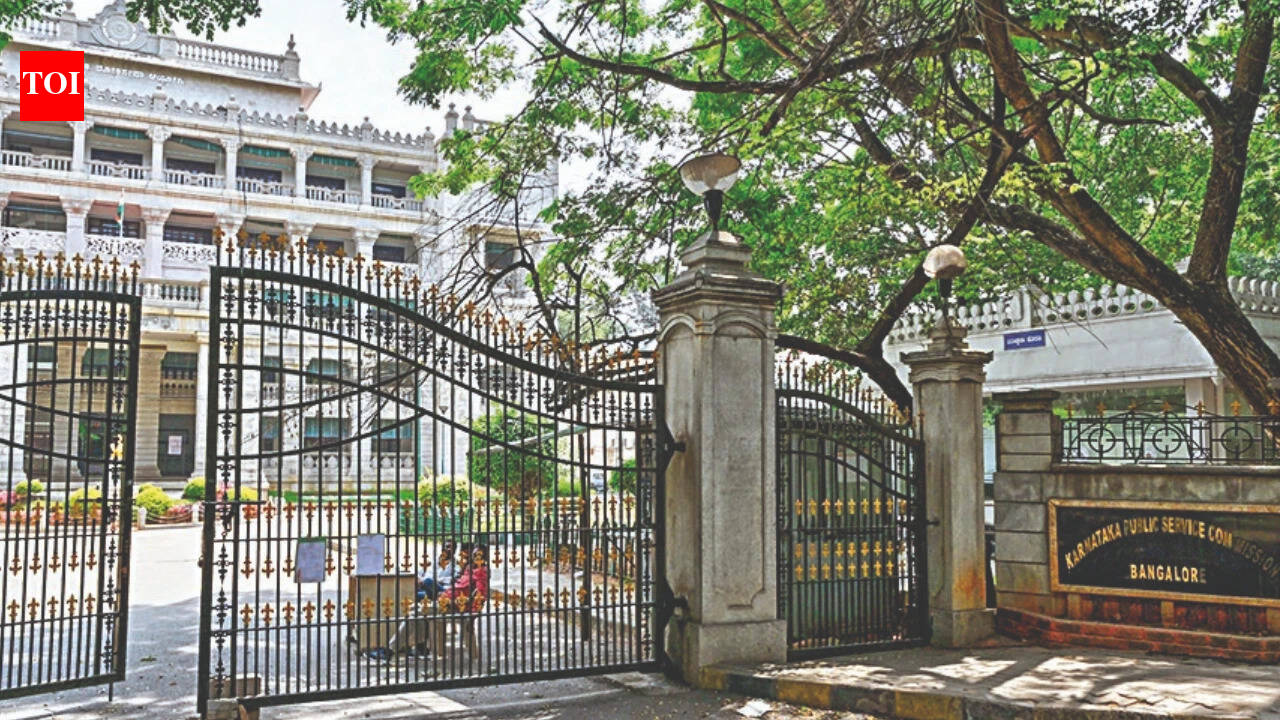
Orgo-Life the new way to the future Advertising by AdpathwayQuick-commerce (qcom) companies such as Eternal’s Blinkit and Swiggy’s Instamart are significantly increasing the amount of capital they put into each dark store as the industry shifts towards larger fulfilment centres and wider product assortments.
According to a UBS report, both companies have raised their capital expenditure (capex) guidance per dark store to around ₹2.5 crore from the earlier estimate of ₹1 crore provided nearly two years ago.
Based on the report, stores of around 2,500-3,000 square feet currently cost approximately ₹1.4-1.6 crore, while a 5,000-square-foot store can cost ₹2.4-2.5 crore.
A 7,000-square-foot facility can cost around ₹3 crore, including the apportioned cost of warehouse infrastructure.
The expansion in store sizes marks a shift from the earlier model, where qcom players largely operated dark stores of 2,000-3,000 square feet.
UBS said newer dark stores are increasingly being built in formats exceeding 5,000 square feet, representing a 60-100 per cent increase in store size over the past one to two years.
As dark stores get larger, they can hold more reserve inventory and long-tail stock-keeping units (SKUs) locally, reducing replenishment frequency.
Consequently, the report estimates that the warehouse-area multiple will decline from 1.0 times for 2,500-3,000-square-foot stores to 0.8 times for a 5,000-square-foot store and 0.6 times for a 7,000-square-foot store.
The shift is also changing the role of dark stores. Rather than functioning purely as small neighbourhood delivery points, newer facilities are being built as mini fulfilment centres, with greater space allocated to inventory, picking, packing and staging.
“As order volumes increase, dark stores require more picking aisles, packing stations, rider handover points and staging areas to prevent congestion and maintain delivery SLAs (service level agreements). In other words, dark stores are increasingly designed as high-volume fulfilment centres rather than simply inventory-holding locations,” the report said.
The higher capital intensity could, however, increase the funding required for network expansion. At the same time, larger stores could improve throughput and utilisation, potentially supporting better unit economics as order volumes scale.
The report concluded that the move towards larger stores is being driven by increasing competition around assortment rather than just delivery speed.
Companies are expanding their product selection and adding categories such as electronics, beauty and other long-tail products, requiring more storage capacity.














 English (US) ·
  French (CA) ·
  French (FR) ·