

.png) 1 hour ago
10
1 hour ago
10
PROTECT YOURSELF with Orgo-Life® QUANTUM TECHNOLOGY
Orgo-Life the new way to the future Advertising by AdpathwayAmid the ongoing opposition protests over Special Intensive Revision (SIR) and the Cockroach Janata Party's (CJP) proposed protest at Jantar Mantar on October 10, the rules governing public demonstrations in Delhi are back in focus.
Delhi Police has denied permission for the gathering, citing the late submission of the application and alleged violations of directions during an earlier protest. There are also concerns about public safety, law and order, and traffic management.
So, what are the rules and regulations that need to be followed for protest, and what does the Indian Constitution say?
What does the Constitution say about the right to protest?
The right to peaceful protest is protected under Articles 19(1)(a) and 19(1)(b) of the Constitution. While Article 19(1)(a) guarantees freedom of speech and expression, Article 19(1)(b) provides citizens the right to assemble peacefully and without arms.
However, these rights are not absolute. The Constitution allows reasonable restrictions on freedom of speech and assembly in the interests of public order, security and other specified grounds.
The Supreme Court has repeatedly recognised the importance of peaceful demonstrations in a democracy while holding that the right must be balanced against public order and the rights of other citizens.
In its 2018 judgment in Mazdoor Kisan Shakti Sangathan vs Union of India, which concerned demonstrations at Jantar Mantar, the court held that authorities could regulate the time, place, and manner of protests to balance competing interests. In the 2020 Shaheen Bagh case, the court also held that public roads and spaces cannot be occupied indefinitely in the name of protest.
Do protesters need police permission in Delhi?
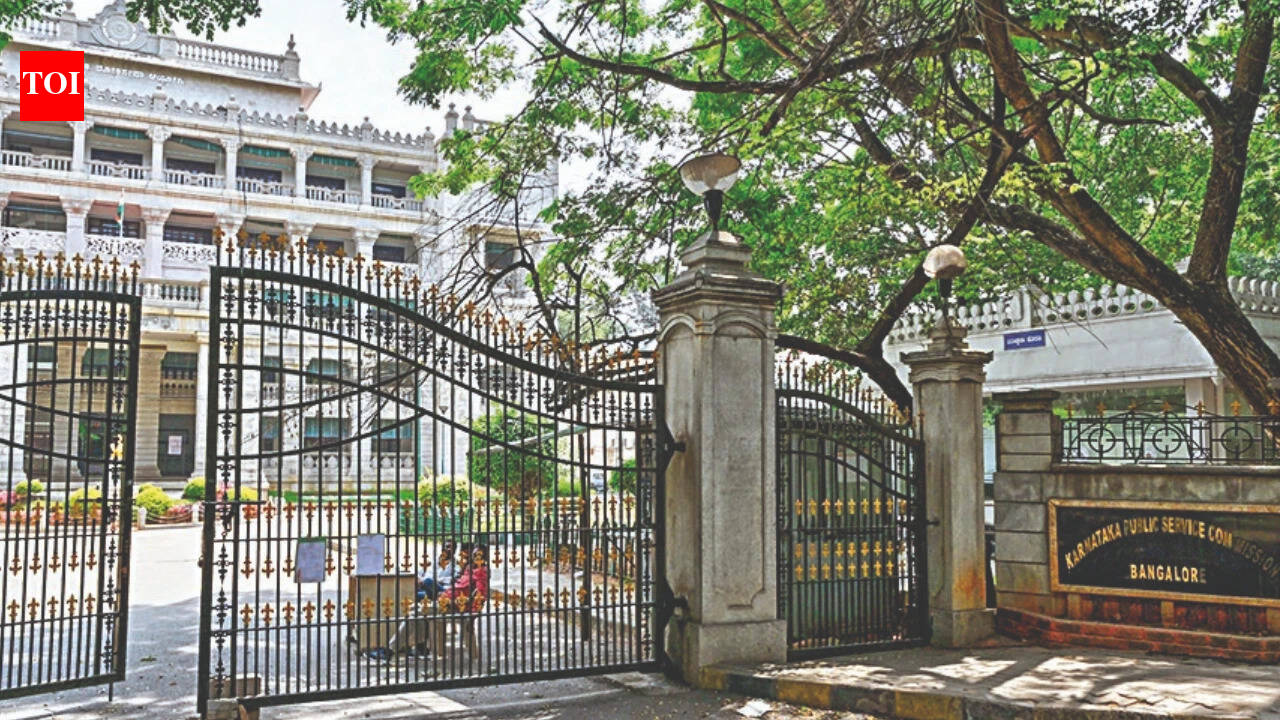
Under Delhi Police guidelines, organisers seeking to hold a demonstration at Jantar Mantar must obtain prior permission from the competent authority.
Applications are required to be submitted to the Deputy Commissioner of Police (New Delhi district) at least 10 days before the proposed demonstration. The reported guidelines also limit gatherings at Jantar Mantar to 1,000 participants, with larger demonstrations potentially directed to other designated venues.
Applications typically include details of the organisers, the purpose and duration of the demonstration, the expected number of participants and the proposed venue. For marches, organisers may also need to provide the route and details of arrangements involving loudspeakers and other equipment.
Permission may be denied if authorities identify specific public-order, security or traffic concerns. Designation as a protest site does not automatically entitle every group to hold a demonstration there.
Why was the CJP protest denied permission?
Delhi Police said it received a letter from CJP on October 7 seeking permission for the October 10 demonstration, leaving three days between the application and the proposed event.
#WATCH | On October 10 CJP protest, Delhi Police DCP Shrishti Pandey says, "Section 163 is in effect, meaning protests are not permitted—neither at Jantar Mantar nor anywhere else. Any gathering will be considered illegal, and we would be compelled to take necessary legal action against it. I would like to urge the protestors not to participate in such illegal gatherings. Please prioritise your own safety as well. Also, consider the safety of your family. Regarding protests that are illegal—there is a proper way to participate in the process. By joining an illegal protest, you could end up facing long-term legal consequences."
— ANI (@ANI) October 8, 2026Police said applications should be submitted at least 10 days in advance. Joint Commissioner of Police Nupur Prasad also cited alleged non-compliance with lawful directions and written assurances during an earlier demonstration.
The police said the decision took into account the prevailing law-and-order situation, public safety and the need to ensure the smooth movement of traffic.
Section 163 of the Bharatiya Nagarik Suraksha Sanhita (BNSS), 2023, is also in force in the New Delhi district. The provision empowers executive magistrates to issue urgent preventive orders in specified circumstances, including restrictions on assemblies where necessary to prevent danger or a disturbance of public order.
Police have warned that violations of applicable prohibitory orders could invite legal action.
Can the government prohibit public gatherings?
Authorities can impose temporary restrictions on public gatherings when the legal conditions for doing so are met. Section 163 of the BNSS allows an empowered magistrate to issue orders to prevent specified threats to public safety, public tranquillity or other interests covered by the law.
Police can also regulate demonstrations through venue-specific guidelines, crowd limits and restrictions on the timing or route of marches.














 English (US) ·
  French (CA) ·
  French (FR) ·