

PROTECT YOURSELF with Orgo-Life® QUANTUM TECHNOLOGY
Orgo-Life the new way to the future Advertising by Adpathway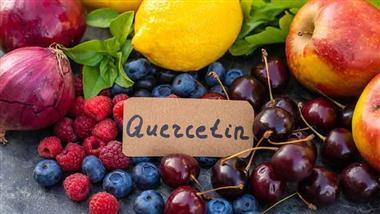
Story at-a-glance
- Quercetin is a plant compound found in onions, apples, berries, grapes and tomatoes that supports your antioxidant defenses while helping regulate inflammation, immune activity and cellular stress
- Quercetin protects cells through several pathways at once, including supporting glutathione, activating protective genes and limiting oxidative damage to fats in cell membranes and LDL particles
- Human research found that quercetin supported cardiovascular health, with measurable improvements in blood pressure and oxidized LDL among people with high blood pressure or increased metabolic risk
- Older adults who consumed quercetin-rich onion for 24 weeks experienced greater improvement in cognitive function than those eating quercetin-free onion, along with improvements in depressive symptoms and motivation
- Whole foods are the preferred way to increase your quercetin intake, while supplements provide a more concentrated option and can be paired with vitamin C to support quercetin's activity
Quercetin has attracted scientific interest for more than a century. First isolated in 1857, this naturally occurring flavonoid is found in familiar foods such as onions, apples, berries, grapes, tomatoes and tea.1 Unlike a supplement, these whole foods provide quercetin as part of a broader nutritional package, which is why I recommend looking to food first whenever possible. What makes quercetin unusual among plant compounds is how many biological systems it reaches. Rather than acting through a single mechanism, quercetin interacts with cellular pathways involved in oxidative defense, immune signaling, vascular function and even the way your brain ages. That breadth is rare, and it's one reason the research base has expanded so rapidly. Yet quercetin still doesn't receive the attention it deserves. I believe that's partly because it's been oversimplified as just another antioxidant, a label that obscures the more interesting story underneath. The evidence now stretches from detailed cellular work to controlled human trials using everyday food-level amounts, and the results challenge the idea that you need extreme doses of any single compound to move the needle on your health.
Research published in Oxidative Medicine and Cellular Longevity examined the biological actions of quercetin and the mechanisms researchers believe drive those effects.2 This was a review that brought together existing laboratory, animal and human research. The evidence covered everything from cellular defenses and inflammation to harmful microbes, cardiovascular health and protection from certain toxins. What stands out is quercetin's range. It doesn't rely on a single biological pathway. Instead, the research describes several distinct ways this plant compound interacts with cellular processes that affect how well your tissues withstand stress and damage. • Quercetin strengthens your antioxidant defenses in more than one way — One particularly interesting mechanism involves metal ions such as iron. Under certain conditions, iron drives chemical reactions that generate highly reactive molecules capable of damaging cells. Quercetin binds to iron and reduces its ability to fuel those reactions. It also limits oxidative damage to fats, including fats found in cell membranes and LDL particles. Another layer involves glutathione, one of your body's major antioxidant defenses. The review describes quercetin's effects on glutathione levels and antioxidant enzymes, along with activation of Nrf2, a protein that switches on genes involved in cellular protection. Think of Nrf2 as part of your cells' internal defense-control system. Quercetin helps activate that system rather than simply neutralizing damaging molecules one at a time. • Quercetin attacked harmful bacteria through several weak points — Laboratory research reviewed in the paper found activity against pathogens that included E. coli, Staphylococcus aureus, Salmonella and Pseudomonas aeruginosa. The mechanisms were strikingly direct. Quercetin damaged bacterial cell walls and membranes, altered their permeability, interfered with protein production, reduced enzyme activity and disrupted nucleic acid production. Quercetin didn't attack just one bacterial target. It interfered with several processes microbes need to survive and reproduce. Still, the authors emphasized that antimicrobial research remains incomplete, particularly for fungi, so these laboratory findings don't establish quercetin as a replacement for treatment of bacterial or fungal infections. • Inflammatory pathways were another major target — The review found that in laboratory and animal studies, quercetin suppressed several chemical signals involved in inflammation, including tumor necrosis factor alpha and certain interleukins. These are signaling molecules your immune system uses to coordinate inflammatory responses. Quercetin also inhibited enzymes involved in producing inflammatory compounds. That gives you a clearer picture of why quercetin's effects reach across different areas of health. Oxidative stress and inflammation often reinforce each other. The research suggests quercetin acts on both sides of that relationship rather than addressing only one piece. • Human cardiovascular studies produced measurable changes in blood pressure — Among people with stage 1 hypertension, 730 milligrams (mg) of quercetin taken for 28 days reduced systolic, diastolic and mean arterial blood pressure, according to research summarized in the review. Another study involved 93 overweight or obese adults at high risk for metabolic syndrome. After six weeks at 150 mg per day, researchers reported significant reductions involving systolic blood pressure and oxidized LDL. Mechanistically, the paper connects these cardiovascular effects with improved blood vessel function, nitric oxide activity, reduced LDL oxidation, less platelet clumping and lower inflammatory activity. Those processes matter because healthy arteries must remain flexible while resisting oxidative and inflammatory damage. • Quercetin also helped cells defend themselves against toxic stress — The review examined mycotoxins, toxic compounds produced by certain fungi. Experimental research found that quercetin reduced reactive oxygen species, supported antioxidant enzymes and limited distress inside the cellular structure responsible for processing proteins. When that stress becomes severe, cells activate apoptosis, a self-destruct sequence that eliminates damaged cells before they cause further harm. Quercetin reduced this chain of damage in experimental cell models. The evidence has an important boundary. The authors state that quercetin's absorption and metabolism in the human body aren't yet fully understood and that more research is needed before these experimental findings translate into pharmacological uses. That distinction helps you separate promising biological mechanisms from benefits already demonstrated in people. A randomized, double-blind, placebo-controlled clinical trial published in the Journal of Clinical Biochemistry and Nutrition followed healthy Japanese adults ages 60 to 79 for 24 weeks.3 Researchers assigned participants to either a quercetin-rich onion group or a quercetin-free white onion group, then assessed several aspects of cognitive and emotional function at the beginning of the study and again at weeks 12 and 24. Of the 70 people initially enrolled, 61 were included in the primary analysis — 28 in the quercetin-rich onion group and 33 in the placebo group. Importantly, these participants didn't have dementia or serious neurological disease. That makes the study especially relevant to maintaining brain function as you get older rather than treating advanced cognitive impairment. • The cognitive advantage became clear after 24 weeks — Researchers used several assessments rather than relying on a single measure. The primary test was the Mini-Mental State Examination, or MMSE, which measures abilities such as orientation, memory, attention, calculation and language on a 30-point scale. At 24 weeks, the improvement from baseline was significantly greater in the quercetin-rich onion group than in the placebo group. The difference was particularly clear when researchers excluded participants who regularly took prescription medications. Among these participants, MMSE scores increased by an average of 1.8 points in the quercetin-rich onion group versus 0.6 points in the placebo group after 24 weeks. This subgroup included 19 people in each group. • The benefits extended beyond conventional cognitive testing — Researchers also assessed emotional health because mood and motivation influence how well your brain functions in everyday life. On the depression assessment, scores decreased significantly more in the quercetin-rich onion group after 24 weeks, with lower scores reflecting fewer depressive symptoms. Motivation also improved. That connection matters because cognitive health isn't simply about whether you remember a word or solve a test question correctly. Whether you stay socially engaged, pursue activities you care about and remain mentally active shapes daily function as much as any test score. The researchers proposed that improvements in depression and motivation contributed to the cognitive changes they observed. • Family members noticed a difference in the burden associated with participants' symptoms — Each participant had a study partner living in the same household who evaluated behavioral and psychological symptoms. After 24 weeks, the burden reported by study partners was significantly lower in the quercetin-rich onion group than in the placebo group. Not every behavioral measure changed, however. Researchers didn't find a significant difference between groups in the overall severity of neuropsychiatric symptoms. This distinction helps put the findings in perspective: quercetin-rich onion didn't improve every measure tested, but several specific cognitive and emotional outcomes moved in a favorable direction. • The researchers identified several ways quercetin could support the aging brain — One involves blood flow. Flavonoids such as quercetin affect the vascular system, and changes in blood flow through the brain influence the environment surrounding your neurons. The researchers noted that these vascular effects could support neurogenesis and angiogenesis, the formation of new nerve cells and blood vessels. Another mechanism involves protection against oxidative injury. Brain cells are particularly vulnerable to this type of damage because they require large amounts of energy to function. The researchers explained that flavonoids support antioxidant defenses that protect neurons from toxic injury, providing a biological explanation for why regular intake could influence cognitive aging. • The study tested a food-level amount rather than an extreme dose — Participants consumed 11 grams of onion powder each day, equivalent to about 120 grams of raw onion, or roughly half of a medium-sized onion. That provided 50 mg of quercetin daily. The researchers noted that estimated normal dietary intake is approximately 50 to 100 mg per day, placing the study amount within an ordinary dietary range. No significant differences emerged between groups in body weight, body fat percentage or body mass index, and blood tests related to liver and kidney function showed minimal changes. The practical takeaway is important: the cognitive findings came from consistent intake of a quercetin-rich food over six months, reinforcing the value of obtaining protective plant compounds through whole foods rather than assuming that more from a high-dose supplement is better. These findings are from research conducted in clinical settings. Results may not apply to all individuals. Quercetin's benefits extend well beyond your brain. Research links it with antioxidant and anti-inflammatory activity, cardiovascular support, immune regulation and defenses against cellular stress. If you want to take advantage of those properties, focus first on getting quercetin regularly from food, then use supplementation strategically rather than assuming that higher doses produce greater benefits. 1. Eat quercetin-rich foods regularly — Make onions one of your primary food sources of quercetin. Apples, berries, grapes and tomatoes are other useful choices. This gives you quercetin alongside vitamins, minerals and other beneficial plant compounds instead of consuming it in isolation. Consistency matters. In the 24-week human trial, 50 mg of quercetin per day from quercetin-rich onion improved cognitive function, providing evidence that a food-based amount produces measurable effects.4 You don't need to chase unusually high doses to make quercetin part of your health strategy. 2. Use supplemental quercetin thoughtfully — If you want a more concentrated amount than you're getting from food, supplemental quercetin is another option. Research published in Frontiers in Immunology reported a strong safety profile for oral quercetin, with doses up to 1,000 mg per day for three months not producing significant adverse effects.5 Intravenous quercetin is different; high IV doses have produced adverse effects and, at still higher doses, kidney toxicity. More isn't necessarily better. The human study covered earlier used just 50 mg daily from food.6 I would use the lowest supplemental amount necessary for your goal rather than viewing 1,000 mg as a target simply because that amount has been studied for safety. 3. Pair quercetin with vitamin C — Vitamin C complements quercetin particularly well. Research has described synergistic effects between the two compounds, meaning their combined activity is greater in certain biological processes than either one alone.7 Vitamin C also helps recycle oxidized quercetin back into its active form. You can increase vitamin C through foods such as citrus fruits, guava, kiwi, bell peppers and other fruits and vegetables. If you're supplementing with quercetin, vitamin C provides a logical companion rather than adding a long list of unrelated supplements. 4. Quercetin's Effects May Extend to Cellular Senescence — Beyond the mechanisms described above, quercetin has also been studied separately as a potential senolytic, a compound researchers are investigating for its ability to help clear senescent cells. These are damaged cells that stop dividing but don't die off, lingering in tissue while releasing inflammatory substances that affect neighboring healthy cells. This senolytic research is distinct from the human trials discussed earlier in this article, and the specific timing strategies sometimes proposed for it — such as taking quercetin after an extended period without food — have not been directly tested in those trials. 5. Support the same pathways quercetin acts on — Quercetin should be viewed as part of a healthy lifestyle, not a tool to compensate for daily habits that continuously promote oxidative stress and inflammation. Its broad effects make the most sense as one part of a lifestyle designed to protect your cells. Keep linoleic acid (LA) below 5 grams per day and ideally below 2 grams by eliminating concentrated sources such as seed oils and ultraprocessed foods. Walk for up to 60 minutes daily, add strength training twice a week and break up prolonged sitting. Those habits support metabolic and cardiovascular health while quercetin works through many of the same interconnected systems involved in inflammation, oxidative stress and cellular protection. Q: What does quercetin do in the body? A: Quercetin acts through several pathways involved in cellular protection. Research links it with antioxidant and anti-inflammatory activity, immune regulation, cardiovascular support and protection against certain forms of cellular stress. Q: How does quercetin help protect cells from oxidative stress? A: Quercetin helps control highly reactive molecules that damage cells, supports glutathione and other antioxidant defenses, and activates protective cellular pathways. It also limits oxidative damage to fats in cell membranes and LDL particles. Q: Does quercetin support brain health as I age? A: Human research suggests it does. In a 24-week trial of older adults, those consuming quercetin-rich onion experienced greater improvement on a standard cognitive test than the placebo group, along with improvements in depressive symptoms and motivation.8 Q: What foods provide quercetin? A: Onions are a particularly useful source, while apples, berries, grapes and tomatoes also provide quercetin. Getting it through whole foods gives you additional vitamins, minerals and beneficial plant compounds at the same time. Q: What's the best way to use quercetin supplements? A: Food is the first choice, but supplemental quercetin offers a more concentrated amount when needed. Oral doses up to 1,000 mg per day for three months have been studied without significant adverse effects, although that amount represents a safety finding rather than a recommended target. Pairing quercetin with vitamin C also supports its activity. This article is for informational purposes only and does not constitute medical advice. Consult a qualified healthcare provider before making changes to your health regimen. Take today’s quiz to see how much you’ve learned from yesterday’s Mercola.com article. How often should most people do strength training to get cardiovascular benefits? Most resistance-training programs used two to three sessions per week and commonly lasted eight to 24 weeks. Learn more.Quercetin Protects Cells Through Multiple Pathways
Quercetin-Rich Onions Linked to Improved Cognitive Function in Older Adults
Make Quercetin Work for Your Whole-Body Health
FAQs About Quercetin
Test Your Knowledge with Today's Quiz!























 English (US) ·
 French (CA) ·
 French (FR) ·