

 2 months ago
82
2 months ago
82
PROTECT YOURSELF with Orgo-Life® QUANTUM TECHNOLOGY
Orgo-Life the new way to the future Advertising by AdpathwayEconomy
Key Facts
—The number. Uruguay’s fixed investment fell to 15.1% of GDP in the first quarter of 2026, its lowest in the post-pandemic cycle.
—The fall. Total gross capital formation dropped 6.4% from a year earlier, with fixed investment alone down 3.1%.
—The paradox. It happened while the economy grew 0.9% year-on-year, consumption rose 2.9% and employment neared record highs.
—The cause. The drop traces to the end of the UPM 2 pulp mill and Ferrocarril Central rail works, plus weak corporate profitability.
—The target. The figure moves the wrong way against the government’s stated goal of lifting investment toward 20% of GDP.
—The outlook. Official 2026 growth has been cut to 1.6% and the central bank’s analyst panel sees just 1.3%.
Uruguay investment just hit its weakest level since the pandemic, and the timing is awkward. The slide came in a quarter when almost every other number, from jobs to wages to inflation, looked healthy, leaving the region’s most stable economy with an uncomfortable question about why money is not being put to work.

According to national accounts published this week by the central bank, gross fixed capital formation fell three point one percent from a year earlier in the first quarter. As a share of the economy it dropped to fifteen point one percent, the lowest reading of the post-pandemic period, with total capital formation down a steeper six point four percent.
The headline economy, meanwhile, looked fine. Output grew nine tenths of a percent against the same quarter of 2025, household spending rose almost three percent, and employment is close to record highs after two straight years of rising real wages.
Why Uruguay investment is falling now
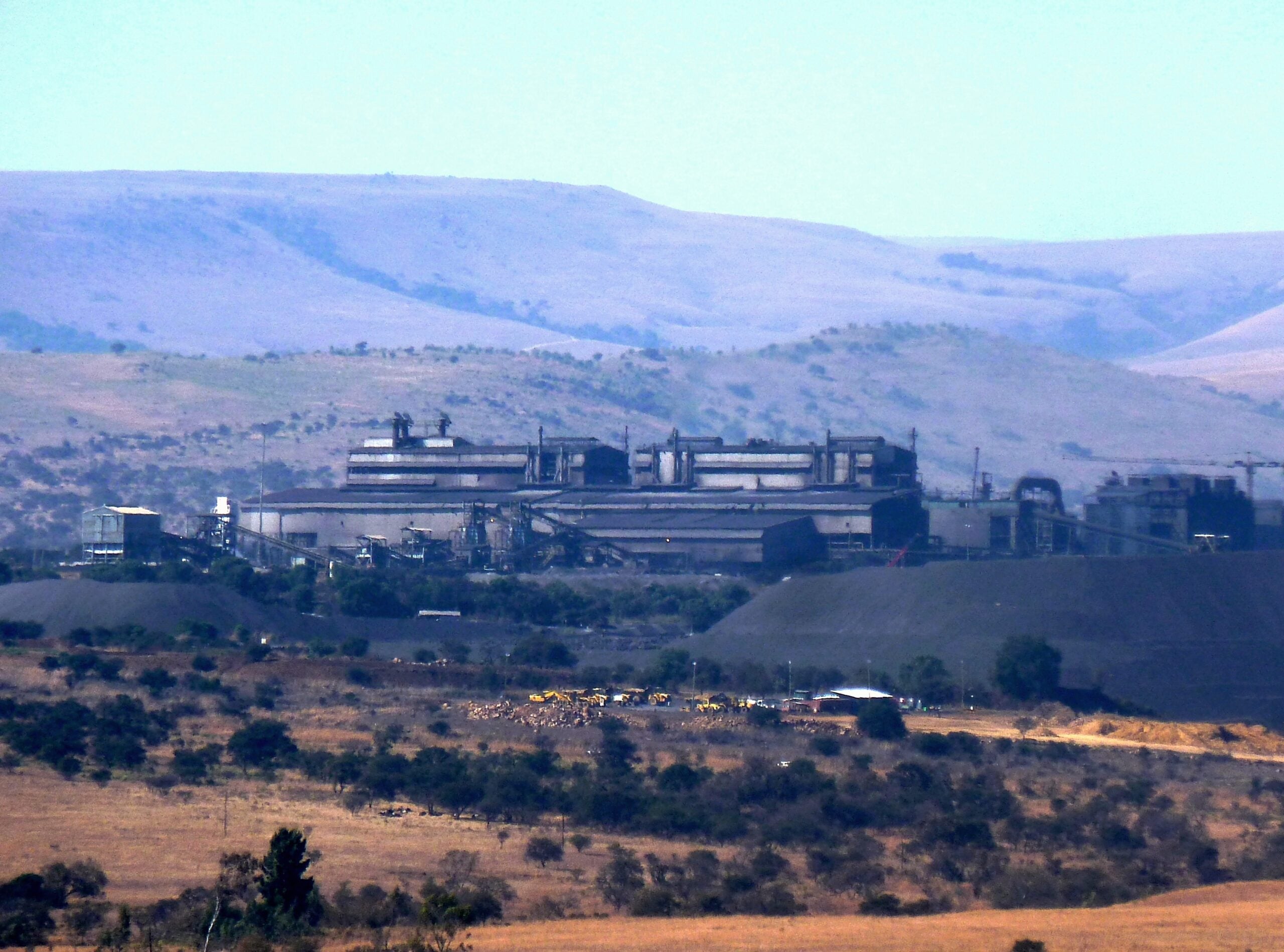
Part of the answer is mechanical, since investment as a share of output touched nearly seventeen percent in 2022 and 2023, lifted by two giant projects, the UPM 2 pulp mill and the Ferrocarril Central railway that serves it. With those works finished, the ratio has drifted down each year toward its older, lower baseline.
The level itself is the worry, not just the direction. At around fifteen percent of output, Uruguay invests less than many of its Latin American neighbors, several of which run ratios above twenty percent, leaving one of the economy’s main growth engines running at half power.
The first-quarter drop was concentrated in road, port and communications works and in imported machinery, as reported by the central bank’s quarterly accounts. Construction shrank three point four percent and the farming, fishing and mining group fell three point seven, while services such as transport, technology and finance carried the quarter.
Economists argue the deeper problem is structural rather than one-off. Analysts at the consultancy Exante point to thin corporate profitability and a decade of stagnant productivity, which together blunt the incentive to build new capacity even when demand looks solid.
A government target moving the wrong way
The slide cuts directly against the new administration’s central economic promise. Economy Minister Gabriel Oddone has said Uruguay needs to lift investment toward twenty percent of output, roughly four points above recent levels, to grow at even two percent a year.
Instead the ratio is sliding away from that goal. Business voices add a political reading, complaining that debate over a shorter working week and a wealth tax on the richest one percent sends an unhelpful signal to anyone weighing a large, long-term commitment.
Why a foreign reader should care
Uruguay markets itself to investors as Latin America’s safe harbor, with the region’s lowest risk premium, an independent judiciary and full rights to repatriate capital. The puzzle is that those strengths are not translating into the fresh capital spending that future growth depends on.
For an outside investor the read is nuanced rather than alarming. Consumption tracks wages and credit, while investment tracks profitability and confidence, so the split signals a country that is comfortable but not expanding its productive base, and that is the gap the government has to close to escape a low-growth ceiling.
Frequently asked questions
How far did Uruguay investment fall?
Gross fixed capital formation fell three point one percent year-on-year in the first quarter of 2026, and slipped to fifteen point one percent of GDP, its lowest in the post-pandemic cycle. Total gross capital formation, which also counts inventories, dropped six point four percent.
Why did it fall while the economy grew?
Growth was carried by consumption and services, which respond to wages and credit, while investment responds to profitability and confidence. The end of the UPM 2 pulp mill and Ferrocarril Central works removed a large prop, and economists cite weak corporate returns and flat productivity as deeper causes.
What does it mean for the government’s plans?
The administration wants investment to reach about twenty percent of GDP to support faster growth, so a fall to fifteen point one percent moves in the opposite direction. Official 2026 growth has been trimmed to one point six percent, with the central bank’s analyst panel even lower at one point three.
The Rio Times · Power Map
See who really holds power in Latin America
Click to open the Power Map →










 English (US) ·
  French (CA) ·
  French (FR) ·