

 2 months ago
89
2 months ago
89
PROTECT YOURSELF with Orgo-Life® QUANTUM TECHNOLOGY
Orgo-Life the new way to the future Advertising by AdpathwayBrazil · Politics
Key Facts
—The rules. President Lula signed decrees making digital platforms administratively responsible for illegal content posted by users.
—The change. Platforms must remove content flagged as illegal after an out-of-court notice, without waiting for a prior court order.
—For women and girls. A second decree requires dedicated channels and two-hour removal for real nudity or AI-made fake images.
—The pushback. Big tech firms issued a joint note against the measures and asked the Supreme Court to review them.
—The politics. The opposition has filed at least 25 bills to overturn the decrees, in an election year.
Brazil is moving to hold social-media companies to account for what their users post, and the fight over it is escalating. The Brazil big-tech decrees shift legal responsibility onto the platforms, and are advancing despite objections from the industry, legal scholars and the opposition.
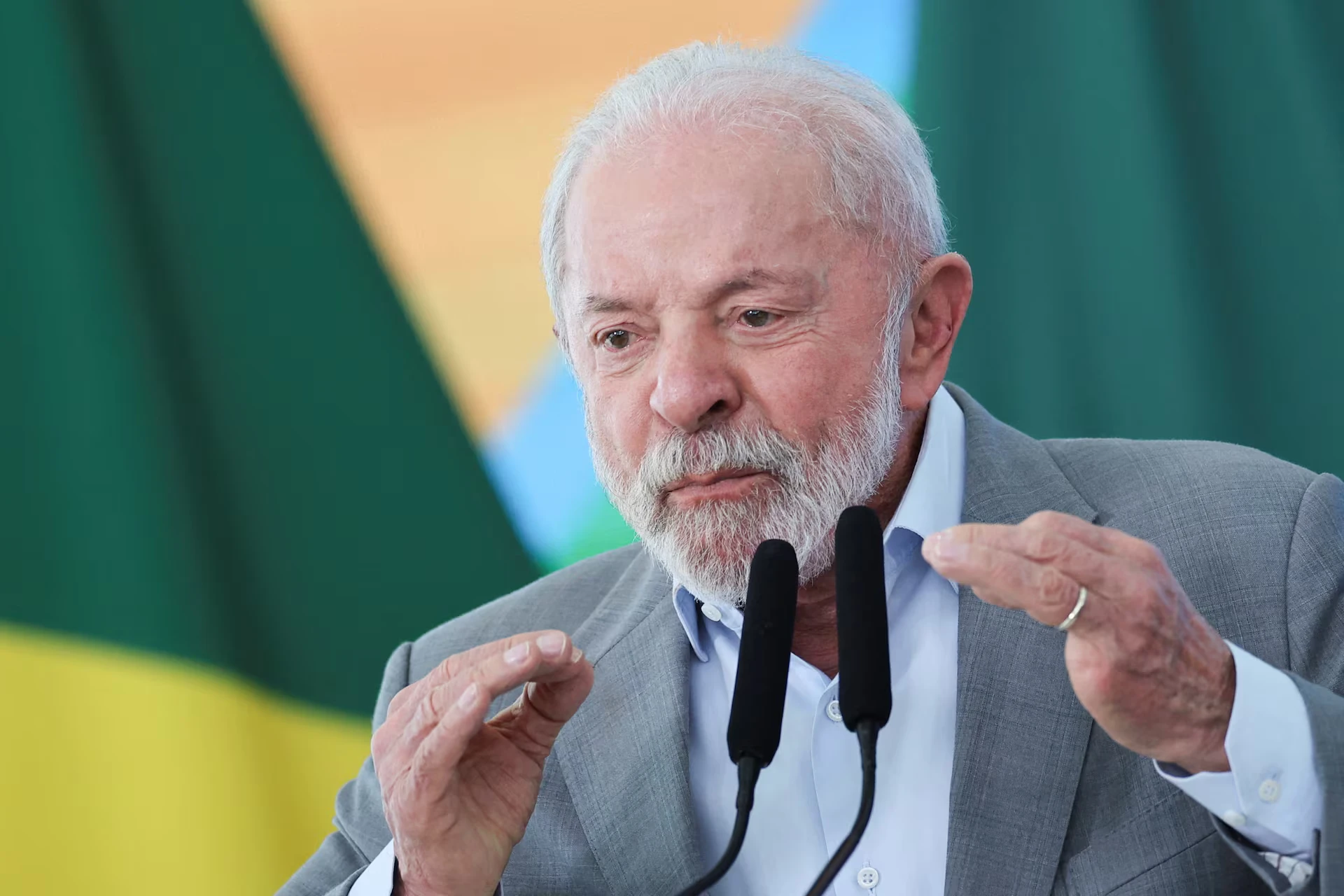 Lula’s Social-Media Decrees Advance in Brazil as the Opposition Fights Back. (Photo internet reproduction)
President Luiz Inácio Lula da Silva signed the measures, which tighten oversight of the platforms and change how quickly they must act on complaints, as Gazeta do Povo reported.
What the decrees change
The core shift is liability. Under the main decree, technology companies can be held administratively responsible for illegal third-party content, and must take down posts deemed unlawful after an extrajudicial notice, rather than waiting for a judge’s order as before.
A second decree targets image-based abuse. It obliges platforms to offer dedicated reporting channels for real nudity or AI-generated fakes involving women and girls, and to remove such content within two hours of a valid complaint.
Why critics are worried
Legal experts warn the rules risk “overblocking”, pushing platforms to delete anything in a grey area, including lawful opinion and legitimate criticism, to avoid penalties. They also flag higher compliance costs and the strain on smaller providers expected to meet the same obligations as the largest firms.
The industry has responded in force. Major technology companies issued a joint statement against the decrees and asked Brazil’s Supreme Court to review them, according to Correio Braziliense, arguing the government is regulating the internet by decree rather than through Congress.
An election-year flashpoint
The timing sharpens everything. With a presidential election approaching, content moderation has become a proxy battle over free speech and state power. The opposition has already filed at least 25 legislative proposals to strike the decrees down, while Congress has reacted without resolving the underlying question of how far Brazil can regulate global platforms.
For foreign observers, Brazil is once again a test case: a large democracy trying to impose rules on American tech giants, and the legal and political friction that follows.
Frequently Asked Questions
What do Lula’s decrees require?
They make digital platforms administratively responsible for illegal user content and require removal after an out-of-court notice. A separate decree mandates two-hour removal of real or AI-generated intimate images of women and girls.
Why do critics oppose them?
They warn of “overblocking” of lawful speech, higher compliance costs, and the burden on small providers. Big tech firms have asked the Supreme Court to review the measures, arguing the internet should be regulated by Congress, not decree.
Can the decrees be overturned?
The opposition has filed at least 25 bills to reverse them, and the Supreme Court has been asked to review them. Their future is contested, and the fight is unfolding in an election year.
















 English (US) ·
  French (CA) ·
  French (FR) ·