

Aug. 12, 2026, promises to be a big day for anyone interested in the sky. By day, a solar eclipse will be visible across parts of North America and Europe. For most, it will be partial, but for those within the path of totality in eastern Greenland, western Iceland and northern Spain, the moon will completely block the sun.
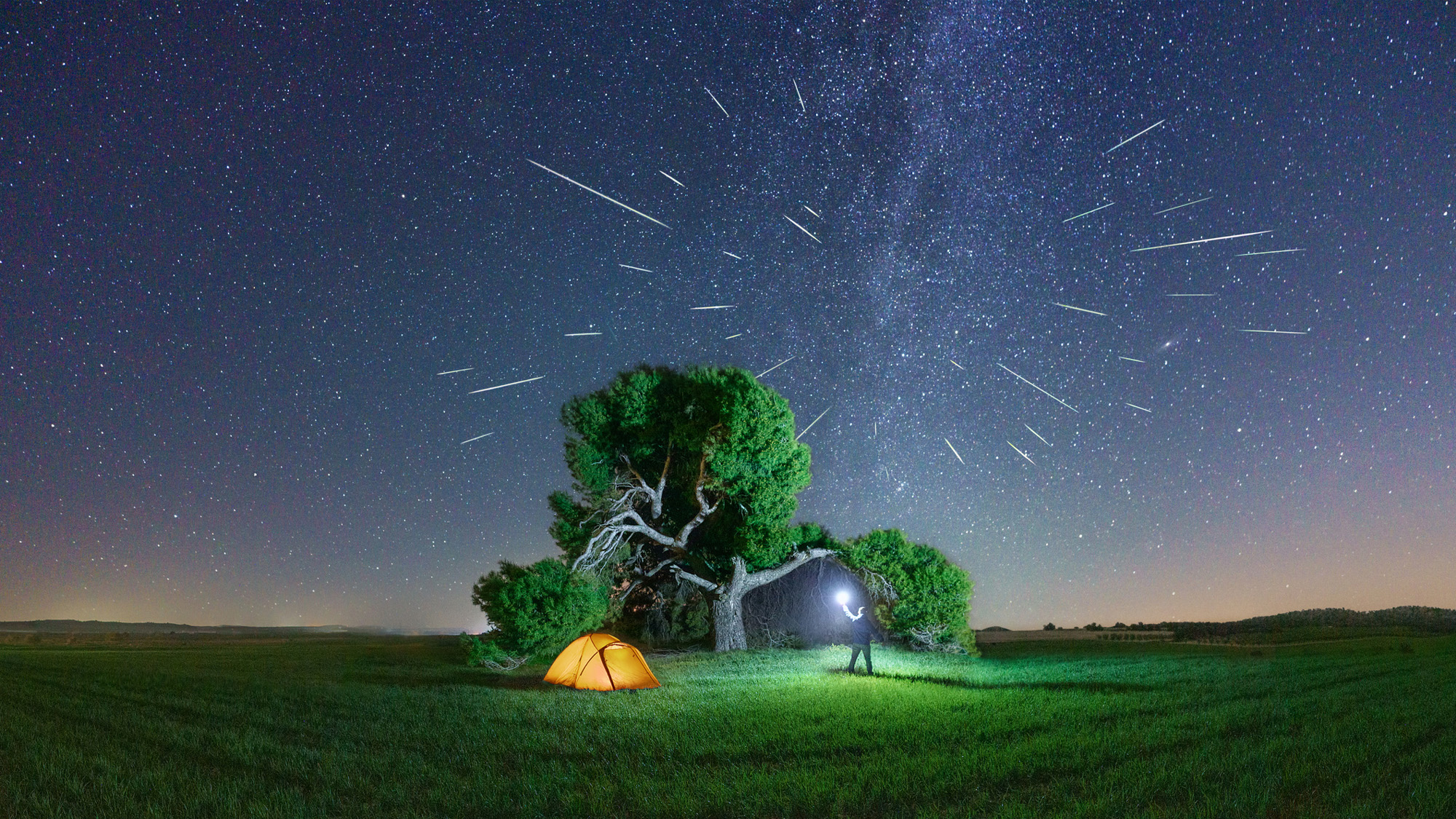
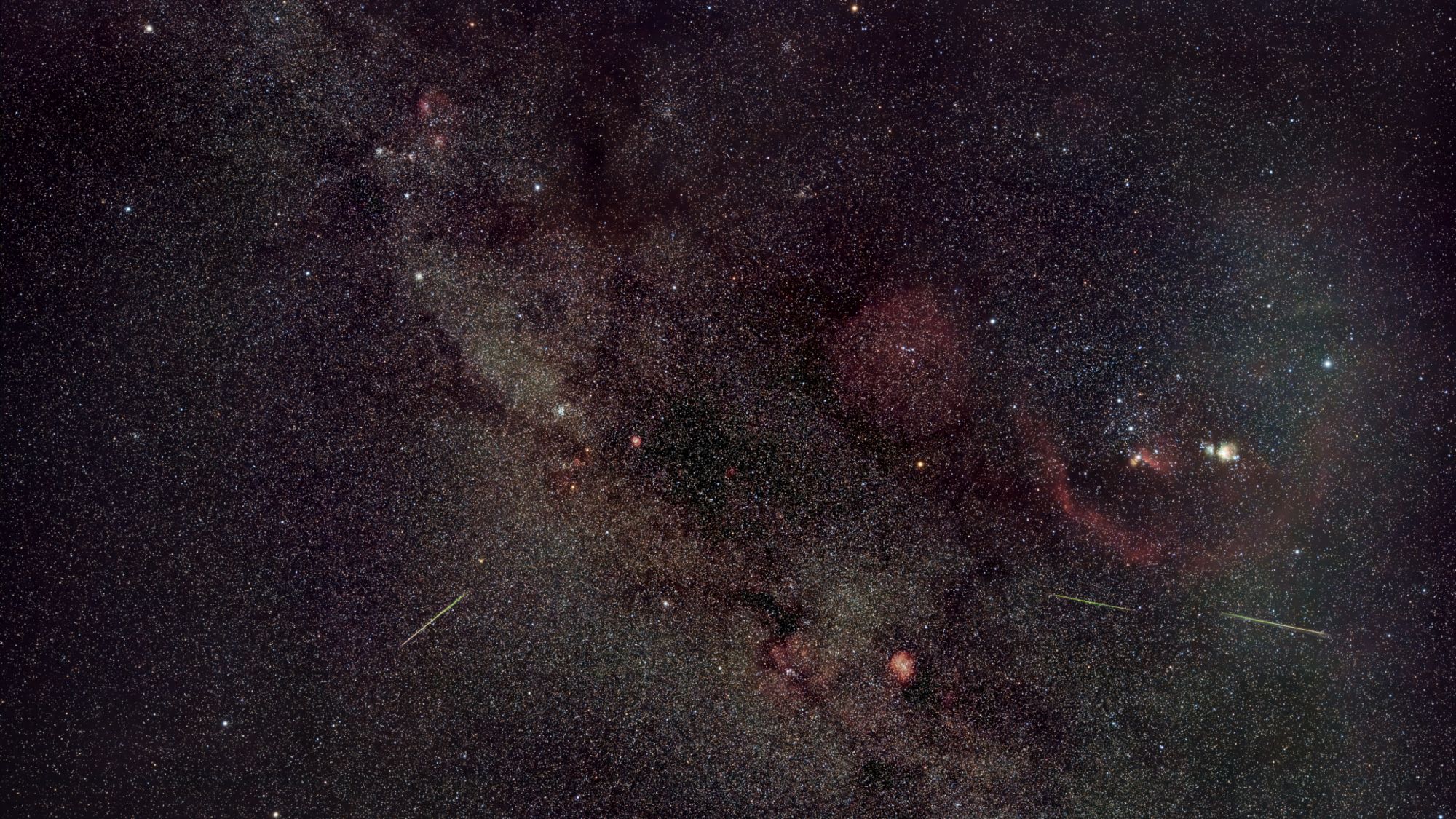
Hours later, the sky show continues with the peak of the Perseid meteor shower on the night of Aug. 12-13. The shower occurs when Earth passes through debris left behind by Comet 109P/Swift-Tuttle, producing bright meteors and occasional fireballs. In 2026, the timing could hardly be better. The same new moon that makes the solar eclipse possible will also create moonless skies for meteor-watching, with observers under dark skies potentially seeing 30 to 50 "shooting stars" per hour.
All of that happens after the eclipse. As a bonus, Venus will blaze low in the west during twilight, the Milky Way will stretch overhead after dark and, in Iceland, there is even a slim possibility of an early-season aurora display. Many visitors will spend 12 hours or more outdoors, arriving long before first contact and remaining under the stars until after midnight. Here’s what to consider buying for this very special day and night beneath the sky.












 English (US) ·
  French (CA) ·
  French (FR) ·