

PROTECT YOURSELF with Orgo-Life® QUANTUM TECHNOLOGY
Orgo-Life the new way to the future Advertising by Adpathway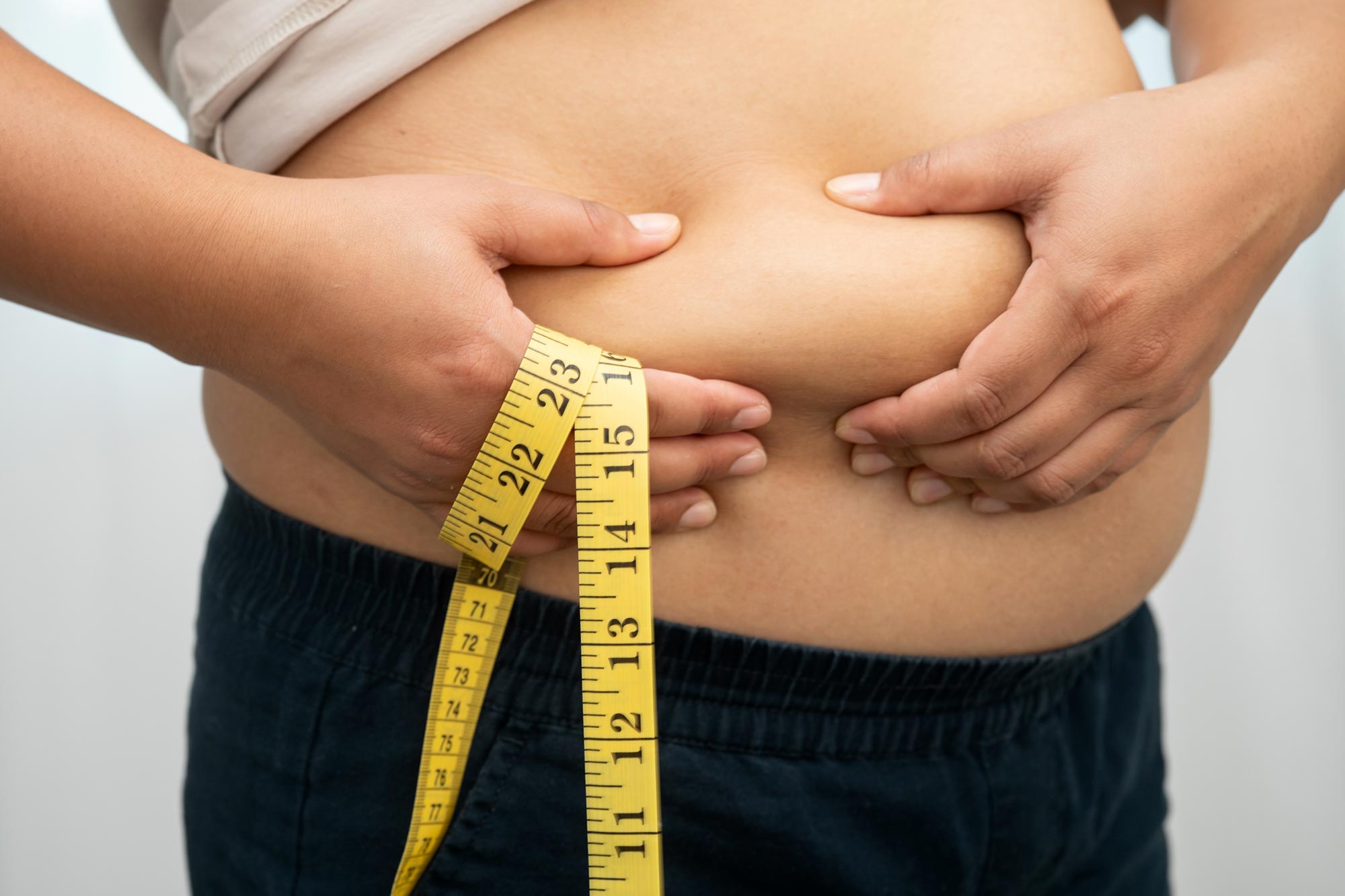 Exercise may do less for initial weight loss than commonly assumed, but it could be crucial for preventing regain. Its benefits may lie in how it reshapes metabolism and supports long-term health. Credit: Shutterstock
Exercise may not drive major weight loss, but it can help maintain results and improve health.
Burning more calories than you consume should lead to weight loss, at least in theory. In everyday life, however, the body often makes that calculation far more complicated.
Many people combine smaller portions or calorie tracking with regular exercise to increase the gap between the energy they consume and use. Yet studies suggest that physical activity alone usually produces only modest reductions in body weight.
That does not make exercise unimportant. Its broader health benefits remain substantial, and physical activity may be especially valuable for preventing weight regain after someone reaches their target.
Why exercise produces modest weight loss
Several biological and behavioral responses can weaken the effect exercise has on body weight.
A workout may increase hunger and prompt someone to eat more. People can also unknowingly become less active later in the day, reducing the overall calorie deficit created by exercise.
With repeated activity, the body may also learn to perform the same movement while using less energy. This response, known as “ ”, reflects the body’s tendency to resist losing weight.
That ability to conserve energy may once have helped humans survive periods of heavy physical effort and limited food. Today, it is one of several mechanisms that can make sustained weight loss difficult.
Exercise matters more after weight loss
Although exercise may not be the main driver of weight loss, it seems it might play a role in maintaining weight loss.
In a study of over 1,100 people, physical activity was shown to have little effect on the amount of weight a person initially lost. However, doing higher levels of activity after losing weight was strongly linked to maintaining the weight loss.
It’s worth noting that exercise was also associated with measurable health improvements – including better cholesterol, lower inflammation, better blood sugar control and insulin sensitivity, all of which are associated with a lower risk of health problems, such as heart disease and type 2 diabetes.
These many health benefits show just how important it is to exercise both while losing weight and maintaining weight loss.
Evidence also suggests that combining exercise with weight loss drugs (such as Saxenda), may help people maintain their weight loss better than using the drug alone.
How activity may prevent regain
It may seem confusing that exercise isn’t especially effective for losing weight but can help prevent regain. The reasons behind this paradox aren’t fully understood, but several mechanisms may offer an explanation.
The first has to do with our resting energy expenditure (the amount of calories our body burns when doing nothing).
When we lose weight, our resting energy expenditure decreases by more than you would expect for the amount of weight lost. This is thought to contribute to weight regain. But exercise raises total daily energy expenditure, which can help to partially offset this.
A second factor relates to muscle mass.
Weight loss usually results in the loss of both fat and muscle. Losing muscle lowers resting energy expenditure, which can contribute to weight regain.
But exercise, especially resistance training (such as Pilates or lifting weights), can help preserve or even rebuild muscle mass. This can boost our metabolism, which may aid in long-term weight maintenance.
Physical activity also helps our body to maintain its ability to burn fat. After losing weight, the body often becomes less efficient at using fat for energy.
But intense exercise can improve fat burning and metabolic flexibility – the ability to switch between burning carbohydrates and fat depending on what’s available. This helps the body continue burning fat even when calorie intake is low or weight is lost.
Exercise improves insulin sensitivity as well. This reduces the amount of insulin required to regulate blood sugar. This is beneficial as higher insulin levels can promote fat storage and reduce fat breakdown.
Exercise has many indirect effects on us that can aid in weight maintenance. For instance, exercise can improve sleep, mood, and reduce stress levels. These all reduce levels of the stress hormone cortisol, which could lower the amount of fat the body stores.
Regular activity can also help regulate appetite and blood glucose, which may help reduce cravings and limit overeating.
Different workouts offer different benefits
It’s important to acknowledge that everyone is different. This means we all respond differently to exercise in terms of how many calories we burn or whether a workout makes us feel hungrier later in the day.
Different types of workouts also confer their own benefits when it comes to health and weight maintenance.
Aerobic exercise (such as brisk walking, cycling or running) burns calories and, at higher intensities, may also enhance the body’s ability to burn fat for fuel.
Resistance training, on the other hand, helps build and preserve muscle mass. This supports a higher resting energy expenditure, aiding long-term weight maintenance.
Exercise may not be the most powerful tool for losing weight, but it could help sustain hard-earned weight loss. Perhaps most importantly, it offers many physical and mental health benefits that go far beyond the numbers on the scale.
Adapted from an article originally published in The Conversation.
Never miss a breakthrough: Join the SciTechDaily newsletter.
Follow us on Google and Google News.



















 English (US) ·
  French (CA) ·
  French (FR) ·