

.jpg) 1 month ago
20
1 month ago
20
PROTECT YOURSELF with Orgo-Life® QUANTUM TECHNOLOGY
Orgo-Life the new way to the future Advertising by AdpathwayI’ve never liked categorizing types of irons.
I get why we have these categories, though. Player’s irons, player’s distance irons, game-improvement irons and super game-improvement irons give golfers a starting point. But the lines blur more than the marketing lets on and plenty of golfers find the right club without fitting neatly into one box.
Still, understanding the four types matters, especially if your game is changing and you’re trying to figure out what’s out there for you. I used this year’s Most Wanted test results to break down what separates player’s irons, player’s distance irons, game-improvement irons and super game-improvement irons: loft, sole design, center of gravity and face technology. We’ll use each category’s winner from this year’s testing as the example.
What are the four types of golf irons?
- Player’s Irons: Compact, minimal offset, built for control and shot-shaping over distance.
- Player’s Distance Irons: A blend of player’s iron looks with added speed and forgiveness.
- Game-Improvement Irons: Larger heads, wider soles and lower CG for easier launch and more forgiveness.
- Super Game-Improvement Irons: The most forgiving category, built to help golfers who need the most help getting the ball airborne.
Our instruction content combines insights from equipment testing, data analysis, and golf experts to help golfers improve with evidence-based advice.
Player’s irons
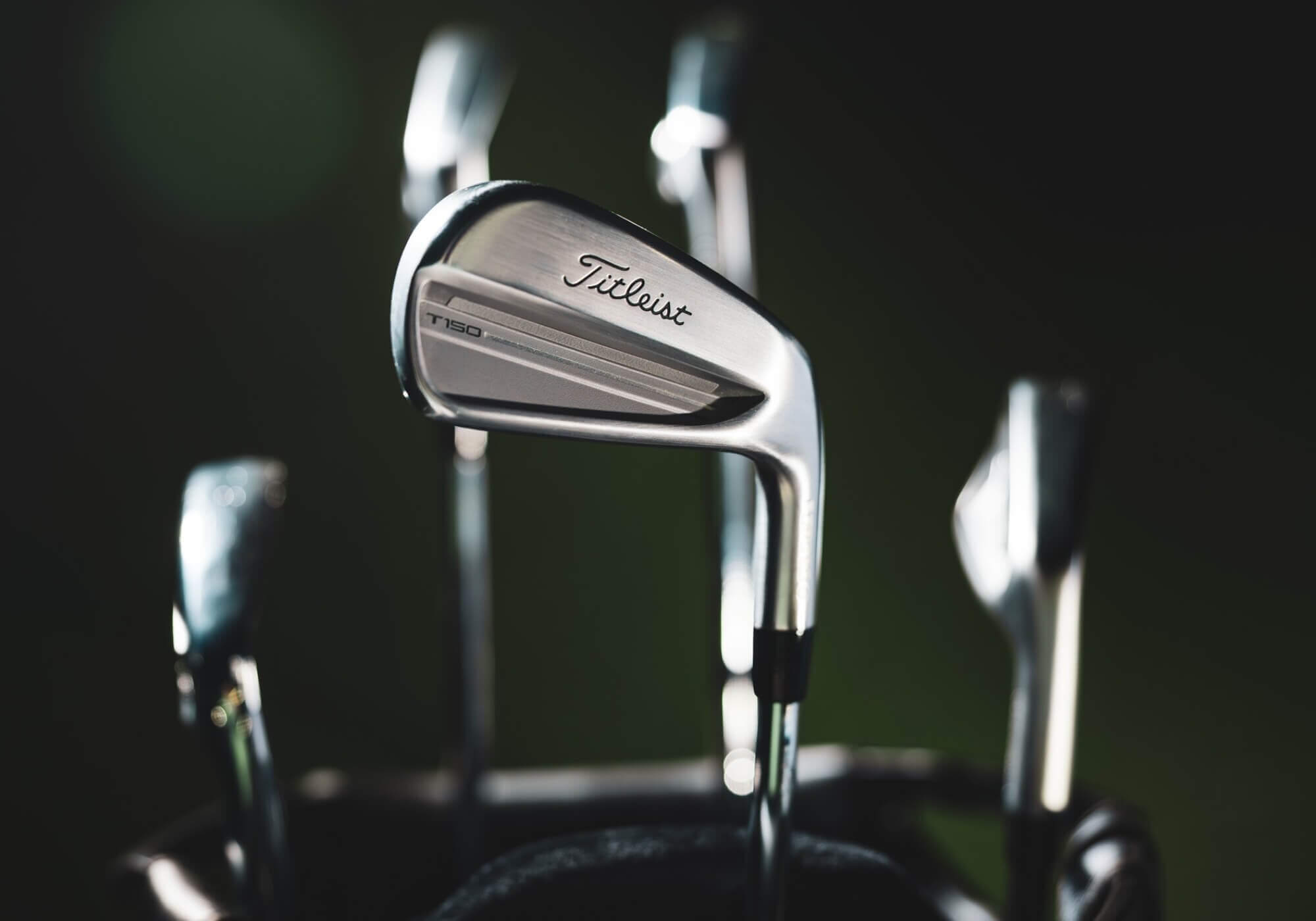
Player’s irons are built for control, not distance. They have compact heads, minimal offset, thin toplines. This is the category for a skilled ball striker who wants to work the ball and control trajectory.
This year’s winner, the Titleist T150, does something a little rare for the category. It adds distance compared to other player’s irons without giving up forgiveness and that’s what pushed it to the top.
What’s built in. Player’s irons run higher, more traditional lofts than the other three categories. Tungsten weighting and dual-cavity construction place the center of gravity precisely in these smaller heads. Variable face thickness, once a game-improvement-only feature, now shows up here too. The technology is tuned for control and spin consistency instead of ball speed on a miss.
Who it’s for. Golfers who find the center of the face often, with misses that stay slightly toward the heel or toe rather than genuinely thin or fat contact. If your dispersion is wide no matter where you make contact, look at the next category instead.
Player’s distance irons
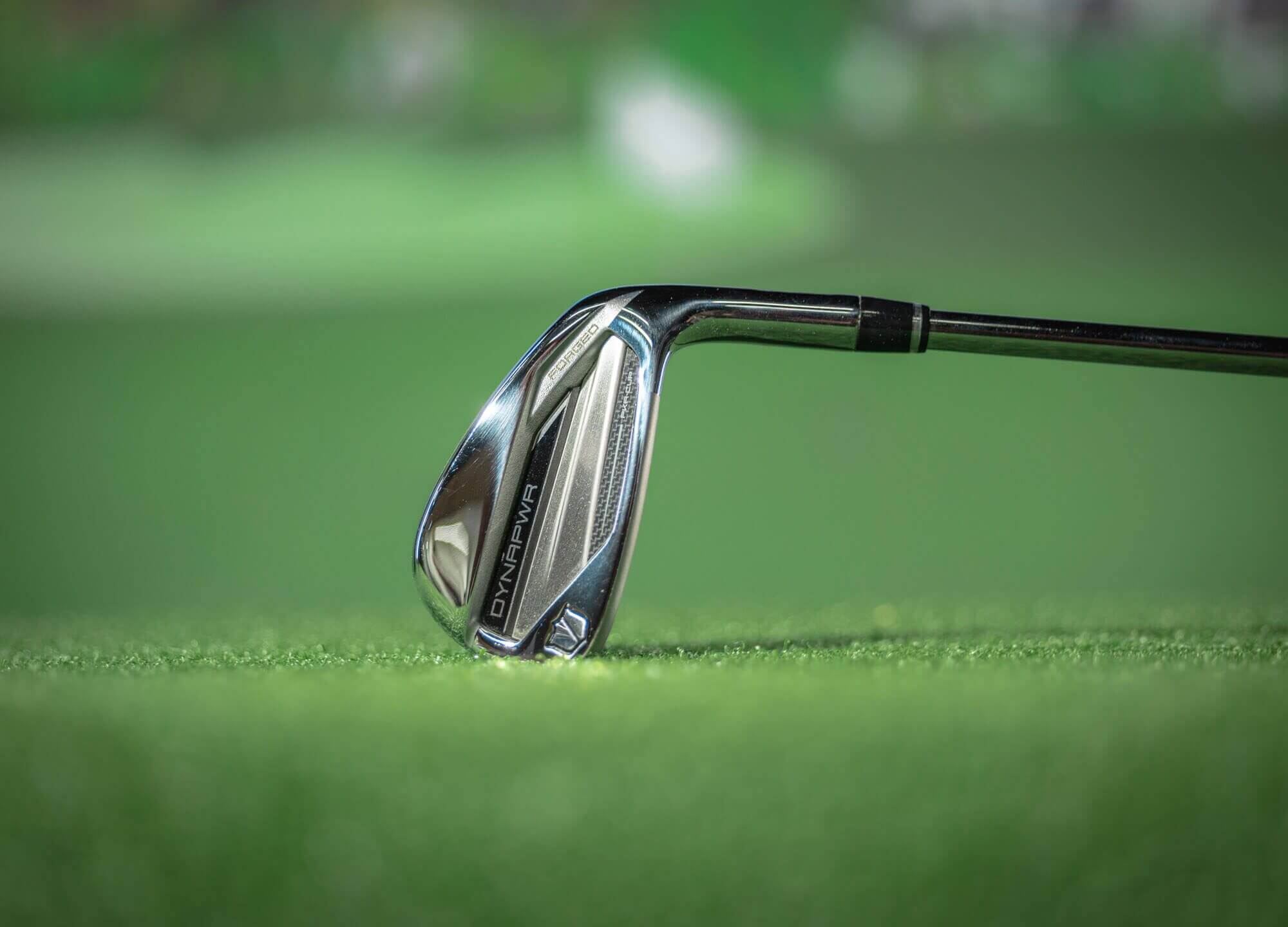
Player’s distance irons are the tweener category. They have a player’s iron look with more speed and forgiveness. It’s traditionally the category golfers move to when they want to keep the compact profile but stop giving up so much yardage and margin for error.
This year’s winner, the Wilson DYNAPWR Forged, won by leading the field in accuracy and forgiveness rather than pure distance. That combination of consistency is what helped it win.
What’s built in. The head is forged from 8620 carbon steel, softer than the cast construction found in most game-improvement irons. The face uses AI-optimized variable face thickness to keep ball speed up across a wider area of contact.
Behind the face, a urethane-filled cavity dampens vibration, which is why testers kept describing the feel as “pure” even on shots that missed center. It’s a good example of how this category borrows player’s iron construction and adds forgiveness on top, instead of starting from a game-improvement shape and shrinking it down.
Who it’s for. Golfers who like a player’s-iron look but whose misses cost them more than they’d like, whether that’s a step down in ball speed or a wider miss pattern than a true player’s iron can absorb. If you’re consistently finding the center already, you likely won’t feel the benefit here. If your misses vary shot to shot, this category is built to shrink that gap.
Game-improvement irons
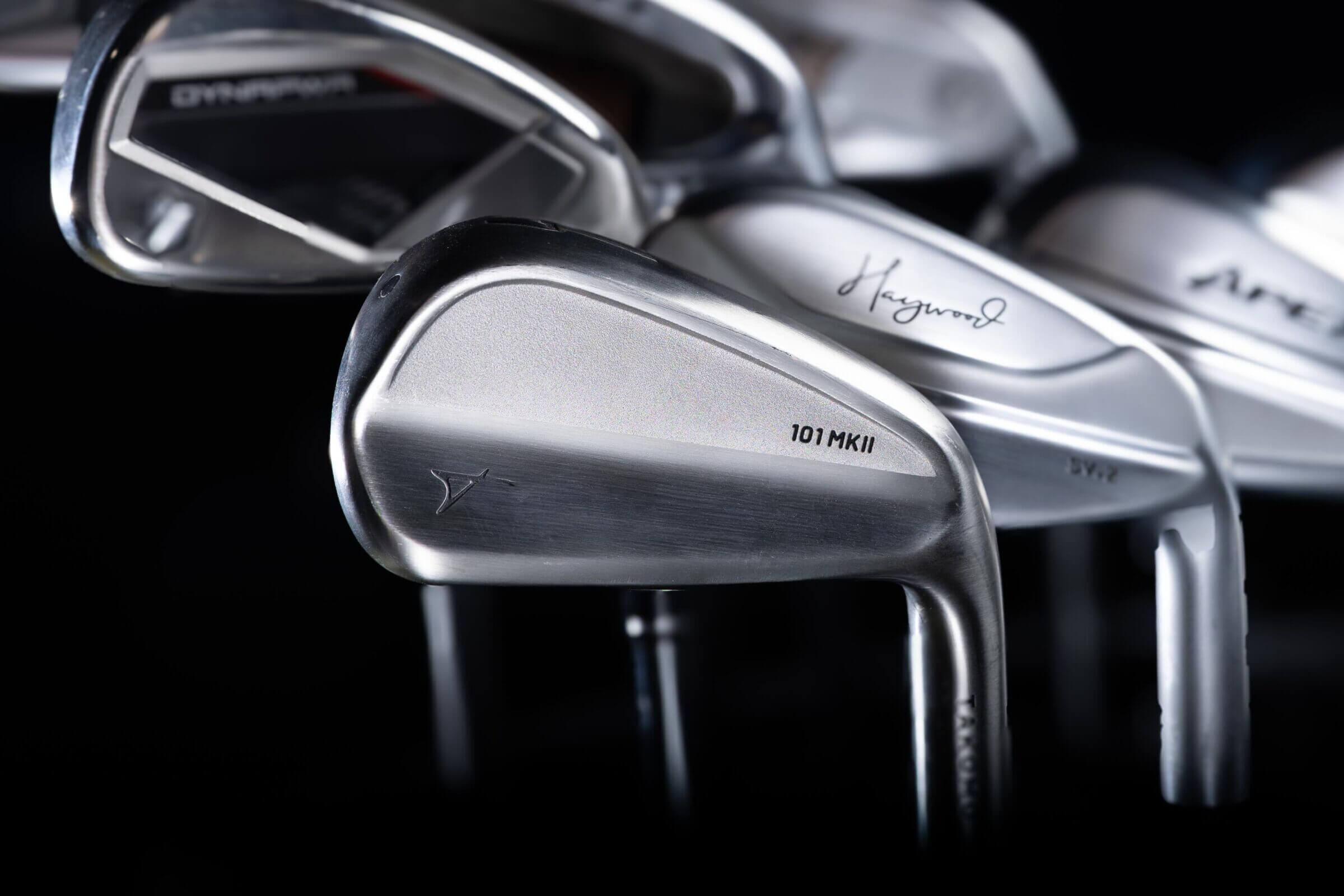
Game-improvement irons are traditionally built to chase distance and forgiveness first, with accuracy as a byproduct. They tend to have larger heads, wider soles and more offset. Everything is there to help the ball get airborne easily and forgive a mishit.
This year’s winner, the Takomo 101 MKII, won by posting the best accuracy score in the field and did it at $579, a fraction of what most game-improvement sets cost.
What’s built in. The 101 MKII uses a hollow-body design with a 431 stainless steel body and a 17-4 stainless steel face that varies in thickness across the hitting area. The face thickness thins out toward the heel and toe so a mishit still gets support instead of losing ball speed. Perimeter weighting keeps the head stable on those off-center hits. It’s the same variable-face-thickness concept as the two categories above, just tuned for a bigger margin for error.
Who it’s for. Golfers whose misses aren’t just off-center but genuinely thin or fat and who need the sole and face design to bail them out rather. If you’re already finding the face consistently, you won’t need this much forgiveness and a player’s distance iron will feel more precise in your hands.
Super game-improvement irons
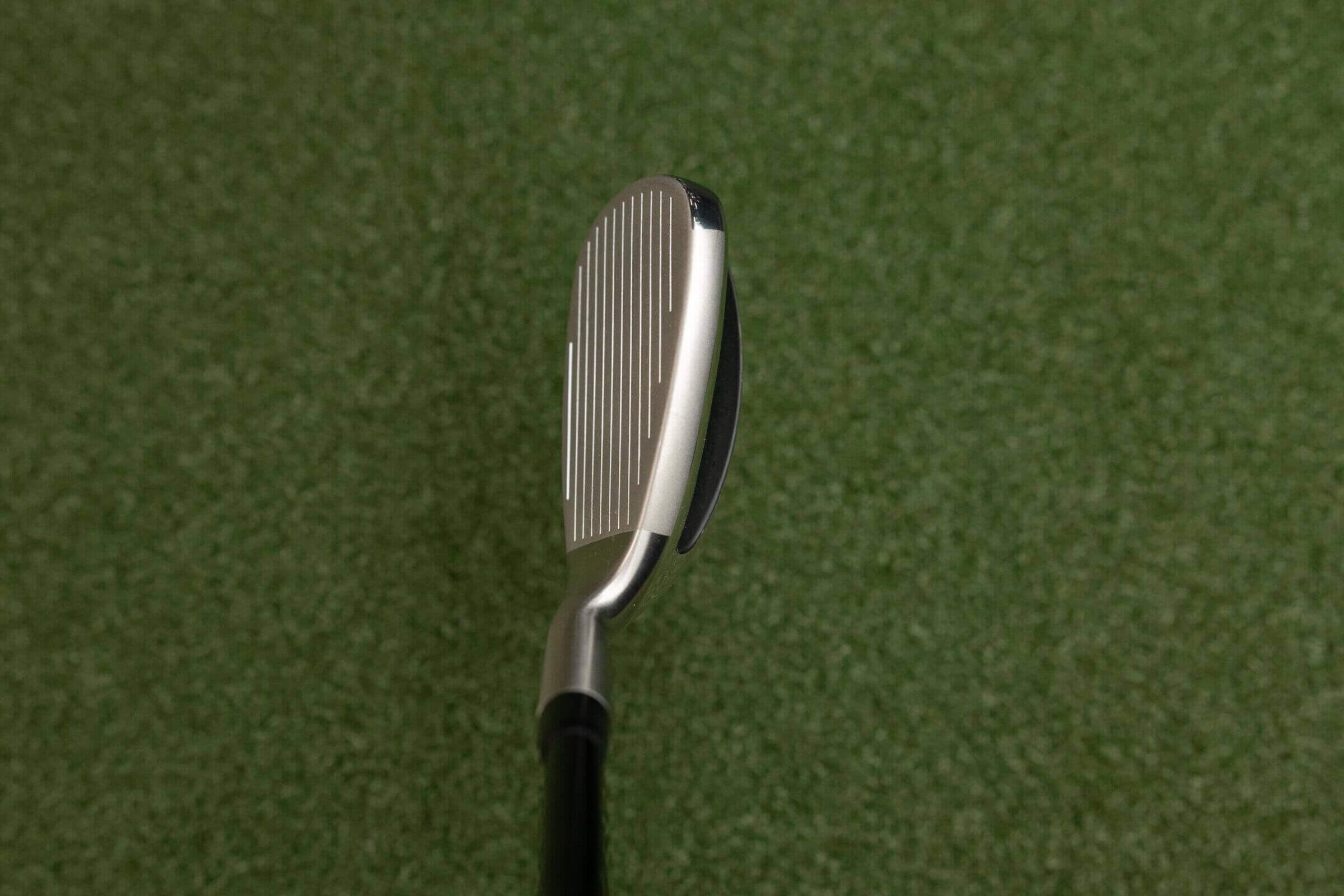
Super game-improvement irons exist to get the ball airborne and keep it there, even on the worst contact. This is the widest sole, most forgiving, least shapeable category, often built with a hollow, hybrid-like construction rather than a traditional iron shape.
This year’s winner, the Tour Edge Hot Launch Max D, is a good example of how far this category has come. It didn’t just win on forgiveness which is the traditional strength here. It also won for accuracy, all at a $599.99 price point that undercuts most of the field.
What’s built in. The Max D uses a hollow-body “ironwood” shape that redistributes mass to the perimeter which is also why it looks more like a hybrid than an iron at address. The shape and design allow the weaker lofts and lower center of gravity to get the ball up quickly, even on a shot caught low on the face. A diamond-patterned variable face thickness handles ball speed across the head. It’s the same underlying idea as the other three categories, just working with far more forgiveness built in.
Who it’s for. Golfers who struggle to get the ball airborne consistently, whether that’s from swing speed, strike quality or both, and who need the club to do more of the work. If shaping shots or a traditional look matters to you, this category asks you to give that up. What you get in return is a much smaller gap between your best swing and your worst one.
Final thoughts
Now that you understand the four different types, it might make it easier to narrow down where your game stands. If you’re stuck between two categories, that’s understandable and it happens more than you’d think. Some players even build combo sets that mix player’s irons and player’s distance or player’s distance and game-improvement, so you’re not locked into one category for the whole bag. Figure out how you miss and the rest starts to sort itself out.






















 English (US) ·
  French (CA) ·
  French (FR) ·