

 4 hours ago
5
4 hours ago
5
PROTECT YOURSELF with Orgo-Life® QUANTUM TECHNOLOGY
Orgo-Life the new way to the future Advertising by Adpathway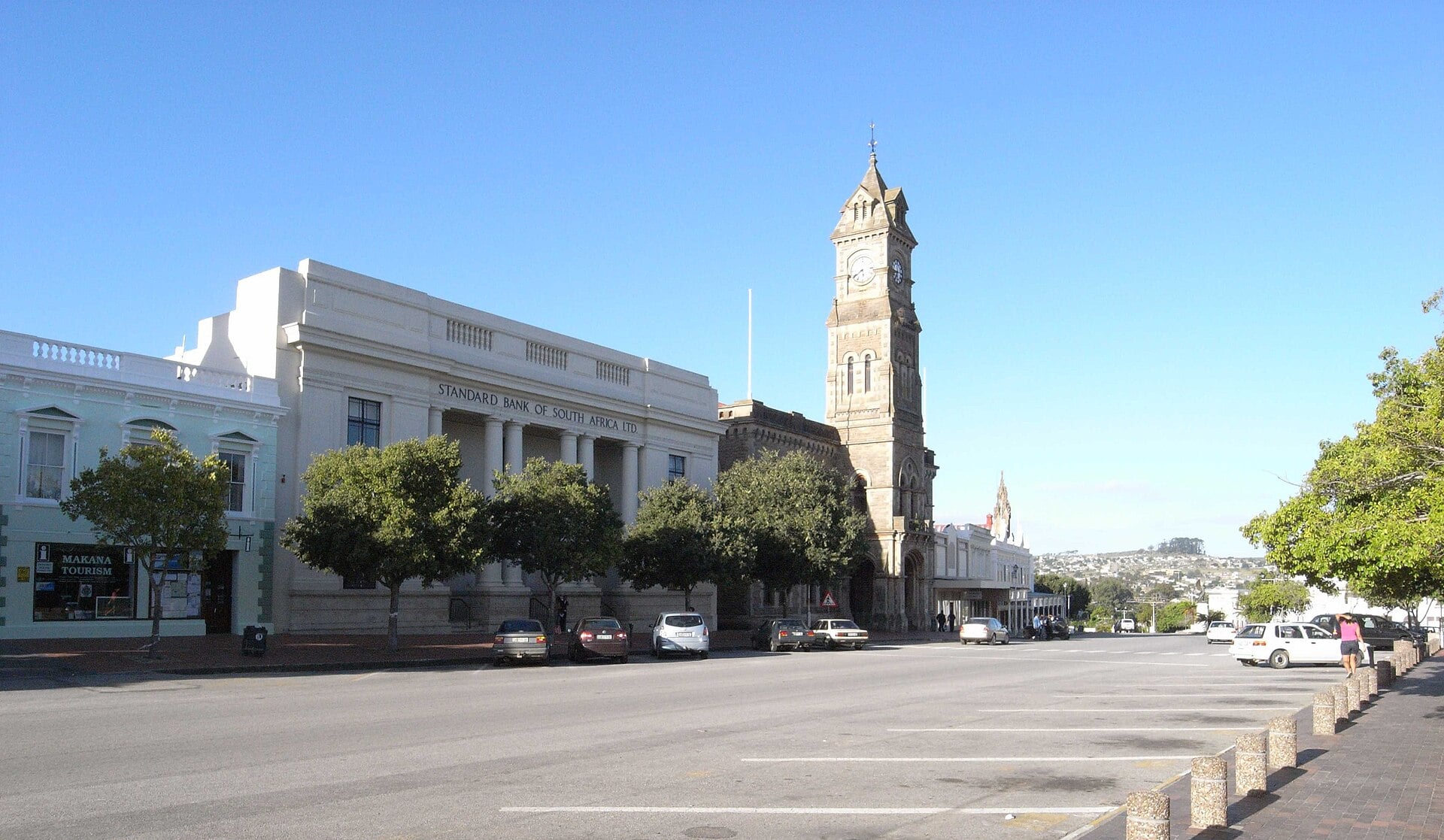
Key Facts
- —The country South Africa has 64.7 million people and Africa’s most industrialised economy. Its output was about US$427 billion in 2025 (World Bank), a little below Denmark’s. Its 257 municipalities run local water supply.
- —Why it matters Makhanda is an Eastern Cape university town and host of the National Arts Festival. It has lived with unreliable taps for more than a decade.
- —Why now Mayor Yandiswa Vara spoke a month before the 4 November local elections. In June, the national Human Rights Commission recommended dissolving her council.
- —What happened On Friday 2 October, Vara conceded that the town’s water infrastructure is broken and promised uninterrupted supply next year, News24 reported.
- —The numbers The main treatment plant upgrade began in 2015 with a R102 million (about US$6.1 million) budget. It has cost R279 million (about US$16.7 million) so far.
- —What it means for you Visitors, students and investors should plan for water cuts. Firms and institutions that can afford it already pay for their own supply.
- —Still open The final upgrade phase was only 12% complete in September and is due in September 2027. Steady taps next year are far from assured.
A South African mayor has admitted that the Makhanda water network is broken and promised uninterrupted supply next year. The plant upgrade meant to deliver it is only 12% complete and runs to September 2027.
Makhanda, formerly Grahamstown, is a town in South Africa’s Eastern Cape province, home to Rhodes University and the annual National Arts Festival. It is run by Makana Local Municipality, one of 257 municipalities that supply water, power and sanitation across the country.
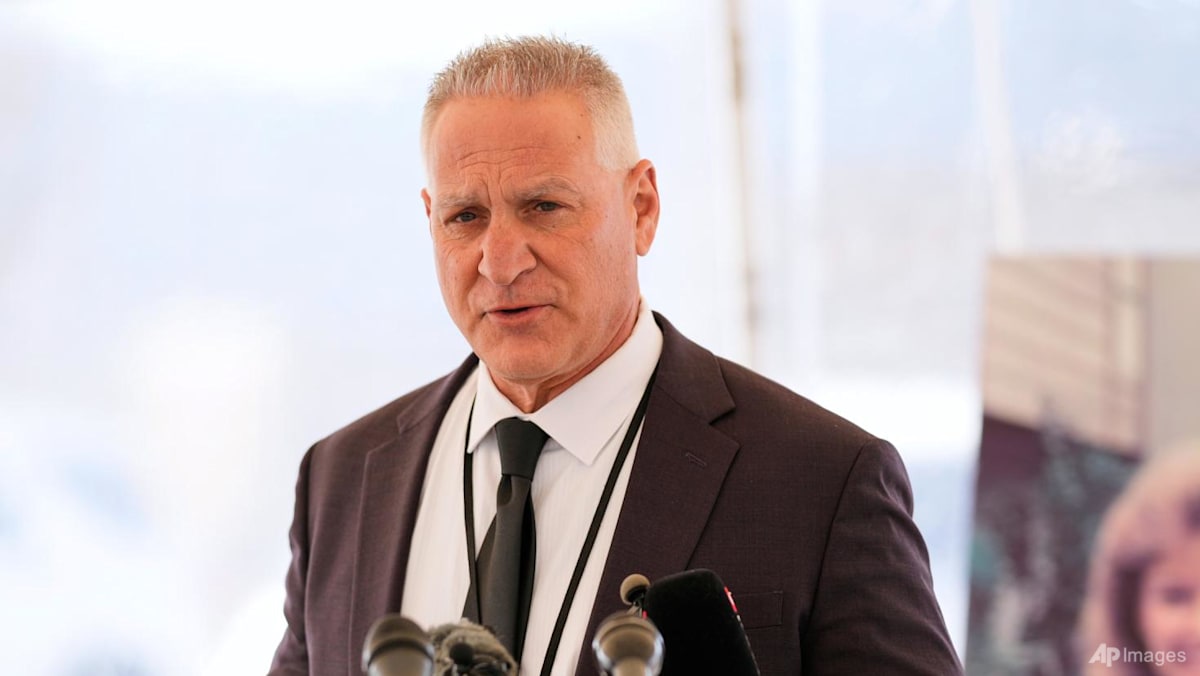
On Friday 2 October, Executive Mayor Yandiswa Vara told reporters in Makhanda that the town’s water infrastructure is broken, News24 reported. She promised residents uninterrupted water next year.
A mayor concedes the obvious
Vara spoke alongside council speaker Mabhuti Matyumza, a month before South Africa’s local government elections on 4 November. News24 described her as the political head of one of the province’s most dysfunctional municipalities, with her term drawing to a close.
Many residents get water for only a few hours early in the morning, they told the news site GroundUp in September. Some go without for two days.
Businesses, institutions and households that can afford it now fund their own supply, independent of the municipality. Outages have been frequent for at least 14 years, GroundUp reported.
Follow this story
Get an email when there’s news on Eastern Cape
Free. One email a day at most, and only when there is news. This also signs you up to our weekday newsletter, Africa Intelligence. Nothing arrives until you click the confirmation link, and you can stop either with one click. Privacy policy.
Water exists, but the system fails
The problem is not a lack of water. South Africa’s national water department testified to the Human Rights Commission that local rivers and dams hold enough raw water.
The commission, an independent body set up under the constitution, issued its final report on 10 June. It found “structural and systemic” failures and recommended dissolving the council, News24 and the local paper Grocott’s Mail reported.
The council was not dissolved, and Vara remains in office. Voters will now give their own verdict in November.
The upgrade that never ends
The promise rests on the James Kleynhans Water Treatment Works, the town’s main plant. A national upgrade aims to double its output from 10 million to 20 million litres a day.
Work began in 2015 and was due to finish in 2018 at a cost of R102 million (about US$6.1 million). Amatola Water, the state-owned agency running the project, says it has cost R279 million (about US$16.7 million) so far.
A third and final phase started in March 2026 at an added cost of R223 million (about US$13.4 million). That takes the total above R500 million (about US$30 million), roughly five times the original budget.
Six months into the 18-month phase, the work was 12% complete, Amatola Water spokesperson Nolitha Mbangcolo told GroundUp. The phase is due in September 2027, late in the year the mayor promised steady taps.
Even after the second phase was completed, the plant still does not deliver 20 million litres a day. Grocott’s Mail reported in July that two of the plant’s pumps were away for repair, leaving a single pump running.
The money behind Makhanda water
Makana’s 2026/27 budget shows operating revenue of about R959 million (about US$57.6 million), excluding capital grants. Its capital budget is R116.6 million (about US$7 million).
About 71% of that capital spending, or R83 million (about US$5 million), comes from government grants. The municipality plans to add R33.6 million (about US$2 million) of its own, which the budget says depends on better revenue collection.
The same document says old debts weaken its finances. They include the bulk account with Eskom, the state power utility, and a Development Bank of Southern Africa loan.
National debt relief schemes for electricity and water have brought some write-offs, the budget adds.
Council agendas in August showed water maintenance funding cut from R31.68 million (about US$1.9 million) to R26.29 million (about US$1.6 million). The council approved pay rises for senior managers that month, Grocott’s Mail reported.
Amounts are converted at about R16.66 to the US dollar, the rate at the close of trading on Friday 2 October.
Who gains and who loses
High-lying and informal areas suffer most from the cuts, according to residents and the Human Rights Commission. They would gain most if the upgrade finally delivers.
Rhodes University, the arts festival and local firms also depend on steady water. Some now budget for their own tanks and boreholes, a cost that deters new investment.
The Special Investigating Unit, a state anti-corruption body, has probed water contracts in the municipality since October 2024. It told Parliament in August that the probe had led to two referrals to prosecutors.
The broader South African bind
Makhanda water failures reflect a wider pattern in South Africa. Many towns depend on national grants and state agencies for big projects, while weak collection and maintenance undermine daily supply.
This story fits the wider scramble for functional infrastructure across the continent. Read more in Africa: The New Scramble.
What to watch next
The first test is the 4 November election, which will decide who runs Makana and inherits the mayor’s promise. The second is progress on the final upgrade phase at the James Kleynhans plant.
Watch also whether the plant’s pumps are repaired and its second pipeline restored. Without both, doubled capacity on paper may not end Makhanda water cuts.
Frequently Asked Questions
Why does Makhanda keep running out of water?
Ageing pipes, broken pumps and an unfinished treatment plant upgrade keep supply below demand. South Africa’s water department told the Human Rights Commission that raw water is not the problem.
What is the James Kleynhans upgrade?
It is a national project to double the main plant’s capacity from 10 million to 20 million litres a day. Work began in 2015, and the final phase is due in September 2027.
Will Makhanda have uninterrupted water next year?
The mayor has promised it, but the final upgrade phase was only 12% complete in September. Municipal elections on 4 November will also bring a new council.
What does the crisis mean for visitors to Makhanda?
The town remains open to visitors, students and festival crowds. Expect Makhanda water cuts, especially in high-lying areas, and carry bottled water.







 English (US) ·
  French (CA) ·
  French (FR) ·