

PROTECT YOURSELF with Orgo-Life® QUANTUM TECHNOLOGY
Orgo-Life the new way to the future Advertising by Adpathway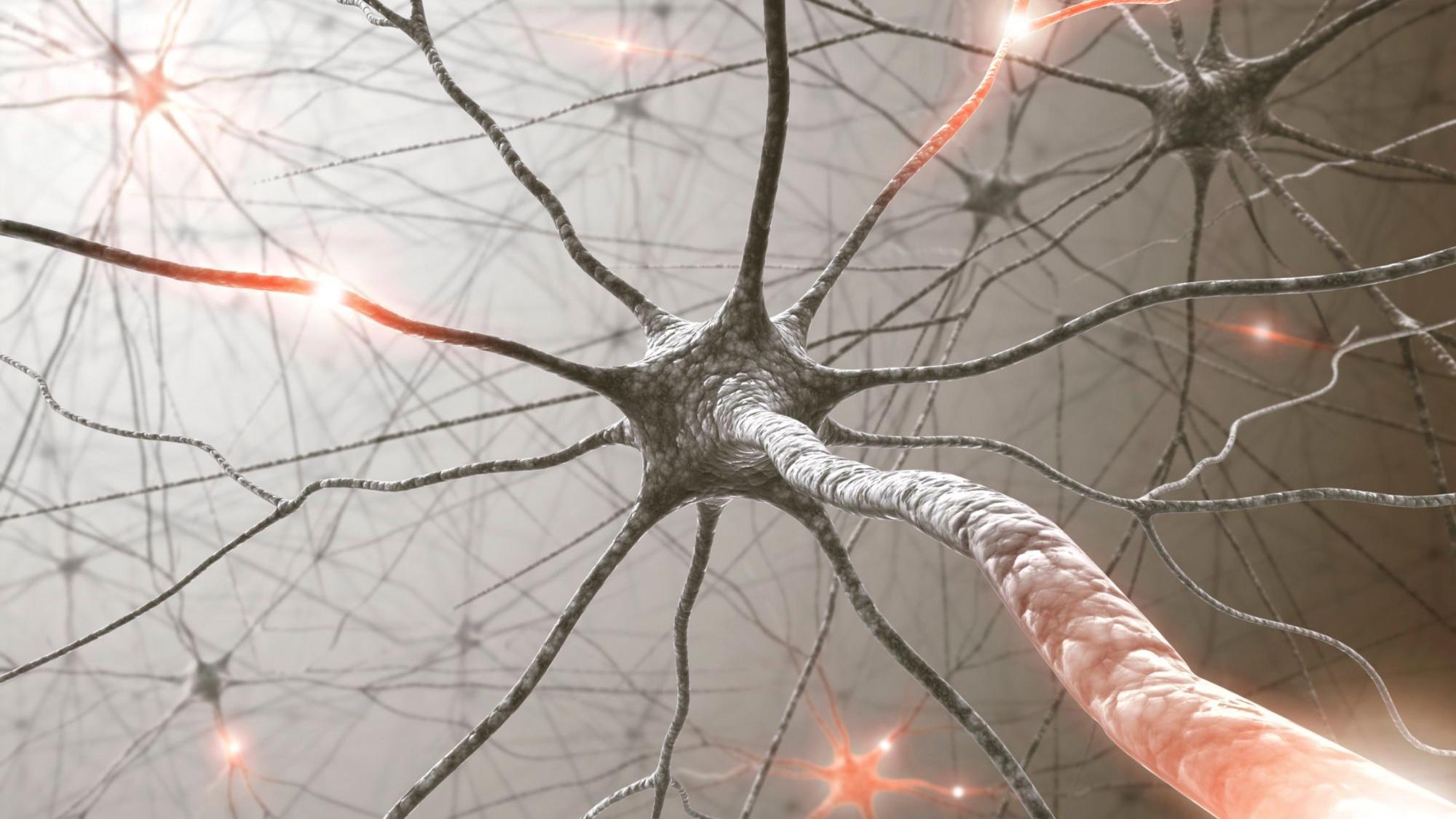 Aging is the strongest risk factor for neurodegenerative diseases, yet the molecular mechanisms that connect age to brain pathology remain poorly understood. In a new study, researchers identify the aging-associated protein EPS8 as a key driver of toxic protein aggregation in both worm models and human cells. Credit: Stock
Scientists have identified a conserved aging-related protein, EPS8, that promotes toxic protein aggregation linked to neurodegenerative diseases.
Although growing older is the strongest known risk factor for neurodegenerative disorders, researchers still do not fully understand which specific molecular changes that occur with age actually trigger these diseases.
To investigate this question, scientists led by Professor Dr David Vilchez at the CECAD Cluster of Excellence for Aging Research turned to the tiny roundworm Caenorhabditis elegans. Using this well-established model organism, the team explored how aging influences a signaling pathway that promotes the buildup of abnormal proteins over time. Their findings were published in Nature Aging.
EPS8 and Pathological Protein Aggregation
The researchers centered their work on EPS8, a protein linked to the aging process, along with the signaling networks it controls. Previous studies have shown that EPS8 levels rise as organisms age and that the protein can trigger damaging cellular stress responses that shorten lifespan in worms.
In the new study, the team discovered that elevated EPS8 levels and increased activity in its signaling pathways lead to harmful protein clumping and nerve cell damage. These protein aggregates are a defining feature of several age-related brain disorders, including Huntington’s disease and amyotrophic lateral sclerosis (ALS).
When the scientists reduced EPS8 activity in worm models of these conditions, toxic protein buildup was significantly lowered. As a result, neuronal function was preserved, suggesting that EPS8 plays a key role in connecting aging to disease-related protein aggregation.
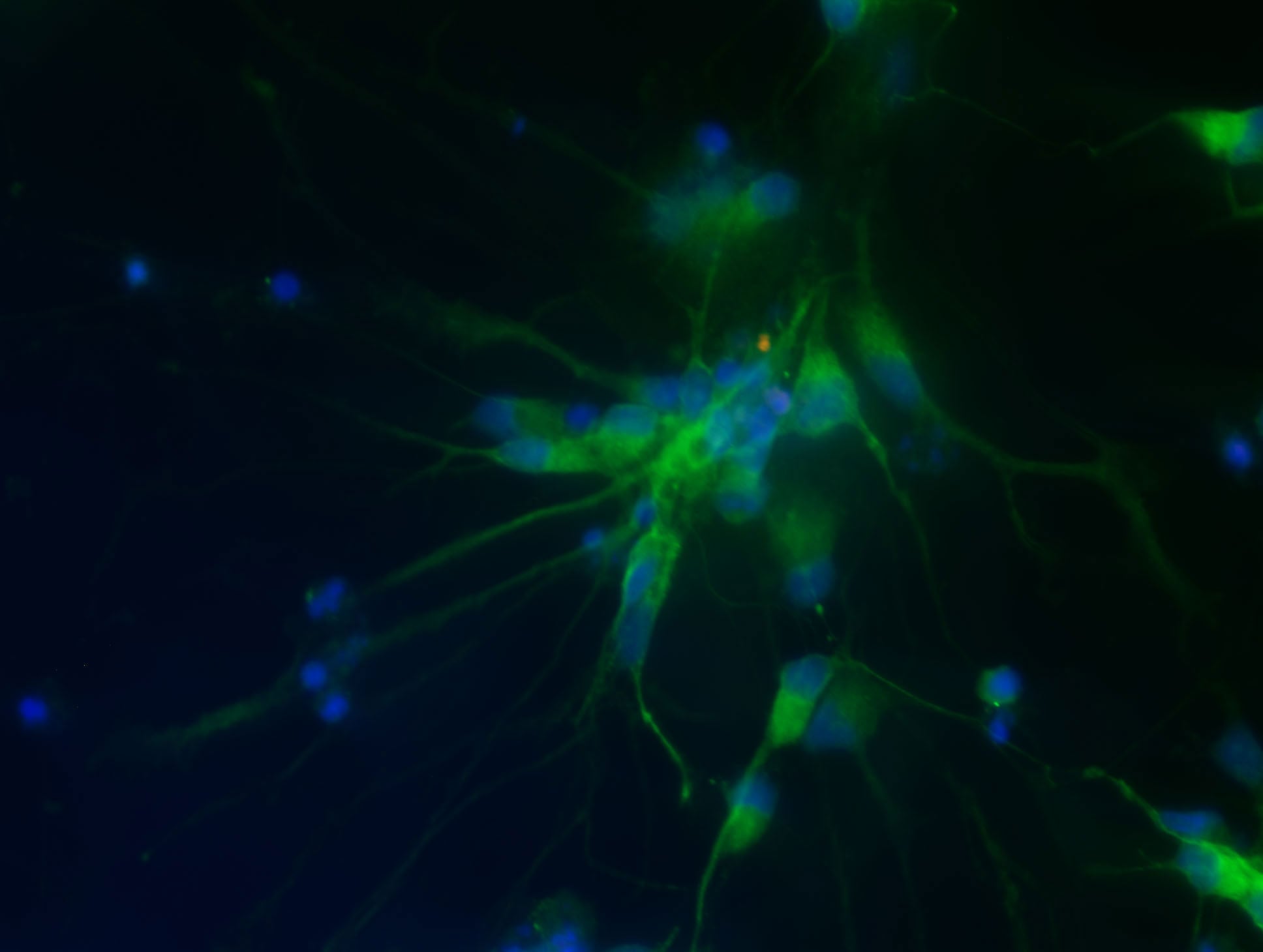 Representative immunofluorescence image illustrating the neuroprotective effect of USP4 knockdown in iPSC-derived motor neurons (green) carrying an ALS-linked mutation. Inhibition of USP4 (EPS8 signaling partner) prevents the neurodegeneration (yellow) normally induced by the ALS mutation. Credit: Seda Koyuncu
A Molecular Link Between Aging and Disease
“We are delighted to uncover a molecular mechanism that could shed light on to how aging contributes to diseases like ALS and Huntington’s,” says first author Dr Seda Koyuncu. “For years, we’ve known that age is the major common risk factor for different neurodegenerative diseases. However, how exactly age-related changes contribute to these diseases remain largely unknown. This study may contribute to fill in a part of that puzzle.”
Importantly, EPS8 and the proteins it interacts with are evolutionarily conserved, meaning they are also found in human cells. The researchers observed comparable effects in human cell models of Huntington’s disease and ALS. Lowering EPS8 levels in these cells reduced the formation of toxic protein aggregates, mirroring the protective effects seen in worms.
From Worms to Human Cells
“It’s incredibly exciting that the mechanisms we uncovered in C. elegans are also conserved in human cell models,” says Professor Dr David Vilchez, highlighting how the use of simpler model organisms like the nematode worm can prove extremely useful to uncover disease mechanisms relevant to humans.
Although scientists still need to determine exactly how increased EPS8 activity triggers toxic protein aggregation, the study helps close an important knowledge gap. It establishes a direct molecular connection between aging and neurodegeneration. The findings also point to EPS8 and its signaling partners as potential therapeutic targets for slowing or preventing the progression of ALS, Huntington’s disease, and possibly other age-related neurological disorders.
Reference: “The aging factor EPS8 induces disease-related protein aggregation through RAC signaling hyperactivation” by Seda Koyuncu, Yaiza Dominguez-Canterla, Rafael Alis, Nassima Salarzai, Dunja Petrovic, Nuria Flames and David Vilchez, 3 September 2025, Nature Aging.
DOI: 10.1038/s43587-025-00943-w
Never miss a breakthrough: Join the SciTechDaily newsletter.
Follow us on Google and Google News.






















 English (US) ·
  French (CA) ·
  French (FR) ·