

 1 month ago
57
1 month ago
57
PROTECT YOURSELF with Orgo-Life® QUANTUM TECHNOLOGY
Orgo-Life the new way to the future Advertising by AdpathwaySafety: Peru
Key Facts
- —A pre-dawn attack in Trujillo on Sunday killed four people and kidnapped mining businessman Jens Marty Lara Tantaquilla, 31. He remained missing on Monday morning.
- —The armed forces will take outside control of five maximum-security prisons to cut the phone networks that run extortion from inside — though the defence minister could not say when the operation starts.
- —Reported extortion cases jumped from 4,761 in 2021 to more than 22,000 in 2024, according to the attorney general’s office, and kidnapping for ransom has returned.
- —Lima and Callao were already under a standing state of emergency, with military-backed patrols; the Trujillo response extends the security posture north to La Libertad.
- —Politics are part of the story: Premier Luis Galarreta ties the response to special legislative powers the government had requested from Congress, which had not been granted when the attack happened.
Four dead, a businessman in the hands of an extortion gang, and soldiers headed for the prison gates: Peru’s security crisis has entered a new phase. Here is what the emergency mode means in practice for travelers, expats and anyone with business in the country.

One-stop reference
Company Intelligence
Every listed company in Latin America — financials, ownership and structure for 1,450+ companies across 26 exchanges, in one place.
What happened in Trujillo
Before dawn on Sunday 30 August, gunmen attacked a pickup truck on Avenida Húsares de Junín, one of Trujillo’s main avenues. Four people were killed: Farhad Andrea Monzón Lingán and Nadia Edith Urtecho Rodríguez, and bodyguards Luis Alberto Rojas Ramos and Christopher Eduardo García Álvarez. The target, mining businessman Jens Marty Lara Tantaquilla, 31, was kidnapped; there was no word on his whereabouts by Monday morning.
Police in La Libertad blame the extortion gangs Los Pulpos or La Jauría, both rooted in the region’s criminal economy. Trujillo and the mining corridors of La Libertad sit at the centre of Peru’s extortion boom: reported cases nationwide jumped from 4,761 in 2021 to more than 22,000 in 2024, according to figures cited by the attorney general’s office, and kidnapping for ransom — a crime Peruvians associate with the 1990s — has returned with it.
The state’s answer: prisons first
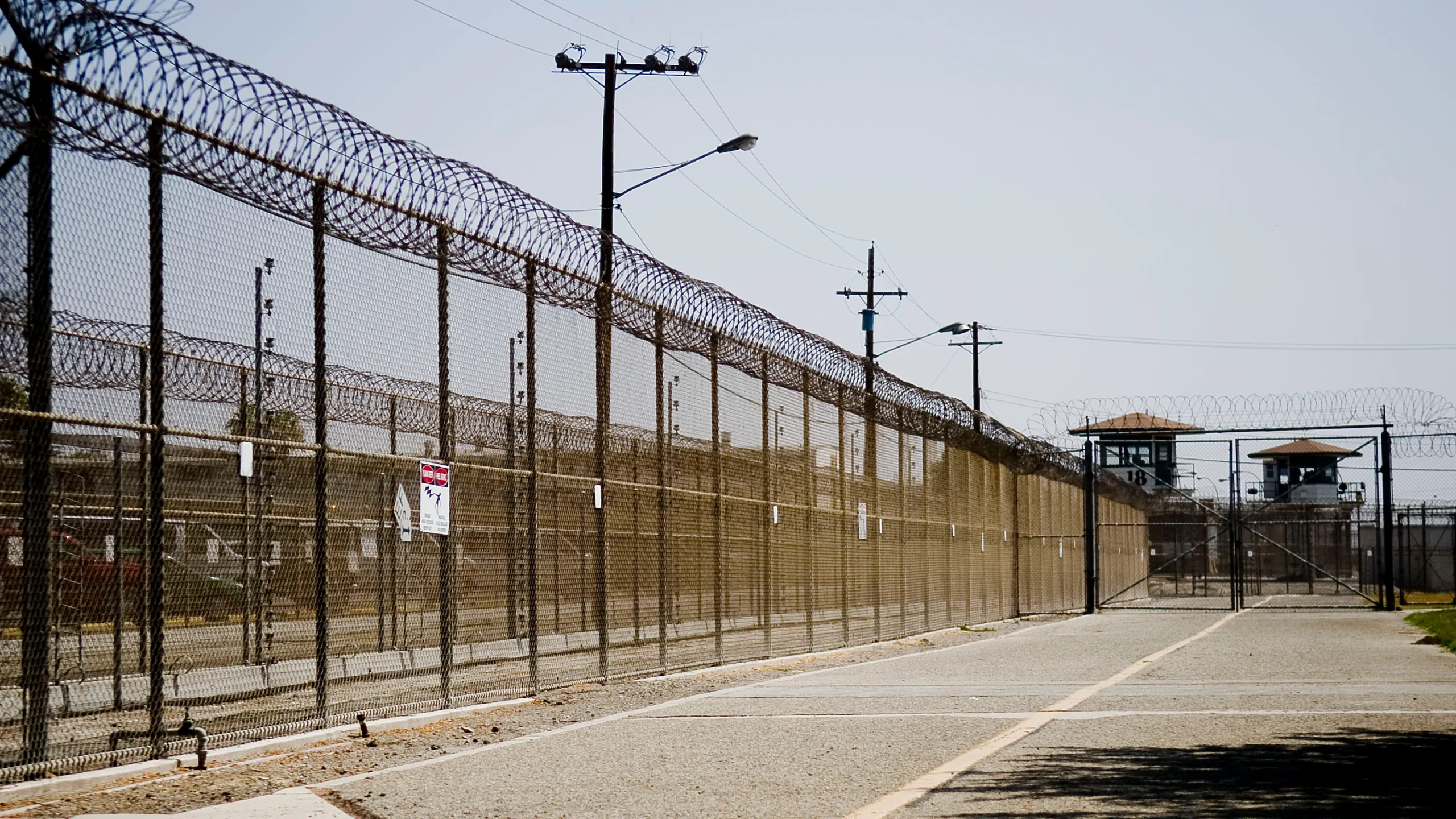
The government’s headline response is to send the armed forces to take outside control of five maximum-security prisons. The logic is direct: extortion rackets are run by phone from inside the penitentiary system, so the state will try to sever the link at its source. Defence ministry officials could not say when the operation would begin — one, pressed on the timeline, answered that the armed forces are “allowed to govern” the facilities, a phrase that said more about resolve than about dates.
Premier Luis Galarreta has tied the security package to the special legislative powers the government of President Keiko Fujimori, who took office on 28 July, had requested from Congress days before the attack — and which Congress had not granted. Expect that vote to become the political test of the week.
What it means if you live or travel there
Start with geography. The emergency posture is concentrated in three places: Trujillo and the La Libertad corridor, where sweeps, cordons and checkpoints are likely while the search for the hostage continues; Lima and Callao, which were already under a standing state of emergency with military-backed patrols; and the five prisons concerned, whose surroundings should be given a wide berth during any intervention. The southern tourist circuit — Cusco, Arequipa, the Sacred Valley — is not part of this emergency.
Practical rules for the coming days: carry ID at all times; use registered taxis or ride apps at night rather than street hails; keep your embassy registration current so alerts reach you; and treat any checkpoint with patience — documents ready, hands visible, no arguments. If you run a business in Peru, review your exposure to extortion approaches: police advise reporting demands immediately and never negotiating alone.
The economic backdrop expats should not ignore
Extortion in Peru is no longer a shakedown of market stalls; it is an industry that targets transport companies, construction firms and mining suppliers, which is why a mining businessman was Sunday’s target. For expats, the risk is mostly indirect — your landlord, your gym, your child’s school transport can all be inside a gang’s collection territory without you knowing. The visible symptoms are the ones to watch: businesses that suddenly close early, bus routes that change, neighbourhoods where police presence spikes.
The currency, for now, is unmoved: SUNAT’s reference rate today stands at 3.348 buying and 3.356 selling, so a US$1,000 transfer converts to about S/3,348. Markets have treated the security crisis as politics-as-usual; whether that survives a prolonged hostage case is a question for this week’s trading.
What happens next
Three tracks run in parallel. The search for Jens Marty Lara continues in La Libertad. The prison intervention is being prepared, without a public start date. And Congress faces the government’s request for special legislative powers, now freighted with the political weight of the massacre. Any of the three can move fast; the hostage case is the one that can change the national mood overnight.
What happened in Trujillo on 30 August?
Gunmen attacked a mining businessman’s pickup truck on Avenida Húsares de Junín before dawn, killing four people — two members of the entourage and two bodyguards — and kidnapping businessman Jens Marty Lara Tantaquilla, 31. Police blame the extortion gangs Los Pulpos or La Jauría. The victim remained missing on Monday morning.
Is it safe to travel to Peru right now?
It depends where. Lima and Callao were already under a standing state of emergency, with military-backed patrols but normal daily life for most residents. Trujillo and the La Libertad corridor now have active security operations, so expect checkpoints and avoid the area around Avenida Húsares de Junín after dark. The southern tourist circuit — Cusco, Arequipa, the Sacred Valley — is not part of this emergency. Carry ID, use registered taxis or apps at night, and keep your embassy registration current.
Why is the army going into Peru’s prisons?
Because extortion rackets are run by phone from inside the penitentiary system. The armed forces will take outside control of five maximum-security prisons to sever those networks — the government’s direct answer to the jump in reported extortion from 4,761 cases in 2021 to more than 22,000 in 2024. No start date for the operation has been announced.
Sources
- Diario Correo — Trujillo attack and victim identification, 30 August 2026
- El Peruano; Gestión; Caretas — government response and prison intervention, 30–31 August 2026
- Infobae — statements by the La Libertad regional police, August 2026
- InSight Crime; Diálogo Americas — Los Pulpos and La Jauría gang background
- Fiscalía General del Perú — extortion case figures, cited in desk reporting
- SUNAT — reference exchange rate, 31 August 2026
More: Peru news in English, every day from The Rio Times. See also: today’s LatAm Expat & Nomad Daily Guide and what Colombia’s new traffic code means for drivers and expats.
This article was produced by The Rio Times’ automated newsroom system. How we use AI · Report an error
The Rio Times · Power Map
See who really holds power in Latin America
Click to open the Power Map →

















 English (US) ·
  French (CA) ·
  French (FR) ·