

 3 months ago
35
3 months ago
35
PROTECT YOURSELF with Orgo-Life® QUANTUM TECHNOLOGY
Orgo-Life the new way to the future Advertising by Adpathway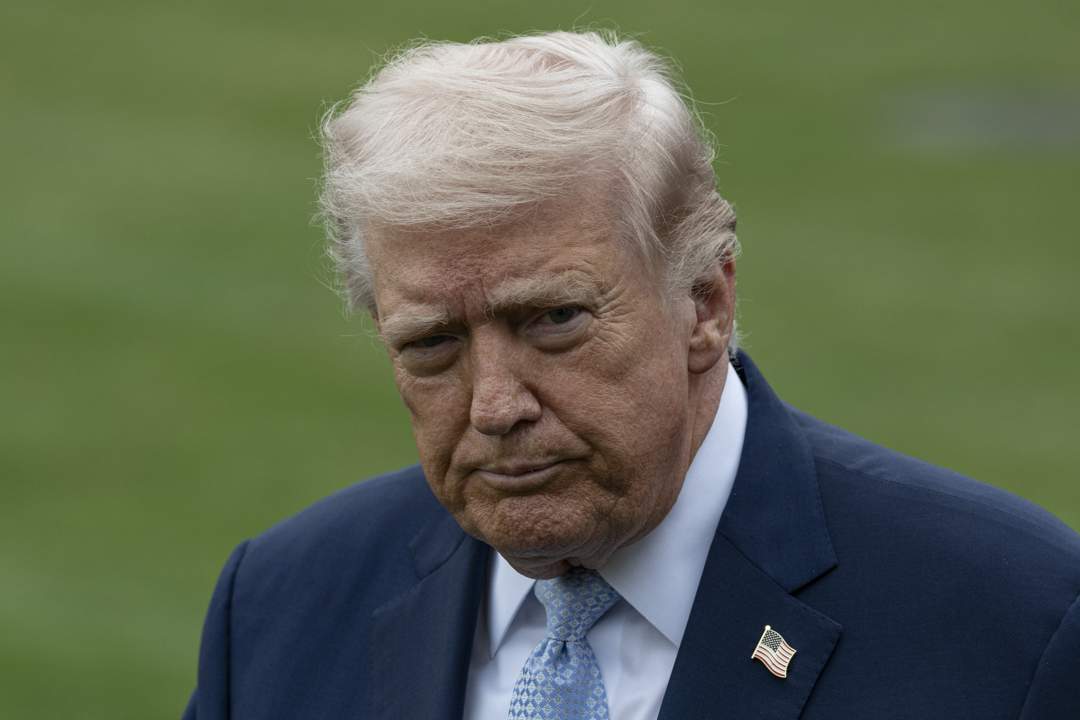
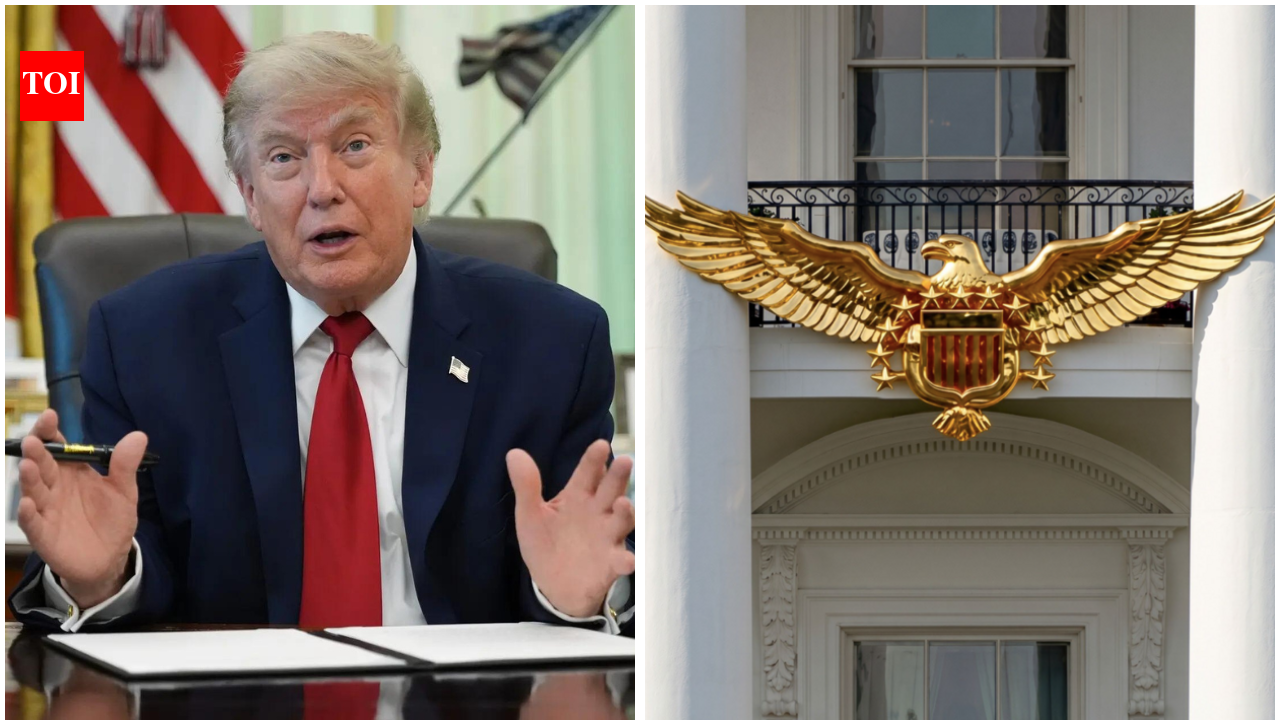
US President Donald Trump speaks to the press before his departs the White House for Miami on Friday, in Washington DC. On Saturday, he gave Iran 48 hours to reopen the Strait of Hormuz to shipping or face the destruction of its energy infrastructure.
Celal Gunes/Anadolu via Getty Images
- For more financial news, visit News24 Business.
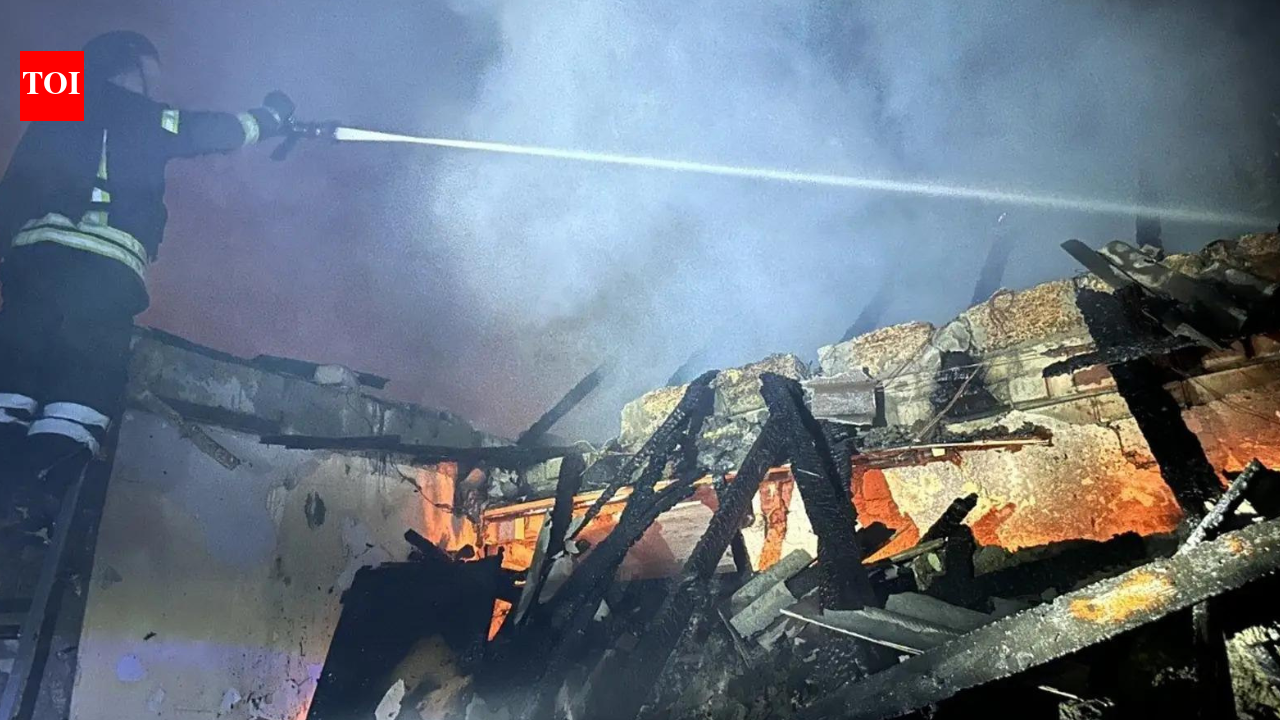
Stocks tumbled on Monday, and oil prices jumped after Donald Trump and Iranian leaders traded threats over the key Strait of Hormuz, while Israel said the Middle East war could last several more weeks.
Oil prices jumped more than two percent with Brent above $113 and West Texas Intermediate topping $100.
With the conflict now in its fourth week and showing no sign of ending, the head of the International Energy Agency warned of the worst global energy crisis in decades and said the world economy was under "major threat" from the crisis.
Observers, meanwhile, have also raised the prospect of a surge in inflation that could force central banks to hike interest rates, while the choking off of fertiliser shipments has also fanned concerns about global food security.
The US president on Saturday gave Iran 48 hours to reopen the Strait of Hormuz to shipping or face the destruction of its energy infrastructure.
The ultimatum, made just a day after the US leader said he was considering "winding down" military operations, came as the waterway -- through which a fifth of global oil and gas flows - remained effectively closed.
Trump wrote on Truth Social that the US would "hit and obliterate" Iranian power plants - "starting with the biggest one first" - if Tehran did not fully reopen the strait within 48 hours, or 23:44 GMT on Monday, according to the time of his post.
That came a day after Trump ruled out a ceasefire agreement, saying Washington had the upper hand.
Iran warned Hormuz "will be completely closed" if Trump acted on his threat.
And powerful parliament speaker Mohammad Bagher Ghalibaf threatened to irreversibly destroy vital infrastructure across the region, which he said would cause oil prices to rise "for a long time", if Tehran's own infrastructure was hit.
Iranian media reported explosions in Tehran on Monday as Israel announced it launched another wave of strikes, while Saudi Arabia and the United Arab Emirates reported coming under fresh attacks.
The latest escalation came as Israel's military said it will expand its ground operations in Lebanon against Iran-backed militant group Hezbollah, while a spokesman said the country faced "weeks" more fighting against Iran and Hezbollah.
Deadline focus
The escalation hammered stock markets, with the JSE’s All-Share index losing 3% on Monday morning.
Gold miners slumped as bullion sank to $4 350 an ounce on Monday, after hitting a record high of almost $5 600 at the end of January.
Central banks are reconsidering their monetary policies amid expectations that the surge in oil prices will send inflation soaring, with the Reserve Bank of Australia last week hiking interest rates.
The prospect of higher borrowing costs has hammered non-yielding gold, which has fallen for eight straight days and just suffered its worst weekly drop since 1983.
Pan African Resources (-12%), AngloGold (-12%), DRDGold (-8%), GoldFields (-8%), and African Rainbow Minerals (-7%) were worst affected on the JSE. Sasol rose 3.4% as the oil price gained.
Stock markets in Seoul and Tokyo - which had been the standout performers before the war started - shed 6.5 percent and 3.5 percent, respectively.
Hong Kong shed more than four percent, while Singapore, Taipei, Mumbai, Bangkok and Manila all lost between two and three percent. Sydney and Wellington were also deep in negative territory.
South Korea's won dropped to 1,510 won per dollar, its weakest level since 2009.
"The outcome and Trump's next steps, particularly in the event of escalation, would have significant implications for markets through the remainder of the week and into month and quarter end," wrote Pepperstone's Chris Weston.
He added that while the president has often pulled back from the brink on issues in the past, Trump "has also shown credibility in following through with military action when demands are not met, so markets will place weight on his weekend post on Truth Social".
"If we move past the deadline, focus will quickly shift to the scale of any action against Iran and the nature of Iran's response, particularly toward US bases and its allies."
Meanwhile, IEA boss Fatih Birol said Monday: "The global economy is facing a major, major threat today, and I very much hope that this issue will be resolved as soon as possible.
"No country will be immune to the effects of this crisis if it continues to go in this direction. So there is a need for global efforts."
Additional reporting by News24.
















 English (US) ·
  French (CA) ·
  French (FR) ·