

 1 month ago
41
1 month ago
41
PROTECT YOURSELF with Orgo-Life® QUANTUM TECHNOLOGY
Orgo-Life the new way to the future Advertising by Adpathway
Agriculture Minister John Steenhuisen (left) and China’s ambassador to SA, Wu Peng, at a signing ceremony for supplementary phytosanitary requirements for citrus exports to China.
- China’s decision to scrap all tariffs on South African imports from May will be an “absolute game changer,” says Agriculture Minister John Steenhuisen.
- SA citrus exporters will also benefit from new rules that will reduce the extreme cold-temperature requirements for fruit destined for China.
- This will help them save costs and improve the quality of the fruit.
- For more financial news, visit News24 Business.
China’s decision to scrap all tariffs on South African imports from May will be an “absolute game changer,” especially for wine and citrus exports, says Agriculture Minister John Steenhuisen.
China announced earlier this year that it is granting zero-tariff access to 53 African countries with which it has diplomatic relations, including SA.
Steenhuisen said on Friday that SA was currently competing against countries like Australia, which already enjoys zero-tariff access to China. Putting South African citrus and wine exports on the same footing would make them “fiercely more competitive”.
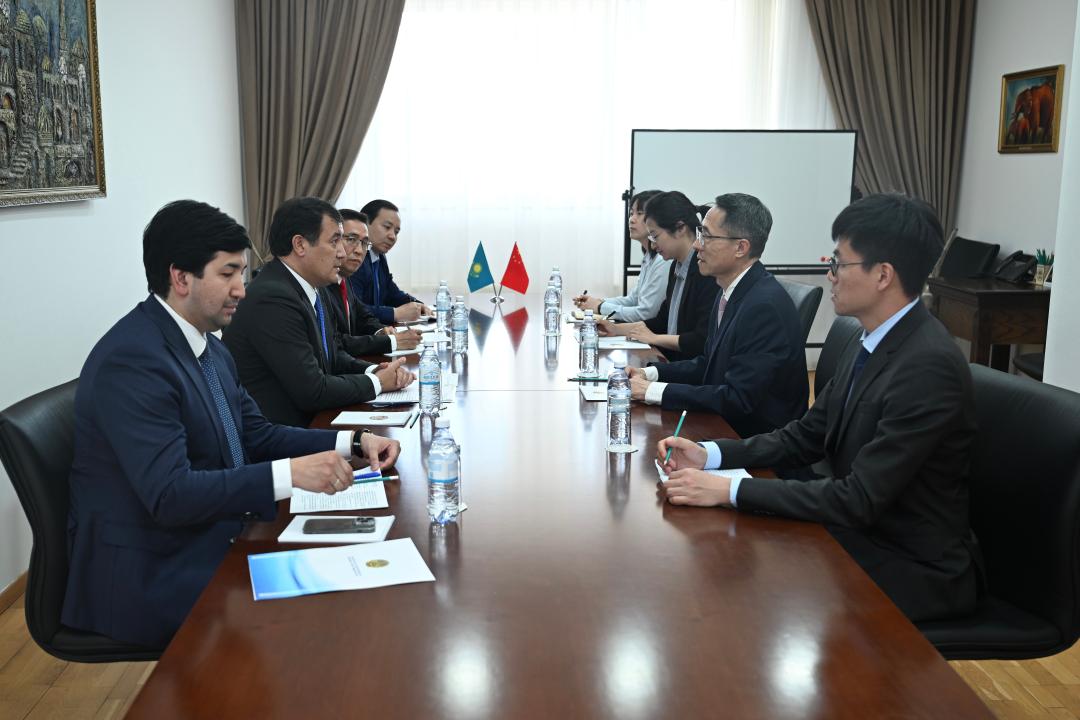
Steenhuisen was speaking to the media after a signing ceremony at the Chinese embassy in Pretoria for new phytosanitary rules for South African citrus exports to China.
The new import rules include a reduction in the “stringent” cold treatment requirements for fruit destined for China, says Jan-Hendrik Venter, director of plant health in the Department of Agriculture.
Exported citrus has to be kept at very low temperatures for a specific period to kill pests.
The new rules mean SA fruit can be kept a couple of degrees warmer than previously, which would ultimately provide better-quality fruit while also providing the necessary phytosanitary security. There would be less damage to the fruit due to extreme cold and higher export volumes.
China’s ambassador to SA, Wu Peng, said the new agreement would also significantly cut short the duration of cold treatments.
“I believe these improvements will further reduce cold-chain energy consumption and maritime shipping costs, and make South African citrus much more competitive in the Chinese market,” he said.
Wu said that China imported $130 million (about R2.1 billion) worth of citrus from SA last year, accounting for almost one-third of China’s citrus imports.
“South African citrus has excellent quality and complements China’s domestic citrus production due to your counter-seasonal supply. This is a very positive contribution to Chinese consumers’ fruit baskets. With China’s huge market of a 1.4 billion population, our cooperation has enormous potential and bright prospects.”
Steenhuisen said the latest amended protocols for citrus paved the way for future changes in other food exports.
For example, SA would be “imminently” signing a protocol for cherry exports into China and was also in negotiations on blueberries.
Steenhuisen said SA already had a competitive edge with its exchange rate, the quality of its products, and its pricing.
“And now the zero tariff, I think, becomes an on-target combination to really start to unlock the market (in China) in a big way.”
Steenhuisen said that the Trump administration’s tariffs on SA had forced it out of “complacency of relying on existing markets and opened up a whole new world for us”.
Steenhuisen sees big opportunities in Southeast Asia, in particular..

















 English (US) ·
  French (CA) ·
  French (FR) ·