

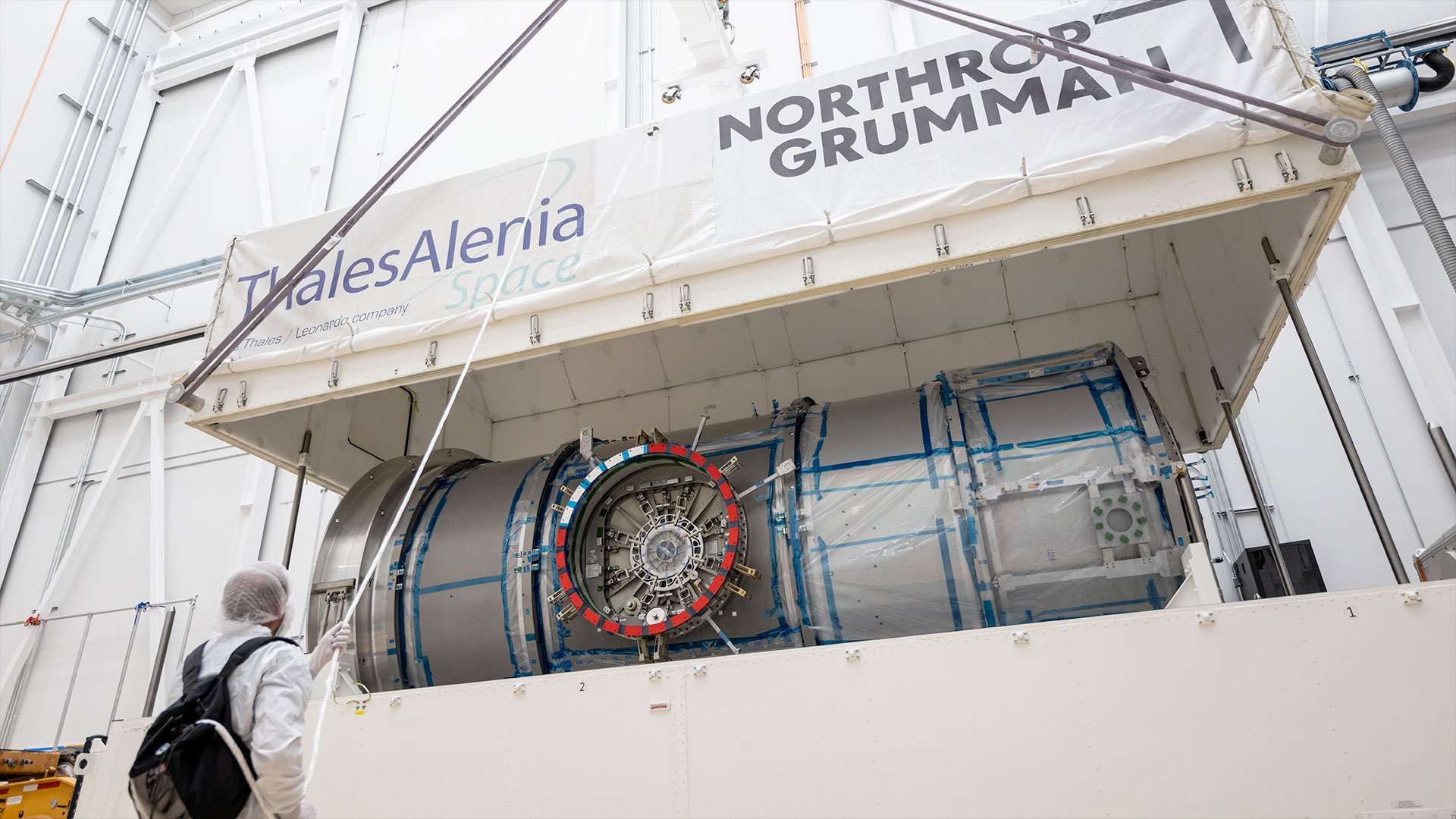
Not every canceled NASA program earns a halo after its demise, but one scrapped project is finding new life by contributing its parts to help the space agency achieve its moon base goals faster.
Northrop Grumman is repurposing hardware and technology from the Habitation and Logistics Outpost (HALO) space station module for use on a new series of Lunar Infrastructure Demo (LID) missions. HALO was originally designed as the habitation module for NASA's since-cancelled moon-orbiting Gateway space station but found itself on the chopping block when the agency restructured the Artemis program architecture earlier this year.
Rather than scrap the unfinished module outright, Northrop Grumman will adapt HALO's electrical and mechanical components to support the development of technologies for a moon base that can survive the cold, weeks-long night at the lunar south pole while sustaining the long-term habitation of astronauts inside.
Part of NASA's reasoning for canceling Gateway was the need for expedience. As the agency's vision for Artemis and the return of astronauts to the lunar surface has evolved, China's plans to land the first taikonauts on the moon have steadily taken shape. Those ambitions, and the continued progression of China's lunar program, have kicked off a new space race in which the U.S. and NASA are intent on maintaining their first-place position.
In March, NASA Administrator Jared Isaacman announced a shakeup to the Artemis program designed to enable a more step-by-step approach toward developing the technologies needed for a next-generation crewed lunar landing, and to achieve that landing on the shortest timeline possible.
That timeline currently puts the first Artemis lunar landing with astronauts on the Artemis IV mission, scheduled for late 2028. Before then, however, NASA is planning nearly two dozen uncrewed missions to the moon to lay the groundwork for the infrastructure needed to precede astronauts' return. And, rather than let HALO rust in a warehouse, Northrop is doubling down on its commitment to the cause.
"To help NASA move faster … HALO’s power, data and mechanical interfaces will enable NASA to move with speed and begin gathering real lunar surface performance data sooner," the company said in a press release on Aug. 4.
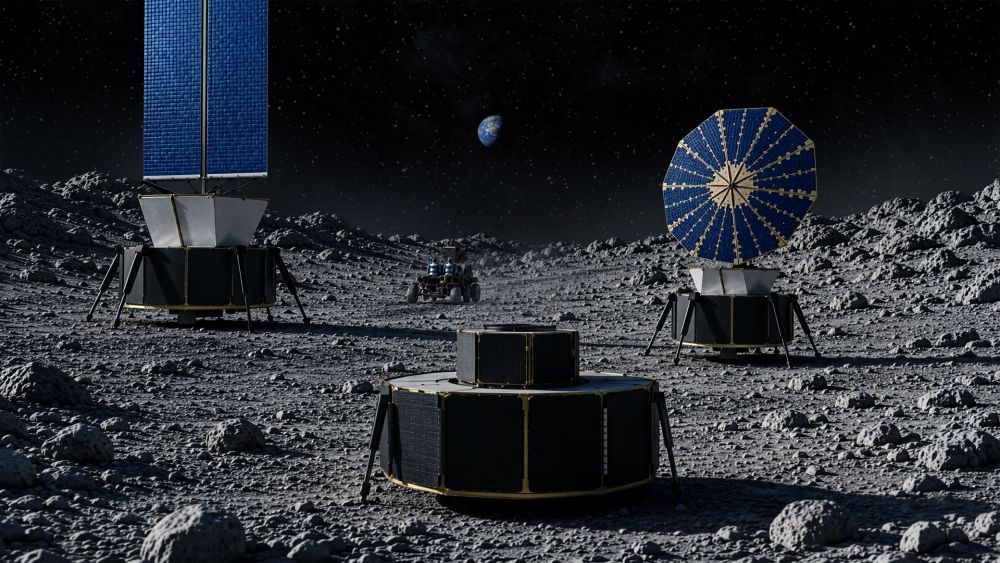
Northrop announced 3 LID missions to "reuse HALO-derived technologies to rapidly mature lunar surface power, thermal, autonomy, communications and hosted payload services," which will help NASA gather data to better protect robotics and crews during long-duration stints near the moon's south pole, where the agency plans to establish its Artemis moon base. Neither the company nor NASA gave a target timeline for these missions.
NASA is targeting the south pole specifically because of the abundance of water ice that scientists have detected in that region on the moon. When harnessed appropriately, such ice concentrations can be used for a variety of applications to enable sustainable habitation on the lunar surface — the ultimate goal of the Artemis program — including potable water, radiation shielding and rocket fuel.
NASA believes that overcoming the technological hurdle of "in-situ resource utilization" (ISRU), or the ability to rely on materials locally available to you in order to sustain your survival, is the gold standard of spaceflight that will open the door to humanity's long-term exploration of the cosmos. Manufacturing propellants off Earth, for example, would mean a substantial increase in the distance any particular mission to space can fly, because nearly 95% of a rocket's mass at launch is fuel. So, the ability to refuel in space, circumventing the burden of launching to orbit fully fueled, would give satellites and crewed spacecraft the ability to fly much farther into the solar system than current launch systems allow.
As much as Artemis is, in itself, a program to establish a permanent human presence on the moon, NASA also sees it as the proving ground for technologies that could one day sustain astronaut missions to Mars. There is worry, however, over the national security and economic consequences that could accompany China beating the U.S. to the moon, so speed is top of mind for those tasked with the country's lunar return.
"As America embarks on the next chapter in human space exploration, our Lunar Infrastructure Demos will help turn the moon into a place where astronauts can stay, work and make discoveries that benefit humanity,” said David Schiller, Northrop Grumman's vice president of civil space and sciences, in a statement. “Our ready‑to‑fly, reliable HALO technologies allow NASA to move faster, putting in place robust infrastructure that can endure the lunar night and establish a strong blueprint for a future moon base.”
























 English (US) ·
  French (CA) ·
  French (FR) ·