

 2 months ago
54
2 months ago
54
PROTECT YOURSELF with Orgo-Life® QUANTUM TECHNOLOGY
Orgo-Life the new way to the future Advertising by AdpathwayLaurens ten Dam returned to the Tour Divide looking for redemption, and the former WorldTour pro found it with a commanding second-place finish after 13 days and 7 hours on the route. Riding a minimalist, sleep-anywhere strategy aboard a full-suspension mountain bike, the Dutchman proved there are still many ways to race fast along the Great Divide, even in the shadow of Victor Bosoni’s record ride…

Photos by Eddie Clark
At approximately 2:45 p.m. Thursday, Laurens ten Dam of the Netherlands finished the 2026 Tour Divide in 13 days, 7 hours, and about 45 minutes. He finished in second place nearly two full days after the winner, Victor Bosoni, arrived in Antelope Wells. Ten Dam went into the race touting 2026 as his “redemption ride” after a tough race in the 2024 Tour Divide netted him a third-place finish in 15 days, 6 minutes, but also left lingering physical trauma. Hopefully, he feels better after finishing more than 40 hours faster this time around.
The Race
Ten Dam rode a strong race from the start. On the first day, he rode 200 miles in wet, muddy conditions and rested near the Butts Cabin area. As Bosoni surged ahead, Ten Dam settled into a chase pack with Alex McCormack, Angus Young, and David Tschan. On the fourth morning, he overslept an alarm in his camp near Flagg Ranch, Wyoming. Despite this delay, he reported that he’d maintained a 78% “run to rest ratio,” meaning he’d spent nearly four out of every five hours on his bike. But fatigue began to set in, and like many racers, he struggled with nosebleeds.

On day five, the chase pack began to break apart after McCormack and Tschan withdrew from the race. Ten Dam rode in second position for the next week, increasing his distance in front of third-position Angus Young as Bosoni continued to pad his lead. Ten Dam was near Grants, about 375 miles from the finish, when Bosoni reached the border in 11 days, 8 hours, and 27 minutes.
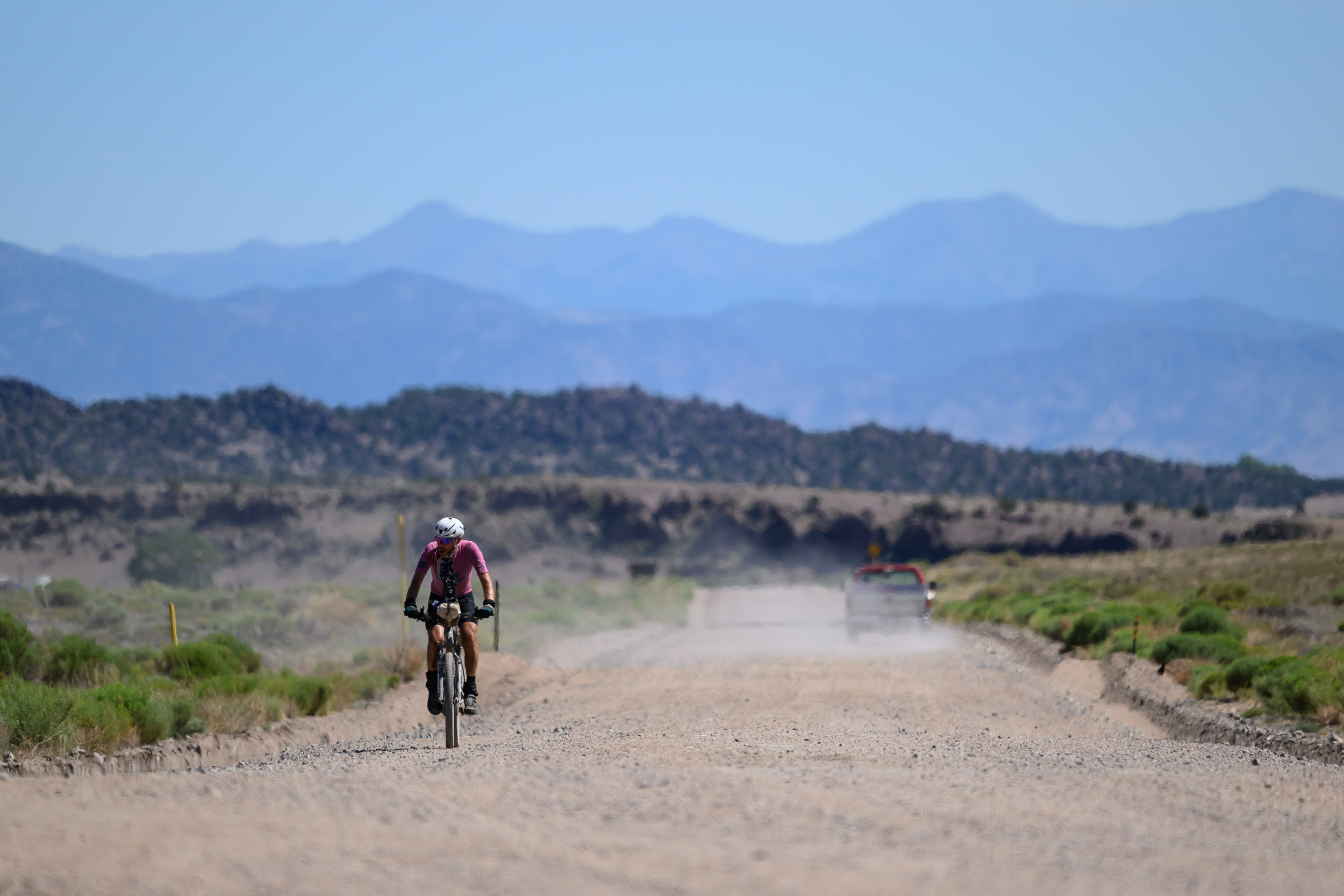
Ten Dam made a point of keeping his stops as efficient and unfussy as possible. He camped more nights than not, and often only stopped for four or five hours. Bosoni joked at Brush Mountain Lodge that Ten Dam was going to have what was probably only his second shower of the race there. Based on a scan of Ten Dam’s tracker, this was likely true. On the second night of the race, he stopped in Helena for about five hours, then at Brush Mountain Lodge, and later in Silverthorne, Cuba, Pie Town, and Silver City for indoor stays. Sadly, Ten Dam seemed to arrive in Pie Town too late for pie — he veered over to the Ohana Cafe for less than five minutes after 9 p.m. Tuesday before returning to the Toaster House for a five-hour stop at the hostel.
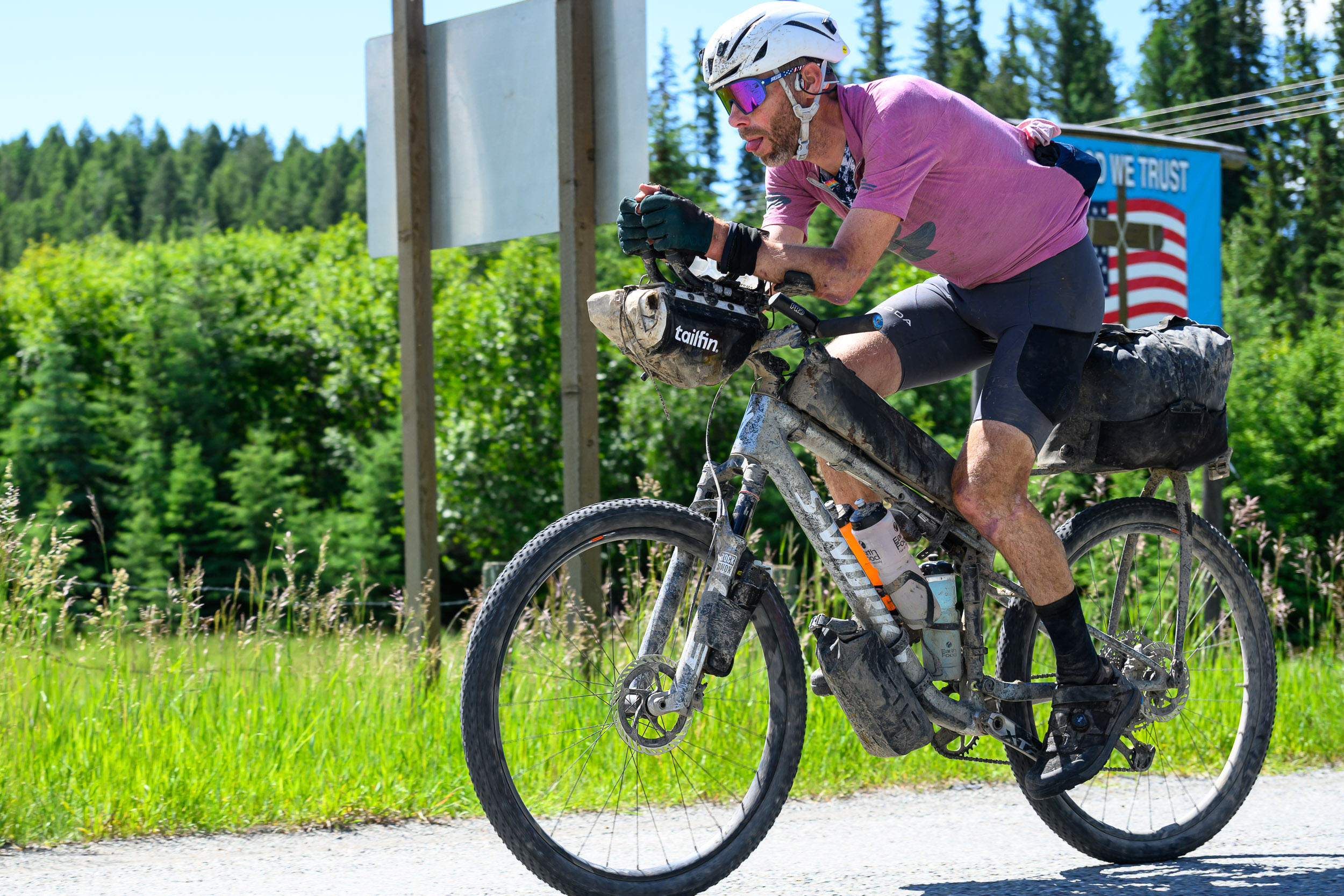
Ten Dam had hoped to make a single big push from the Toaster House, but “I was feeling shaky after those two days of cycling and then a bad night,” he reported. He also battled physical ailments throughout the race. On the second-to-last day of his ride, he reported, “My ass is one big Swiss cheese. As for the rest, wrist pain is gone, knee pain is gone, Achilles tendon pain is gone, but suddenly I have two shin splints.”
Young was still trailing about 35 miles behind Ten Dam before he bivied in the Gila Wilderness on Wednesday night. With no immediate chasers, Ten Dam made a final four-hour stop in Silver City.
A strategy that prioritizes forward motion
The 45-year-old former pro from Oudorp, Netherlands, has developed a minimalist strategy built around efficient use of time and a high tolerance for discomfort. But his first Tour Divide in 2024 took a toll, as he lost 15 pounds and admitted the effort left him more physically “trashed” than any race had before.

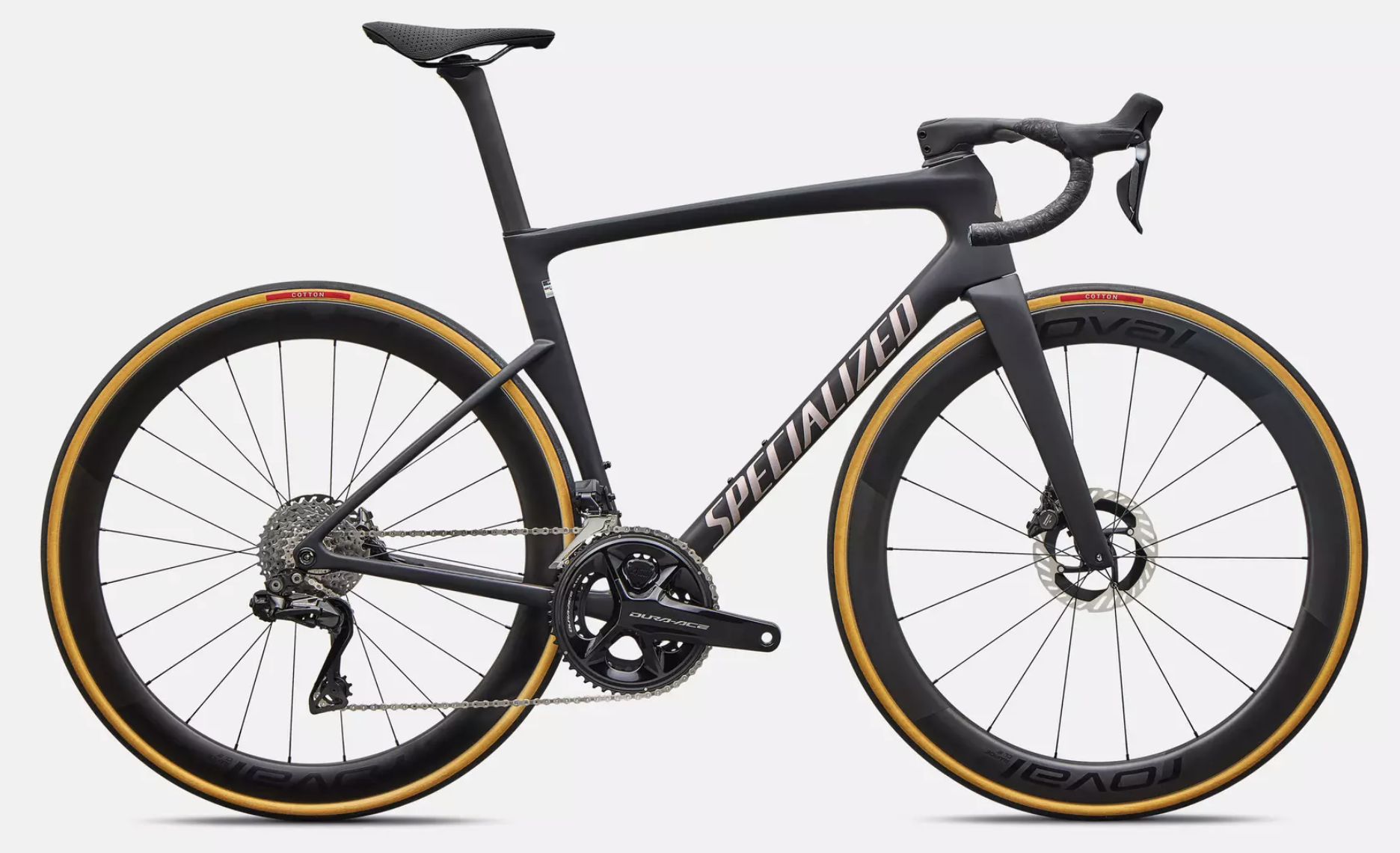
He’d raced the 2024 Tour Divide on a drop-bar mountain bike, but said the route was more technical than he thought it would be. In 2026, he transitioned to a full-suspension mountain bike, a Specialized S-Works Epic 9 with an electronic Shimano XTR group. He also switched to flat bars. He eschewed a frame bag and used traditional bottles for his hydration. He ran an extended Tailfin top-tube bag and a rear rack with a cargo pack.

Ten Dam wanted more flexibility after his tough 2024 ride, so he planned a setup that allowed him to stop whenever he was tired and roll out his bivy in the dirt. His sleeping gear included an ultralight sleeping bag rated to near-freezing temperatures, an emergency bivy, a sleeping pad, and insulated clothing. Before the race, he stated that he aimed to sleep even less than his 2024 attempt – sometimes as little as two to three hours per night.
Ten Dam’s background
Ten Dam spent nearly two decades in the professional peloton and completed the Tour de France ten times, finishing ninth overall in 2014. As a road racer, he was regarded as a climbing specialist and a “hardman” for his high tolerance for suffering. During stage 14 of the 2011 Tour, Ten Dam overshot a corner while descending the Col d’Agnes, flying over the handlebars and landing face-first in a ditch. Although he had deep gashes in his nose and face, he refused to quit. He finished the stage with a bloodied bandage wrapped around his head.
“You don’t quit the Tour because of a thick lip,” he told his team manager, and went on to finish the race. The “mummy incident,” as it came to be called, endeared Ten Dam to fans.
In another incident during the 2015 Tour, Ten Dam dislocated his shoulder when he was caught in a high-speed pileup. Ten Dam told medical staff to pop his shoulder back into its socket and got back on his bike to finish the stage.
Ten Dam’s intensity and apparently high pain tolerance may have contributed to the burnout he reported when he retired from professional road racing in 2019. Strict training plans, extreme dieting, and constant data monitoring had sucked all of the fun out of the sport, he said. He missed the spirit of adventure and freedom that drew him to cycling as a child.

Having dabbled in gravel racing, Ten Dam appreciated the laid-back nature of the sport and set out to make a living as a “professional adventurer.” He established a “Live Slow, Ride Fast” lifestyle brand and extended his business to coaching and podcasting. The brand touts more than 200,000 followers across various social media channels.
He lined up an ambitious season of gravel racing in 2020, only to have his plans derailed by the pandemic. Instead, he signed up at the last minute for his first bikepacking event, “Further,” in the remote Arielle Pyrenees region of France that August. The experience hooked him on self-supported mountain bike racing.
It’s interesting to contrast the styles of the first and second finishers of this year’s Tour Divide. At 45, Ten Dam has been hardened by years of racing. He rode a full-suspension mountain bike and carried all the kit he needed to rest and recover while sleeping outside. Ten Dam pushes the limits of sleep deprivation and seems to appreciate the unglamorous side of bikepacking: dirt naps and ending each day covered in dust.
On the other side is winner Victor Bosoni, a 24-year-old rookie on a rigid gravel bike. He was prepared to bivy if necessary, but planned to spend each night indoors — eating a big meal, showering, washing his clothes, and logging as much sleep as possible. High-quality recovery, Bosoni said, was his “secret weapon.”
It goes to show that there are still many ways to log a fast time in the Tour Divide.
2026 Tour Divide coverage supported by
 Check out the 2026 Tour Divide Tracker page to follow along on the live tracking map, and stay tuned in for more event coverage. Find it here.
Please keep the conversation civil, constructive, and inclusive, or your comment will be removed.









 English (US) ·
  French (CA) ·
  French (FR) ·