

 1 month ago
83
1 month ago
83
PROTECT YOURSELF with Orgo-Life® QUANTUM TECHNOLOGY
Orgo-Life the new way to the future Advertising by Adpathway
A single vacation can lead to near-forced souvenirs and apologies to the entire office.
Japan is world-renowned for its hospitality, respect for tradition, and attention to detail. In Japanese business culture, there’s also a dedication to politeness, where many customs were originally introduced to ensure smooth interactions and avoid conflict. However, as working styles modernize, some of these thoughtful gestures have transformed into tiresome daily chores. To see which workplace rules have outlived their usefulness, Tokyo-based media company Mfro (via its Craudia crowdsourcing service) surveyed 493 working adults, 366 women and 127 men ranging from their 20s to 50s and older.
The top five mysterious workplace manners that Japanese employees secretly wish would disappear are:
5. Mandatory souvenir sharing (4.7 percent)
Bringing back local snacks (omiyage) for co-workers after a vacation or business trip is a way to share experiences and show gratitude, but when employees feel pressured to spend extra time and money hunting down treats, it becomes less of a thoughtful gift and more of a chore.
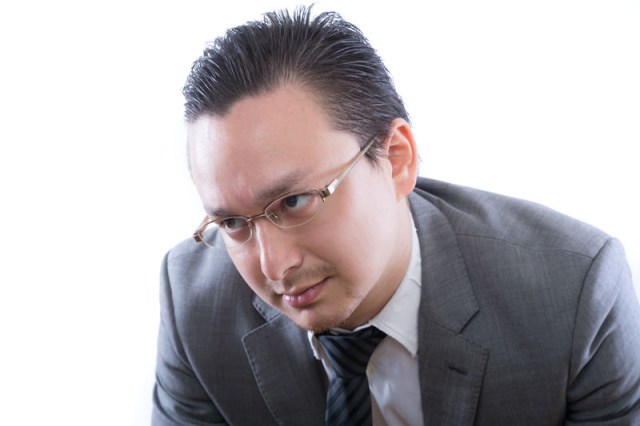
▼ “I heard you went to Okinawa. Where are the snacks?”
4. Excessive greetings (9.1 percent)
For anyone who has studied even just the basics of the language, you’ll know that polite greetings are the bedrock of Japanese communication. However, some offices take this to extreme levels that actually put a halt to productivity. These offices require staff to walk around the entire floor or department to greet every coworker individually upon arriving or leaving, or physically stand up at their desks whenever an executive enters the room.
3. Over-the-top chat messaging (11 percent)
Messaging apps like Slack, Line, and Teams are intended to speed up communication in the office, and yet traditional corporate etiquette has managed to sneak right into the group chats. Instead of quick, informal updates, workers feel forced to start every single message with long, formal greetings when sometimes a simple emoji reaction would wrap up the conversation effectively.
2. Vacation apologies and snacks (15.4 percent)
Paid leave is a legal right, but in a culture heavily focused on the collective team and the business instead of the individual, taking time off can leave workers feeling guilty about passing their workload to their teammates. Before taking a planned day off, employees might have to announce it to the entire office during morning meetings and, upon returning, they often feel obligated to go desk-to-desk apologizing for their absence and distributing snacks, even though they didn’t technically do anything wrong.
1. Rigid email etiquette (21.5 percent)
Japanese business emails are notoriously formal, requiring elaborate standard set phrases and seasonal blessings, and some offices even insist on listing all internal email recipients in strict order of corporate seniority, which feels like it’s wasting precious extra minutes that could be spent on real work.
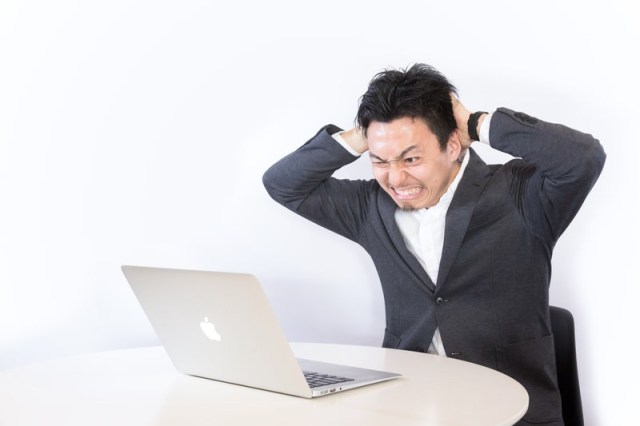
▼ “Should I be using ‘intense heat season’ (酷暑の候, kokusho no ko) or ‘lingering heat season’ (残暑の候, zansho no ko) here?”
When asked about the biggest stress caused by these rules, 35.3 percent of respondents said it was “mental fatigue”, followed by taking up time (27.0 percent) and taking extra effort (26.6 percent).
Even if a significant portion of employees find the rules exhausting, it’s not as simple as just deciding to stop following them. The primary reason for not stopping was that they fear what others will think (36.1 percent), followed closely by the fact that it has already become the default norm (32.9 percent). In group-oriented work dynamics, stepping out of line risks making coworkers and your boss think you are rude or uncooperative. Among the respondents, some did mention that they had quit these mysterious manners, but are now looked at strangely by others at the office due to it.
So, these mysterious customs are more of a product of peer pressure and the traditional office environment, rather than being driven by pure logic. As remote work grows and generational turnover occurs, office atmospheres could potentially shift naturally, and these unwritten rules could slowly fade out of existence. However, to truly tackle these issues, the leadership needs to step in, recognize these problems, and create safe environments for employees to voice discomfort without the fear of social friction.
Source: PR Times via Livedoor News
Top image: Pakutaso
Insert images: Pakutaso (1, 2)
● Want to hear about SoraNews24’s latest articles as soon as they’re published? Follow us on Facebook and Twitter!















 English (US) ·
  French (CA) ·
  French (FR) ·