


For more than a decade, an Indian pharmaceutical company continued making medicines in Ukraine even as the country was engulfed in war. Its workers kept coming to the plant, although their working hours had been curtailed because of the security situation.
Now, one of those workers is dead and the future of the plant is uncertain after Russian drones struck the Kusum Group’s pharmaceutical facility in Sumy. For Sanjeev Gupta, co-founder of the Kusum Group of Companies, however, the immediate concern goes beyond the financial loss. “We just request Russia not to target the Indian community. We just want to work,” Gupta told businessline.
Kusum Group’s pharmaceutical operations in Ukraine have been hit in Russian attacks before. In April 2025, a Russian drone destroyed the company’s pharmaceutical warehouse in Kyiv, causing losses of more than $25 million, according to reports. The facility manufactures medicines in the cardio-diabetic, paediatric and gastro segments.
Working Hours
The company employs more than 200 people at the Sumy plant, all of them local Ukrainians. There are no Indian employees working at the facility, Gupta said.
“One person” was killed in the attack, he said.
The employees have continued to work despite the risks. The company has been functioning for 9 hours per day because of the continuing attacks. “In the evening we cannot work in the plant because we are being attacked because it’s a border city,” he said.
The extent of the damage is still being assessed, Gupta said.
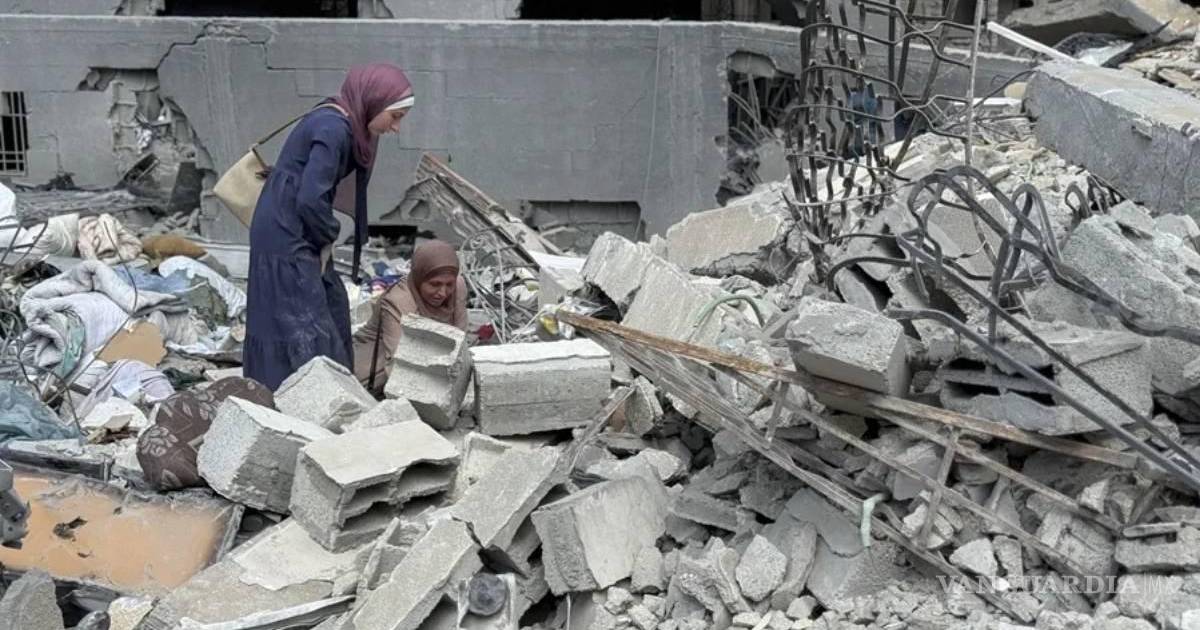
“As of now it is still not clear to us,” he said, pointing to the difficult conditions at the site, where temperatures rose to 400 degrees. “Once bomb blast temperatures increase dramatically which melt everything in that area,” he added.
The destruction is particularly significant for Kusum because the company’s presence in Ukraine predates the current war.
Long History
The company began operations in 1994 as a distributor exporting medicines from India to Ukraine. It later moved into manufacturing, opening a plant in India in 2007 and the Sumy facility in Ukraine in 2009. The group describes itself as a Ukrainian company with Indian roots.
It manufactures more than 50, mostly generic, pharmaceutical products and sells them in more than nine countries, with Ukraine, Uzbekistan, Kazakhstan and the Philippines among its main markets.
Gupta stressed that the company was already operating in Ukraine before the war began. That history is also why simply leaving the country is not an easy option, he said.
“It is not possible for people who are working from 30 years to leave the country and close the business… It is a running plant,” Gupta said.
The financial damage could be substantial because the facility was not merely a building but a fully operational pharmaceutical manufacturing unit.
Damages
Gupta put the company’s own estimate of the damage at 40 million-50 million.
The estimate includes the buildings, machinery, equipment, raw materials and other supplies needed to keep the plant operating.
The attack therefore comes at the end of years of investment in a manufacturing operation that continued functioning despite the war.
Published on October 5, 2026



















 English (US) ·
 French (CA) ·
 French (FR) ·