

PROTECT YOURSELF with Orgo-Life® QUANTUM TECHNOLOGY
Orgo-Life the new way to the future Advertising by AdpathwayThis photograph shows European countries' flags waving in front of the European Parliament building in Strasbourg, eastern France, on June 6, 2024. (Photo by SEBASTIEN BOZON / AFP) (Photo by SEBASTIEN BOZON/AFP via Getty Images)
Sebastien Bozon | Afp | Getty Images
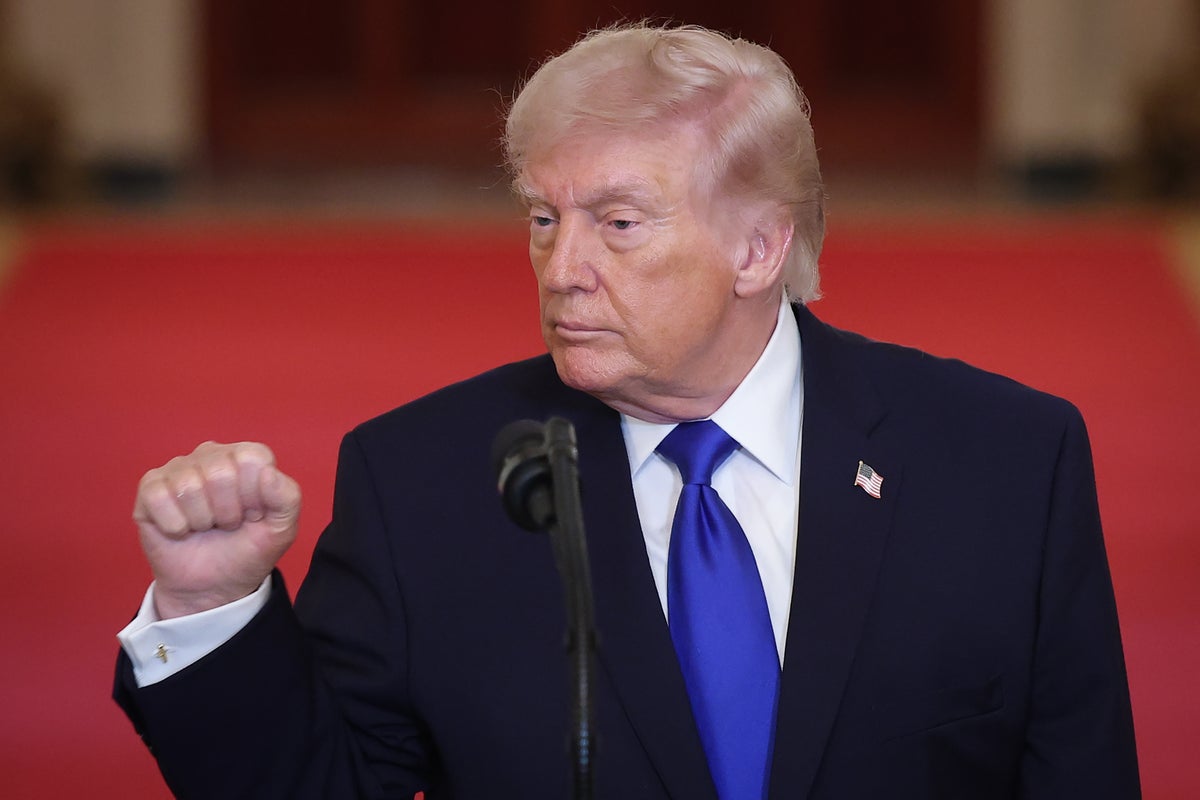
LONDON — European stocks moved lower on Tuesday as investors assess the new global trading landscape after U.S. President Donald Trump's latest tariff move.
By 8:32 a.m. in London (3:32 a.m. ET), the pan-European Stoxx 600 was 0.3% lower, with regional bourses in mixed territory.
Regional stocks closed lower on Monday as global markets reacted to Trump's decision to introduce a new, blanket 15% global levy on imports to the U.S. with immediate effect. The president had initially announced plans to impose a 10% duty on global imports, before hiking that rate "to the fully allowed, and legally tested, 15% level."
However, when the levy came into effect on Tuesday, it was at a rate of 10%. A memo from U.S. Customs and Border Protection, published Monday evening, said Temporary Section 122 Duties would see "an additional 10% ad valorem duty on imported articles of every country for a period of 150 days, unless specifically exempt."
It is unclear whether the tariffs will apply to the U.K., which was the first country to reach a trade agreement with Washington last year after Trump unveiled his so-called reciprocal tariffs regime in full.
Britain secured a 10% tariff rate under the deal — the lowest granted by the White House to any individual trading partner — giving it more to lose than some other U.S. trading partners should the looming 15% levy be applied to its goods.
"I recognize the uncertainty the latest announcement from the U.S. has created, but I am laser-focused on protecting businesses and the British public in the national interest and all options are on the table," U.K. Business and Trade Secretary Peter Kyle said in a statement on Monday.
"That's why I spoke with my U.S. counterpart Jamieson Greer yesterday to raise my concerns about further uncertainty for businesses here and the need to honour our existing deal."
European officials expressed concern over Trump's new tariffs, signaling that it could pose a threat to its trade deals with the U.S. Later, the European Parliament announced Monday that it has paused work on ratifying the U.S.-EU trade deal agreed last summer.

U.S. markets also felt the heat from the tariff move, with equities tumbling Monday as investors grappled with the new trade policy, as well as persistent fears around AI disruptions to industry.
Trump continued to assert his ability to increase tariffs on Monday, warning of higher duties for countries that want to "play games" after the Supreme Court struck down his "reciprocal" tariffs last week.
Trump said at the weekend that the new 15% duty would go into effect immediately, though it was unclear whether any official documents had been signed outlining the timing. He also said that additional levies would be coming in the next few months.
In corporate news, British lender Standard Chartered published its full-year earnings on Tuesday, and although pre-tax profit jumped 16% year-on-year, it came in at a weaker-than-expected $6.96 billion. Net interest income rose 1% from the previous year to $11.2 billion, beating a consensus estimate compiled by LSEG.

The bank said that in 2026, it expects reported operating income to be at the bottom end of its 5% to 7% growth forecast. In 2025, operating income jumped 6% year-on-year to $20.9 billion, in line with estimates.
Shares were last seen 0.8% lower.
— CNBC's Sean Conlon and Sarah Min contributed to this market report.













 English (US) ·
  French (CA) ·
  French (FR) ·