

 3 weeks ago
35
3 weeks ago
35
PROTECT YOURSELF with Orgo-Life® QUANTUM TECHNOLOGY
Orgo-Life the new way to the future Advertising by AdpathwayDR CONGO · MINERALS
Key Facts
—The cap: Congo has replaced its 2025 export ban with annual cobalt quotas of 96,600 tonnes for 2026 and 2027.
—How it splits: The cap allots 87,000 tonnes to producers and keeps 9,600 tonnes as a state reserve held by the regulator, ARECOMS.
—Deadline: First-quarter shipments can move until 30 June, alongside second-quarter volumes, a key enforcement point.
—Pivot to copper: With cobalt prices crashing on oversupply, miners are cutting cobalt and shifting capital into copper.
—Glencore’s drop: Glencore’s Congo cobalt output fell 39% year on year in the first quarter, to 5,800 tonnes.
—Westward turn: A state cobalt agency has signed a deal to feed a planned US refinery, edging supply toward Western buyers.
Congo’s cobalt quotas are quietly redrawing the world’s battery-metal map. By capping exports at 96,600 tonnes a year, the Democratic Republic of Congo is throttling the cobalt that miners can ship, pushing them toward copper instead — and steering more of the metal toward Western buyers.
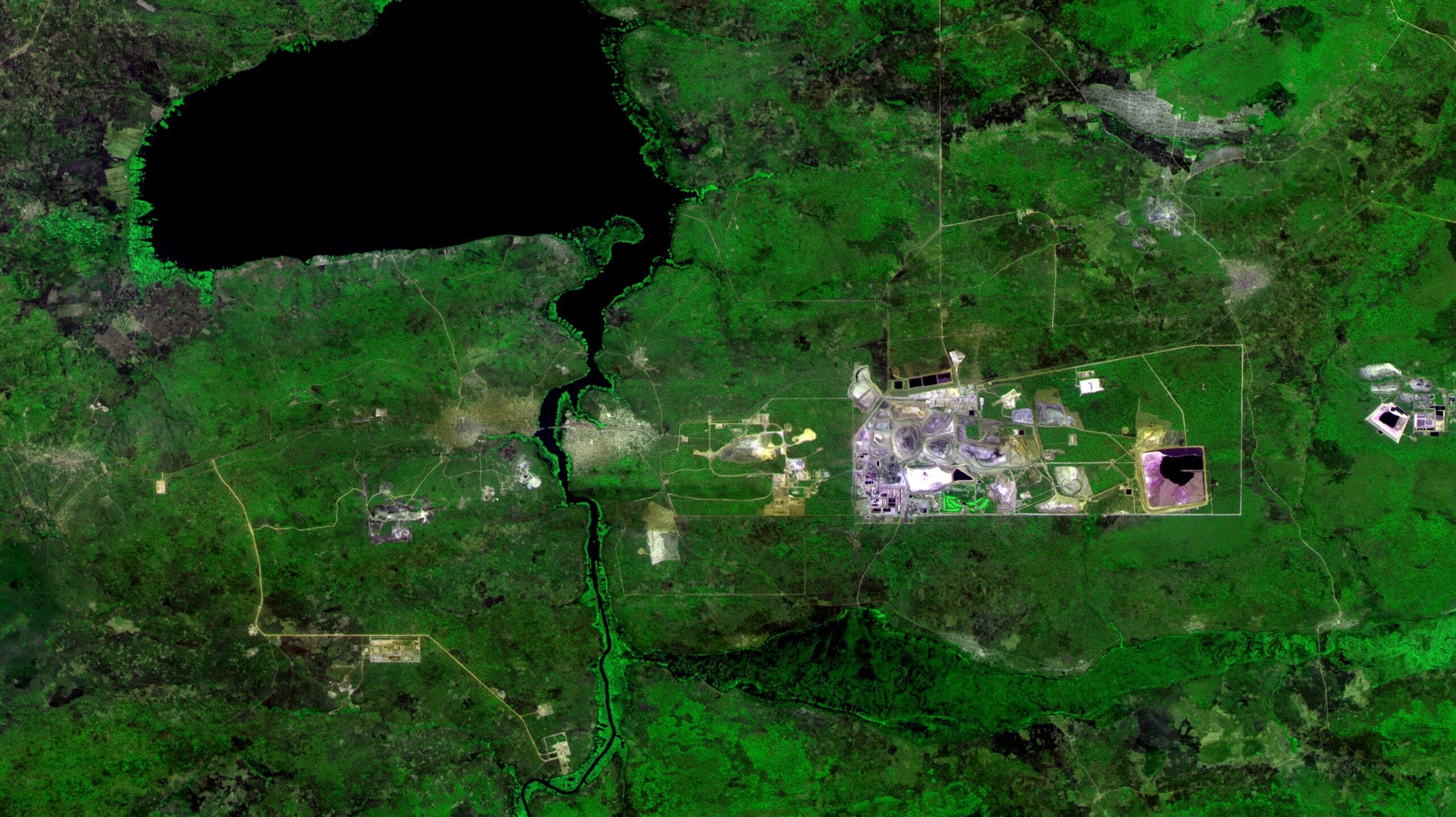
What Congo’s cobalt quotas do
The Democratic Republic of Congo produces roughly three-quarters of the world’s cobalt, a metal prized for electric-vehicle batteries. In 2025 it stunned the market by banning exports outright to halt a price collapse.
This year it swapped the ban for quotas. Annual exports are capped at 96,600 tonnes for 2026 and 2027, with 87,000 tonnes shared among producers and 9,600 tonnes held back as a state reserve, controlled by the regulator known as ARECOMS.
First-quarter allocations can be shipped until 30 June, together with second-quarter volumes. The end-June deadline is the system’s first real test of enforcement.
Why prices crashed
Cobalt suffered from too much supply, much of it a by-product of the copper boom in Congo’s southern Copperbelt. As copper output surged, cobalt piled up and prices slid.
Kinshasa’s gamble is that scarcity will lift prices and hand the country more value from its own resource. The risk is that buyers simply design around cobalt or source it elsewhere.
The pivot to copper
Faced with capped cobalt and weak prices, miners are doing the rational thing: producing less cobalt and pouring money into copper, which faces no quota and strong demand from power grids and data centres.
Glencore, a major operator in Congo, saw its cobalt output there fall 39% year on year in the first quarter, to 5,800 tonnes, leaning on stockpiles to meet near-term quotas. Others are stockpiling or pausing cobalt lines.
Copper has become the more attractive bet across the Copperbelt that straddles Congo and Zambia. Demand from power grids, electric vehicles and data centres has kept its price firm while cobalt sank.
A westward turn
The quotas arrive as Congo recalibrates who buys its metal. Chinese firms still dominate Congolese mining, but Kinshasa is courting Western capital and processing.
A state body that buys artisanal cobalt has signed a memorandum with the trader Trafigura and a US start-up to supply a proposed cobalt refinery in Arizona. It is a small deal with a large signal: Congolese cobalt edging toward American supply chains.
Analysts have described it as a westward pivot carried out under the cover of cobalt controls.
The value-addition push
Behind the manoeuvring sits a deeper grievance. Africa captures less than one percent of the economic value of the green technologies its minerals make possible, by several estimates.
Congo, like its neighbours, wants more of the refining and manufacturing done at home rather than shipping raw ore abroad. The quota is a blunt tool aimed partly at that goal.
China’s grip, and the contest for it
China refines the bulk of the world’s cobalt, whatever its origin, and Chinese groups own many of Congo’s biggest mines. That gives Beijing influence over both the ore and the processing that turns it into battery material.
Washington and Europe have spent the past two years trying to loosen that grip, courting African producers and funding alternative refineries. Congo’s quota hands Kinshasa a rare moment of leverage over both sides.
By deciding how much cobalt reaches the market, and increasingly who buys it, Congo is no longer just a supplier. It is trying to act like a price-setter.
The risk for Kinshasa
Squeezing supply is a powerful lever when you control most of the market. It is also a dangerous one, because high prices invite substitutes and rival producers in Indonesia and beyond.
Carmakers are already shifting some batteries to cobalt-free chemistries. Push too hard, and Congo could win a better price on a shrinking share of a smaller market.
What to watch
The 30 June deadline will show whether the quota is enforced or quietly stretched, and how much cobalt clears before it bites. Prices and stockpile data through the second half of the year will reveal whether scarcity is working.
Either way, the contest over Congo’s cobalt is now as much about geopolitics as geology, with Beijing and Washington both circling the same mines.
Traders will also watch whether other producers, from Indonesia to fresh African entrants, rush to fill any gap Congo leaves. A cap only lifts prices if rivals cannot quickly replace the missing supply.
Frequently asked questions
What are Congo’s cobalt quotas?
They cap the country’s cobalt exports at 96,600 tonnes a year for 2026 and 2027, replacing a 2025 export ban. Producers share 87,000 tonnes and the state keeps 9,600 tonnes in reserve.
Why is Congo limiting cobalt exports?
To lift prices that had crashed on oversupply and to capture more value from a metal it dominates. Congo produces about three-quarters of the world’s cobalt.
Why are miners switching to copper?
Copper faces no quota and enjoys strong demand, while cobalt is capped and cheap. Glencore’s Congo cobalt output fell 39% year on year in the first quarter.
What is the deadline for cobalt shipments?
First-quarter export allocations can be shipped until 30 June 2026, alongside second-quarter volumes. It is the first major enforcement point for the quota system.
The Rio Times · Power Map
See who really holds power in Latin America
Click to open the Power Map →

















 English (US) ·
  French (CA) ·
  French (FR) ·