

 2 hours ago
4
PROTECT YOURSELF with Orgo-Life® QUANTUM TECHNOLOGY
Orgo-Life the new way to the future Advertising by AdpathwayGUIDES · COLOMBIA
Key Facts
- —The country Colombia has about 53 million people, and 79% of them use the internet as of 2026. News reaches them through television, radio, newspapers, phones and social platforms.
- —Who owns it Large private groups hold most of the audience. Valorem owns Caracol Televisión and El Espectador, the Ardila Lülle group owns RCN, and Prisa owns Caracol Radio.
- —Press freedom Colombia ranked 102nd of 180 countries in the 2026 World Press Freedom Index, up from 115th in 2025. Its legal indicator is its best, at 55th.
- —Safety About 470 attacks on journalists were logged in 2025, including one killing. Roughly 98 of every 100 crimes against reporters go unpunished.
- —Public media The state broadcaster went back to its old name, Inravisión, in 2026. The new government announced the end of its news programming in August 2026.
- —Trust Just 25% of Colombians trust most news in 2026, and 49% sometimes or often avoid it.
- —Power Index Colombia ranks 6th of 14 in The Rio Times Latin America Power Index, with 51.9 points (October 2026 edition).
Colombia media are shaped by a few private groups, a state broadcaster that changed course in August 2026, and a press under heavy threat. This guide maps who owns what, how the law works and how far Colombians trust the news.
It matters to US readers because Colombia is a major US partner, and its news shapes what investors, travellers and expats hear. Every figure below carries its date, and every local amount carries a US$ value.
The Big Picture in October 2026
Colombia has about 53 million people, and 79% use the internet, says the 2026 Digital News Report from Oxford’s Reuters Institute. Television and print reach keeps falling while online news use holds steady.
Reporters Without Borders, known as RSF, says three major conglomerates dominate Colombia media. It adds that local production is so thin that 60% of the country lacks local news.
President Abelardo de la Espriella took office on 7 August 2026, and his government has already reshaped the public broadcaster. His first months also brought a dispute with the press-freedom foundation FLIP over violence against reporters.
Television and Radio Groups
Two private networks anchor Colombian television, Caracol Televisión and RCN Televisión. Caracol Televisión belongs to Valorem, the group tied to the Santo Domingo family, and RCN belongs to the Ardila Lülle group.
Audience measurement is contested. In June 2022 Claro and the research firm CNC put Caracol and RCN level in prime time at 45.94% and 45.88%, while Kantar Ibope gave 59.3% and 32%.
Radio is being restructured. RCN consolidated its radio news under La FM, and Caracol Radio absorbed W Radio, both with layoffs, the 2026 Digital News Report says.
Prisa, the Spanish group that owns Caracol Radio, is behind the merger. A January 2026 analysis in LatAm Journalism Review tied it to changing listening habits, fragmented advertising and a push to end losses.
RSF calls radio the most widespread medium in Colombia, but says independent stations struggle economically. It adds that the public network now runs 72 frequencies.
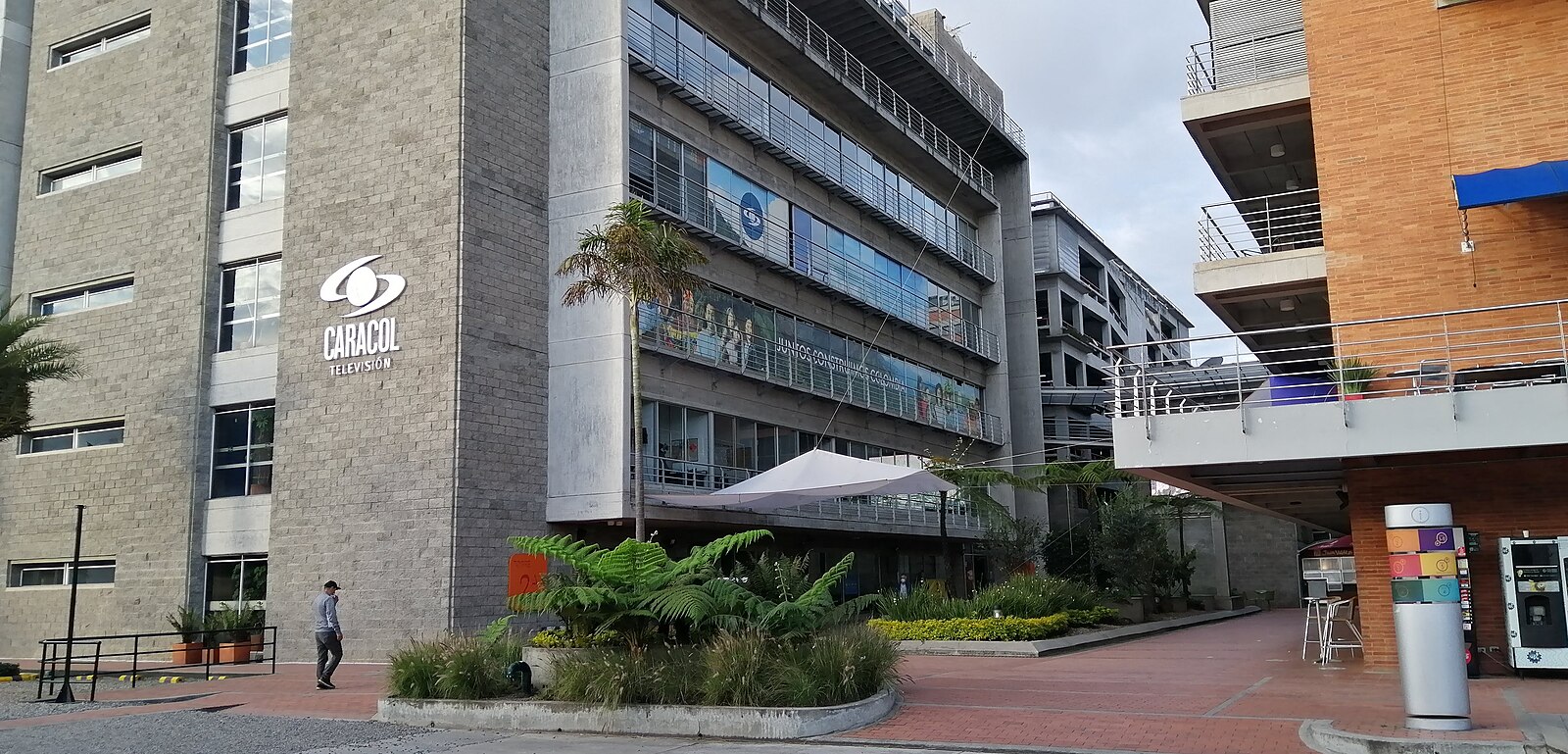
Newspapers, Magazines and Digital Outlets
El Tiempo is published by Casa Editorial El Tiempo, which also runs the business daily Portafolio and the channel CityTV. The banker Luis Carlos Sarmiento Angulo, the man behind Grupo Aval, has owned it since buying out the Spanish group Planeta in 2012, and the Media Ownership Monitor still lists him in its 2017 edition.
El Espectador is owned by Valorem, and the magazine Semana has belonged to the Gilinski business group since 2020, with Vanguardia naming Gabriel Gilinski as its owner in October 2026. Semana is also the centre of a live dispute over unproven allegations.
In October 2026 Semana published an interview that makes unproven allegations about people in the circle of the former first lady. Former president Gustavo Petro said on X that his daughters would sue Gilinski, and by 12 October no filing had been reported.
President De la Espriella ordered an investigation into the allegations on 10 October 2026. The allegations are not proven and are for the competent authorities to examine.
The 2026 Digital News Report names La Silla Vacía, La República and Diario Occidente among the outlets it covers. La Silla Vacía runs an AI chatbot called SillaIA, and RSF says influencers on TikTok and YouTube are gaining ground.
RSF says newspaper closures and the loss of international funding have weakened independent media. Most regional outlets depend on public or local business money, which limits their critical capacity.
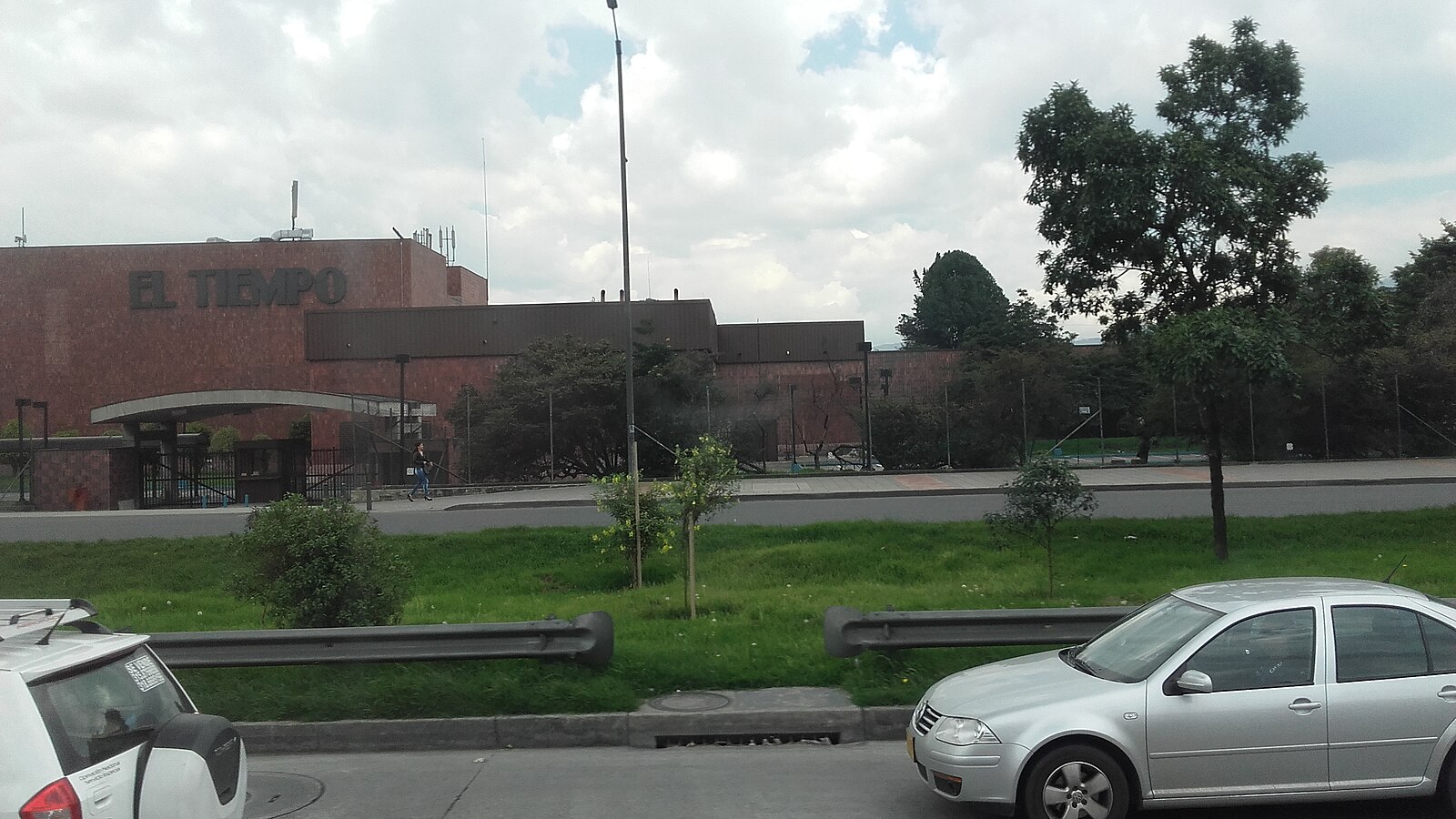
The State Broadcaster Inravisión
The state media system known for years as RTVC went back to its older name, Inravisión, in 2026. It runs the television channels Señal Colombia and Canal Institucional and the radio stations Radio Nacional de Colombia and Radiónica.
It is state-owned, linked to the communications ministry known as MinTIC, and the government appoints its manager. Law 1978 of 2019 governs it, and its approved 2024 budget was COP 385.1 billion (about US$121 million), mostly from public transfers.
All peso conversions in this guide use the official rate of COP 3,174.67 per US$, set for 17 to 19 October 2026 by the financial superintendency. The 2024 budget figure is converted at that rate, not the 2024 rate.
The new manager is Ángela María Mora Soto, a lawyer who ran the former television authority, ANTV, from 2015 to 2018. She was named by Decree 1196 of 12 August 2026, after Hollman Morris had led the system.
In mid-August 2026 the government announced an end to the system’s news programming and opinion shows, in favour of cultural programming. The communications ministry said public media would not serve political interests.
A review with the Procuraduría and the Contraloría, the state watchdogs, covers more than 1,051 contracts signed in 2026, worth over COP 100 billion (about US$31.5 million). Semana reported that some rose more than 100% above their initial value.
The State Media Monitor research project says the entity has no binding editorial-independence safeguard. The Constitutional Court ruled in 2022 that a programme was censored in 2018.
The Procuraduría opened a disciplinary investigation in June 2026 into alleged misuse of state media to favour government-aligned agendas. FLIP also says it documented more than 30 worker testimonies of censorship and editorial pressure under Morris.
How the Law and Regulators Work
Article 20 of the 1991 constitution guarantees free expression, the right to inform and receive truthful and impartial information, and the freedom to found media. It says media carry social responsibility, guarantees rectification and states there will be no censorship.
RSF says each media sector has its own case law and that the number of laws creates confusion. It ranks Colombia 55th on its legal indicator in 2026, the best of its five indicators.
The Communications Regulation Commission, known as CRC, regulates communications markets and lists informational pluralism among its aims. Law 1978 of 2019 folded earlier television and ICT funds into the Fondo Único TIC, fed partly by levies on private broadcasters and telecoms.
During elections, RSF says, coverage of public order issues is limited to information confirmed by official sources. It also says corruption in the communications ministry has held back internet connectivity.
Connectivity is uneven. The statistics office DANE found in its 2025 quality-of-life survey that internet use ranged from 89.3% in Valle del Cauca to 31.3% in Vichada.
Press Freedom and Safety
RSF ranked Colombia 102nd of 180 countries in 2026, with a score of 51.66, up from 115th and 49.80 in 2025. The political indicator slipped from 83rd to 87th, while the economic, social and security indicators improved and the legal one held at 55th.
In the Americas, RSF puts Brazil at 52nd, Argentina at 98th, Ecuador at 125th, Peru at 144th and Venezuela at 159th. Colombia sits in the middle of that range.
FLIP counted about 470 attacks on journalists in 2025, down from 530 in 2024. One journalist, Óscar Gómez Agudelo, was killed in Armenia, in Quindío department.
The 2025 count included 186 threats, 15 forced displacements and 7 exiles. Aggressors included armed groups, ordinary citizens and public officials, among them the president, ministers and mayors, a February 2026 interview with FLIP director Sofía Jaramillo shows.
The same interview put impunity at about 98 of every 100 crimes against journalists. From 1 January 2022 to 16 October 2026, FLIP attributes 425 attacks to armed groups and gangs, including 326 threats and 4 killings.
RSF says armed groups are present in 253 municipalities. Reporters covering mining, deforestation, armed conflict and corruption face threats and stigma, and the state protection programme has not ended them.
On 16 October 2026 FLIP criticised President De la Espriella for urging journalists not to let armed groups use them as propaganda platforms. FLIP said that ignores the threats and kidnappings used to impose content, and renewed a meeting request first made on 9 September.

Trust, Social Platforms and Creators
Trust in news fell 7 points to 25% in 2026, against a global average of 37%. News avoidance reached 49%, up 5 points.
Only 15% of Colombians pay for online news, up 1 point, and 60% worry about telling real from false online. News-focused creators and influencers reach 35% of people weekly, and 40% of those aged 18 to 24.
An AI chatbot is a weekly news source for 9%. Much of the 2026 election conversation took place on TikTok, X and Instagram.
Trust in individual brands is highest, at about 60% each, for regional television news channels, Noticias Uno and Señal Colombia. That gives the state channel an unusual asset just as its news strand is being closed.
What It Means for US Readers
For investors, Colombian media ownership is private, concentrated and often tied to wider businesses. Valorem lists the cinema chain Cine Colombia among its companies, and Grupo Aval is a banking group, so interests can overlap.
For travellers, RSF’s finding that 60% of the country lacks local news means official advisories matter more than local reports in remote areas. Read the Rio Times guide to Colombian security before a trip.
For expats and anyone following Colombian politics, read outlets with different owners side by side. Public-media output has changed since August 2026, so check who stands behind a source before you rely on it.
What Is Not Known
It is not known how the audience splits between Caracol and RCN as of October 2026. The 2022 readings from two measurers differed by about 14 points for each network, and no current public figure settles it.
Ownership data is dated. The Media Ownership Monitor was last revised in May 2022, and its El Tiempo entry rests on 2015 shareholdings.
It is not known what will replace the news strand that the government is closing at Inravisión, or what the contract review will find. Its findings are still to come.
Whether the allegations Semana published in October 2026 hold up is not known. Even the 2025 attack count differs, at 468 in one report and 469 in another.
Frequently Asked Questions
Who owns the main Colombian media?
Valorem owns Caracol Televisión and El Espectador, the Ardila Lülle group owns RCN, and Prisa owns Caracol Radio. The Gilinski group owns Semana, and the banker Luis Carlos Sarmiento Angulo owns El Tiempo.
How free is the press in Colombia?
RSF ranked Colombia 102nd of 180 countries in 2026, up from 115th in 2025. Its legal indicator is the best, at 55th, while its social indicator ranks 119th.
Does Colombia have a public broadcaster?
Yes, Inravisión, formerly called RTVC, runs Señal Colombia, Canal Institucional, Radio Nacional de Colombia and Radiónica. The government appoints its manager, and the new government announced the end of its news programming in August 2026.
Do Colombians trust the news?
Only 25% trusted most news in 2026, down 7 points, against a global average of 37%. Regional television news channels, Noticias Uno and Señal Colombia each score about 60% among the brands tested.
Is it dangerous to be a journalist in Colombia?
FLIP counted about 470 attacks on journalists in 2025, including one killing. It also says roughly 98 of every 100 crimes against reporters go unpunished.
Where do Colombians get their news?
Television and print reach is falling while online use holds steady, and 35% use news creators or influencers weekly. TikTok, X and Instagram carried much of the 2026 election conversation.
Sources: RSF, Colombia country page, 2026 index; RSF, 2026 index, Americas ranks; University of Oxford, Digital News Report 2026, Colombia; FLIP, statement of 16 October 2026; Cambio, interview with FLIP director Sofía Jaramillo, 9 February 2026; El Nuevo Siglo, FLIP 2025 count, 14 January 2026; State Media Monitor, Inravisión; El Espectador, new Inravisión manager, 13 August 2026; Semana, Inravisión news programming, 19 August 2026; Vanguardia, 12 October 2026; La República, audience measurements, 25 June 2022; LatAm Journalism Review, Caracol Radio and W Radio, 14 January 2026; Media Ownership Monitor Colombia; Media Ownership Monitor, Casa Editorial El Tiempo; Valorem, group companies; Comisión de Regulación de Comunicaciones; Constitution of Colombia, Article 20; DANE, ICT indicators, quality-of-life survey 2025; Superintendencia Financiera, official exchange rate (TRM). All accessed 19 October 2026.















 English (US) ·
 French (CA) ·
 French (FR) ·