

 2 months ago
85
2 months ago
85
PROTECT YOURSELF with Orgo-Life® QUANTUM TECHNOLOGY
Orgo-Life the new way to the future Advertising by AdpathwayBrazil · Politics
Key Facts
—Tariff imposition. The United States announced a 25% additional tariff on selected Brazilian imports on July 15, 2026, effective July 22.
—Negotiation framework. Brazil submitted a written roadmap on July 1, offering to reduce tariffs on roughly 300 tariff lines to avert the duties.
—Chemical sector exposure. Brazilian chemical manufacturers exported $2.4 billion in products to the U.S. in 2025, making the industry highly vulnerable.
—Brazil’s response. President Lula’s administration vowed to continue negotiations rather than retaliate immediately, seeking a lower rate or sector exemptions.
—Scope of impact. The tariffs affect approximately 3,000 items according to Brazilian officials, though the U.S. exemption list was broader than initially expected.
The US-Brazil tariff fight entered a critical new phase on July 15, 2026, when Washington imposed 25% duties on Brazilian imports while pressing Brasília to open its protected chemical sector, a demand that could reshape bilateral trade flows and rattle investor confidence across Latin America’s largest economy.
One-stop reference
Company Intelligence
Every listed company in Latin America — financials, ownership and structure for 1,450+ companies across 26 exchanges, in one place.
Washington Draws a Hard Line on Chemicals
The Trump administration’s Section 301 investigation, led by U.S. Trade Representative Jamieson Greer, identified multiple Brazilian trade practices as problematic, including digital trade barriers, preferential tariffs, intellectual property enforcement, ethanol market access, and illegal deforestation. Within this sweeping case, American chemical industry interests have pushed aggressively for Brazil to dismantle long-standing protections that shield its domestic producers from foreign competition.
Brazilian chemical manufacturers exported $2.4 billion in products to the United States in 2025, a figure that underscores the sector’s deep exposure to any tariff escalation. The U.S. position, while not formally confirmed as an explicit “chemical sector opening” ultimatum in official documents, has been interpreted by Brazilian negotiators and industry leaders as a central demand in the broader tariff dispute.
The 25% tariff, announced on July 15 and set to take effect on July 22, covers approximately 3,000 items according to Brazilian government estimates. While the U.S. exemption list proved broader than initially feared, it did not include the sweeping chemical-industry carve-outs that Brazilian officials had hoped to secure during the intense technical negotiations that preceded the announcement.
Brazil’s Calculated Response: Negotiate, Don’t Retaliate
President Luiz Inácio Lula da Silva’s government chose a markedly restrained path in the hours following the tariff announcement. Rather than triggering immediate reciprocal measures, Foreign Minister Mauro Vieira and Trade Minister Márcio Elias Rosa signalled that Brazil would intensify diplomatic engagement, seeking either a reduced rate, a temporary suspension, or targeted sector exemptions.
This approach reflects a pragmatic calculation by Brasília. A full-blown retaliatory spiral would damage Brazil’s export-dependent industries far more than it would pressure Washington, particularly given the asymmetry in bilateral trade dependence and the broader global economic headwinds already buffeting emerging markets.
Brazil’s written roadmap, submitted on July 1, offered to reduce tariffs on roughly 300 tariff lines as a confidence-building measure. The proposal addressed multiple areas of U.S. concern, but the chemical sector’s protected status remained a sticking point that technical meetings on July 2 failed to resolve before the tariff deadline arrived.
The Money and Market Stakes Behind the US-Brazil Tariff Fight
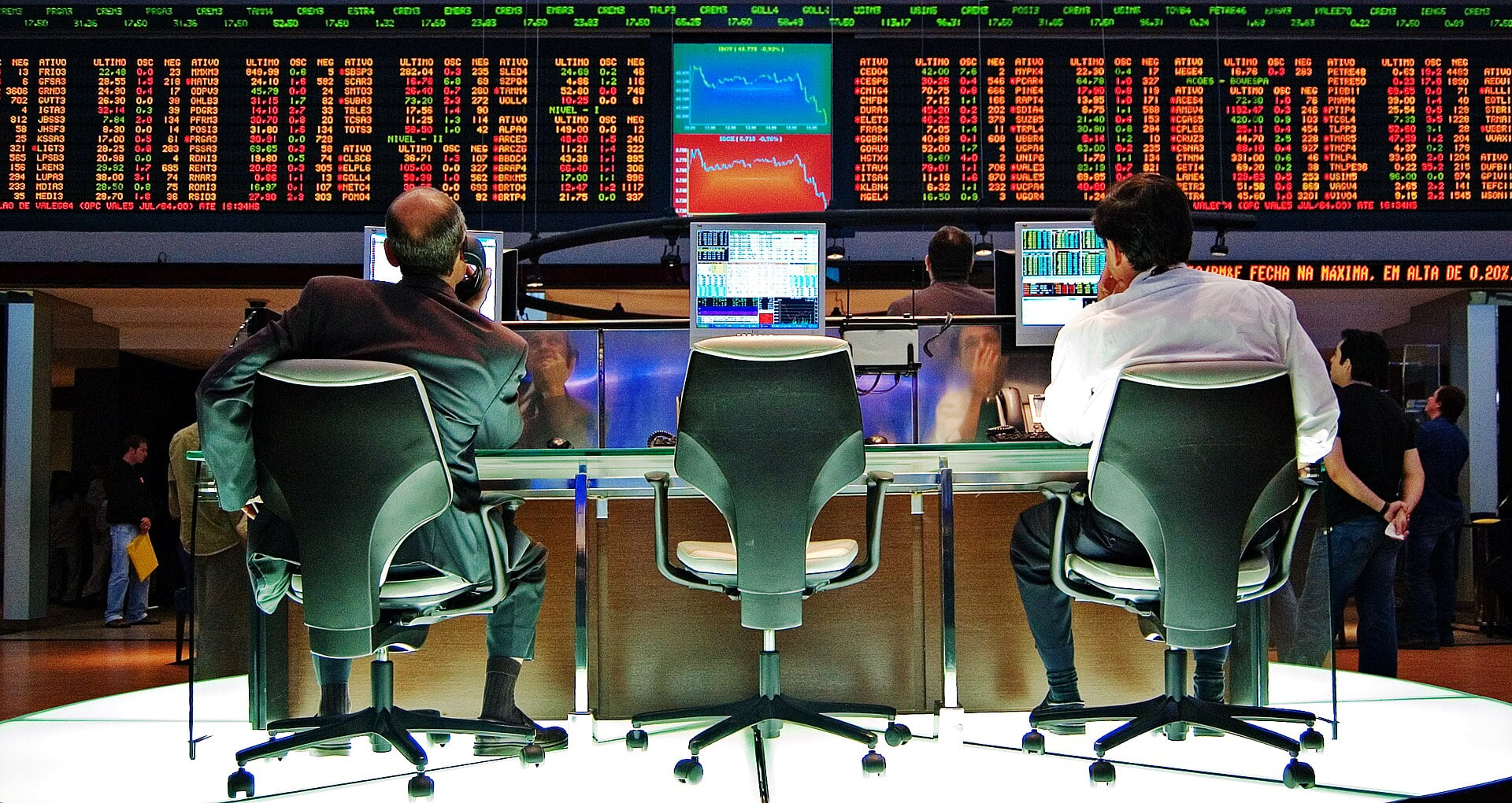
For investors with exposure to Brazilian equities and fixed income, the tariff escalation introduces a new layer of risk that extends well beyond the chemical industry. The Brazilian real has historically weakened during trade disputes, and the broader Ibovespa index tends to sell off when external demand forecasts deteriorate, particularly for commodity-linked and industrial stocks.
The chemical sector’s predicament illustrates a deeper structural challenge. Brazil’s protected industries have long enjoyed high margins behind tariff walls, but that insulation now makes them bargaining chips in a geopolitical environment where the United States is willing to use market access as leverage to extract concessions across multiple policy domains simultaneously.
Multinational corporations with Brazilian manufacturing footprints face particular uncertainty. Supply chains that rely on imported chemical inputs could see costs rise if the dispute widens, while companies that export finished goods to the U.S. market must now recalculate pricing strategies to absorb or pass through the 25% duty.
What the Tariff Fight Means for Expats and Frontier Living
Expats and foreign residents in Brazil will feel the tariff dispute through currency pressure and potential price increases on imported goods, though the immediate day-to-day impact on cost of living remains modest. The real’s trajectory against the dollar will be the single most important variable for anyone earning in foreign currency while spending in reais.
Longer-term, the dispute could accelerate Brazil’s efforts to diversify trade relationships beyond the United States, potentially opening new opportunities in Asian and European markets that would reshape the business landscape for foreign entrepreneurs operating in the country. The Lula administration has already signalled that it views the current tension as a catalyst for reducing Brazil’s historical over-reliance on the U.S. market.
Real estate markets in São Paulo and Rio de Janeiro, heavily influenced by foreign investment flows, may see short-term hesitation from American buyers uncertain about the bilateral climate. However, European and Asian investors have historically viewed such moments as entry opportunities, particularly when currency depreciation makes Brazilian assets cheaper in dollar terms.
The Latin America Read-Through: Contagion or Containment?
Brazil’s tariff confrontation with Washington is being watched nervously in capitals from Buenos Aires to Mexico City. If the United States successfully uses tariffs to extract sectoral concessions from Latin America’s largest economy, the precedent could embolden similar demands against other countries in the region that maintain protected industries.
Mexico, already navigating its own complex trade relationship with the Trump administration under the USMCA framework, faces a structurally similar vulnerability in sectors where state-owned enterprises or protected domestic champions dominate. Argentina’s new government, meanwhile, has pursued a diametrically opposite strategy of aggressive market opening, potentially positioning itself as a beneficiary if supply chains shift away from Brazil.
The Mercosur trade bloc adds another layer of complexity. Brazil’s tariff commitments within the customs union constrain its ability to offer unilateral concessions to Washington without triggering compensation claims from Argentina, Paraguay, and Uruguay, a legal and diplomatic tangle that negotiators on both sides must navigate carefully.
What to Watch in the Coming Weeks
The July 22 implementation date creates an intense window for last-minute diplomacy, with technical teams from both countries expected to remain in continuous contact. Any signal that Washington is willing to grant chemical-sector exemptions, even temporary ones, would be interpreted by markets as a significant de-escalation and would likely trigger a relief rally in Brazilian assets.
Investors should monitor statements from Trade Representative Greer and Minister Rosa for any language indicating flexibility on the scope or duration of the tariffs. The chemical industry’s lobbying efforts in both Washington and Brasília will be particularly intense, given the $2.4 billion in annual trade at stake and the integrated nature of many U.S.-Brazil chemical supply chains.
Brazil’s domestic political calendar adds urgency. With municipal elections approaching and the Lula administration keen to demonstrate economic stewardship, a protracted trade dispute that damages industrial employment would carry significant political costs, potentially strengthening the hand of those within the government who favour a more conciliatory approach to Washington’s demands.
Frequently Asked Questions
What exactly did the United States demand from Brazil in the tariff negotiations?
The U.S. Trade Representative’s Section 301 investigation identified concerns across digital trade, preferential tariffs, anti-corruption enforcement, intellectual property protection, ethanol market access, and illegal deforestation. While American chemical industry interests have pressed for Brazil to open its protected chemical sector, official U.S. government documents have not explicitly framed this as a formal condition for tariff removal. Brazil’s written proposal on July 1 offered tariff reductions on roughly 300 tariff lines in an effort to address the broader U.S. concerns.
How will the 25% tariff affect foreign investors in Brazil?
The immediate impact will flow through currency depreciation, with the Brazilian real likely to weaken against the dollar as trade uncertainty persists. Companies with export exposure to the U.S. market face margin compression, while import-dependent businesses may see input costs rise. The broader Ibovespa index historically underperforms during trade disputes, though the actual damage depends on whether the tariffs remain in place, expand, or are negotiated down through sector exemptions in the coming weeks.
Could Brazil retaliate with its own tariffs on American goods?
Brazil’s government has explicitly stated that it will prioritise negotiation over immediate retaliation, a strategic choice reflecting the asymmetric trade relationship between the two countries. Foreign Minister Mauro Vieira and Trade Minister Márcio Elias Rosa have emphasised seeking a lower rate, suspension, or sector exemptions rather than triggering a tit-for-tat escalation. However, if negotiations fail and the tariffs become permanent, Brazil retains the legal right to pursue reciprocal measures through the World Trade Organization framework.
















 English (US) ·
  French (CA) ·
  French (FR) ·