

 2 months ago
91
2 months ago
91
PROTECT YOURSELF with Orgo-Life® QUANTUM TECHNOLOGY
Orgo-Life the new way to the future Advertising by AdpathwayBolivia · Trade
Key Facts
—Cleared. Laboratory analysis found no cocaine in the Bolivian timber detained in Chile and Brazil.
—Case closed. Chilean prosecutors ended the investigation on 16 July after confirming a false positive, and released the cargo.
—The damage. Bolivian timber exports fell more than 60%, with losses put at about US$16 million over roughly 40 days.
—The demand. Exporters, municipalities and the government are seeking a public clarification and compensation.
—Still open. Brazil’s definitive expert report had not been published as of mid-July.
The Bolivia timber cocaine case has collapsed. After weeks in which Bolivian hardwood was described as a vehicle for a record quantity of cocaine, laboratory testing in both Chile and Brazil found no drugs at all, and Chilean prosecutors have closed the file.
What is left is an industry that lost most of a quarter’s exports on the strength of a reading that did not hold, and a set of demands for someone to say so publicly.
One-stop reference
Company Intelligence
Every listed company in Latin America — financials, ownership and structure for 1,450+ companies across 26 exchanges, in one place.
What the laboratories found
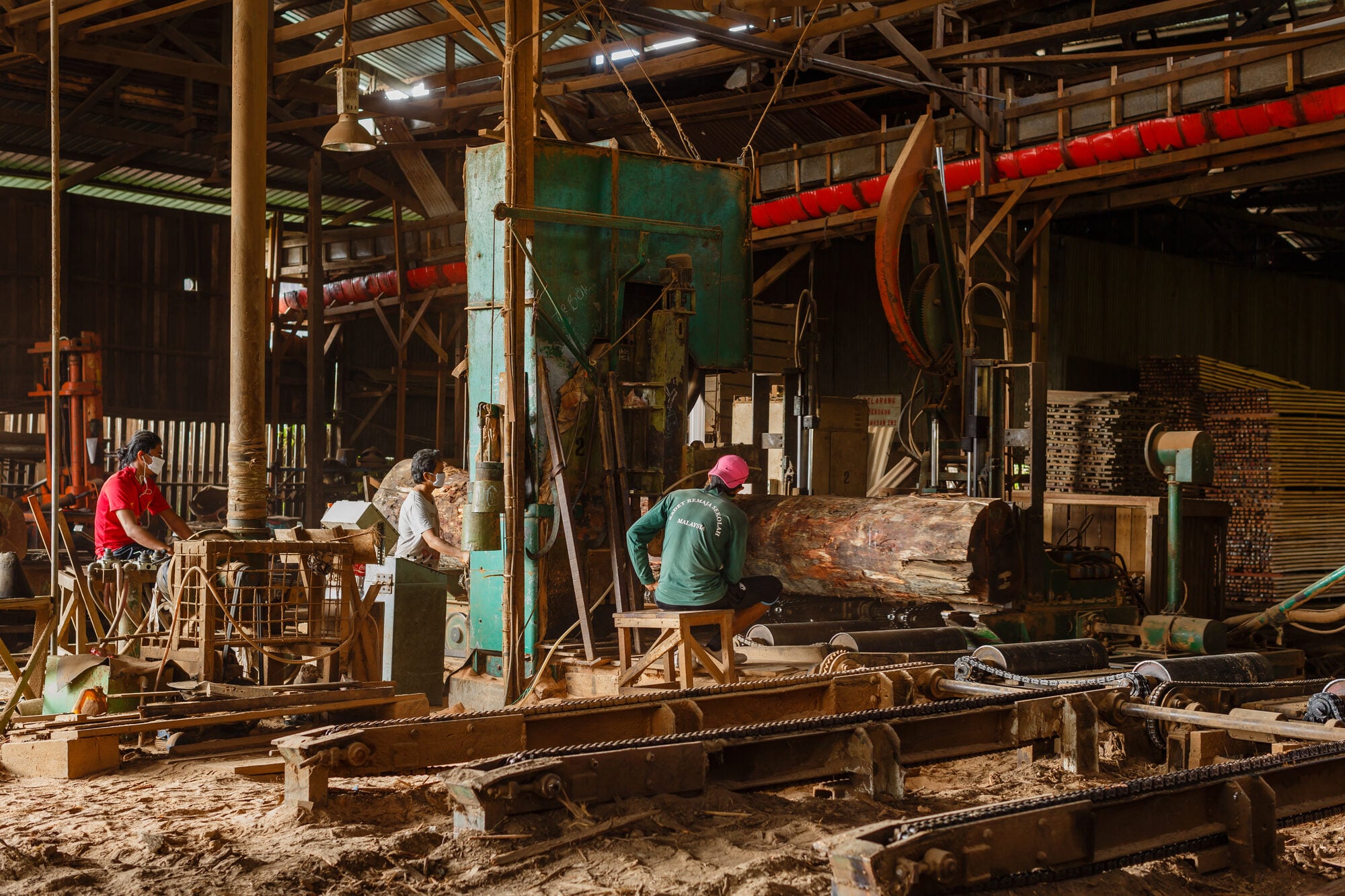
Bolivia’s Attorney General, Róger Mariaca, said expert analysis did not confirm the presence of cocaine in the wood held in either country. Examinations by Bolivia’s forensic institute, the IDIF, and by international laboratories found no narcotics in more than 1,000 tonnes of retained timber.
In Brazil, where eight trucks were stopped at Corumbá and Cáceres in June, the lawyer for the hauliers said Federal Police chemical tests returned negative results for every sample analysed. A drug-detection dog walked through the cargo without alerting, and no one was arrested.
The gap between the first readings and the final ones is the heart of the case. Presumptive colorimetric field tests are quick and portable but chemically non-specific, and false positives are a well-documented limitation.
Confirmatory laboratory work is what settles the question, and here it pointed the other way.
For a foreign reader, it helps to understand that field tests are a screening tool, not a verdict. They work by producing a colour change when a substance reacts with a chemical reagent, but many legal compounds can trigger the same reaction.
That is why any positive field result must be sent for more precise analysis using techniques like gas chromatography-mass spectrometry, which can identify a substance at the molecular level. In this case, that second, definitive step cleared the timber entirely.
How the Chilean case ended
Chile had announced in June what it called a historic seizure at the port of Arica, saying cocaine and ketamine had been impregnated into Bolivian timber across dozens of containers. It was that announcement, more than anything, that set the story running internationally.
On 16 July prosecutors closed the investigation after confirming a false positive and the shipments were released. Bolivia’s forestry sector called the original announcement a media spectacle by the Arica prosecutor.
The significance of Chile closing the case goes beyond this single shipment. Arica is a major Pacific gateway for Bolivian trade, and the two countries have a long, sometimes delicate commercial relationship.
When a prosecutor in a transit nation makes a drug claim about a neighbour’s export, the diplomatic and economic ripples travel fast, even before laboratory confirmation arrives.
The bill for a false positive
The cost landed on companies that were ultimately cleared. According to the Bolivian Forestry Chamber, exports fell by more than 60% from June as inspections tightened and releases slowed, with hauliers waiting weeks for analyses to conclude.
Producer regions have put a number on it, describing a false positive that cost 183 million bolivianos, roughly US$16 million, across some 40 days of halted exports and cancelled contracts. Beyond the cash, exporters say the harder loss is standing in European, US and Asian markets, where a narcotics association is not quickly forgotten.
On 17 July the municipal association AMDECRUZ demanded an end to the stigmatisation of the sector after what it called unfounded accusations. Bolivian authorities and exporters are preparing complaints and compensation claims, and have asked Chile for a public clarification.
Reputational damage in commodity trade works differently from a simple cancelled order. Buyers who source hardwood for furniture, flooring or construction often build supply chains around a country’s phytosanitary and legal reputation.
A drug-trafficking allegation, even one later withdrawn, can push importers to switch suppliers pre-emptively, and winning them back takes far longer than the 40 days the cargo sat idle.
What is still unresolved
Brazil’s definitive expert report, prepared in Brasília, had not been published as of the middle of July, and the Brazilian cargo remained at the dry port at Corumbá while it was awaited. Whether Chilean authorities will issue a formal clarification of their own is also unclear.
For the wider region the episode is a reminder of how fast a presumptive result can travel, and how slowly a negative one follows. The initial claim circulated worldwide within days.
The laboratory findings that undid it arrived weeks later, to a fraction of the attention.
Several open questions will shape what happens next. Will Brazil’s final report echo the negative findings already announced by the hauliers’ lawyer, and if so, will it prompt a formal statement from Brazilian authorities?
Can Bolivia and Chile agree on a diplomatic channel to address the compensation demand, or will the matter move into trade-dispute territory? And perhaps most importantly for the forestry sector, what concrete steps can be taken to restore buyer confidence in markets where the original headlines landed but the correction barely registered?
Frequently Asked Questions
Was any cocaine found in the Bolivian timber?
No. Laboratory analysis in both Chile and Brazil found no cocaine. Bolivia’s Attorney General said the initial indications were a false positive, and Bolivia’s IDIF and international laboratories found no narcotics in the retained wood.
Why did the first tests say otherwise?
The early indications came from presumptive field tests. These are fast and portable but chemically non-specific, and false positives are a documented limitation of the method.
Confirmatory laboratory analysis did not support them.
What are Bolivian exporters asking for?
A public clarification and compensation. Exporters, producer municipalities and the government are preparing complaints over the economic and reputational damage, estimated at around US$16 million during roughly 40 days of paralysis.















 English (US) ·
  French (CA) ·
  French (FR) ·