

 2 months ago
80
2 months ago
80
PROTECT YOURSELF with Orgo-Life® QUANTUM TECHNOLOGY
Orgo-Life the new way to the future Advertising by AdpathwayAlong the Cairo-to-Cape Town cycling route, Zambia often feels like the forgotten country. Many long-distance bikepackers rush through it in favour of the wildlife and vast open spaces of Botswana and Namibia, or use it as a gateway to Malawi. However, we found bike touring Zambia to be a great experience. Its strong tribal cultural identity, easy wild camping, and quiet roads made it a pleasant place to travel.
Zambia is home to 73 officially recognised ethnic groups, each with its own language, celebrations, and customs. We would learn a greeting in one language in the morning, only to find people speaking a different one by the afternoon!
Beyond the cultural richness, it is also one of the safest countries in Africa, and people in villages were consistently warm, welcoming, and hospitable.
Zambia: At a Glance
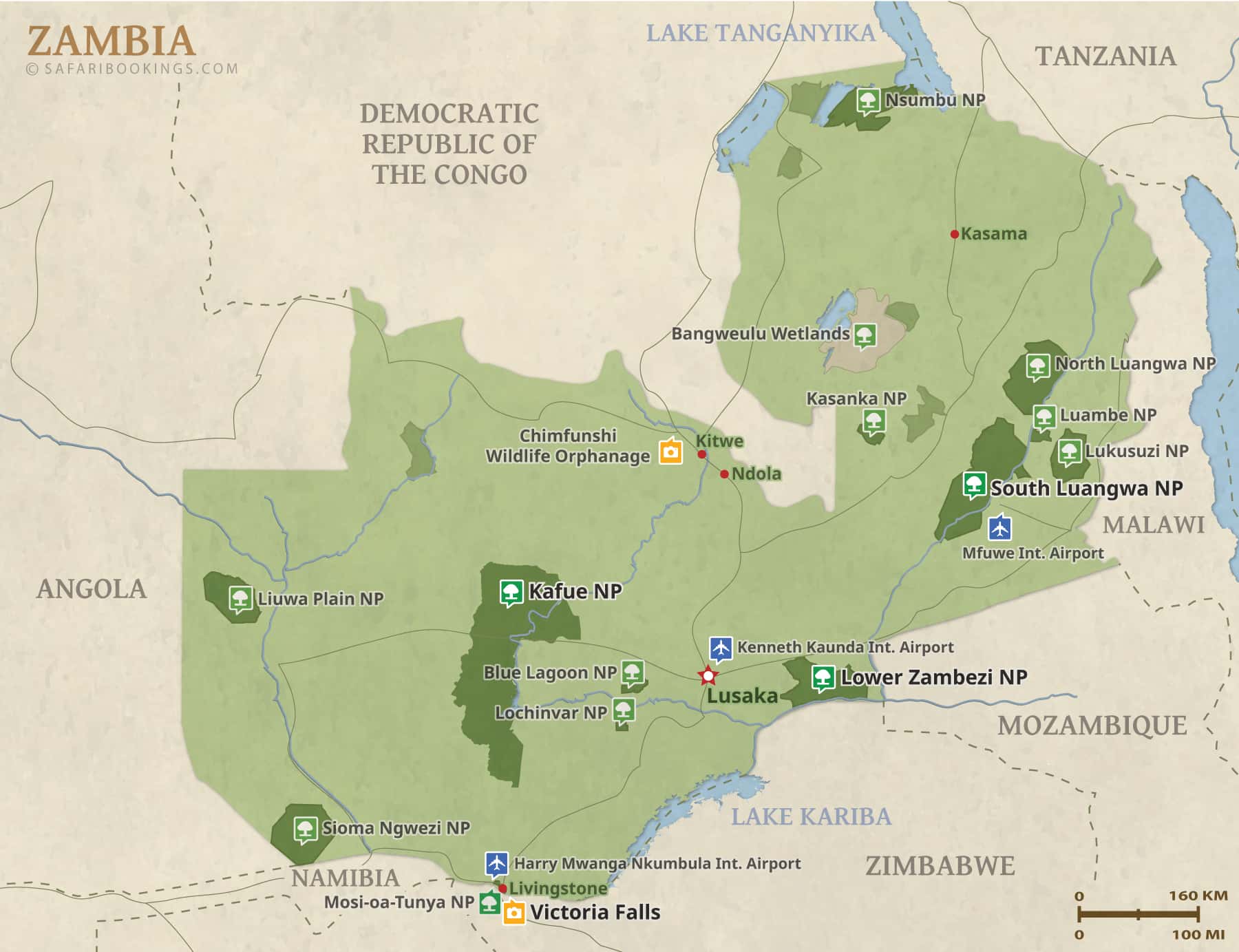
Zambia is roughly the size of the UK and shares borders with eight countries. It’s also home to the world’s only international quadripoint, where Namibia, Botswana, Zambia, and Zimbabwe meet. And nearby is the world’s shortest international border, a 135-metre (443 ft) stretch between Botswana and Zambia.
Although landlocked, Zambia is rich in water resources. It is home to spectacular waterfalls, including Mosi-oa-Tunya (Victoria Falls), the largest waterfall in the world by combined width and height, and Kalambo Falls, one of the highest uninterrupted waterfalls in Africa.
Zambia also has four major lakes. In the northeast are Lakes Bangweulu and Mweru. Along the border with Zimbabwe lies Lake Kariba, a vast reservoir formed by the damming of the Zambezi River. Far to the northeast is Lake Tanganyika, a Rift Valley lake and the world’s longest freshwater lake.
Zambia is generally considered one of Africa’s most peaceful and stable countries, with democratic transitions of power. For decades, it’s been a quiet mediator in the region, stepping in to quell flare-ups in surrounding countries. Despite these strengths, over 60% of the population still faces poverty, and the country remains heavily dependent on mining. The nation is also navigating significant economic challenges, including high debt levels and severe drought.
There is still a strong connection to the chief system; chiefs and sub-chiefs are consulted to solve disputes in villages. Chief ceremonies are some of the biggest celebrations of the year, with the Kumboka, which takes place in March in Western Zambia, being one of the most spectacular.
English is the official language, which is widely spoken in larger towns. However, in villages, you will hear a variety of local languages. As I mentioned previously, we would often learn one greeting in the morning, then by the afternoon, after several hours of cycling, the language had already changed.
Top Places To Visit In Zambia
Kasanka Bat Migration & Bangweulu Wetlands
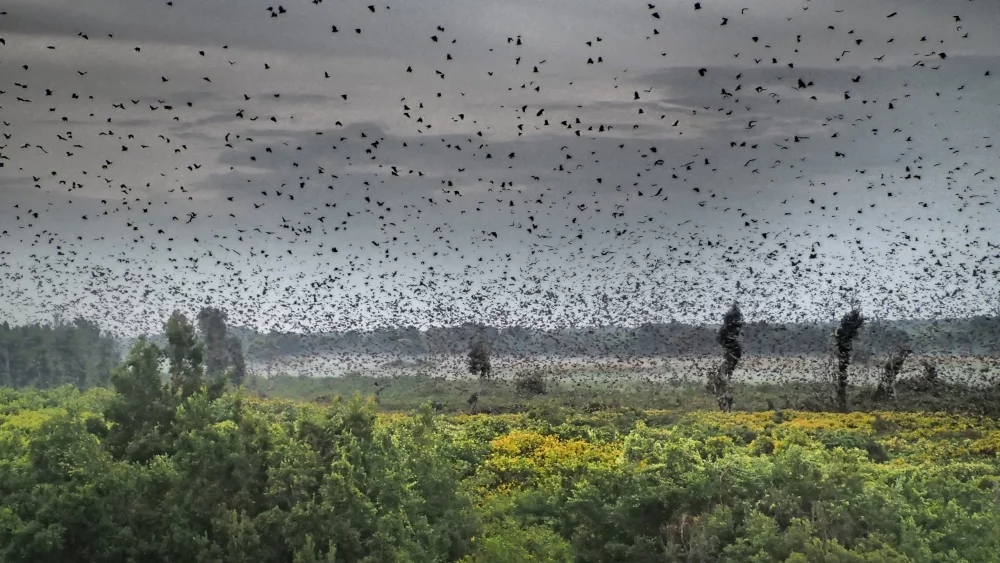
One of the world’s greatest wildlife spectacles takes place in Zambia each year.
In late October, around 10 million African straw-coloured fruit bats descend on a tiny swamp forest in Kasanka National Park, creating what is considered the largest mammal migration on Earth. Even more remarkably, scientists are still not entirely certain why this specific forest attracts them.
We were lucky enough to pass through near the peak of the migration, and it was incredible. If your timing doesn’t align with the bats, nearby Bangweulu Wetlands offers another iconic wildlife experience. It’s the chance to see shoebills, huge prehistoric-looking birds that rank among Africa’s most sought-after sightings.
South Luangwa National Park
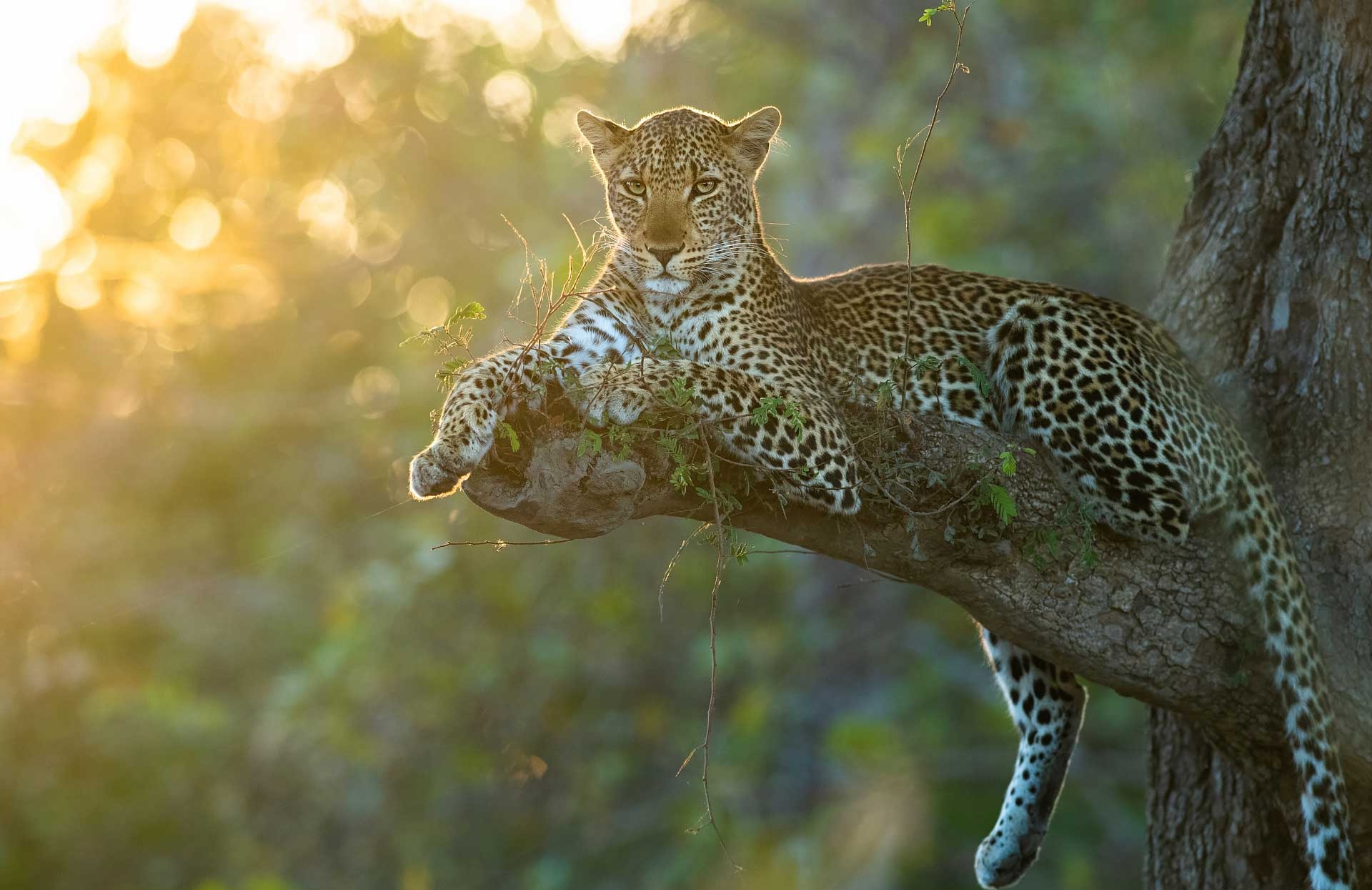
For safari experiences, South Luangwa is one of Zambia’s best-known destinations. It is especially famous for big cats, with ecological studies showing one of the highest leopard densities in southern Africa, alongside healthy populations of lions, spotted hyenas, and African wild dogs.
The park is also home to large numbers of elephants, giraffes, buffalo, and numerous antelope species. Its combination of wildlife density and relatively low visitor numbers makes it a great place for a safari.
Mosi-oa-Tunya (Victoria Falls)
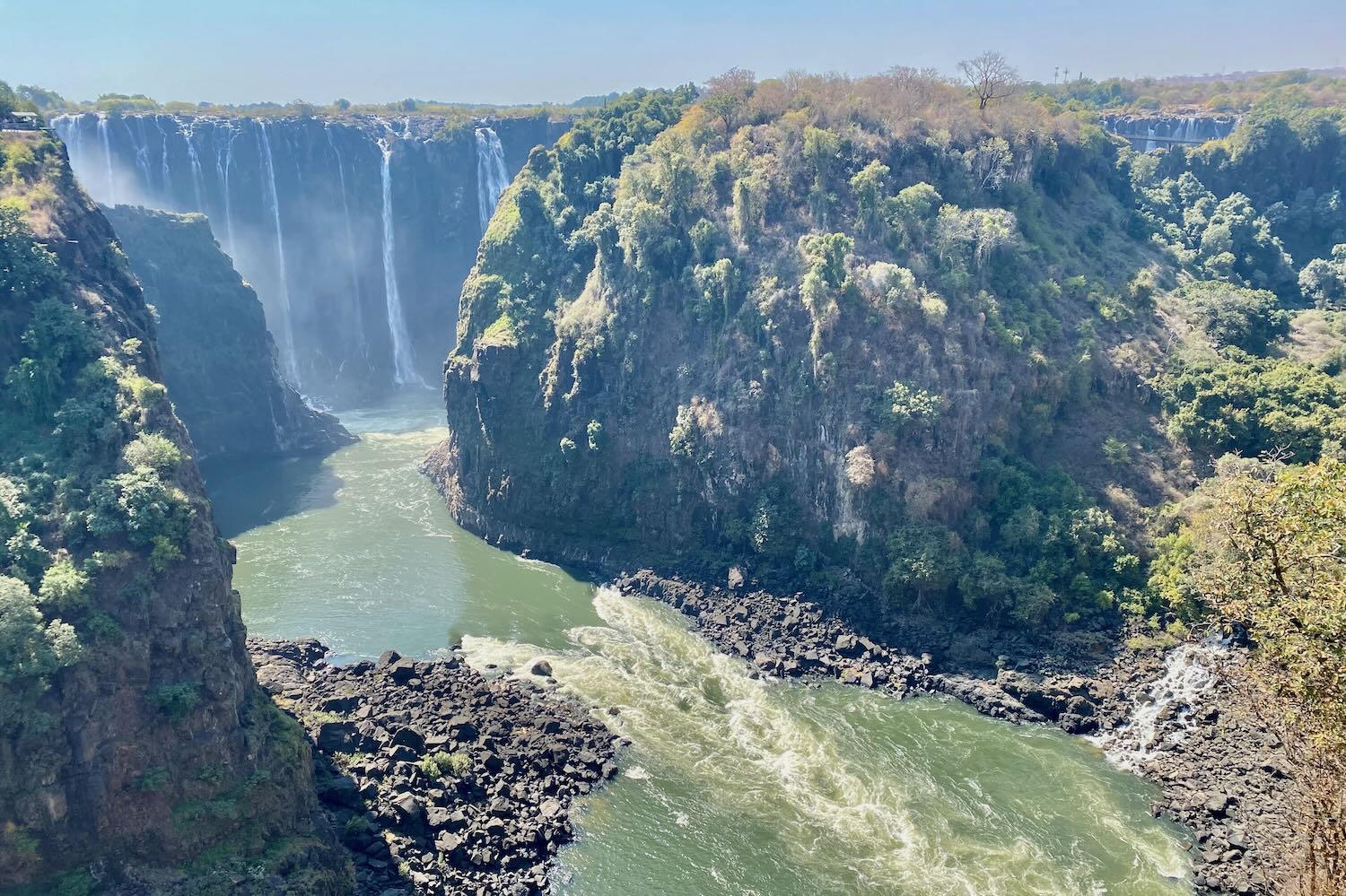
While the most expansive views of Victoria Falls are generally from the Zimbabwean side, Zambia offers some of the most adventurous experiences associated with the falls. This is where you’ll find attractions such as Devil’s Pool and whitewater rafting through the Zambezi Gorge.
Livingstone, around 10 km from the falls, is an excellent place to rest before continuing your journey, with several good restaurants, hostels, and services for travellers.
The road between Livingstone and the falls is also known for frequent elephant activity. It’s wise to take cues from local cyclists, many of whom regularly ferry goods across the border. We ended up riding part of the route in a larger group for safety because of the number of elephants near the road.
Where Did We Go Bikepacking in Zambia?
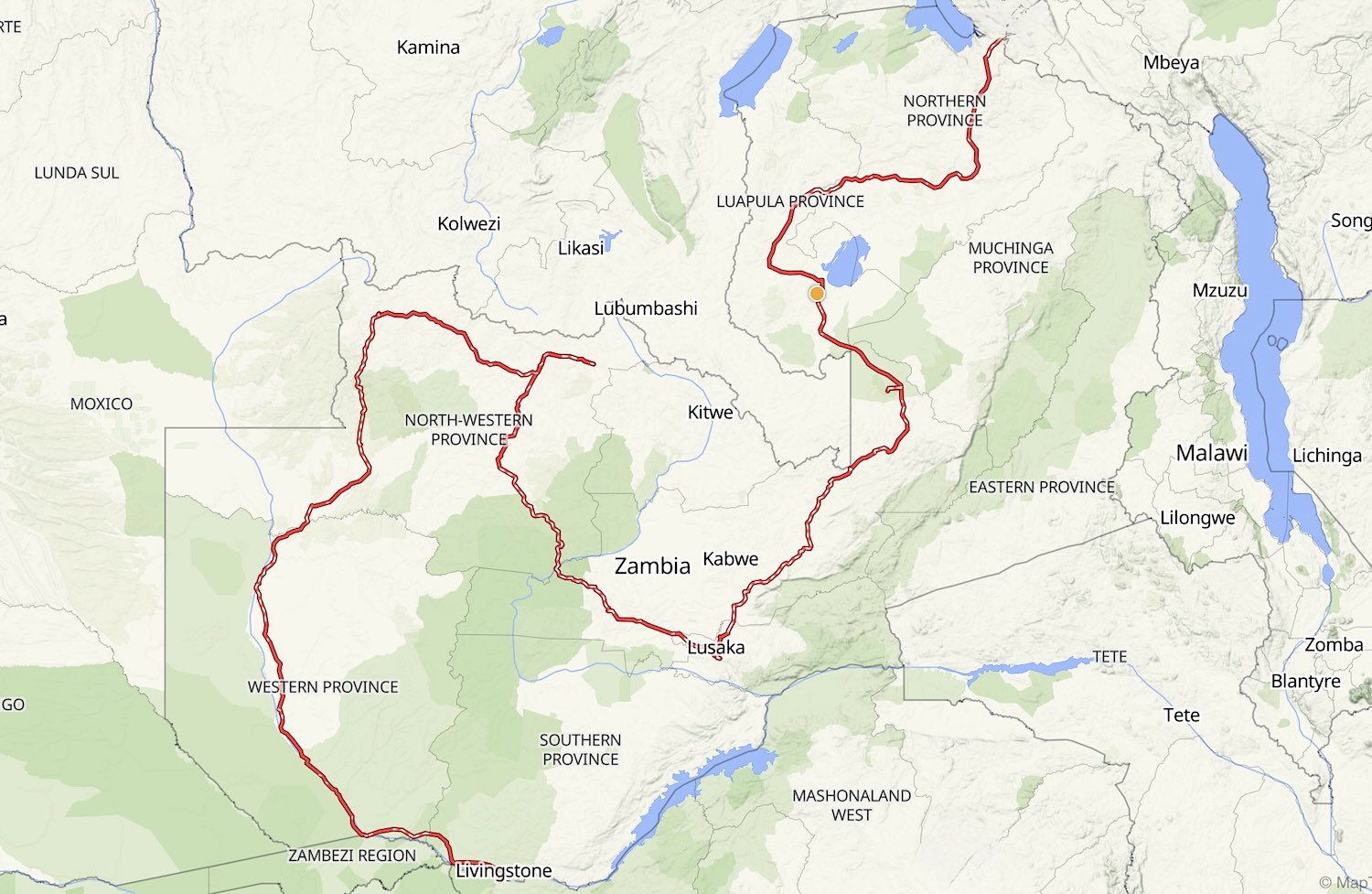
We spent three months bikepacking through Zambia and covered a whopping 3,500 kilometres (2,200 miles), focusing on the country’s lesser-visited regions. We sought out quieter roads wherever possible and, in some cases, travelled through areas with no formal roads at all. We wild camped every night while on the move and loved how easy it was to find secluded campsites.
We entered Zambia via Victoria Falls. After recharging with good food and meeting fellow travellers in Livingstone’s hostels, we headed north, following the Zambezi River for more than 500 km toward Mongu. Adventure soon called, and we left the roads behind to follow sandy walking paths across the Barotse Floodplain for around 100 km, pushing our bikes through remote villages that are often only accessible by boat.
From there, we continued north into the lush and green North-Western Province, riding through old-growth forests before reaching Mwinilunga and turning south again. We then crossed Kafue National Park as quickly as possible, hoping to minimise tsetse fly bites while also avoiding any close encounters with elephants or lions.
Next came a welcome rest in Lusaka, where we happily made the most of the city’s restaurants. With two weeks left on our visa and 1,400 km still to ride to the Tanzanian border, we launched into a final dash northward, making a quick detour to witness the Kasanka bat migration and Bangweulu Wetlands along the way.
We eventually exited Zambia through the Kasese border into Tanzania at 7 PM on the very last day of our visa.
You can download our Zambia GPX route HERE.
What Bikepacking Routes Do We Recommend in Zambia?
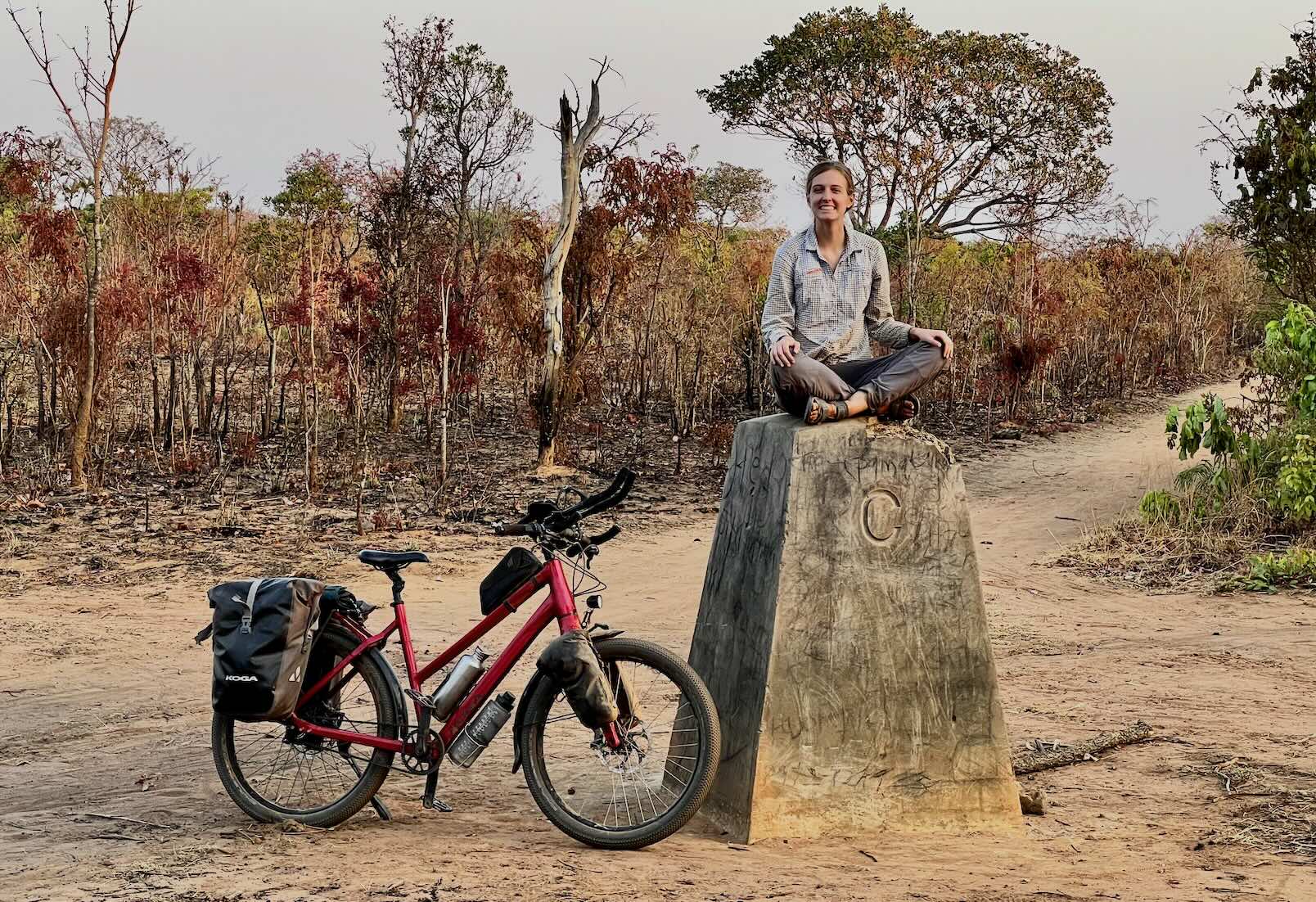
Northwestern Zambia offers some of the greatest contrasts in the country and was one of our favourite regions to ride.
You’ll find quiet roads with very little traffic, countless dirt-road options, languages changing every hundred kilometres, and villages where traditional tribal customs remain strong. It sits well away from the usual traveller circuit, and that remoteness is exactly what makes it such a rewarding place to explore.
If you have the time, we highly recommend riding from Victoria Falls north toward the North-Western Province. Along the way, you’ll watch the landscape gradually transform from dry and sandy terrain into lush, green countryside. From there, you can go to Angola, or loop south again toward Lusaka or Kitwe.
Best and Worst Roads in Zambia
Manyinga to Mwinilunga (D287)
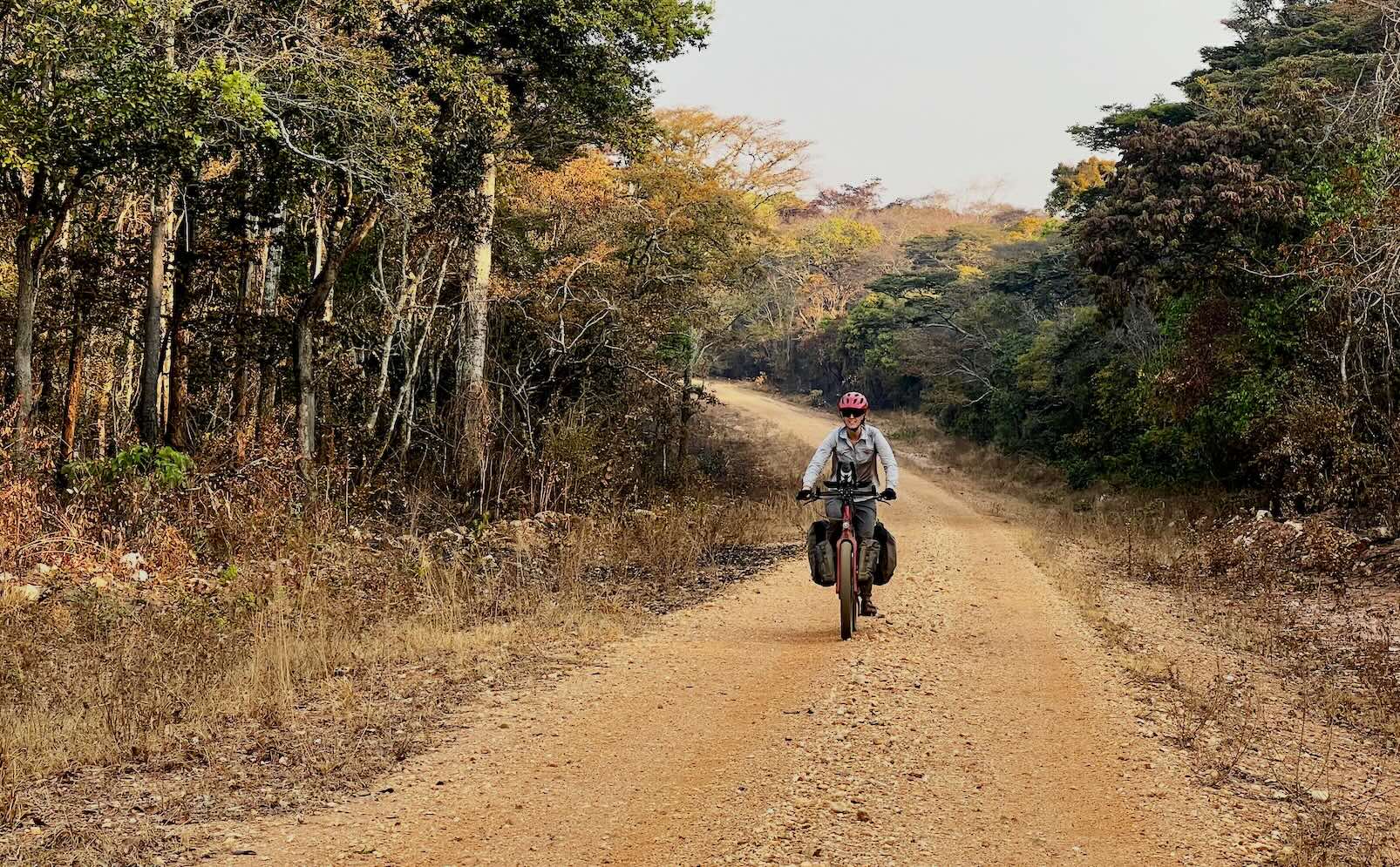
It’s rare to find long stretches of undisturbed old-growth forest like those along this scenic road. The route is sparsely populated, passing through very small villages and quiet countryside.
As you approach Mwinilunga, the terrain becomes more mountainous, with beautiful views and strikingly clear blue water. This is a noticeable contrast to much of the rest of Zambia.
Old Petauke Road (Petauke to Mfuwe)
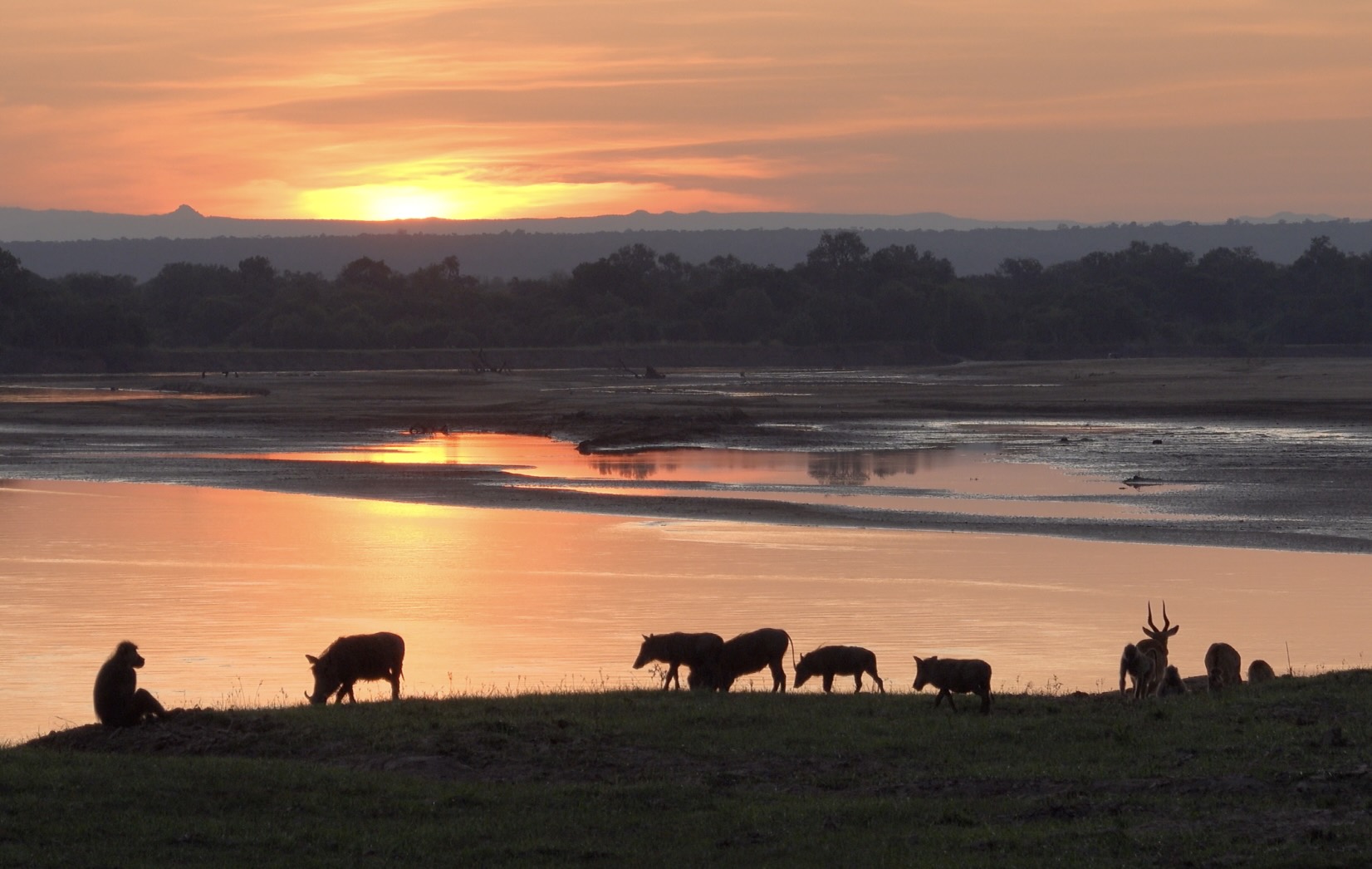
Although it wasn’t part of our route, this is widely regarded as one of the most popular alternatives on the Cape Town to Cairo cycling corridor. It offers a quieter option compared to the T4 (Great East Road), running along the edge of South Luangwa National Park. This brings regular chances of wildlife sightings, including elephants, giraffes, antelope, warthogs, baboons, hippos, and crocodiles. A head net is strongly recommended to deal with tsetse flies in the area.
Worst Roads for Cycling in Zambia (T2 or T4)
Stretching from the Tanzanian border at Tunduma down to Kapiri Mposhi, the T2 is difficult to avoid entirely, but it’s well worth minimising time spent on it where possible. The road is heavily trafficked with trucks moving between Tanzania’s ports and destinations as far south as Zimbabwe, and large sections have no shoulder at all.
While it can be a necessary connector, we found it far more enjoyable to take a longer and smoother detour via Mansa, which reduces exposure to virtually zero and improves the overall riding experience.
A road that’s virtually unavoidable for people connecting Malawi with Botswana is T4. This is another busy road that’s unpleasant enough that many cyclists simply choose to catch a bus along it instead.
Cycling Across The Bartose Floodplain
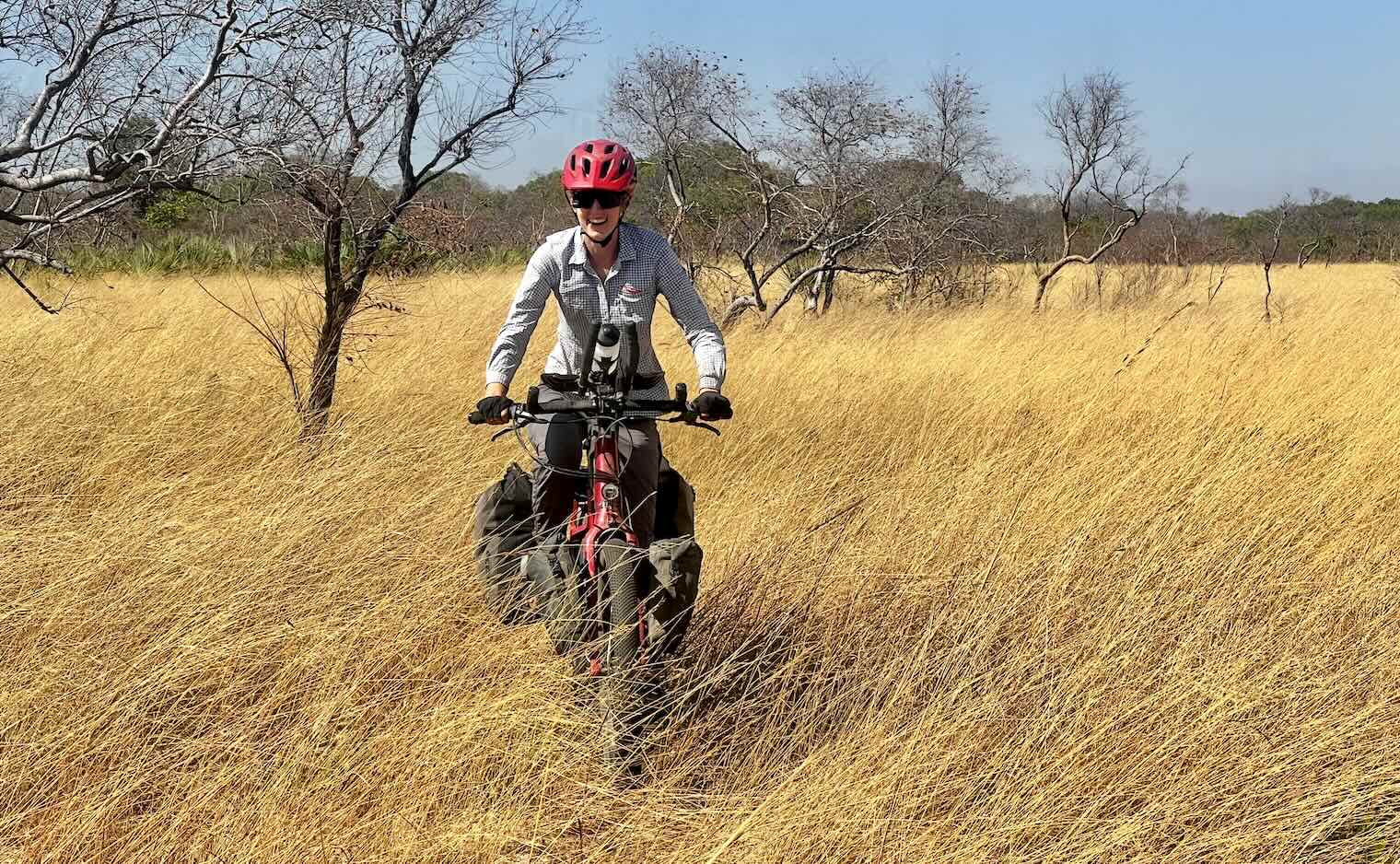
There is a rough track from Limulunga to Lukulu that crosses the Barotse Floodplain. We spent three days riding and pushing our bikes across a 100 km stretch of floodplain that follows the Zambezi River through rural and largely undeveloped western Zambia.
It was hard work. We followed increasingly faint tracks until we were essentially guessing the best line forward. But it was absolutely worth it. The settlements out here feel unlike anywhere else in the country. Homes are built from reeds, people collect water directly from the river, and the whole landscape feels like a step back in time.
This is not a route for the faint-hearted. Even with 2.8” tubeless tyres run at very low pressures, we still spent long sections pushing through deep sand. Our average distance dropped to just 30 km per day. There is a weekly boat service that connects some villages along the route if you need to exit partway through, but you may end up waiting a week or more for it to arrive.
If you’re considering attempting this route, feel free to reach out on Instagram (@LauraBikesandSnacks). It’s an unforgettable experience if you’re prepared for the conditions.
Life Without Reliable Power
When we cycled through Zambia in mid to late 2024, power cuts were much more common than actually having electricity. A combination of factors – including low water levels affecting hydropower generation and electricity exports to neighbouring countries – contributed to severe outages in many parts of the country.
At one point, while we were in the capital, Lusaka, some areas went more than 10 days without consistent power. Outages on that scale affected nearly everything. Mobile phone networks sometimes struggled because towers relied on generators, hotels often only ran backup power for a few hours each day, and supermarkets had difficulty keeping refrigerated goods in stock.
If you’re travelling in Zambia, it’s wise to carry a power bank (our recommendations are HERE), and to budget a little extra for accommodation with generator backup or solar power. Hopefully, the situation will be better than what we experienced, but it’s worth being prepared.
When Food Gets Repetitive
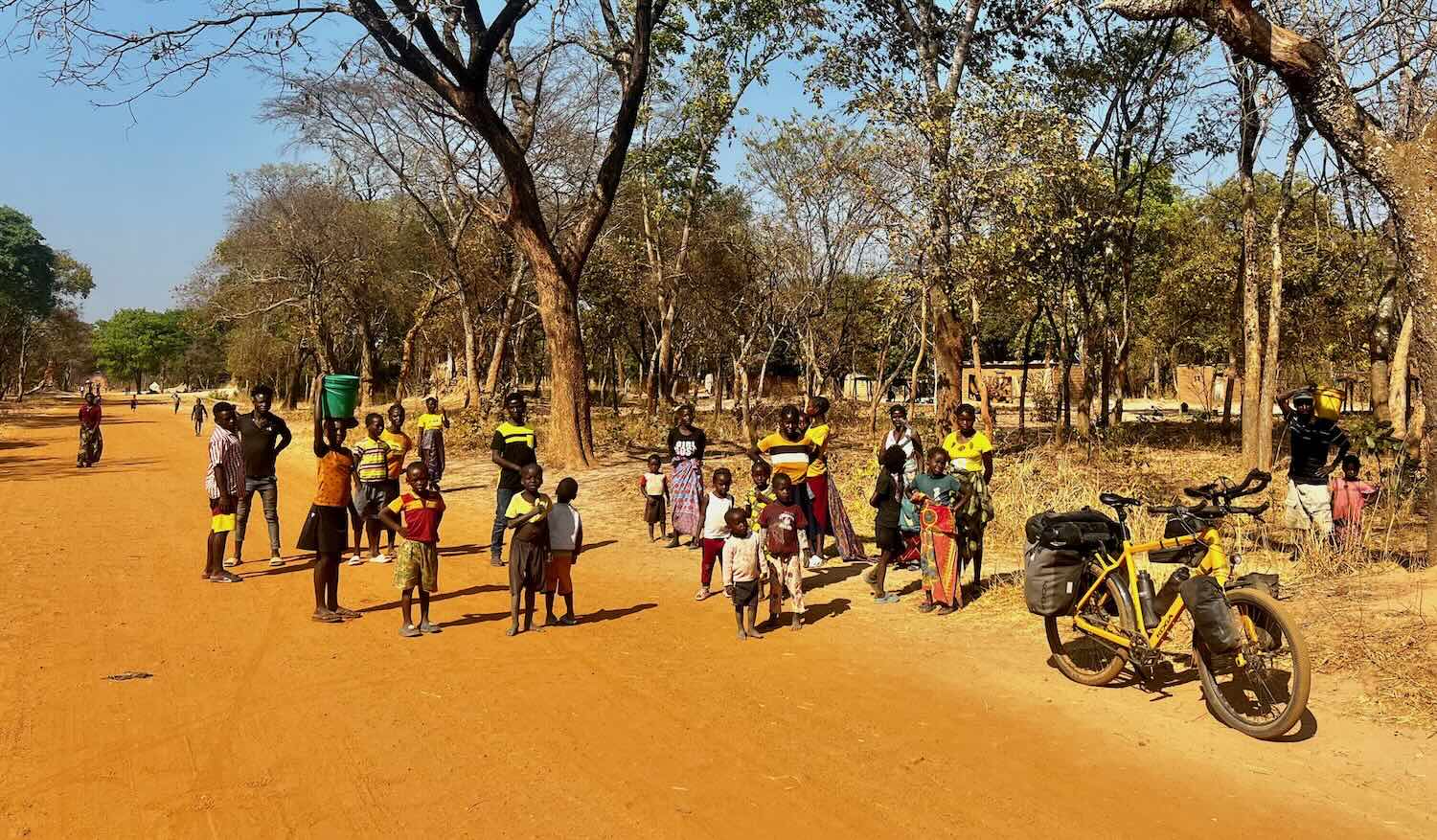
To date, Zambia has been one of the most challenging countries for me in terms of food variety.
Part of that comes from having previously lived in rural Zambia for two years, where I ate nshima with greens almost every day. Unfortunately for me, any other types of food are hard to find in Zambia, as nshima remains the staple meal almost everywhere, including most medium-sized towns.
In addition, village restaurants and roadside eateries were relatively uncommon, shops weren’t very well stocked, and it was also often difficult to buy vegetables beyond basics like tomatoes and onions, which made our camp dinners feel quite repetitive.
In larger towns, supermarket chains such as Shoprite are the best places to restock. There you’ll usually find a wider range of packaged foods, snacks, and cooking supplies.
A few local foods and drinks to look out for are chikanda, which is a street food made from the boiled roots of orchids. It’s all salted and flavoured with spices, and is a little bit chewy. It’s great! And munkoyo was our favourite drink to find in villages. This one is a mildly fermented drink made from maize and munkoyo roots. Every single one you will have has a different taste, which makes it fun to try in every town.
Water Resupply In Zambia
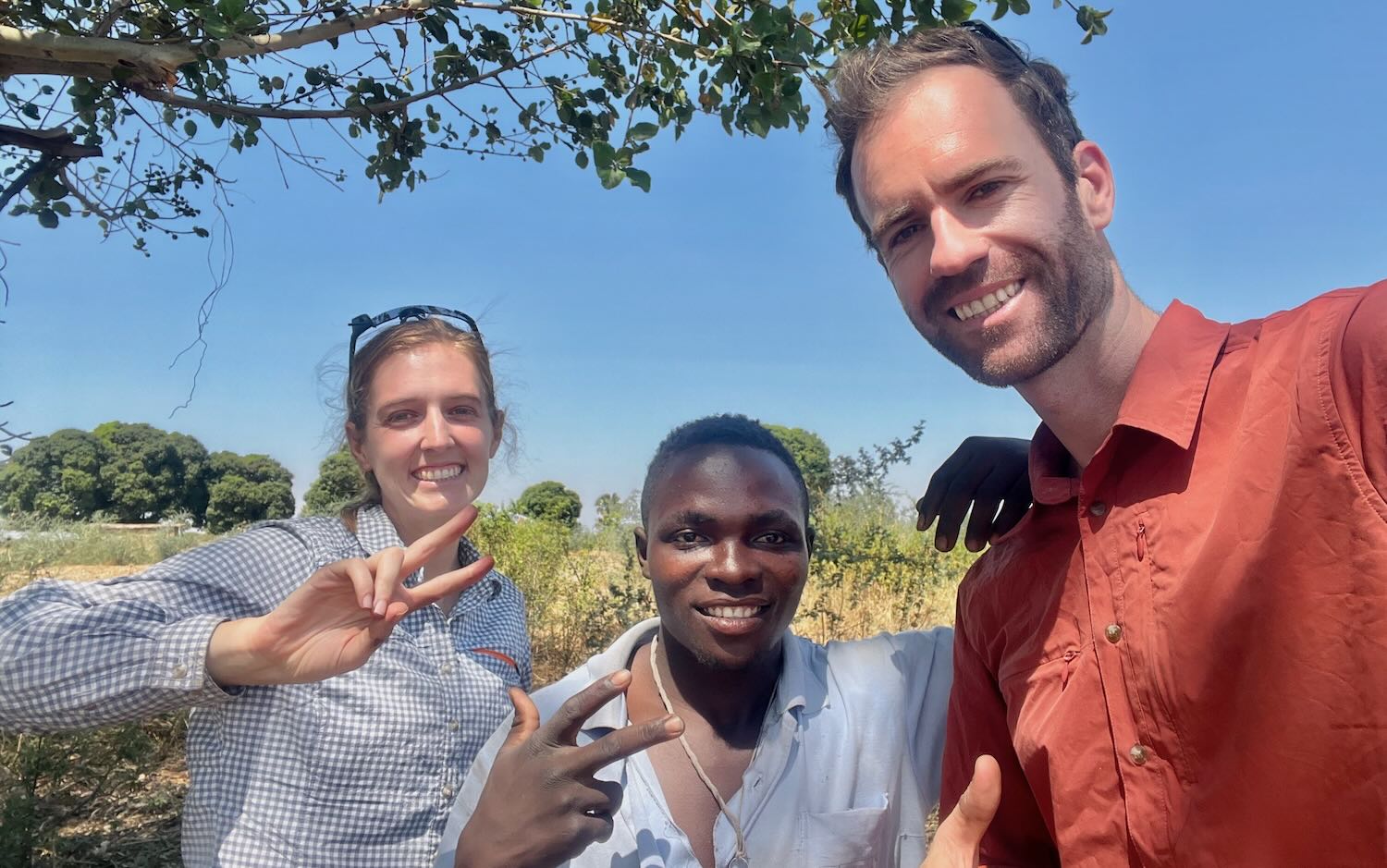
If food is hard… water is easy!
Zambia has been one of the easiest countries for finding potable drinking water in Africa. Deep hand-pump wells (boreholes) are common in rural areas and are often located right beside the road or at the centre of villages.
We really enjoyed stopping at these points. They weren’t just convenient water sources, but also natural places to meet people from the village and have a quick chat, even when we didn’t share a common language.
Accommodation & Camping in Zambia
Wild camping is abundant and excellent in Zambia. Over three months of cycling, we only needed to stay in a hotel once because we couldn’t find a campsite. With around 80% of the population engaged in subsistence farming, villages are typically located near rivers or streams, which makes it relatively easy to find discreet wild camping spots away from water sources.
Hotels in Zambia tend to be on the nicer side, often offering amenities such as generators and televisions. However, reliable hot water and Wi-Fi are less common. Most hotels were on the more expensive side for Africa, usually in the US $30 range.
When we travelled in 2024, rural accommodation often had little or no online presence on platforms like Booking.com. Instead, we relied heavily on recommendations from other travellers via apps like iOverlander or Rolling Around.
Campsites are relatively rare outside major tourist areas such as national parks or the Livingstone region. In fact, we only stayed at one formal campsite during our entire time cycling through the country.
Small Creatures, Big Challenges
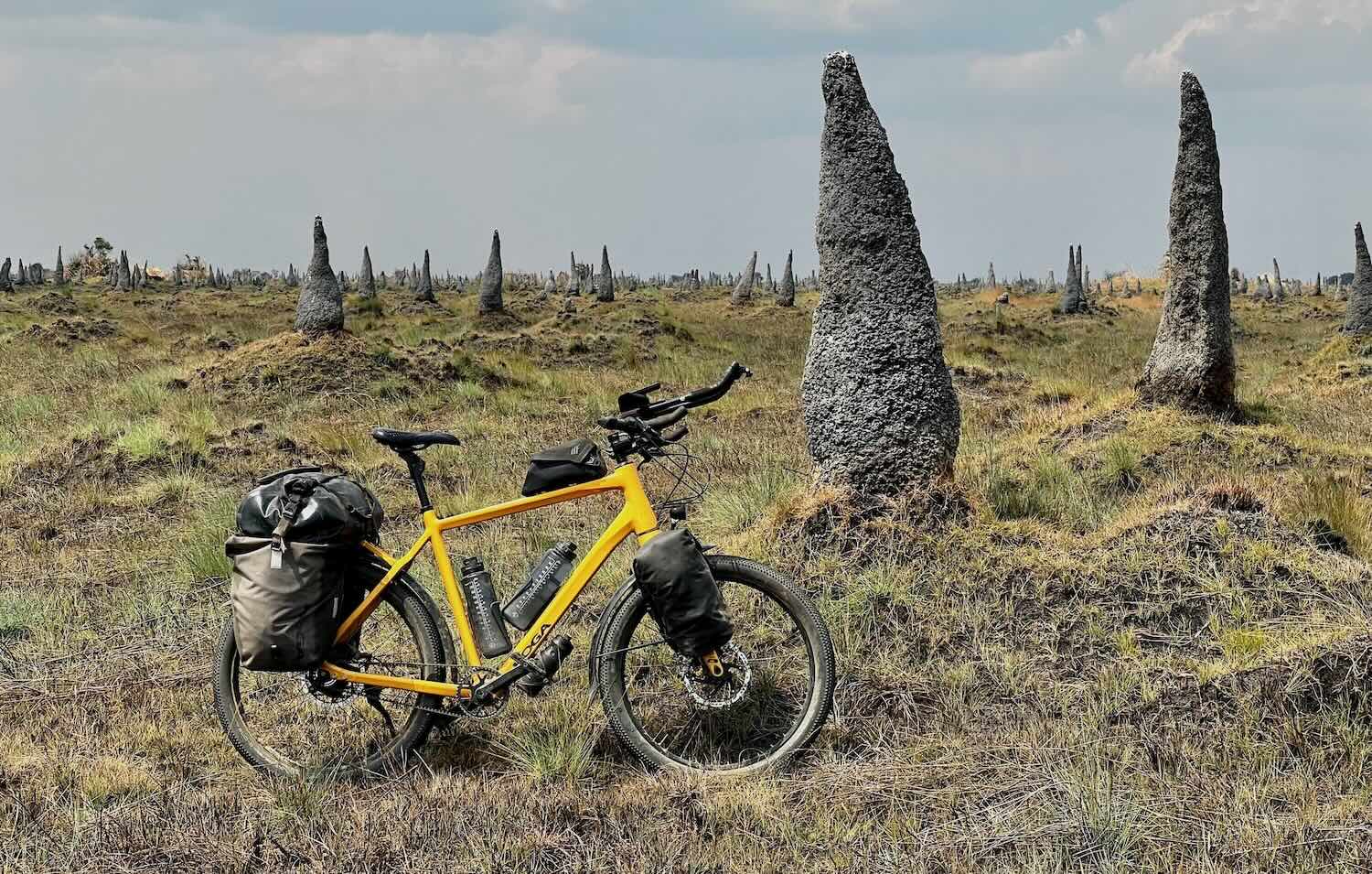
Maybe it’s simply that we spent more time and more kilometres cycling in Zambia than in most other countries, and did more wild camping there than anywhere else. But for whatever reason, we had more encounters with insect nuisances than in any other country we’ve ever travelled through.
Tsetse flies (pronounced set-see) are a crazy challenge. These biting insects make you seriously question your life choices, though luckily, they are usually only found in remote areas such as national parks. In East Africa, the tsetse flies are generally not associated with African sleeping sickness, but their bite is still painful and itchy. They are often said to be attracted to dark colours like black and blue, though the evidence is debated. In practice, anything that reduces exposure helps. The most effective strategy is to wear long sleeves and ride early in the morning or later in the evening.
Extended travel in Africa also brings the occasional encounter with army ants. At times, you’ll come across entire colonies crossing roads or camping areas. On one night, we unknowingly pitched our tent in their path and were woken at 2 AM by painful bites. Our tent was covered in thousands of them. We had to pack up and move several hundred metres. While they don’t bite in the conventional sense, they can deliver very strong, painful pinches. Unfortunately, there’s no guaranteed way to avoid them entirely.
Termites can also cause unexpected issues. In our case, they ate large holes in a sleeping pad that even 40+ patches couldn’t repair. Like army ants, there’s no foolproof way to fully protect your campsite from them; it’s more about reducing risk than eliminating it. The best practice is to avoid pitching in areas with visible termite activity, check the ground carefully before setting up, and keep food crumbs and organic waste well away from your tent.
When it comes to malaria risk, basic precautions help, but there’s no completely reliable way to eliminate it. We generally made a habit of being inside the tent around sunrise and sunset, when mosquitoes are most active. Some travellers use anti-malarial medication, though long-term use can come with side effects (we personally didn’t take it). Our approach was to carry a course of anti-malarials with us and keep them on hand in case of symptoms, whether in a malaria area or after leaving one.
Best Time to Travel to Zambia
Thanks to Zambia’s relatively high elevation, with much of the country sitting above 1,000 m (3,300 ft), temperatures remain fairly mild throughout the year. This makes it a comfortable destination for cycling and outdoor travel in most seasons.
The hot season generally runs from September to November, just before the rains arrive. The rainy season usually lasts from November to April, though its timing and intensity vary across the country. Southern Zambia tends to have a shorter and lighter wet season, while rainfall becomes heavier and lasts longer the further north you travel.
For bikepacking, the dry months from May to August are usually the most pleasant, with cooler temperatures, clearer skies, and easier road conditions.
What To Bring To Zambia
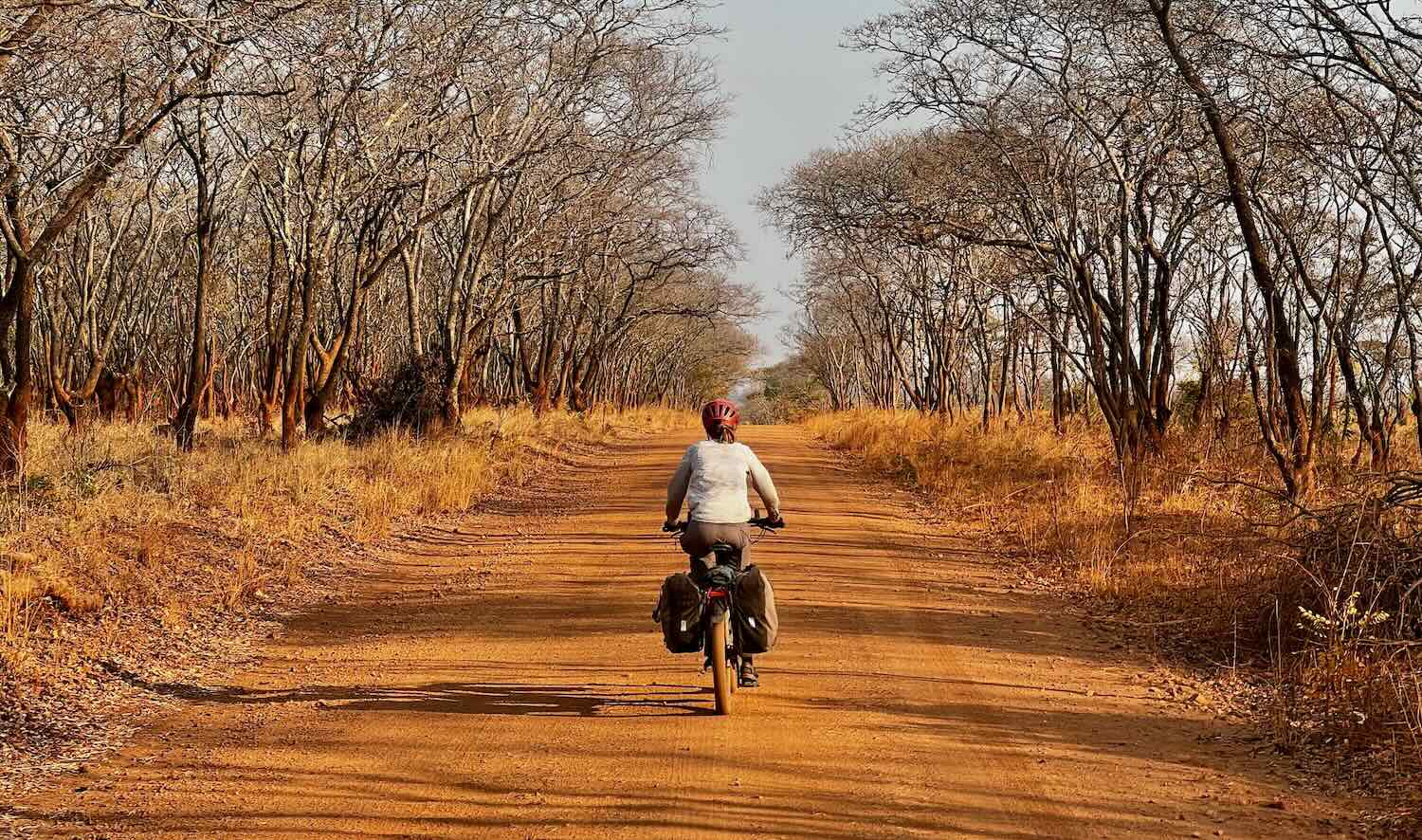
With mild temperatures, easy terrain, and relatively flat roads, you don’t need an especially heavy or technical setup to enjoy cycling in Zambia. Because the country is so flat, carrying a little extra gear is less of a penalty than it would be in mountainous regions.
A practical touring or bikepacking kit with the usual essentials is more than enough. Sun protection, spare water capacity, and reliable camping gear will likely be more useful than ultralight equipment.
One item we’d strongly recommend is a head net if you plan to ride near national parks or wildlife areas. Roads bordering places such as Kafue National Park and Old Petauke Road can have tsetse flies. While the species found in Zambia are generally not associated with the same risk of sleeping sickness as in some West African regions, they are still relentless pests with painful bites that can penetrate thin clothing.
What Bike Is Best For Zambia?
A gravel bike is more than enough for cycling most of Zambia’s roads. Much of the country’s unpaved network consists of firm-packed dirt, and while some roads can be corrugated, they are generally very rideable without suspension.
If you plan to travel during the rainy season, roads can become muddy and slower going, so having generous tyre clearance and wider tyres will make conditions far more manageable. Wider tyres also add comfort on rougher surfaces and washboard sections.
For most riders, a capable gravel or rigid mountain bike will be ideal. If you’re chasing a bigger adventure, such as crossing the Barotse Floodplain, then wide tyres will be a real advantage.
Additional Considerations
- In rural Zambia, we often struggled to find working ATMs, and even when they did function, they frequently ran out of cash. If you’re heading into more remote areas, it’s wise to carry sufficient cash in advance, along with a backup stash of US dollars in case you get stuck in a town where card payments or ATM withdrawals aren’t possible. We could get a pretty good exchange rate on US dollars in the small towns.
- One notable logistical quirk is the narrow strip of the Democratic Republic of the Congo known as the “Pedicle”, which separates Kitwe in the Copperbelt Province from Mansa in the Northern Province. This section is crossable by bicycle, but it comes with additional requirements. A visa costs around US $50, plus potential extra fees, and you must complete the roughly 70 km crossing in a single day during official border opening hours on both sides. While entirely doable, it’s important to plan ahead and be prepared for both the cost and the administrative hassle involved.
















 English (US) ·
  French (CA) ·
  French (FR) ·