

 1 month ago
38
1 month ago
38
PROTECT YOURSELF with Orgo-Life® QUANTUM TECHNOLOGY
Orgo-Life the new way to the future Advertising by AdpathwayALGERIA · SOCIETY
Key Facts
—The order: President Abdelmadjid Tebboune has instructed the justice minister to submit an amendment to the penal code by 15 September introducing capital punishment for anyone convicted of deliberately setting fire to forested areas. He issued the directive on Sunday at a meeting with senior civilian and military officials.
—The toll: Twelve people died and 54 were injured in the wave of wildfires across several eastern provinces. Five deaths were recorded in Jijel, four in Bejaia and three in Tizi Ouzou.
—The scale of the burn: Algeria’s civil protection service counted 154 fires across the country in a single day, 36 of them in Bejaia province alone. Three days of national mourning were declared.
—A moratorium since 1993: The death penalty already exists in Algerian law for several offences, but the country has observed a de facto moratorium on executions since 1993. Reinstating it in practice would be a first-order change.
—What the law says now: Intentionally setting a forest fire currently carries up to 30 years in prison, and life imprisonment in certain circumstances. The proposed amendment would add the ultimate sentence.
—The president’s suspicion: Tebboune said videos showing several fires starting at around one in the morning had raised questions about whether some were deliberate. He asked provincial governors to hand security services all available information.
—The relief package: Tebboune ordered immediate compensation for affected families, with committees to assess damage. He also instructed authorities to restore electricity, gas, water and telecommunications, and told the housing minister to arrange repairs on fixed deadlines.
The Algeria death penalty is to be extended to arson, after President Abdelmadjid Tebboune ordered his justice minister to amend the penal code by 15 September. The directive follows wildfires in the country’s north-east that killed 12 people and injured 54.
One-stop reference
Company Intelligence
Every listed company in Latin America — financials, ownership and structure for 1,450+ companies across 26 exchanges, in one place.
What Tebboune actually ordered
The instruction was issued on Sunday during a high-level meeting on the response to the fires, attended by senior civilian and military officials and reported by state television. The justice minister has until 15 September to submit the amendment.
It would introduce capital punishment for anyone convicted of intentionally setting fire to forested areas. State television said any sentence would only be carried out once all avenues of appeal had been exhausted.
That last clause matters more than it looks. It is the sentence that makes the reform legally survivable and, in practice, slow.
The fires that prompted it
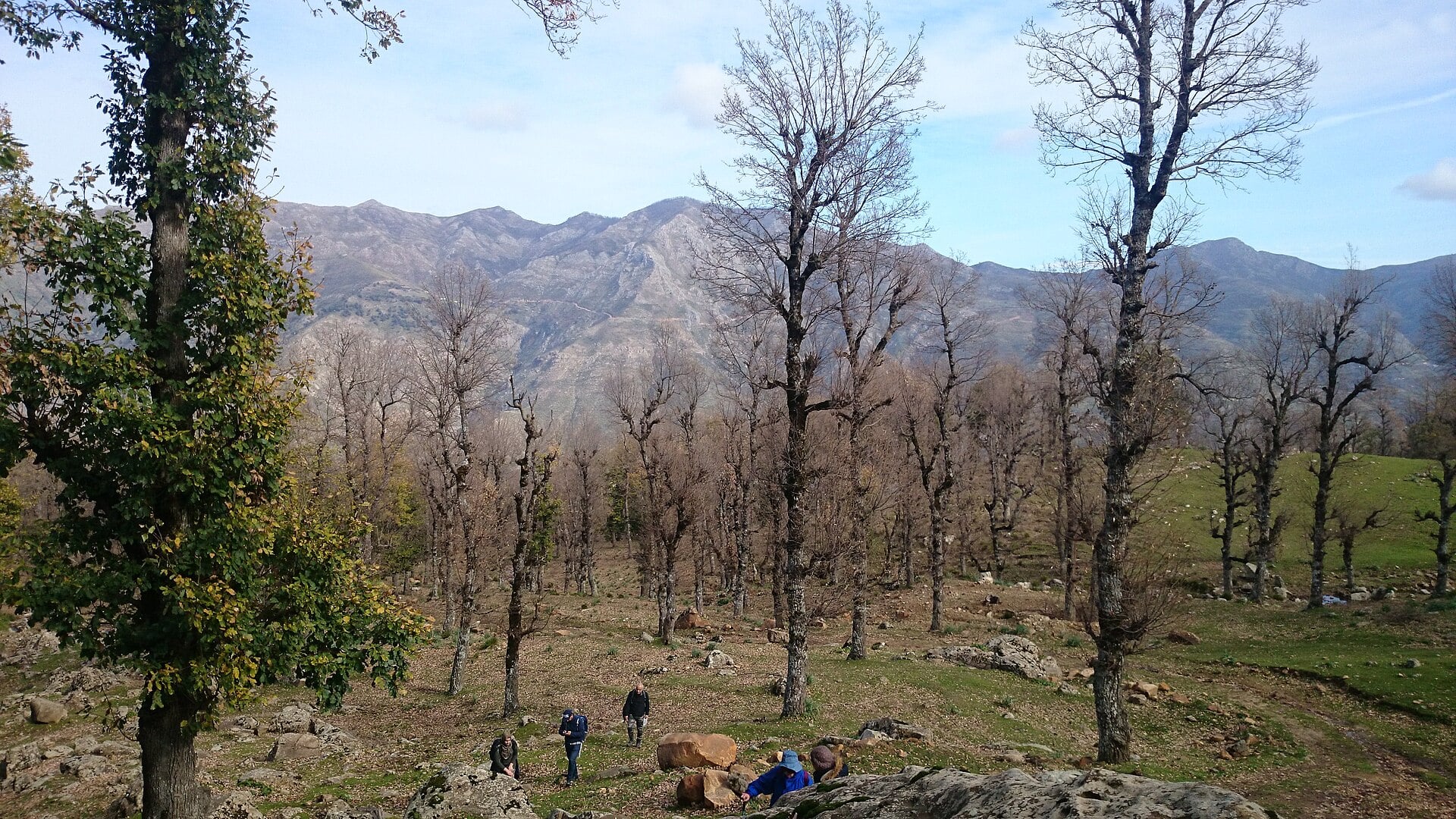
Algeria’s Interior Ministry said 12 people had died in the latest wave of wildfires across several eastern provinces. Fifty-four were injured, several of them critically.
The deaths were concentrated in the mountainous north-east: five in Jijel, four in Bejaia and three in Tizi Ouzou. The government declared three days of national mourning.
The intensity was unusual. Civil protection recorded 154 separate fires nationwide in one day, with 36 in Bejaia province alone, during an exceptional heatwave across North Africa.
Why the government suspects arson
Tebboune said videos showing several fires starting at around one in the morning had raised questions about their origin. He asked provincial governors to give security authorities everything they had.
Officials have pointed to arson as a contributing factor alongside drought and heat. No arrests or charges connected to the current fires had been announced when the directive was issued.
That gap is worth holding onto. The policy is moving faster than the investigation that would justify it.
What the Algeria death penalty change would mean in law
Capital punishment is already available in Algerian law for a range of offences. What has been absent since 1993 is execution: the country has observed a de facto moratorium for more than three decades.
Deliberate fire-raising currently attracts up to 30 years in prison, and life imprisonment in some circumstances. Adding the death penalty would place forest arson among the country’s gravest crimes.
The practical question is whether the moratorium holds. A statute that authorises execution is not the same as a state that carries one out, and Algeria has kept that distinction for a generation.
The recovery orders that came with it
Alongside the penal reform, Tebboune ordered immediate compensation for affected families, with committees to assess destroyed or damaged property. He set a deadline for restoring electricity, gas, water and telecommunications in the affected areas.
The housing minister was told to coordinate with construction companies on repairing damaged homes within fixed deadlines. The president said normal life in the burnt areas should resume within a week.
Those timelines are ambitious for terrain of that kind. They are also, politically, the part of the package residents will measure first.
The wider picture
North Africa is in the middle of a run of hotter, drier summers, and the Algerian fire season has repeatedly turned lethal. The policy instinct in such moments is to find intent behind catastrophe.
For readers outside the country, the significance is less about arson than about precedent. A state that has not executed anyone since 1993 is being asked to legislate as though it might.
Nothing here is legal advice, and the amendment has not yet been drafted, tabled or passed. The date to watch is 15 September, when the justice ministry is due to produce the text.
Frequently Asked Questions
What has Algeria ordered on the death penalty?
President Tebboune instructed the justice minister to submit a penal code amendment by 15 September introducing capital punishment for deliberately setting forest fires. State television said sentences would only be carried out after all appeals were exhausted.
How many people died in the Algerian wildfires?
Twelve people died and 54 were injured across several eastern provinces. Five deaths were in Jijel, four in Bejaia and three in Tizi Ouzou.
Does Algeria currently carry out executions?
No. The death penalty exists in Algerian law for several offences, but the country has observed a de facto moratorium on executions since 1993.
What is the penalty for forest arson in Algeria today?
Intentionally setting a forest fire currently carries up to 30 years in prison, and life imprisonment in certain circumstances. The proposed amendment would add capital punishment.
What relief did the government announce?
Tebboune ordered immediate compensation for affected families, damage assessment committees, and the restoration of electricity, gas, water and telecommunications. The housing minister was told to arrange home repairs on fixed deadlines.
This article was produced by The Rio Times’ automated newsroom system. How we use AI · Report an error
The Rio Times · Power Map
See who really holds power in Latin America
Click to open the Power Map →









 English (US) ·
  French (CA) ·
  French (FR) ·