

 2 months ago
61
2 months ago
61
PROTECT YOURSELF with Orgo-Life® QUANTUM TECHNOLOGY
Orgo-Life the new way to the future Advertising by AdpathwayAFRICA · HERITAGE
Key Facts
—The session: UNESCO’s World Heritage Committee meets in Busan, South Korea, from 20 to 29 July 2026.
—On the table: The committee will weigh about 30 new sites for the World Heritage list.
—Comoros debut: Comoros has filed its first-ever bid, for the Medinas of the Historic Sultanates of the Comoros.
—São Tomé’s roças: São Tomé and Príncipe is nominating its roças, the colonial plantation estates tied to forced migration.
—Catching up: Africa holds about 112 listed sites, still a small share of the global total.
—Momentum: In 2025 four African sites were added, and more countries are filing first bids by 2027.
Africa is pushing to claim more of the world’s most coveted heritage label. As UNESCO prepares to weigh about 30 new World Heritage sites in 2026, two island nations — Comoros and São Tomé and Príncipe — are seeking landmark listings, part of a drive to fix the continent’s long under-representation on the list.
Why African World Heritage status matters
The World Heritage list is the closest thing the world has to a global roll of honour for culture and nature. A listing brings prestige, protection and, often, a lift in tourism.
Africa has long been thin on that list, holding about 112 of more than 1,200 sites. The continent that gave humanity its oldest stories is under-represented among the places the world agrees to treasure.
Recognition also shapes how a place sees itself. A listing can turn a neglected ruin into a source of pride and a reason to invest in its upkeep.
The Busan session
UNESCO’s World Heritage Committee will meet in Busan, South Korea, from 20 to 29 July 2026. It is set to consider roughly 30 new nominations, with decisions on inscriptions expected in the final week.
Among the dossiers are two firsts that would put small African nations on the map in a new way. Both tell stories that reach well beyond their shores.
Comoros makes its first bid
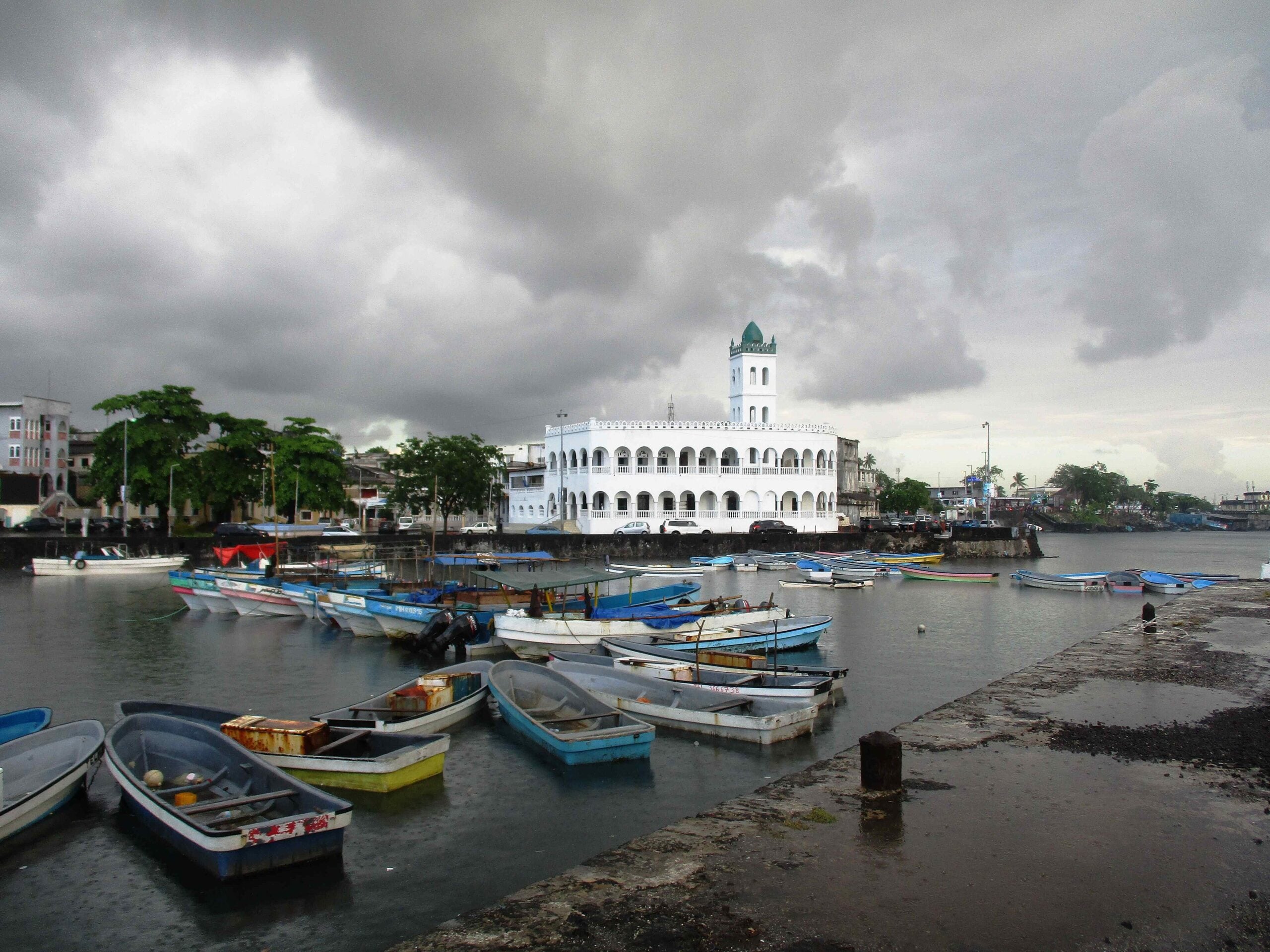
The Comoros, an Indian Ocean archipelago, has submitted the first World Heritage nomination in the country’s history. It is for the Medinas of the Historic Sultanates of the Comoros, the old walled towns of a once-powerful trading society.
These medinas, with their mosques and coral-stone houses, are a record of centuries of exchange across the western Indian Ocean. A listing would be a debut on the world stage for a nation often overlooked.
São Tomé’s difficult heritage
São Tomé and Príncipe, two volcanic islands off Central Africa, is nominating its roças. These are the sprawling plantation estates that once produced cocoa and coffee under colonial rule.
The nomination is framed honestly, as a record of a colonial agricultural system built on forced migration and coerced labour. It is heritage that asks hard questions rather than offering easy pride.
Listing sites tied to forced labour reflects a wider shift in how heritage is understood. Difficult histories, not only grand monuments, are increasingly seen as worth preserving and explaining.
A continent catching up
These bids are part of a wider push. In 2025, UNESCO added 26 sites worldwide, four of them in Africa, and welcomed first-ever nominations from Guinea-Bissau and Sierra Leone.
Seven more African countries are expected to file first bids by 2027. The momentum reflects years of effort to help under-resourced nations prepare the costly, technical dossiers the process demands.
UNESCO has run programmes specifically to help African states build the skills to nominate and manage sites. The recent run of first-time bids suggests that long investment is starting to pay off.
Why Africa fell behind
The gap on the list is not about a shortage of remarkable places. It reflects decades in which African nations lacked the money and technical staff to prepare nominations that meet UNESCO’s exacting standards.
A dossier can take years and specialist expertise to assemble, from maps and management plans to legal protections. Wealthier countries have long had an advantage in clearing those hurdles.
What a listing brings
Inscription is more than a plaque. It can unlock conservation grants, technical support and a marketing label that tour operators recognise worldwide.
For an island economy, that recognition can be transformative, drawing visitors to sites that might otherwise stay unknown. It also raises the cost of neglect, since a listed site carries obligations to protect it.
Heritage as strategy
For these states, recognition is not only about pride. A World Heritage label can anchor a tourism brand, draw conservation funding and strengthen a small country’s voice in global forums.
It is soft power with a balance sheet, much like the music, film and fashion now carrying African names around the world.
What to watch in July
The committee’s decisions will come in the final days of the Busan session. Not every nomination succeeds on the first attempt, and some are referred back for more work.
Win or wait, the direction is clear. Africa is done being a footnote on the world’s list of treasured places, and it is filing the paperwork to prove it.
Frequently asked questions
When and where is the 2026 World Heritage session?
UNESCO’s World Heritage Committee meets in Busan, South Korea, from 20 to 29 July 2026. It will consider about 30 new sites for the list.
What is Comoros nominating?
Comoros has filed its first-ever World Heritage bid, for the Medinas of the Historic Sultanates of the Comoros. These are the old walled towns of a former Indian Ocean trading power.
What are São Tomé’s roças?
They are colonial plantation estates that produced cocoa and coffee under forced labour. São Tomé and Príncipe is nominating them as heritage tied to a colonial system and forced migration.
How many World Heritage sites does Africa have?
About 112, a small share of more than 1,200 worldwide. Four African sites were added in 2025, and more countries are filing first bids by 2027.
The Rio Times · Power Map
See who really holds power in Latin America
Click to open the Power Map →







 English (US) ·
  French (CA) ·
  French (FR) ·