

 3 hours ago
6
PROTECT YOURSELF with Orgo-Life® QUANTUM TECHNOLOGY
Orgo-Life the new way to the future Advertising by AdpathwayThe United Nations food agency has approved a four-year, US$2.62 billion plan to feed and support millions of hungry people in DR Congo, a country where conflict in the east keeps pushing families from their homes. The vote came on Wednesday 18 November 2026 in Rome, and Congo’s prime minister used it to ask for more of the money to go to helping communities recover.
The World Food Programme (WFP, called PAM in French) is the UN’s main emergency food agency, and its 36-member Executive Board approved the plan unanimously. For US readers, the decision sets how the UN food agency will work from 2027 in one of the world’s largest hunger crises, in a country that is also facing an Ebola outbreak.
Key Facts
Free daily brief — no card needed
Get every Africa story in one morning email
We build you a personalized brief around the topics you follow — free for 7 days. Love it? Your first month after that is US$1.
Yes, email me my free daily brief — I can unsubscribe any time.
- Decision. WFP’s Executive Board adopted its DR Congo plan for 2027–2030 unanimously in Rome on 18 November.
- Cost. The plan costs US$2.62 billion over four years, about US$655 million a year on average.
- Hunger. Over 26.5 million Congolese faced acute hunger in early 2026, on a UN-backed hunger scale called IPC.
- Government ask. Congo’s prime minister, Judith Suminwa, says 75.3% of resources go to emergency aid, 3.8% to safety nets.
- Next. The plan is due to run from 1 January 2027 to 31 December 2030.
The plan sets how the UN food agency will spend its money in DR Congo until the end of 2030. Congo’s government backs it but wants more of the budget to go to recovery rather than emergency aid.
What the Board Approved
The Country Strategic Plan, as WFP calls it, is the agency’s four-year blueprint for one country. WFP’s draft decision before the Board, document WFP/EB.2/2026/7-A/3, put the total cost at US$2,618,502,218 for 1 January 2027 to 31 December 2030.
Prime Minister Judith Suminwa and Ève Bazaiba, Congo’s Minister of State for Social Affairs, Humanitarian Action and National Solidarity, were in Rome for the session. Board members voiced concern about the worsening humanitarian situation, especially mass displacement caused by armed conflict.
The plan lists four priorities: food aid for vulnerable people, fighting malnutrition, stronger social protection and more resilient communities and food systems. It is tied to Congo’s National Strategic Development Plan, the government’s own long-term blueprint.
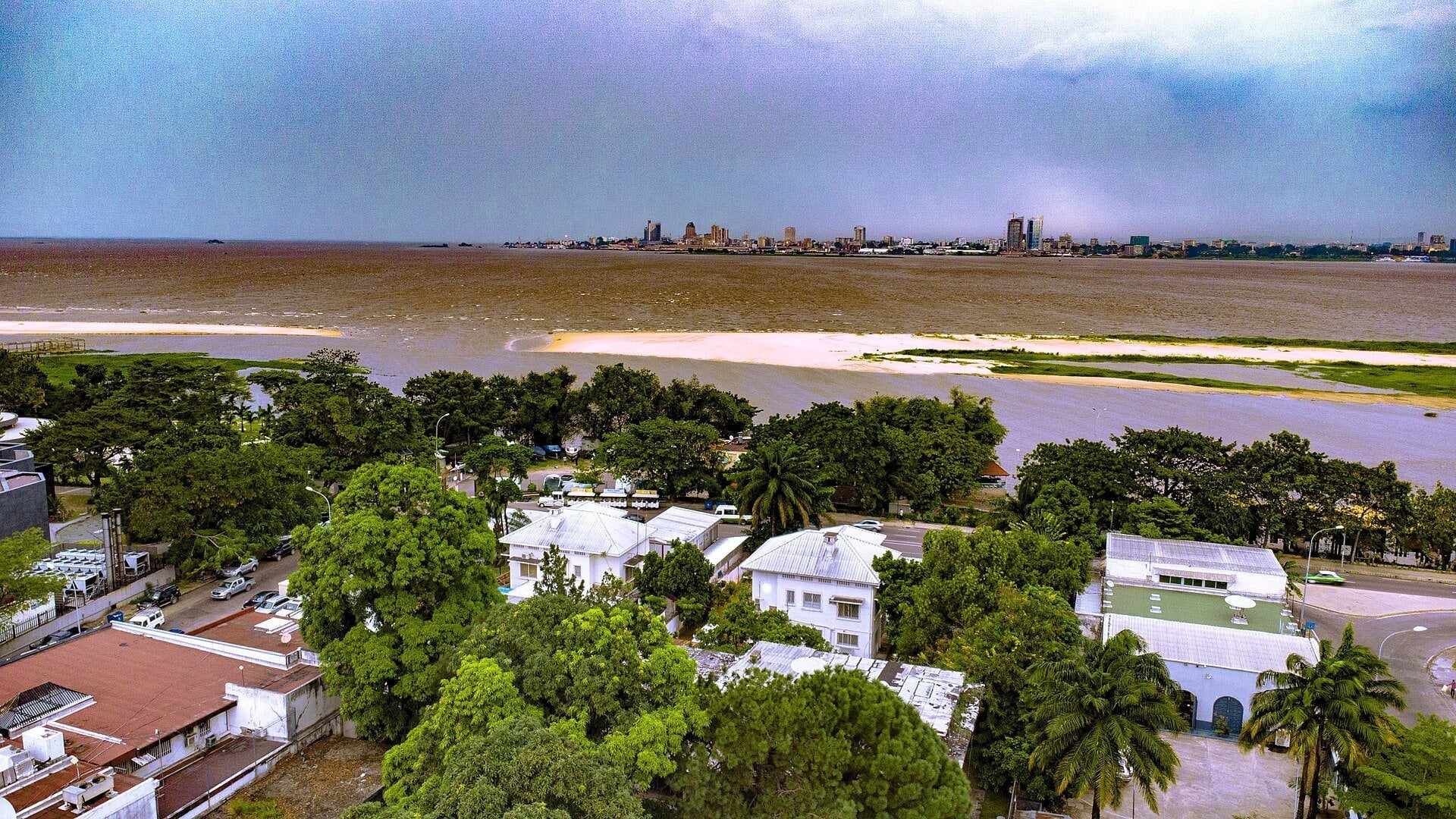
Follow this story
Get an email when there’s news on World Food Programme (DR Congo)
The Big Picture: A Seat at the Table After 15 Years
DR Congo returned to WFP’s Executive Board in January 2026 after about 15 years away. The new plan follows the current 2021–2026 plan.
The need is large. The IPC (Integrated Food Security Phase Classification), a UN-backed hunger scale, said in a May 2026 update that over 26.5 million Congolese, nearly one in four, faced acute hunger between January and June 2026, about 3.6 million of them in emergency conditions.
WFP and the UN Food and Agriculture Organization (FAO) said in a joint release that conflict is hitting the provinces of North Kivu, South Kivu, Ituri and Tanganyika hardest, and that about 7.8 million Congolese are displaced inside the country. Fighting, displacement and disease outbreaks, including the Ebola outbreak we cover in our latest report on the response, add to the emergency caseload.
Why Kinshasa Wants a Different Mix
In her speech to the Board, Suminwa said 75.3% of resources go to emergency humanitarian response, against only 3.8% for support to social safety nets that help communities recover. She asked for a rebalancing under the “humanitarian-peace-development nexus”, the idea that aid, peacebuilding and development should work together, and stressed that this does not weaken life-saving help.
“Our ambition is clear: to save lives, reduce hunger and turn today’s crises into prospects for peace, autonomy and development for future generations,” she said, in the French original. On the sidelines she met financial partners over breakfast and asked them to make commitments that match Congolese needs.
What It Means for You
A plan is a budget of needs, not money in hand: WFP is funded by voluntary contributions from governments and other donors, so the US$2.62 billion depends on what donors pledge. If pledges fall short, the number of people the plan can reach shrinks accordingly.
For US readers, DR Congo matters beyond aid: it sits at the centre of a regional conflict and is facing an Ebola outbreak. Our guides to Congo’s politics and to its role in Africa explain who holds power.
What Is Not Known
The sources do not say how many people the plan aims to reach each year, or how the budget splits by province and activity beyond the two shares Suminwa cited. It is also unclear whether the Board will change the 75.3% to 3.8% balance she questioned.
The sources also do not name any donor pledge for the 2027–2030 plan. Suminwa’s call for financial commitments shows that funding is still open.
Frequently Asked Questions
What did the WFP board approve for DR Congo?
Its Executive Board adopted a Country Strategic Plan for 2027–2030, costing US$2.62 billion, on 18 November 2026 in Rome. The vote was unanimous among the 36 members.
Does US$2.62 billion mean WFP has the money?
No. It is the plan’s cost, and WFP depends on voluntary donor contributions, so actual spending follows what donors pledge.
What is Congo’s government asking to change?
Prime Minister Suminwa wants a better balance: 75.3% of resources go to emergency aid and 3.8% to social safety nets. She asked for more recovery support without cutting life-saving help.
How many Congolese are hungry?
The IPC found over 26.5 million people faced acute food insecurity between January and June 2026. About 3.6 million are in emergency conditions.
Sources: WFP Executive Board second regular session 2026, draft decision WFP/EB.2/2026/7-A/3 (executiveboard.wfp.org); WFP and FAO joint release on the IPC analysis update, May 2026 (wfp.org); statements by Prime Minister Judith Suminwa in Rome, 18 November 2026.
This article was produced by The Rio Times’ automated AI newsroom. Editorial responsibility: Matthias Camenzind, Publisher and Editor-in-Chief. The Rio Times also runs Ask Rio Times, which answers from 100,000+ of our own articles, the daily Latin America Power Map, and prediction-market odds on elections and markets.. How we use AI · Report an error









 English (US) ·
 French (CA) ·
 French (FR) ·