

 1 month ago
118
1 month ago
118
PROTECT YOURSELF with Orgo-Life® QUANTUM TECHNOLOGY
Orgo-Life the new way to the future Advertising by Adpathway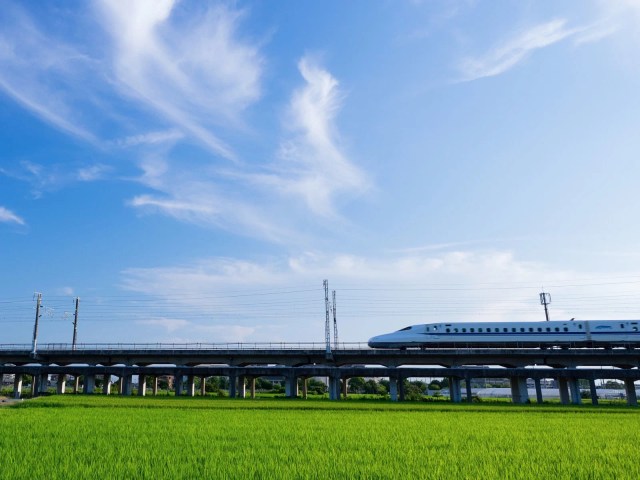
For about 2,000 yen more than a regular reserved seat, you can spend the night on board the bullet train instead of paying for a hotel.
Overnight buses and sleeper trains can be a popular way to save money while travelling in Japan, because instead of paying for a night’s accommodation, you can sleep inside the vehicle you’re travelling on, and get an early start to sightseeing the next day.
Not all trains are designed for an overnight experience, though, which is the position that Japan’s Shinkansen have traditionally found themselves in. Due to noise restrictions and essential trackwork that takes place outside of operational hours, Japanese bullet trains haven’t been able to operate in the same way as overnight sleeper trains, which carry passengers between destinations all through the wee hours of the night and early morning.
▼ Plus, with a Tokyo-to-Shin-Osaka Shinkansen journey taking around two and a half to four hours, there’s hardly time for an overnight snooze.
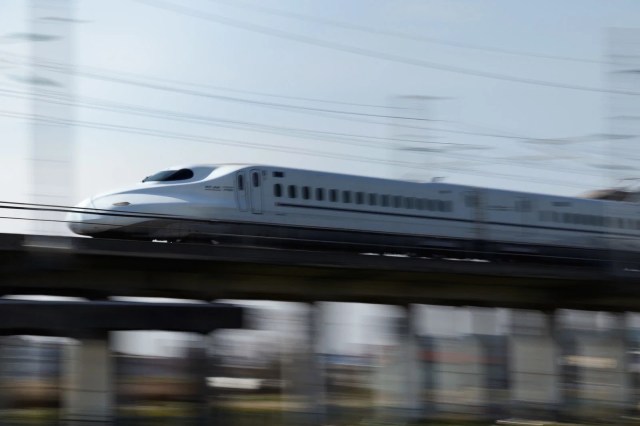
However, this summer, Shinkansen operators have been experimenting with new ways to give their passengers the same sort of overnight experience, but in a way that works within the limitations of their system. On the popular Tokaido route between Tokyo and Shin-Osaka, this creative thinking has given birth to a new service called the “Tokaido Lumière Express”.
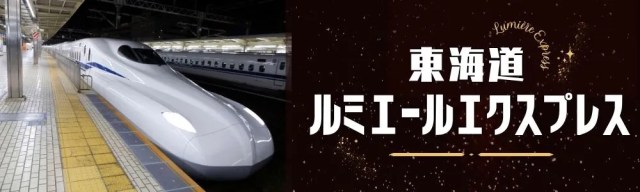
After a successful debut run earlier this month, taking passengers from Tokyo to Shin-Osaka, with a six-hour stop at Gifu-Hashima Station in between, Central Japan Railway (JR Central) has announced that it will be offering the service for a second time, this time going in the other direction, from Shin-Osaka to Tokyo.
The special service will depart Shin-Osaka at 10:03 p.m. on 22 September and arrive at Tokyo Station at 6:54 a.m. the following morning, with passengers also able to board at Kyoto and Nagoya. Those travelling towards Tokyo can disembark at Shin-Yokohama, Shinagawa or Tokyo.
▼ The stops, in large circles from left to right, read: Shin-Osaka, Kyoto, Nagoya, Shin-Yokohama, Shinagawa, Tokyo.
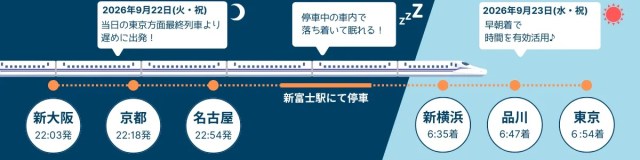
As with the first service, the idea is to combine travel and accommodation, allowing passengers to save on hotel costs while giving them more time to spend at their destination. One major difference with this service, though, is the overnight stop, as the train will pull in for a six-hour stop at Shin-Fuji Station, from around midnight until 6 a.m.
▼ Shin-Fuji Station is roughly halfway along the route between Shin-Osaka and Tokyo.
Passengers will be able to leave the train and step onto the platform for around 30 minutes after the train arrives and again before it departs, giving them the unique experience of wandering around a Shinkansen platform in the middle of the night. They must remain inside the ticket gates during this time, though, with only the station’s vending machines and smoking areas available.
There won’t be any shops or onboard sales during the stop, so passengers are advised to buy drinks and snacks before boarding. The train is also completely non-smoking, including the decks and toilets.
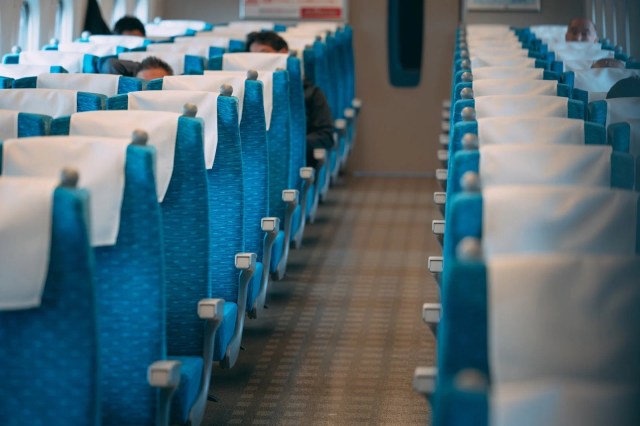
The long stop isn’t exactly designed for a peaceful night’s sleep, as JR Central says maintenance work may be carried out on the tracks and equipment at Shin-Fuji Station while the train is stationary, so passengers may be able to hear noise and feel vibrations inside the carriage. The interior lights will also remain on throughout the journey for security reasons.
While bedding won’t be provided, passengers will receive an eye mask, slippers and shoe-drying deodorising sachets to make the unusual overnight stay a little more comfortable.
▼ Passengers provide their own food, drinks and entertainment.

Seats can be reserved in both standard and Green Cars, with passengers in standard class able to choose their preferred seat from a seat map. Standard-class passengers can select an A, C or E seat, while Green Car passengers can choose A or D.
Prices depend on the departure station – from Shin-Osaka, standard-class seats cost 17,000 yen (US$107) each, while Green Car seats are 23,000 yen. From Kyoto, prices are 16,000 yen for standard class and 21,500 yen for Green Car, while passengers boarding at Nagoya pay 13,500 yen or 19,000 yen for standard and Green Car seats respectively.
Sold as one-night, two-day “tours”, the Shin-Osaka to Tokyo, Kyoto to Tokyo and Nagoya to Tokyo options went on sale through JR Central Tours on 20 August. Tickets are currently still available, and can be purchased here.
Source: JR Tokai Tours
Featured image: Pakutaso
Insert images: Pakutaso (1, 2, 3), JR Tokai Tours
● Want to hear about SoraNews24’s latest articles as soon as they’re published? Follow us on Facebook and Twitter!


















 English (US) ·
  French (CA) ·
  French (FR) ·