

 4 weeks ago
8
4 weeks ago
8
PROTECT YOUR DNA WITH QUANTUM TECHNOLOGY
Orgo-Life the new way to the future Advertising by Adpathway
What’s the right number of bikes to own? Can you really have too many? In his latest piece, Lucas takes a candid look at some of the practical and philosophical problems with always wanting another one. Read his reflection on why less might ultimately be more and add your voice to the conversation here…
Additional photos by Evan Christenson, Logan Watts, Miles Arbour, Neil Beltchenko, and Josh Hicks
Long a popular expression in the cycling world, “N+1” is a tongue-in-cheek way of expressing that the perfect number of bikes (N) is one more than you currently have. Following N+1, there’s always an excuse to buy another bike, and constantly scheming the next build means you’re doing things right. Playful as the term may be, its underlying sentiment has a firm grip on many of us, well beyond the cycling world. Owning a bunch of bikes is almost a rite of passage for being a “real” bike geek. Bonus points for color-matched everything and boutique bits throughout.
Marketing, social media, and occasionally sites like ours have helped normalize the idea that we need a different bike for every kind of ride. One for pavement, another for gravel, one for singletrack, another still for a mix of it all. The list goes on. Having fallen down the bike-brained rabbit hole these past decades, I’m as guilty as anyone. My fleet has ballooned from one or two well-loved, do-it-all rigs to as many as 15 bikes that don’t get ridden nearly enough, always including a few with near-duplicate roles. I’ll admit to rationalizing owning bikes that are nearly identical except for handlebar width or chainring size. It’s an amazingly privileged problem to have, but one worth pausing to explore nonetheless.

At the onset of this piece, I want to be clear that there’s nothing inherently wrong with owning a pile of bikes. A person can do far worse. If you find yourself happily caring for and riding a constellation of bikes, good on you! But as someone who’s grappled with my own consumerist tendencies and gone through cycles of chasing the next “perfect” bike, I’d like to share some lessons I’ve learned and perspective I’ve gained, particularly for readers who are earlier in their cycling or bikepacking journeys. In short: more isn’t always more—a point I’ll attempt to illustrate in the sections that follow.
NEVER-ENDING MAINTENANCE
One of the most practical drawbacks of owning many bikes is the sheer amount of time and effort required to keep them running well. More bikes mean more maintenance, which can quickly become overwhelming. One needs fresh sealant after sitting around too long, another requires a brake bleed, and yet another isn’t shifting quite right or could use new bar tape. There’s always some amount of tinkering to be done. It’s a fun problem until it’s not.
In my experience, amid a busy work schedule and other commitments, I can only ever keep up with a few bikes at a time. Those needing work, however minor, often end up neglected. They get rotated off the wall rack and sometimes fall into disrepair for entire seasons, which can lead to feelings of guilt. Half-working bikes become yet another stressful checkbox on an endless to-do list. This was never the case when I had just a couple of bikes that covered all the bases.
Of course, the time involved is only part of the full maintenance story. There’s the money, too. Caring for bikes is expensive, especially if you aren’t doing the labor yourself. I’ll dive into costs in greater detail below.
I NEED MY SPACE
At least relative to stamps, vinyl records, or other things one might collect, bikes are large objects that take up significant space. I’d literally trip over mine throughout the years I lived in apartments, and they led to a handful of arguments with roommates and significant others. It’s worth thinking about where that N+1 bike will fit and whether you have the physical space to accommodate it.

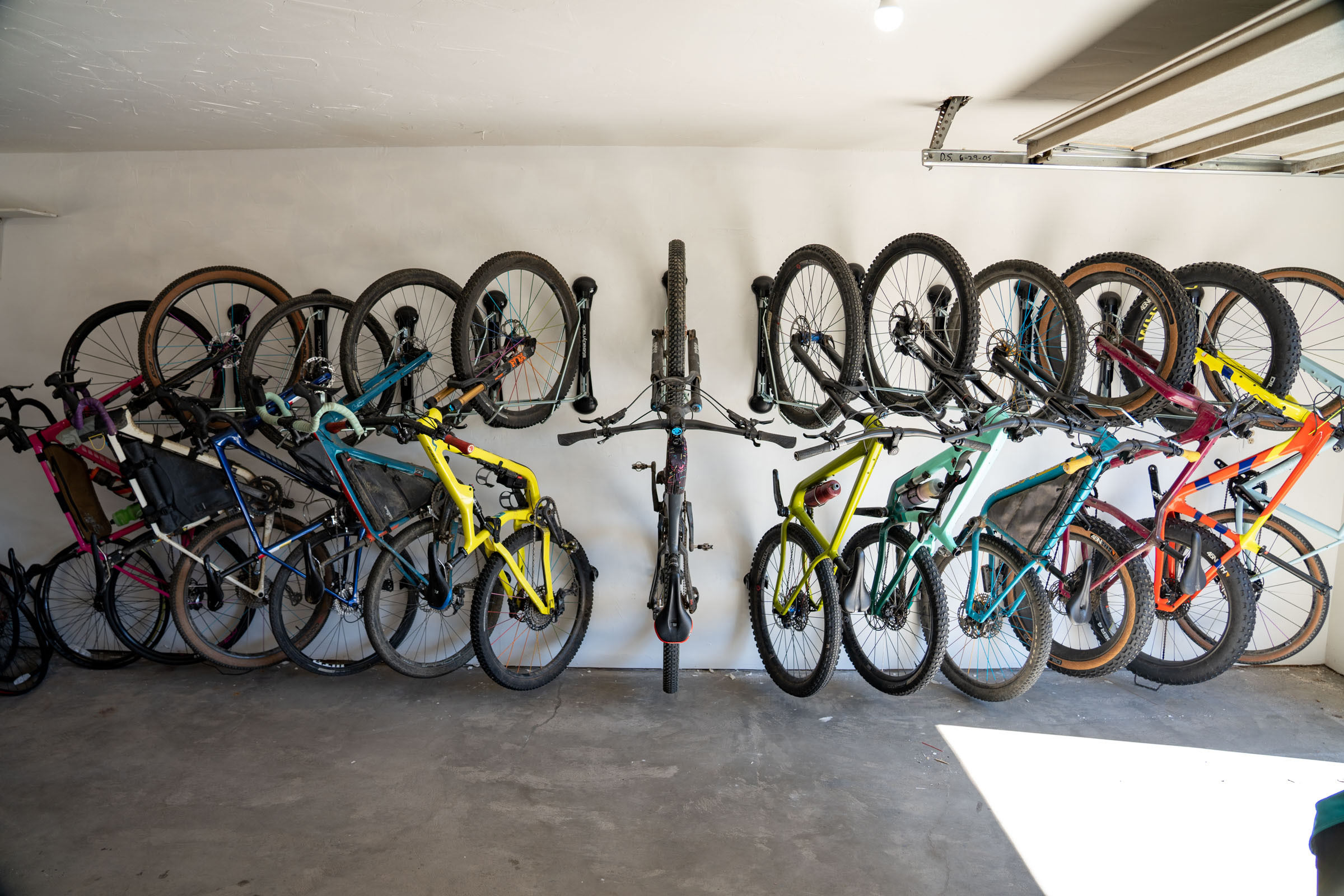
Now that I have my first garage and full basement, my bikes have sneakily multiplied to fill up all the extra space. I have five Steadyracks mounted on the garage wall, and they work great, but they weren’t cheap, and even with their space-saving design, having five bikes on the wall makes it totally impractical to get a second car into our garage. I’m happy for my 25-year-old beater vehicle to be parked outside, but dedicating all that real estate to bikes is still a sacrifice, and it might not work for you.
In more extreme cases, accommodating your bikes might even affect where you can live. With one bike, just about anywhere can work. But you risk paying more—or at least adding an extra layer of difficulty to your search—if your must-haves include a garage, a shed, an elevator, a street-level unit, or other bike-related considerations. It almost sounds ridiculous, and yet I can think of many real-world occurrences in my circle of friends alone.
JUST RIDE
Shifting away from the purely pragmatic, I want to cover some broader implications of the N+1 mindset and constantly obsessing over the next bike. Plainly put, as enjoyable as it can be to peruse online photos of drool-worthy bikes and to meticulously make spreadsheets for future builds, browsing and planning are nowhere near as good for our minds and bodies as riding is. I’ve spent countless hours dreaming up various projects, and looking back, much of that time would have been better spent actually out pedaling any old bike.
Years back, when I was far more into photography as a hobby, I’d regularly come across folks on camera forums discussing the affliction of Gear Acquisition Syndrome (GAS). It describes the endless pursuit of the next camera body or lens, particularly in hopes of getting you back to shooting or taking your photo game to the next level. In reality, it’s rarely another bit of kit that serves as the spark of inspiration or the missing puzzle piece for you to master your craft.
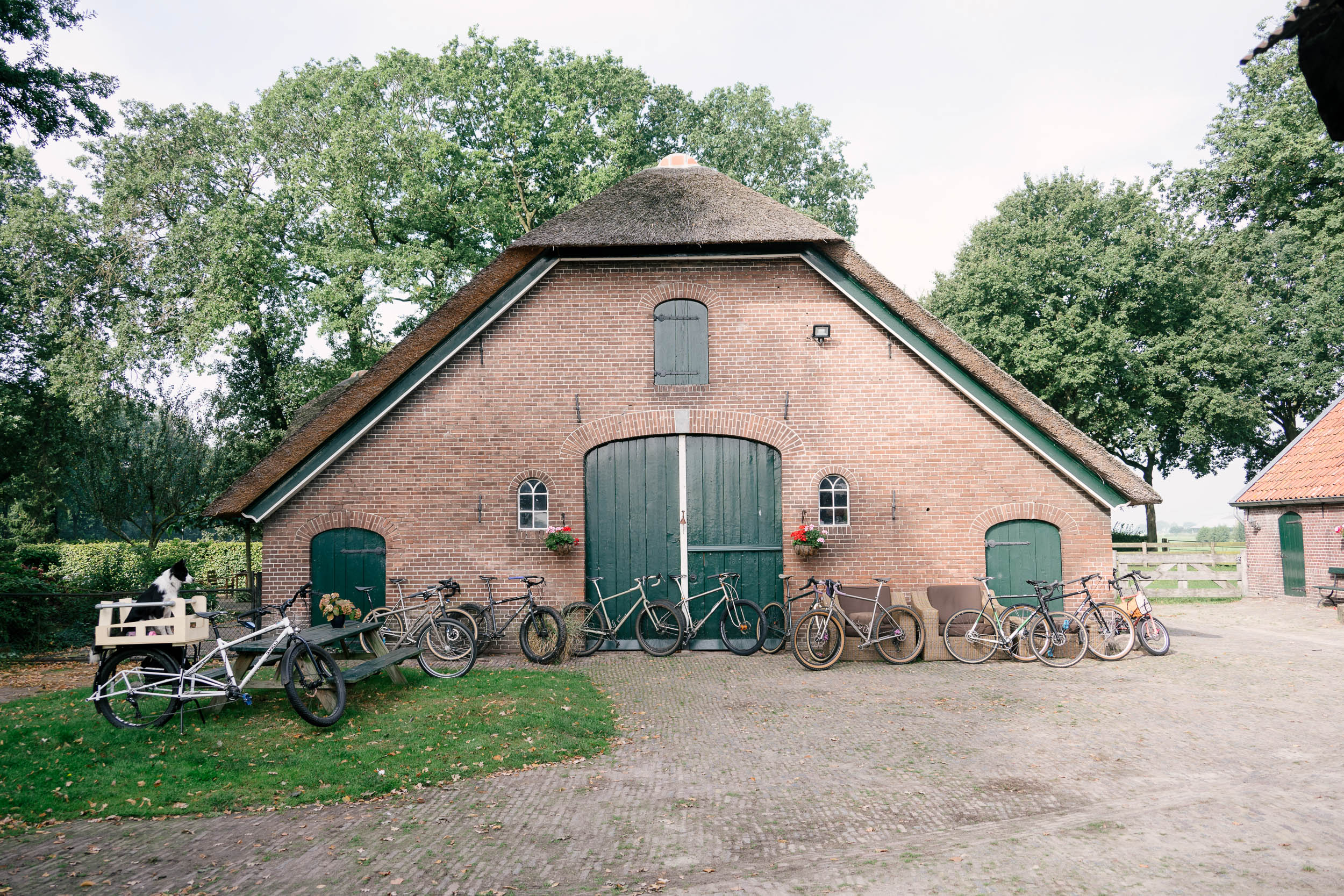
The parallels to what we can call Bike Acquisition Syndrome (BAS) are clear. As enticing as the idea of an N+1 purchase might sound, if you’ve been lacking motivation to ride, it’s probably not a new bike that’s going to get you out again. Likewise, the feeling of being more confident riding technical trails isn’t something you can buy. Sure, a more modern or upgraded model might enhance the experience, but thinking you can N+1 or BAS your way into passion or prowess is a trap. In the same way that the best camera is the one you have with you, whatever bike you already have will likely get you through the rest of the season and beyond. That extra time can help distinguish needs from wants and provide a little buffer for changing interests. Perhaps all you need is fresh tires, better lights, or a comfier saddle.
When you take the plunge and add another bike or two to your stable, you might eventually find yourself facing what psychologist Barry Schwartz refers to as the paradox of choice. In the context of owning a bundle of bikes, that could mean wasting time deciding which one to ride and where—rather than just hopping on your do-everything rig and pedaling away—only to wish you’d taken the bike rolling on 50mm tires instead of the one with 42s. Having a specific bike for every riding niche can lead to an overabundance of options and a feeling of never quite having the right bike for a given ride. Some choice is good, to be sure, but it’s telling that I look back fondly on the days when my only bike was a rigid, single-speed Surly Karate Monkey that I rode absolutely everywhere, even if it meant sometimes being dropped on group rides or getting rattled on rugged trails.
DIMINISHING RETURNS AND MARGINAL GAINS
We can apply the law of diminishing returns throughout the world of bikes and components. New bikes and parts can increase satisfaction (and performance), but only to a certain extent. Once your bases are covered, they’re covered. Beyond that, you enter into the land of frivolity—well-trodden terrain for many of us around these parts. The numbers are loose, but I’d venture to say that having three bikes is three times better than having just one, but owning ten bikes isn’t anywhere near twice as good as owning five. Put another way, the pervasive thinking that there’s always a gap to be filled is misguided. Next year’s model can only bring you so much contentment over the year-old model you already own, and 12 speeds probably won’t meaningfully change your life relative to 11.
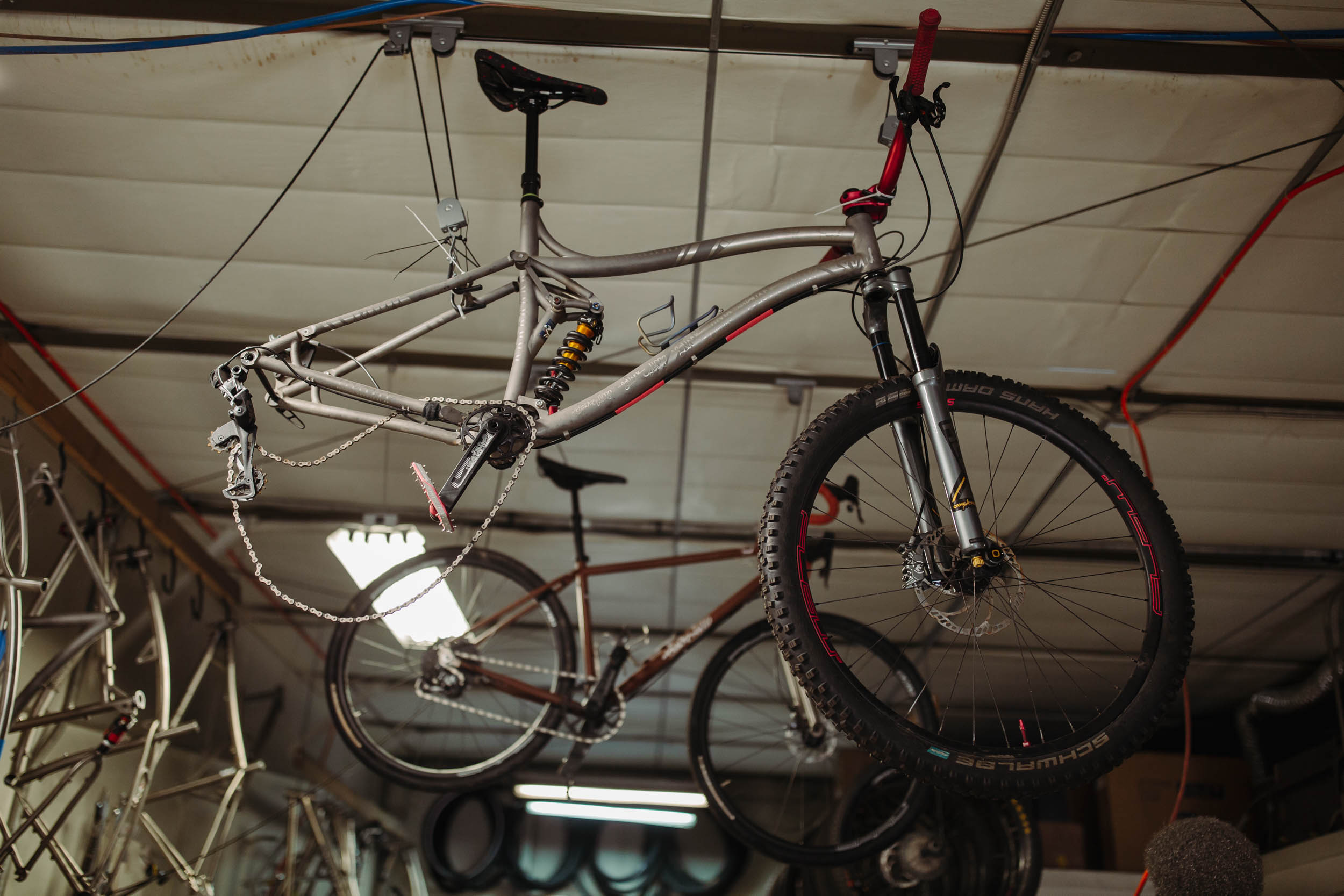
Getting to ride and review a rotating mix of interesting new bikes is undoubtedly a favorite part of our work here at BIKEPACKING.com. Still, as a look behind the curtain, anyone who’s been reviewing bikes long enough will privately admit that the two best days with a review bike are the day it arrives and the day you send it back. For all the reasons outlined above and below, we simply can’t afford to keep every bike that comes across our proverbial desks. The latest and greatest bikes are a blast to ride, and we take publishing in-depth, honest reviews very seriously, but when all is said and done, even when I loved the review bike, I’m typically thrilled to come back to a well-worn personal bike that feels like an old friend.
The first bike I ever got really serious about riding was a too-small Schwinn Criscross hybrid I bought for $75 in junior high. I pedaled the hell out of that thing for years, and I loved it. I couldn’t have told you the brand name of a single part back then—Shimano something or other, maybe—but it didn’t matter. I didn’t know about colorfully anodized, US-made headsets or fancy German dynamo hubs at that time. Now, just about all of my bikes have them, and they don’t bring me anywhere near the same amount of happiness that those early all-day rides on my old Schwinn did.

Don’t get me wrong; I’m grateful to own such exceptionally nice bikes and bits today. It’s been a fun journey figuring out what works and exploring different disciplines. However, I know from experience that forever bike and dream build are moving targets that tend to inch ever farther away the deeper you go down the bespoke rabbit hole. With an N+1 approach, you’re never truly “done.” The constant comparison and overthinking of ride quality, weight, Instagram-worthy aesthetics, and perfect gear ratios can rob you of joy. At some point, enough must be enough, or you’ll be caught in a constant loop of analyzing, wanting, and buying, rather than reaping the many well-documented rewards of getting out and logging time in the saddle.
COST
Before getting too carried away, let’s return to the more grounded, practical aspect of ownership costs, of which there are many. Things beget things, and buying another bike often means purchasing a new saddle, pedals, bottle cages, bell, and so forth. Multiply the costs of all these accessories by the number of bikes in your stable, and the total investment might surprise you. Of course, you can always transfer some things between bikes before each ride, but that’s quite a tedious exercise.
I’m not in a position to give financial advice, but it’s vital to consider the rational question of whether you can truly afford the purchase price of your N+1 bike, let alone all the ancillary costs you’ll inevitably incur down the road. Rather than flat-out dissuading you from adding another bike to your quiver, I merely want to point out the potential financial stress that can accompany it and to offer a gentle reminder that not everyone you see online with a flawless build has their priorities in order. If you’ve given it thought, saved, and have identified a need for another bike, I’ll be cheering you on. Support your local mechanic and buy from the independent brands you believe in, but please do so responsibly!
I’m even less qualified to offer relationship advice, but I can attest that hiding purchases from your partner doesn’t feel good and can have an emotional cost. If buying another bike is difficult to justify from their perspective for any reason, it’s worth considering and discussing. Sometimes, people outside our little bubble know best, even if they don’t get the appeal of small batch, limited edition bikes or exotic frame materials. I’ve heard of many bike lovers being asked to follow a one-in, one-out rule, which seems like a reasonable compromise.
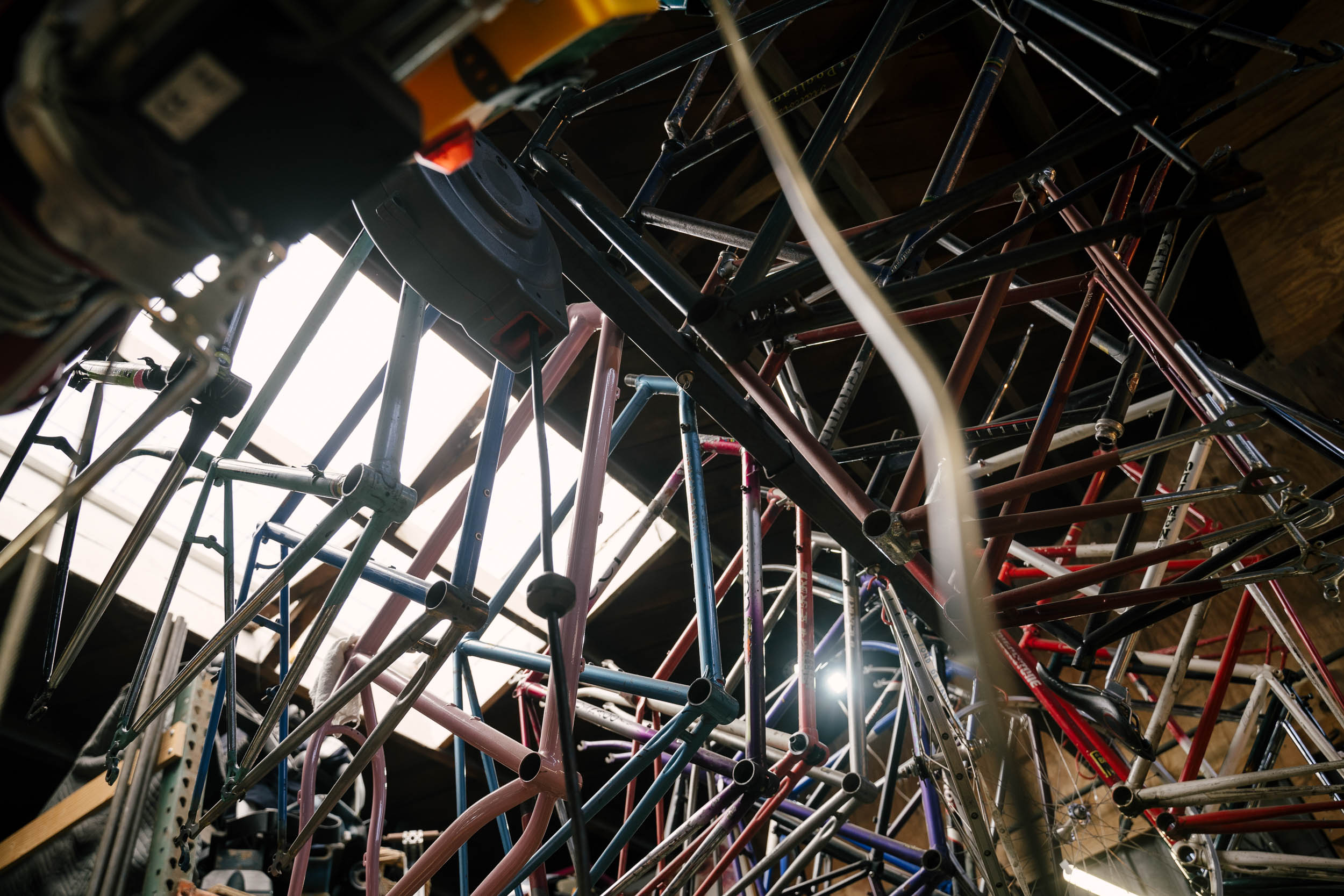
Lastly, any section on costs wouldn’t be complete without a mention that we’re not doing our planet any favors by continuously buying and upgrading bikes. As transportation, bicycles are far superior to cars from an environmental standpoint, no doubt, but they’re still a resource-intensive thing to produce and ship around the world. The best thing we can make or buy is nothing at all, but short of that, a small handful of well-made, hardwearing bikes with easily sourceable replacement parts seems like a decent enough alternative.
OTHER AVENUES TO EXPLORE
Despite everything I’ve written up to this point, there’s no denying that planning and buying bikes can be worthwhile and enjoyable, assuming you have the time, energy, and resources. Thankfully, many worthwhile alternatives scratch the N+1 itch without risking stretching yourself too thin or contributing to cycling’s overconsumption problem.
For example, helping a friend or loved one plan out and build up a new bike is a great way to satisfy the urge without adding to your fleet or costing you anything but time. Getting an old bike up and running again and selling it affordably or reinventing one as a single-speed or basket bike can be a rewarding alternative, too, provided you keep cost and space considerations in mind. I sold the ‘90s Diamondback I pieced together for our Budget Bikepacking Build-Off series to a young buyer on Craigslist. It was incredibly fulfilling to see him rip around my dirt alleyway with a big smile on his face during his test ride, knowing the alternative was probably it sitting in my basement with two flat tires for the following year.
If you’re like me and feel like you have too many bikes already, exploring N-1 strategies can be fun as well. Lending bikes to trustworthy friends on a long-term basis and seeing if you miss them is a low-risk, mutually beneficial way to right-size your fleet, as is donating excess parts to your local co-op. Beyond adding or subtracting, learning to appreciate a beautiful bike, bag, or component without feeling the urge to own it for yourself is a valuable skill worth cultivating.
PARTING THOUGHTS
To wrap things up, I want to clarify that you don’t have to feel bad about wanting another bike when you’re ready to upgrade. There are several upsides to having a few around, particularly those that serve unique purposes, such as one for multi-day bikepacking and another for efficiently hauling the kids to school. Rather than speaking in absolutes, my goal is to caution against the N+1 frame of mind and the widespread thinking that more is always better. Bikes are tricky because they can blur the line between toy and tool, making it easy to talk yourself into another one. However, the pros of “new bike day” don’t outweigh the cons to an infinitely scalable extent.
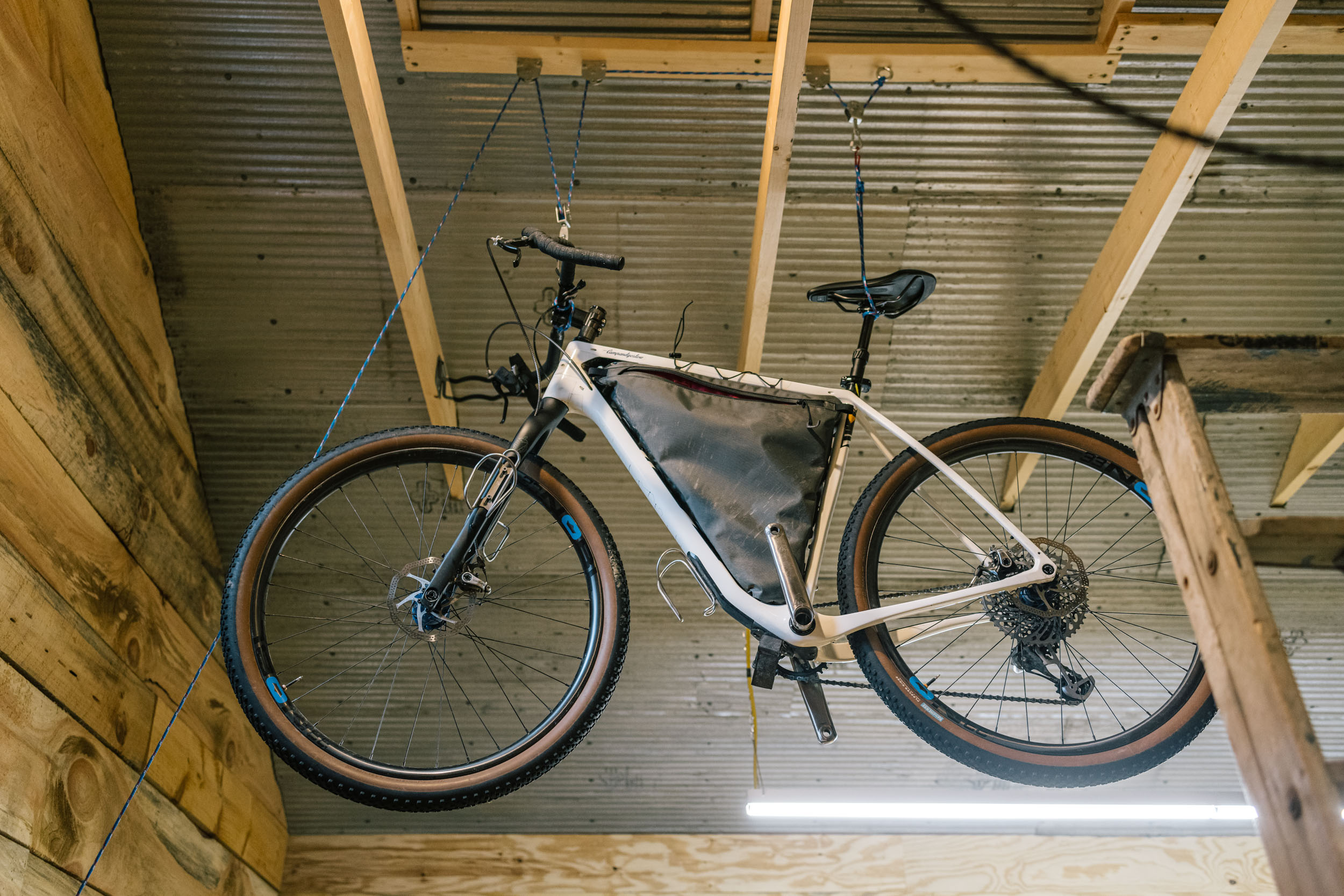
By having fewer bikes, we’re better able to care for, appreciate, and actually ride each one. Contentment with what you already own is a better long-term strategy than constantly chasing the next best thing, especially because we tend to overlook the negative consequences of doing so. In my experience, the higher your N+1 value gets beyond a certain threshold, the less satisfying each addition becomes. Wherever you are in your bikepacking journey, the essential thing is to appreciate what you already have before pursuing whatever comes next.
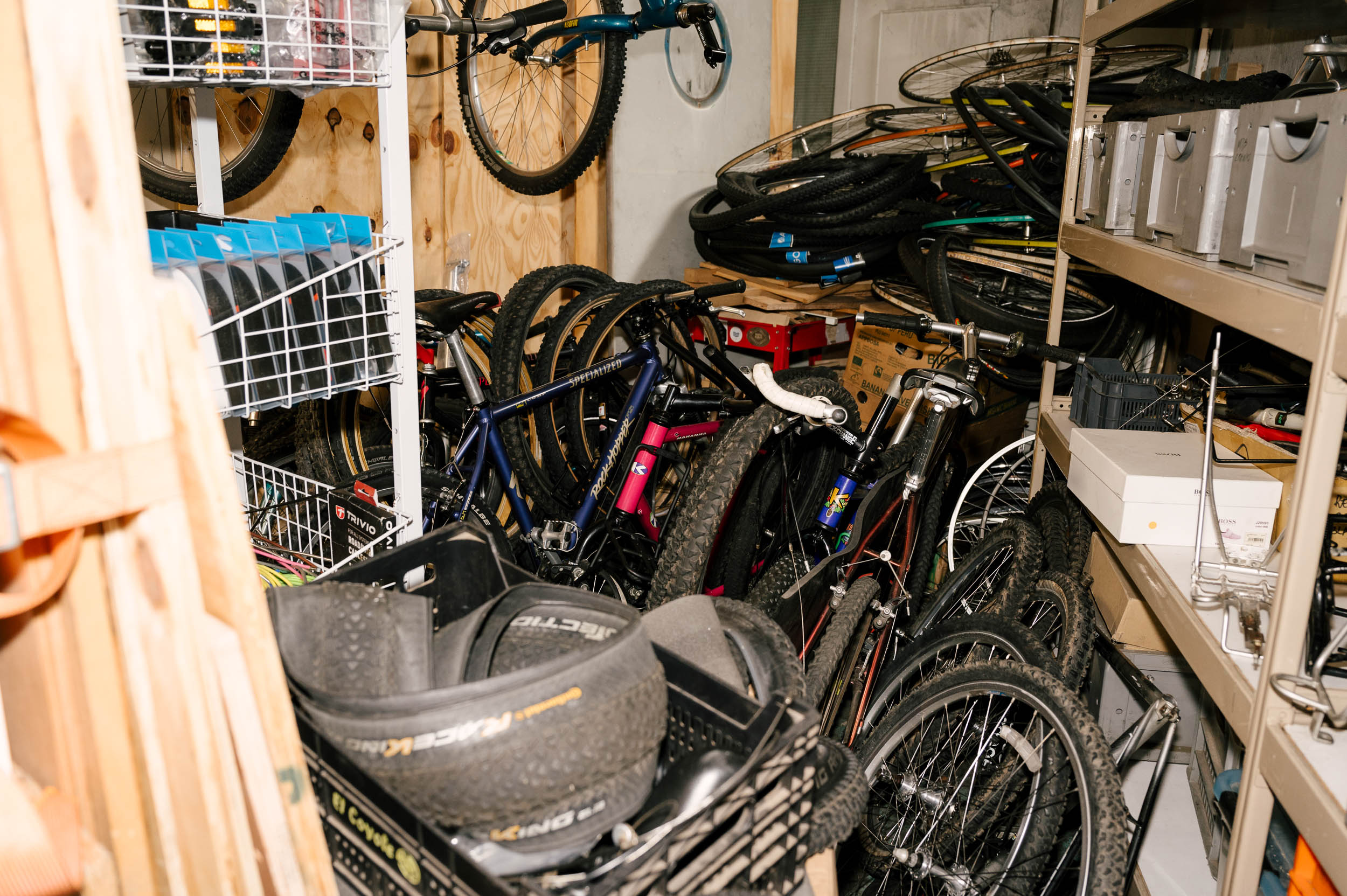
So, what’s the right number of bikes? It depends, of course. Speaking for myself, when I balance all the factors outlined here with my values and take an honest look at what I think I need, five is right for me at this snapshot in time. That’s about half of what I currently own, so I have some work to do. I can also picture owning just three and being perfectly okay there. Having traveled along the bell-curve-shaped path of N+1 fixation for a couple of decades now, I’m even more excited about the prospect of paring back today than my younger self was about someday having a big collection of bikes built for every possible purpose.
With thanks to Eric, Jake, Josh, Kenny, Kody, and Miles for their input. What are your thoughts on the topic of N+1? Did I miss any issues with the quest for more bikes? And have you figured out your ideal number? I’d love to hear from you in the conversation below.
Further Reading
Make sure to dig into these related articles for more info...
Please keep the conversation civil, constructive, and inclusive, or your comment will be removed.




 English (US) ·
  French (CA) ·
  French (FR) ·