

 3 months ago
25
3 months ago
25
PROTECT YOURSELF with Orgo-Life® QUANTUM TECHNOLOGY
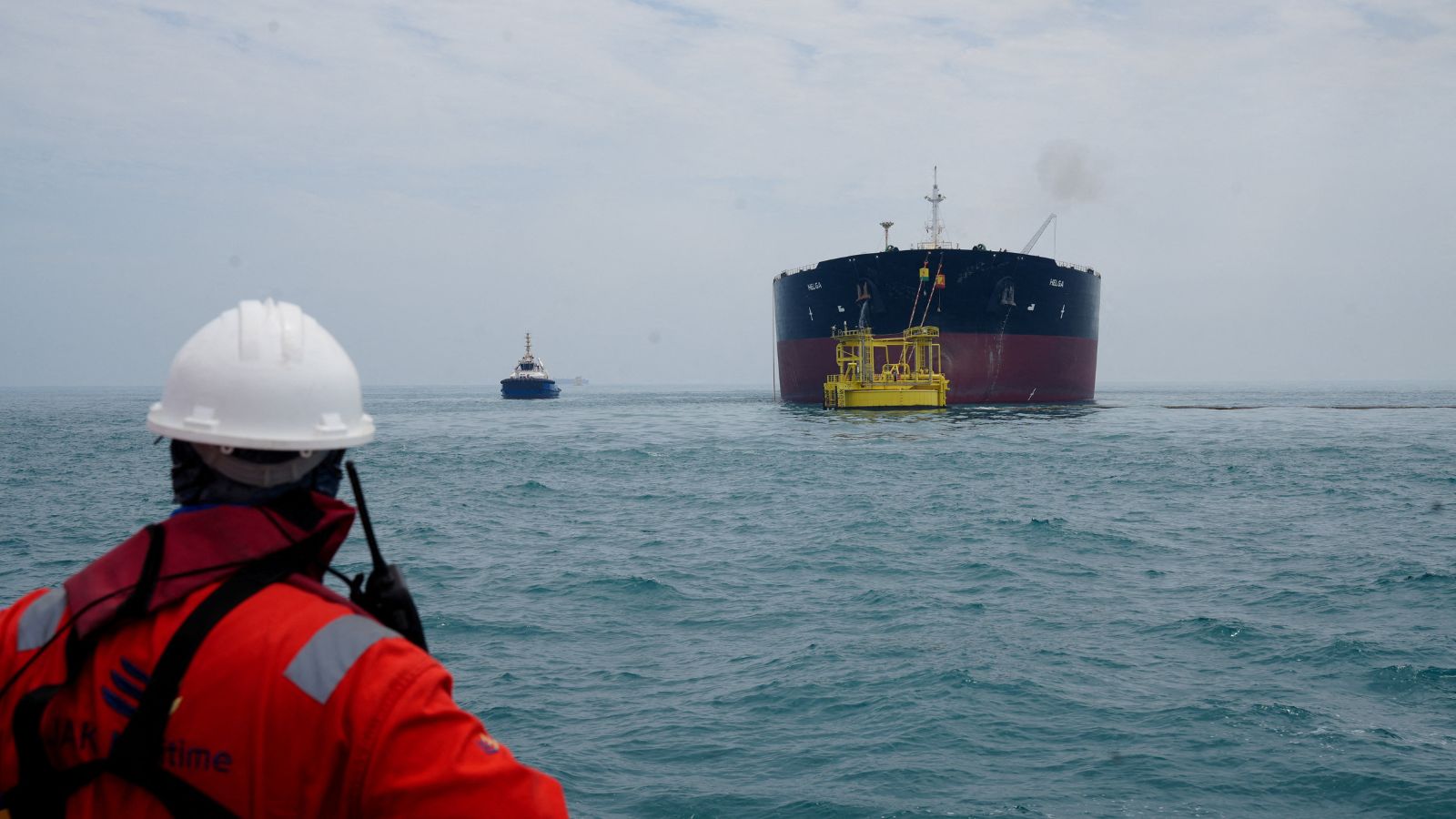
Orgo-Life the new way to the future Advertising by AdpathwayFollowing the breakdown of talks between the U.S. and Iran in Islamabad, Washington has moved to blockade Iranian ports. The U.S. Navy, which is operating in the Gulf of Oman, aims to block vessels leaving Iranian ports (allowing limited non-Iranian traffic) in order to pressure Iran to reopen the Strait of Hormuz and forego tolls on the crossing. Iran, meanwhile, has responded by warning that it will expand disruption of traffic across the Red Sea, and the Gulf and Sea of Oman. This tug-of-war has turned a geographic chokepoint into an economic one.
For Asian countries, particularly in South Asia, the Strait of Hormuz is more than an energy corridor. It carries a substantial share of global LNG and fertilizer trade, alongside almost a fifth of global oil flows. The disruption of maritime traffic in the Strait of Hormuz has already created economic ripples across the world, especially through rising oil prices. The effects, however, do not remain confined to energy markets; they flow downstream, affecting agricultural supply chains and household economies.
Qatar’s declaration of a force majeure on LNG contracts following attacks on its facilities had immediate implications for South Asia. India and Pakistan, both relying on imported gas, face different but connected crises. India, which imports heavily from the Gulf, faces a real concern as the price of urea has increased sharply. India needs 17 million tons of urea by August 2026, but domestic production and existing stocks leave a shortfall of roughly 2 million tons. Filling that gap at current prices means a higher import bill, a weaker rupee, and a fertilizer subsidy heading toward a record $18 billion.
Although Pakistan’s local urea manufacturing insulates it partially from the disruption, it remains import-dependent on phosphate-based fertilizers such as di-ammonium phosphate, where sales have already fallen 23 percent during the last Rabi season (the winter-sown crop cycle that runs from October to April). Pakistani farmers already apply fewer fertilizers per hectare than their Indian, Chinese, or Bangladeshi counterparts. Any further price increase will push application rates lower, directly reducing yields.
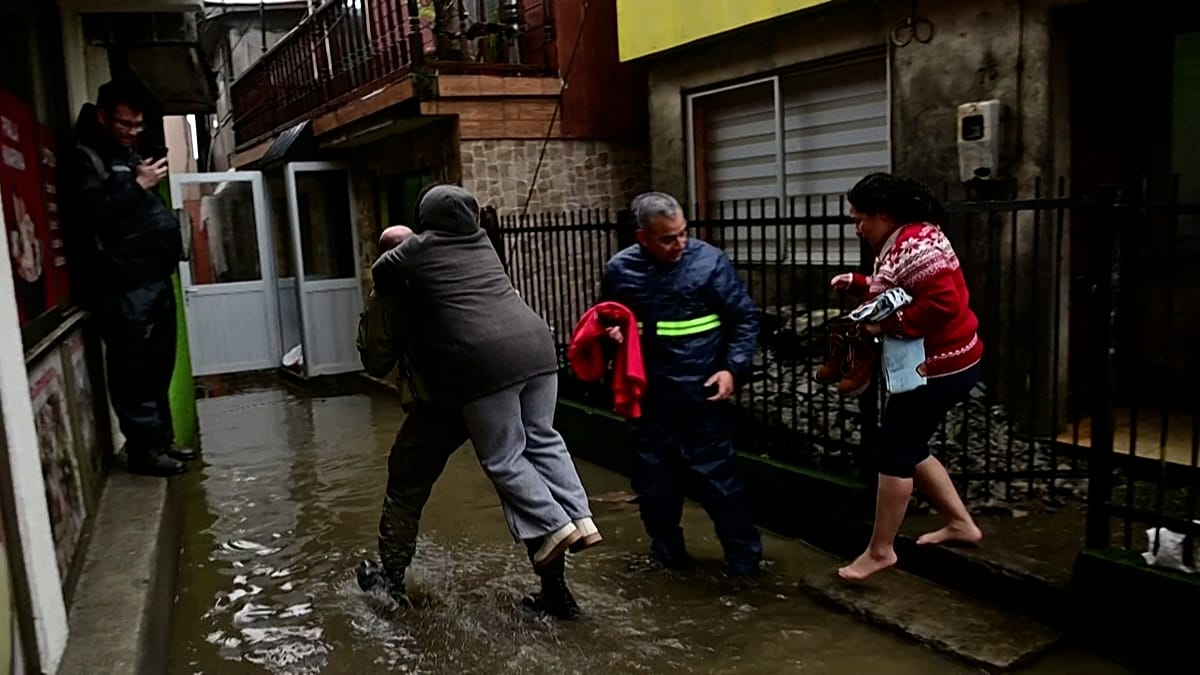
Although South Asian countries are not party to the U.S.-Iran conflict, the effects have trickled down to the common man. Rising energy prices across the world caused India to invoke the Essential Commodities Act on March 9 to ration gas distribution. With the LPG cylinder price increasing by 60 Indian rupees (about $0.65) many Indians are extending cylinder life by simply not cooking. Moreover, there has been a mass exodus of migrant workers from bigger cities as the cost of living reaches the ceiling.
Pakistan, due to its IMF constraints, has inherited its own set of problems from the war. The government’s inability to subsidize fuel prices due to IMF pressure has resulted in rising costs being passed on to the consumer. This has caused much public outcry, risking political backlash. Furthermore, public life has been hampered by smart lockdowns and frequent power outages, as the government cuts electricity supply to reduce dependence on costly imported fuel.
Apart from rising domestic costs, the tensions in the Strait of Hormuz have also affected foreign exchange flows for both countries. The departure of Western high-income expatriate workers from the Gulf, following Iranian strikes on critical infrastructure, has reduced demand for labor in construction, hospitality and retail sectors. This has threatened the livelihoods of millions of Indian and Pakistani workers. There are around 9 million Indian and 5 million Pakistani workers in the region and they have been sending billions of dollars home. India’s Gulf remittances are worth around $51 billion, which is close to India’s entire trade surplus with the U.S. Of Pakistan’s total $38 billion remittances, the GCC countries account for 55 percent. Pakistan’s annual remittances are greater than its annual exports, making remittances a very valuable source of external revenue. With over 220,000 Indian workers repatriated, a prolonged U.S.-Iran conflict would threaten the jobs that sustain these remittance flows, even if the workers choose to remain in the region. Whether these pressures intensify or ease depends on what happens before the ceasefire ends.
The ceasefire, which is set to expire on April 21, has provided some respite; attacks on GCC countries have stopped for the time being. But global supply chain disruptions continue unabated.
With Pakistan’s Army Chief Gen Asim Munir in Tehran to convey Washington’s message and Prime Minister Shehbaz Sharif visiting Saudi Arabia, Qatar and Turkey, the Iranians are weighing the option of coming to the negotiating table for a second round. The first round of talks lasted 21 hours and ended without agreement. Before the talks started, the main point of contention was the cessation of hostilities in Lebanon by Israel. Other differing points included Iran’s nuclear program and control of the Strait of Hormuz. It appears both sides are simultaneously preparing for war and negotiations.
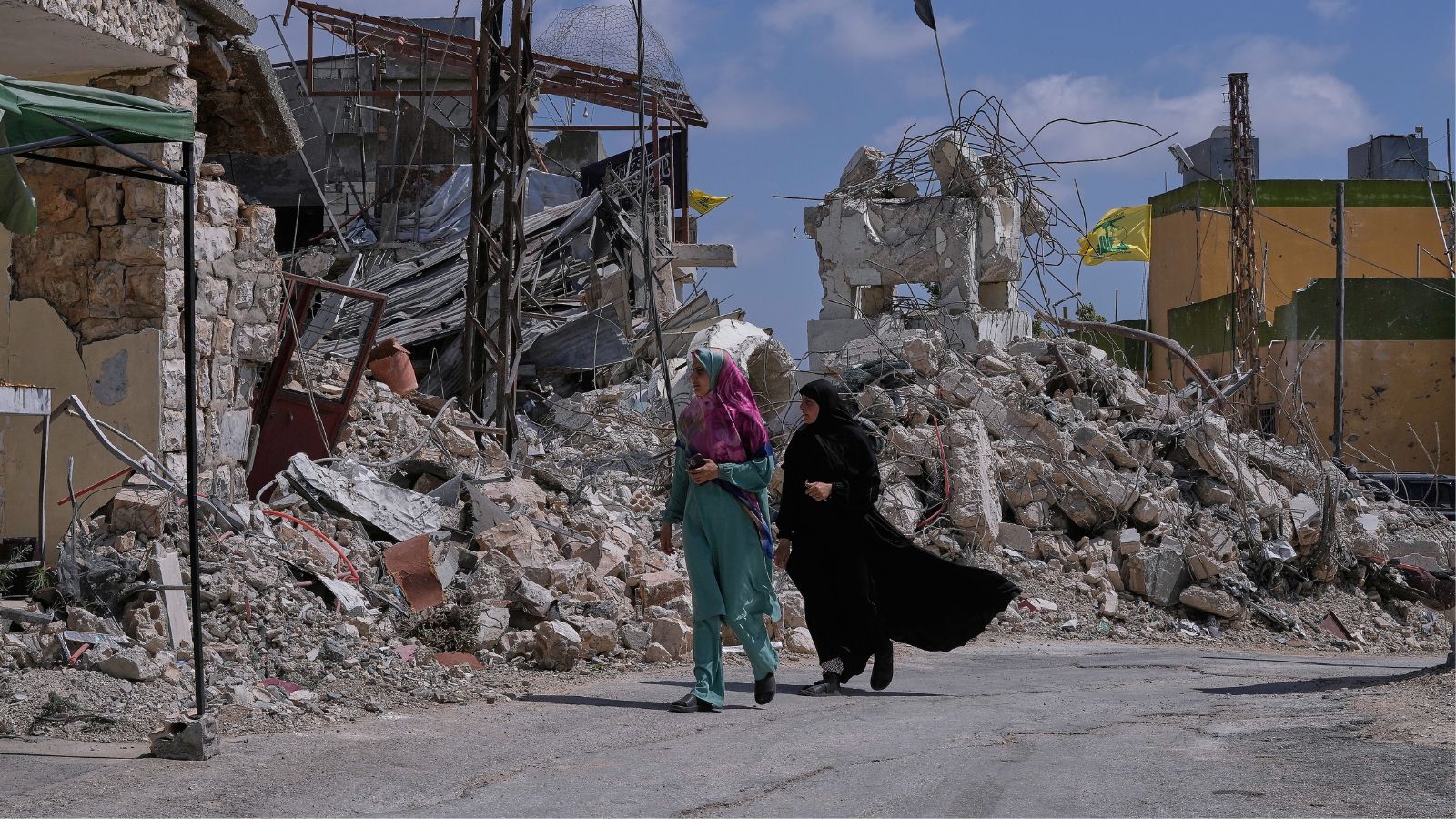
Although Islamabad is actively seeking a diplomatic solution to the war, it does not maintain diplomatic relations with Israel. Pakistan’s limited reach creates a circular problem, where negotiations lead back to Iran’s demands on Israel’s war with Lebanon. India, on the other hand, maintains one of the closest relationships with Israel outside the Western alliance system. A few days before the U.S.-Iran war began, the two countries elevated their ties to a “Special Strategic Partnership”. Although the U.S. has pressured Israel to stop attacks on Lebanon, Lebanon so far lies outside the ceasefire framework. However, economic interests in both India and Pakistan demand that this war end. With the ceasefire fast approaching its expiry date, India’s strategic partnership with Israel gives it unique access that few other Asian countries possess. South Asia has both the diplomatic access and the economic imperative to push for a settlement. The economic brunt of a prolonged war would be borne by the people of both India and Pakistan, who have no part in it but no escape from its consequences.


![Hatsune Miku collaborates with Hokusai’s art in new Vocaloid ukiyo-e illustration series [Pics]](https://soranews24.com/wp-content/uploads/sites/3/2026/07/1_bfee47.jpg?w=1000&h=525&crop=1)














 English (US) ·
  French (CA) ·
  French (FR) ·