

 1 day ago
1
PROTECT YOURSELF with Orgo-Life® QUANTUM TECHNOLOGY
Orgo-Life the new way to the future Advertising by AdpathwayRecent political realignments in the Philippines suggest that a guilty verdict has already been secured in the ongoing impeachment trial of Vice President Sara Duterte.
The House of Representatives twice impeached Duterte, but it was only in July that a trial was convened by the Senate, which needs to deliver a verdict on the allegations that the vice president committed high crimes and betrayed public trust.
In several articles, I wrote about the slim prospect of a conviction given the dominance of Duterte supporters in the Senate. Even President Ferdinand Marcos Jr. publicly rejected a “divisive” trial, which eventually led to the archiving of the initial impeachment complaint in 2025.
The push to remove the vice president from office became clearer in the second half of the year when the Senate convened an impeachment court, and when the president allowed Duterte’s tax and bank records to be used as evidence. The prosecution panel’s first presentation was about the alleged grave threats made by Duterte against the First Family, which was intended to consolidate the ranks of the president’s supporters.
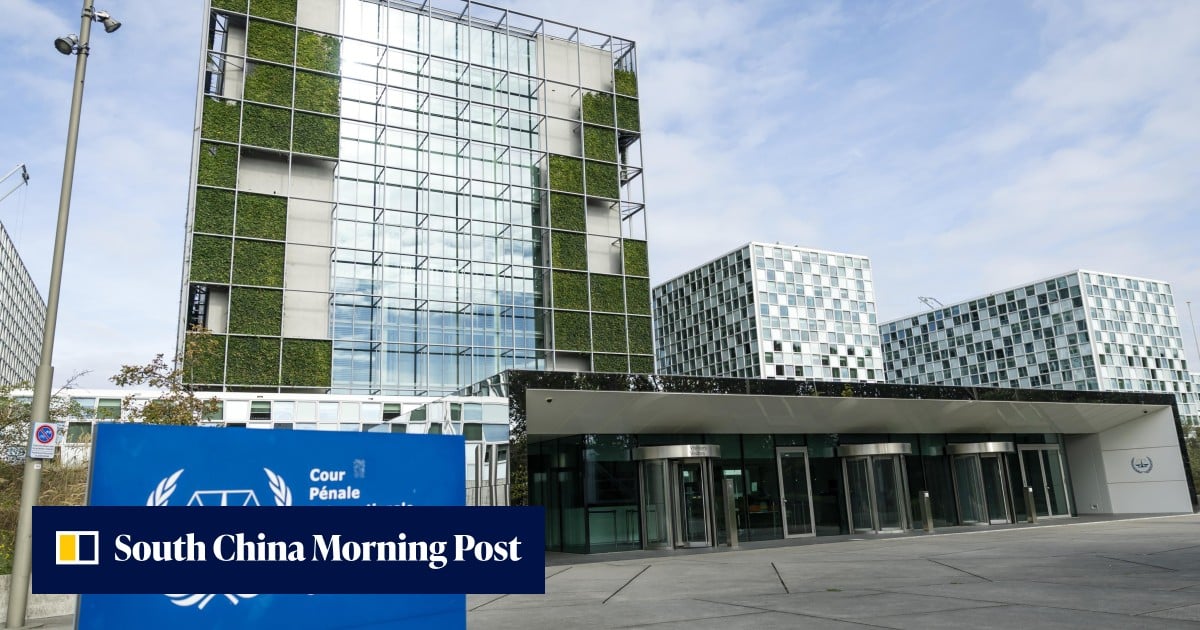
The start of the trial coincided with the filing of non-bailable plunder charges against two pro-Duterte senators, which prevented them from attending the impeachment sessions. Another pro-Duterte senator, who was a former police chief, went into hiding after an arrest warrant was issued against him by the International Criminal Court for his role in the bloody “war on drugs” during the previous administration of Rodrigo Duterte, the vice president’s father.
During the course of the trial, one member of the Senate Duterte bloc decided to join the majority. Another member went abroad to seek medical treatment, but it became an indefinite leave after a plunder complaint was filed against her. The absence of pro-Duterte senators has made it easier for the majority to lower the number of votes needed to convict the vice president. The Senate decision to lower the voting threshold was questioned by pro-Duterte lawyers at the Supreme Court, but the latter dismissed their petition on procedural grounds.
The prosecution’s presentation of evidence on the alleged unexplained wealth of Duterte and her husband provided the public with new information about the vice president’s undeclared assets and business dealings. Some of the suspicious financial transactions were traced to China, which prompted some Marcos officials to comment that it should be further investigated as a potential national security threat.
Duterte has denied ownership of the bank accounts and properties mentioned during her trial. She also insisted that doing business in China is legitimate. Nevertheless, she still needs to explain the mismatch and omissions in her statement of assets as a government official, and the large amount of earnings from her husband’s vague business operations in China.
The prosecution is confident that they can get a guilty verdict on the issue of Duterte’s unexplained wealth, and they made a bold move by dropping other charges in their presentation, including the grave threats against the First Family, misuse of confidential funds, and bribery.
This could also signal that there is now enough number of votes in the Senate to convict Duterte. The impeachment trial may last until the end of the year unless the defense panel decides to present additional witnesses to extend the sessions until early 2027.
The decision to limit the impeachment case to the issue of unexplained wealth has drawn mixed reactions. On one hand, it has been welcomed for expediting the trial and allowing the prosecution to focus on an issue with strong evidence. But it has also been criticized for its potential to undermine the public clamor for accountability, especially since the allegation about the anomalous spending of confidential funds was dropped from the charges. Critics said it could set a precedent by reducing the impeachment process to a transactional matter involving legislators and the presidential office, instead of upholding its role in exacting full accountability against erring officials.
Duterte’s political future will soon be decided by the Senate. Whatever happens, she can take comfort that she still leads in presidential election surveys. If she is convicted, her younger brother could run for president. So far, Marcos has no clear successor, which still makes the Dutertes the formidable team to beat at the 2028 presidential election.
In the meantime, the public awaits the counterarguments and evidence to be presented by Duterte’s legal team in the second half of the impeachment trial.

















 English (US) ·
 French (CA) ·
 French (FR) ·