

 4 weeks ago
49
4 weeks ago
49
PROTECT YOURSELF with Orgo-Life® QUANTUM TECHNOLOGY
Orgo-Life the new way to the future Advertising by Adpathway3 min readNew DelhiJul 21, 2026 03:34 PM IST
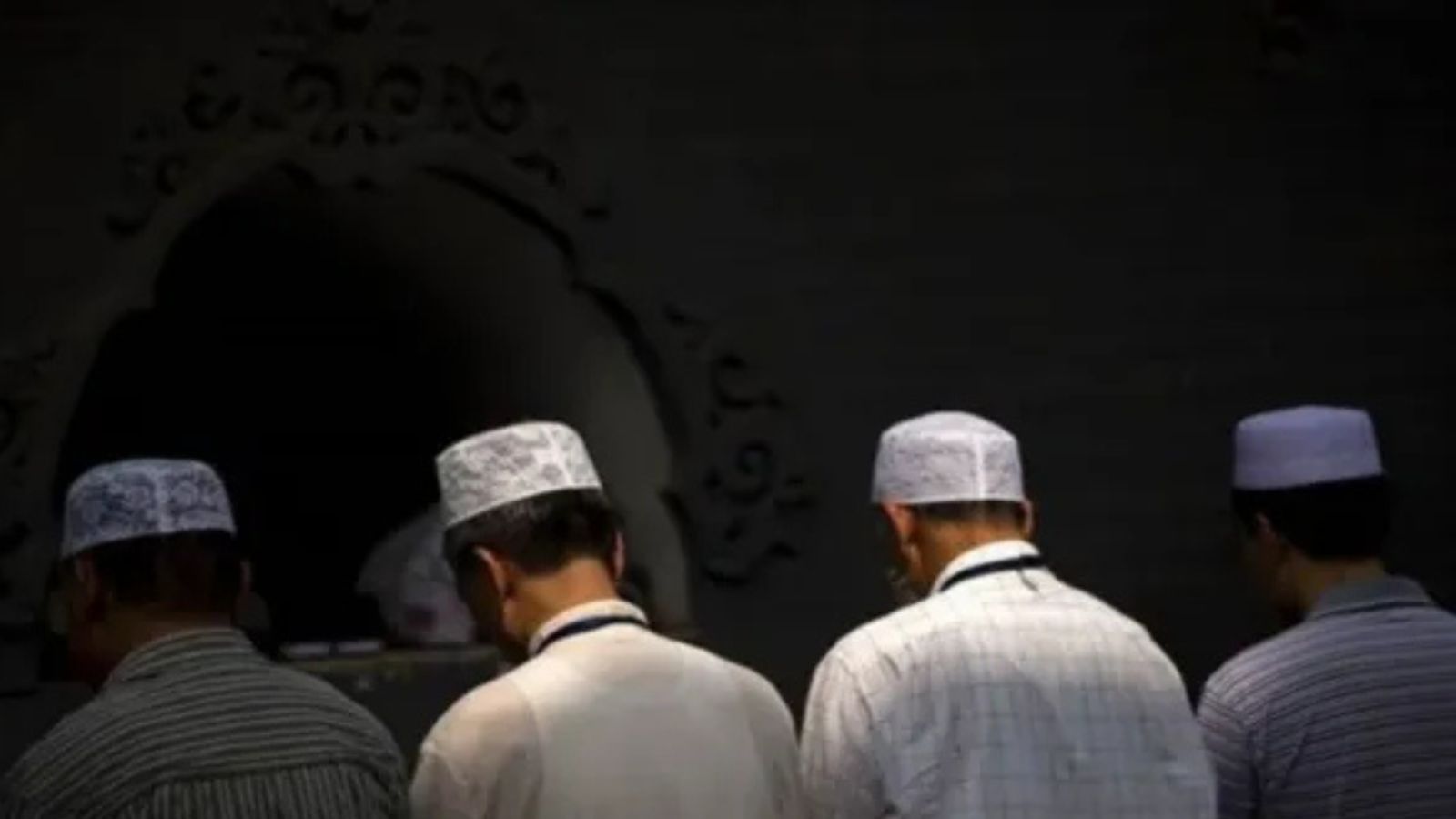 The Kerala High Court had directed that the state Waqf Board would function under the supervision of a joint secretary or additional secretary of the government. (File Photo)
The Supreme Court on Tuesday declined to interfere with the Kerala High Court’s ad-interim direction barring the state Waqf Board from taking any major decisions or incurring any capital expenditure as its constitution is prima facie not in conformity with the 2025 Waqf Amendment Act that requires the inclusion of two non-Muslim members and one Shia member in it.
A three-judge bench presided over by Chief Justice of India Surya Kant, however, deleted the high court’s direction that the Board function under the supervision of the government’s joint secretary or additional secretary.
The bench, also comprising Justices Joymalya Bagchi and V Mohana, said, “In view of the opening line of para 6 (of the high court order), whereunder Board has been directed to not undertake any capital expenditure etc. without leave of the court, we are satisfied that there is no necessity for retention of last line of para 6 of the order. Consequently, the direction that the Board shall function under supervision of jt. secy/additional secretary of government is hereby deleted.”
The Supreme Court noted that the matter was coming up before the high court again on Wednesday and urged it to decide expeditiously.
PILs questioned Waqf Board constitution
The court was hearing an appeal filed by the Board against the high court’s interim direction, which came on public interest litigations (PILs) questioning its constitution.
Senior Advocate V Chtambaresh, appearing for the Board, contended that the ad-interim direction was passed behind its back. He submitted that the Board cannot work under the command of government officers and urged the Supreme Court to modify the order.
Senior Advocate Huzefa Ahmadi, who also appeared for the Board, said, “What they want to do is—they want to substitute them with their own people. That’s the game. PIL filed by someone who belongs to a political party. Where was the question of saying that Board cannot function? And natural justice?… Section 14 (of the United Waqf Management, Empowerment, Efficiency and Development Act, 1995) does not say that if there is any vacancy, then Board becomes defunct.”
Story continues below this ad
The high court order said, “In view of the fact that admittedly, two non-Muslim members have not been included in the Waqf Board and also, as urged by some of the writ petitioners that one Shia member should also be included, we hold that the constitution of the Board prima facie appears to be not in conformity with Section14 of the said Act. Hence, the present Board shall not take any major decisions or incur any capital expenditure or any policy decision without the express leave of this Court.”


















 English (US) ·
  French (CA) ·
  French (FR) ·