

 2 months ago
71
2 months ago
71
PROTECT YOURSELF with Orgo-Life® QUANTUM TECHNOLOGY
Orgo-Life the new way to the future Advertising by Adpathway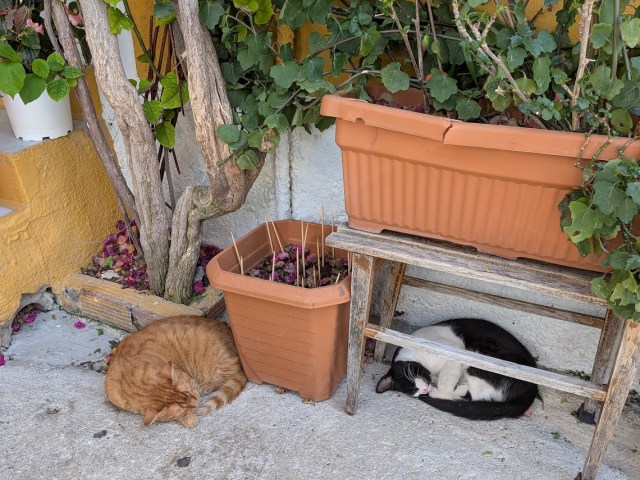
This week, the Ministry of the Environment is caught between intensely divided public opinion on what’s truly best for cats vs. other species.
Given Japan’s love for all things feline in the modern day, it’s easy to forget that the domestic cat isn’t actually native to the island nation. They were originally introduced during the Heian period (794-1185) via trade ships as a way to deter rats from eating Buddhist scrolls and kept almost exclusively by nobility. It wasn’t until later eras that they became more widespread and grew immensely in population–at times having negative effects on the local ecosystem.
On August 4, Japan’s Ministry of the Environment announced its intent to withdraw a proposed revision that included stray cats–those that depend on humans for survival–on its list of invasive alien species causing damage to local ecosystems. Previously, only feral cats in the wild had been included on the list, and the Ministry was in the final stages of adding an entry for all domestic cats lumped together under their collective species name (Felis catus). However, the decision was met with a flood of public criticism that such a designation might result in pet house cats being unintentionally exterminated if they were to escape. Consequently, the Ministry reverted back to its previous classification of feral cats on the list.
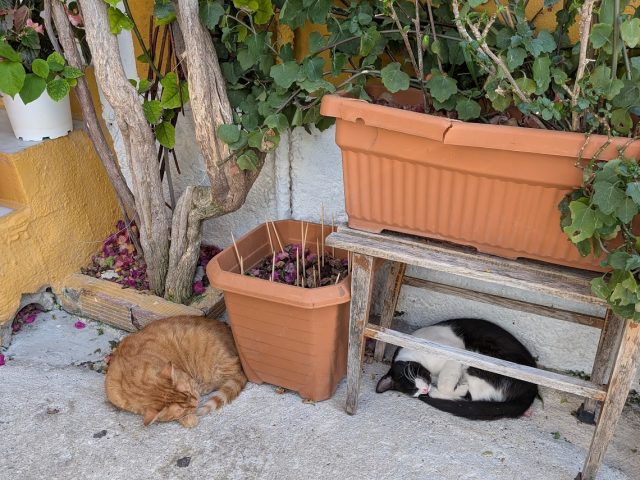
▼ Even when they don’t have a clear owner, stray cats are hard to be seen by many as dangerous pests when they’re just so darn cute.
This year marks the first time that the list of invasive alien species is being revised in approximately 10 years. Despite holding no legally binding power, the list’s proposed revision for feline kind was intended to caution people not to let their house cats roam around outside unsupervised or to abandon them. As Japan has seen time and time again, invasive species such as the red-necked longhorn beetle can have devastating effects on the local environment.
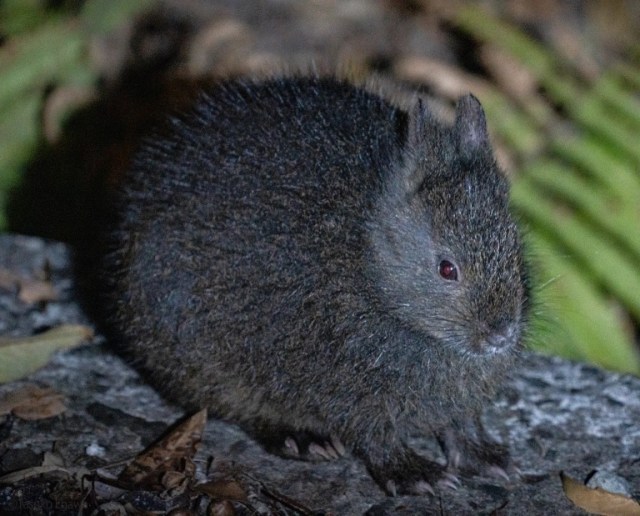
▼ The Amami rabbit, an Endangered species that is endemic to only two of the Amami Islands in southern Japan, is one species threatened by stray cats.
Hirotaka Ishihara, the current Minister of the Environment, shared at a press conference on the same day that the proposed revision had the possibility of inviting misunderstandings such as that someone’s pet house cat would be put down if it escapes, also citing the high risk of unintended consequences that are unrelated to the list’s original objective. The list’s final revised policy was subsequently determined at an assembly of experts he convened on August 7, a move that is extremely unusual at that stage in the process.
Online reaction to the elimination of the proposed revision was largely met with negative backlash, with many net users upset at what they felt to be a step in the wrong direction:
“Even though prevention ≠ extermination…”
“Who’s going to protect the environment if not the Ministry of the Environment?!”
“Do they really have to withdraw the language out of fear it will be misunderstood? Can’t they just implement measures to prevent the language from being misinterpreted?”
“It feels like a governmental betrayal when a lot of us were finally raising awareness of the importance of keeping cats indoors.”
“So it’s OK when the raccoons or nutrias are being exterminated but it’s considered abuse when it comes to cats?”
It’s unclear how the government plans to tackle the prevalence of stray cats in certain parts of Japan, but there’s already proof of certain localities taking matters into their own hands, including Japan’s most famous “cat island,” Aoshima, which revealed that all of its stray cats will be gone in the very near future due to the population being too large for the small, aging human population to manage.
Source: Yahoo! Japan News via Hachima Kiko
All images © SoraNews24
● Want to hear about SoraNews24’s latest articles as soon as they’re published? Follow us on Facebook and Twitter!




















 English (US) ·
  French (CA) ·
  French (FR) ·