

 15 hours ago
8
PROTECT YOURSELF with Orgo-Life® QUANTUM TECHNOLOGY
Orgo-Life the new way to the future Advertising by Adpathway
One-stop reference
Company Intelligence
Every listed company in Latin America — financials, ownership and structure for 1,450+ companies across 26 exchanges, in one place.
SOUTH AFRICA · TRADE
Key Facts
- —The country South Africa is Africa’s most industrialized economy, with a large paper industry and a big media and retail sector.
- —What happened The South African Revenue Service raised the import duty on newsprint in rolls or sheets from zero to 5%, effective Friday 16 October 2026.
- —Who asked for it Sappi, a paper and pulp producer listed on the Johannesburg Stock Exchange, applied to the trade regulator Itac in March 2026.
- —The mill at stake Sappi says its Ngodwana Mill in Mpumalanga is the only operating newsprint plant in South Africa and the wider Southern African Customs Union.
- —Import sources Canada supplied 47.2% of South Africa’s newsprint imports in 2024/25, ahead of Brazil with 19.8% and Norway with 18.3%.
- —The review Itac will review the duty after three years to judge its effect on industry, newspapers and other users of newsprint.
- —Still open How much of the 5% publishers and retailers will absorb, and whether a wider paper tariff package follows.
The South Africa newsprint tariff is now in force, a 5% duty on the paper that newspapers and retailers print on. The South African Revenue Service, the national tax and customs authority, applied the new rate from Friday 16 October 2026.
The duty protects Sappi’s Ngodwana Mill, which Sappi calls the region’s only newsprint plant, and it hits foreign suppliers led by Canada. Business Day laid out the findings behind the South Africa newsprint tariff on Wednesday 21 October.
What South Africa Decided on Newsprint
The International Trade Administration Commission, known as Itac, is the government body that advises on import duties and trade remedies. It backed a 5% duty on newsprint in rolls or sheets, which had entered the country free of duty.
The revenue service announced the change on Thursday 15 October in a notice on secondary customs legislation, citing Itac Report 784. The new rate applies from Friday 16 October, and Itac will review it after three years.
Why Sappi Asked for the Duty
Sappi is a paper and pulp producer listed on the Johannesburg Stock Exchange, and it filed its application with Itac in March 2026. Its Southern Africa chief executive, Graeme Wild, warned then that cheap imports threatened the viability of local newsprint manufacturing.
Sappi told the regulator that falling global demand, worldwide overcapacity and low-priced imports were causing sustained losses at its Ngodwana Mill. Rising pulp and energy costs added to the pressure, Business Day reported.
What the Itac Figures Show
Itac found that newsprint imports grew by an average of 13% a year between 2021 and 2025, while domestic production fell by about 11.7%. The local mill’s capacity utilization dropped from 68.5% in 2021/22 to 46.1% in 2024/25.
The domestic producer’s share of the market slid from 60.8% to 51.1% over the same period, according to the Itac report quoted by Business Day. The regulator also cited a significant price disadvantage against imports and falling profitability.
The Ngodwana Mill and Its Jobs
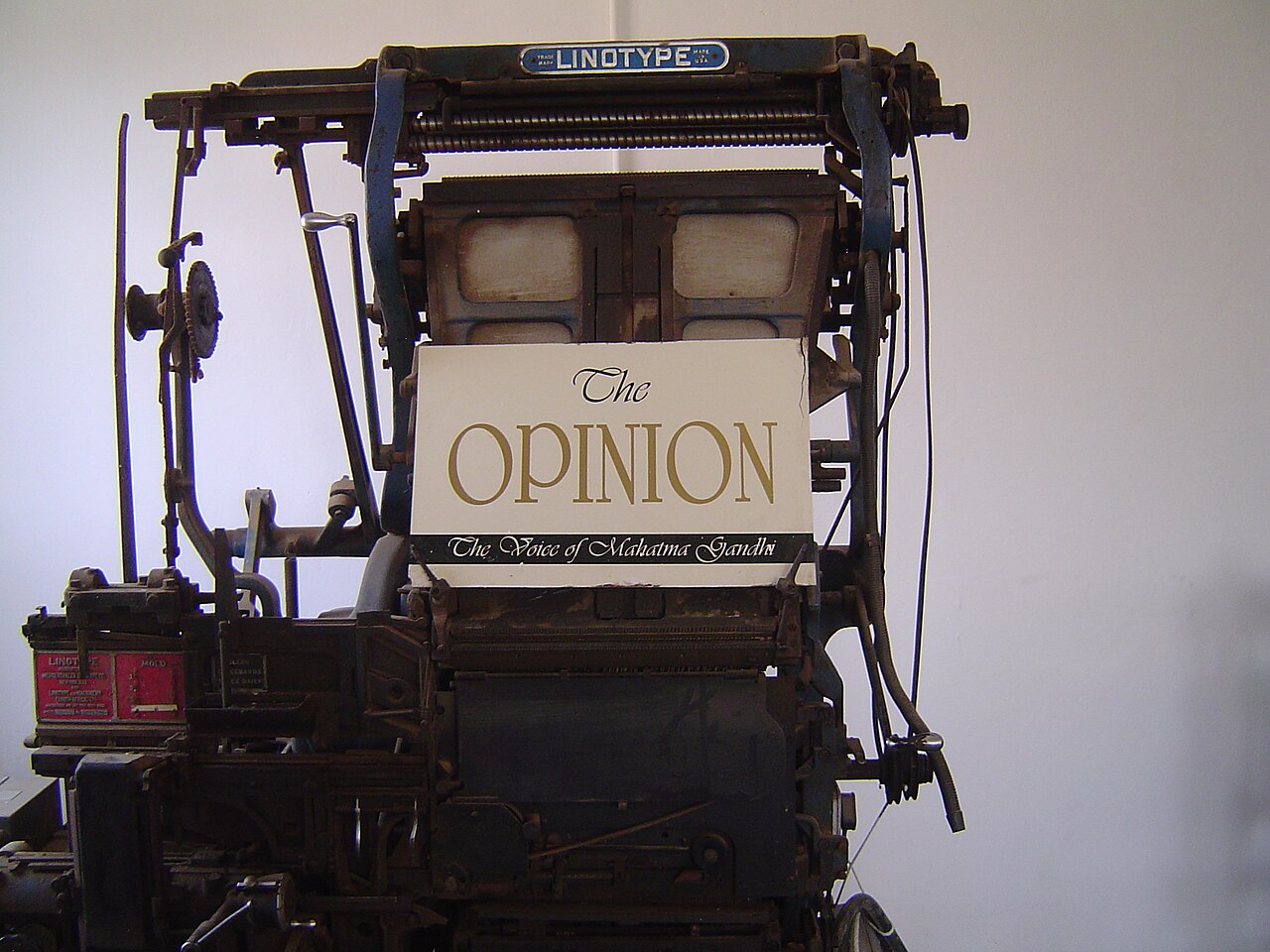
Ngodwana lies in Mpumalanga, a province in the north-east of South Africa, and its newsprint line can make 110,000 tonnes a year. That is about 20% of the mill’s capacity of more than 570,000 tonnes, which also covers pulp, linerboard and packaging.
Sappi says the mill contributed R9.9 billion (about US$604 million) to Mpumalanga’s economy in 2025 and supports 1,500 direct and 5,000 indirect jobs. Sappi’s own website has used lower figures, about 1,100 direct jobs and R5.8 billion (about US$354 million), as BusinessTech reported in March.
Who Sells Newsprint to South Africa
Canada supplied 47.2% of South Africa’s newsprint imports in 2024/25, followed by Brazil with 19.8% and Norway with 18.3%, according to the Itac report. Those three countries together accounted for more than 85% of imports.
The new duty raises the landed cost of their rolls by 5%, a margin that matters in a low-price commodity trade. The South Africa newsprint tariff reaches publishers and retailers that print flyers and inserts first.
What It Means for US Readers
Canada, a North American neighbour, supplies nearly half of South Africa’s imported newsprint, so the duty narrows an export market for mills on this continent. It also shows Pretoria will use tariffs to defend factories, a signal for US exporters of paper and packaging.
The decision sits beside other trade steps, such as the end of support for kit car plants. Investors can read the profiles of the producer Sappi Ltd and the media group Caxton.
Pressure on the Wider Paper Industry
Packaging firm Mpact issued retrenchment notices to nearly 400 workers in its carton board business, Business Day reported, citing cheap imports and a stronger rand. Trade Minister Parks Tau has also told Itac to investigate the whole paper and paper products sector.
The minister said the pulp and paper industry is under strain in uncoated paper, newsprint, packaging and tissue. The industry says it has invested R33 billion (about US$2.0 billion) in the economy over the past seven years.
What Is Not Known
It is open how much of the South Africa newsprint tariff publishers and retailers will pass on to readers and advertisers. The notice also leaves open when the Government Gazette, the official state journal, will print the final text.
Itac has not said whether other paper grades will get similar protection after the sector-wide investigation ends. The effect on Canadian, Brazilian and Norwegian exporters will only show in the trade figures of coming months.
More: South Africa news in English, every day from The Rio Times.
Frequently Asked Questions
What is the South Africa newsprint tariff?
The South Africa newsprint tariff is a 5% customs duty on newsprint in rolls or sheets, up from zero. It took effect on Friday 16 October 2026.
Who asked for the newsprint duty?
Sappi, a paper and pulp producer listed on the Johannesburg Stock Exchange, applied to Itac in March 2026. It says low-priced imports threaten its Ngodwana Mill.
Which countries sell newsprint to South Africa?
Canada supplied 47.2% of imports in 2024/25, followed by Brazil with 19.8% and Norway with 18.3%. Together they account for most of the market.
How long will the South Africa newsprint tariff last?
Itac will review the duty after three years. The review will weigh the effect on industry, downstream users and the wider value chain.
Will newspapers in South Africa cost more?
The South Africa newsprint tariff raises the import price of newsprint by 5%. How much reaches readers depends on what publishers and printers absorb.
Sources: South African Revenue Service, Tariff Amendments 2026 (newsprint, Itac Report 784), 15 October 2026; Business Day, Can a 5% newsprint tariff save SA’s print industry?, 21 October 2026; Business Day, Sappi seeks 5% tariff on newsprint imports, 23 March 2026; BusinessTech, Ngodwana mill risks shutting down, 24 March 2026.
This article was produced by The Rio Times’ automated newsroom system. How we use AI · Report an error · Editorial responsibility: Matthias Camenzind, Editor-in-Chief
LatAm Markets: Live Signals → — real-time movers, turnover leaders and FX across Latin America.














 English (US) ·
 French (CA) ·
 French (FR) ·