

 3 weeks ago
33
3 weeks ago
33
PROTECT YOURSELF with Orgo-Life® QUANTUM TECHNOLOGY
Orgo-Life the new way to the future Advertising by Adpathway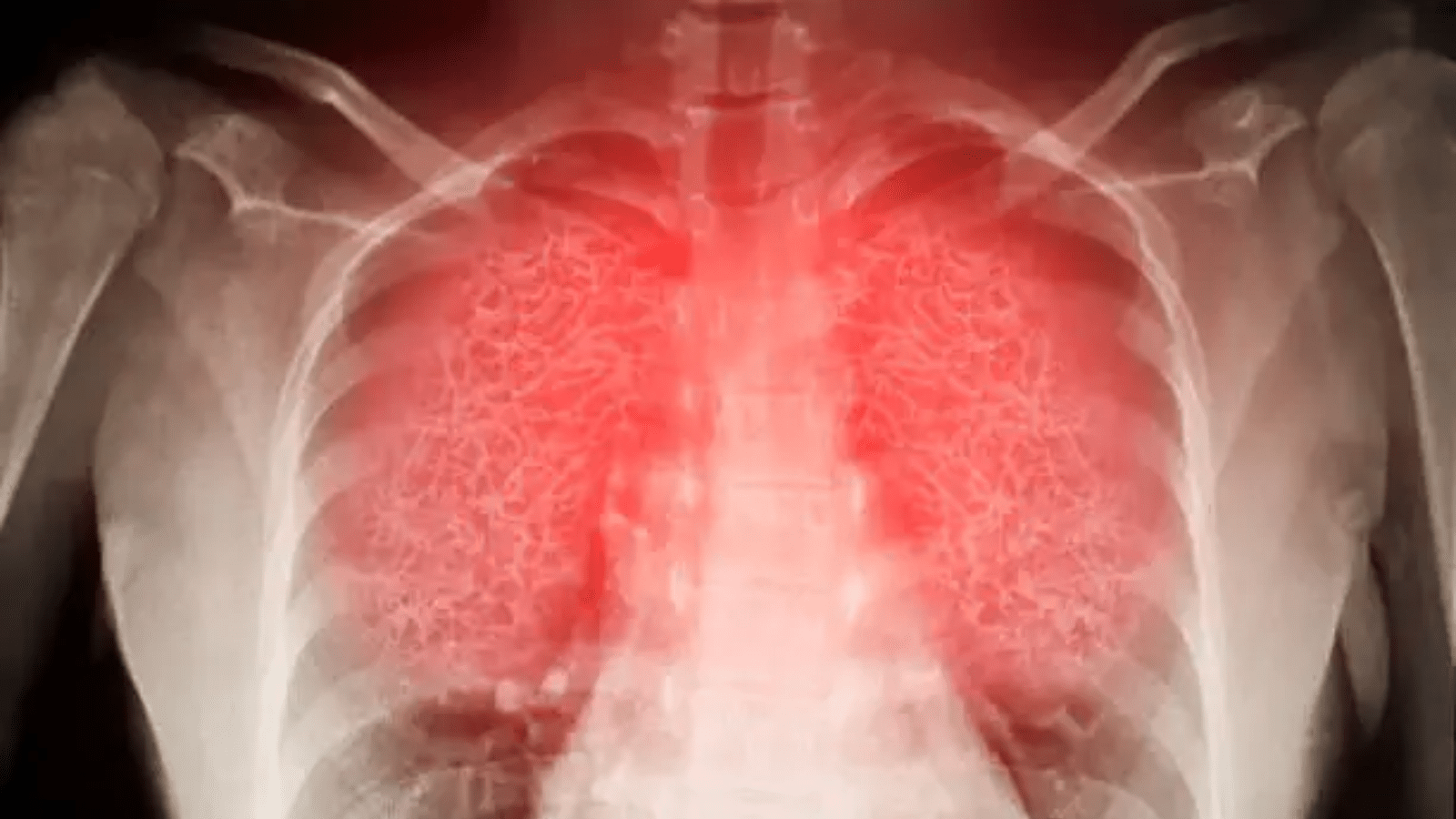 A pulmonary embolism occurs when the clot becomes lodged in one of the arteries supplying blood to the lungs, preventing normal blood flow and putting strain on the heart and lungs. (File Photo)
It was a long-haul flight, 14 hours non-stop. Just like other passengers, a 28-year-old woman unbuckled her seat belt, walked out of the aircraft and made her way towards the baggage claim area. Within the next 40 minutes, she collapsed as a blood clot that had silently formed in her leg during the flight had travelled to her lungs, blocked an artery and prevented normal blood flow to it and the heart.
This is what doctors call pulmonary embolism, which can be a life-threatening complication arising out of prolonged immobility. “The risk of pulmonary embolism after a long flight is very low in healthy individuals, but it should not be ignored, particularly among people with certain medical conditions or risk factors. The risk is generally associated with journeys lasting more than four hours, especially in individuals with a previous history of blood clots, recent surgery, cancer, pregnancy, obesity, inherited clotting disorders, or those taking hormone-based medications,” Dr Virender K. Sheorain, associate director, Peripheral Vascular and Endovascular Sciences, Medanta, Gurugram, told The Indian Express. Excerpts:
What happens inside the body during a long flight?
Long-haul flights are generally safe for most people. However, remaining seated for several hours in a confined space can slow the flow of blood in the deep veins of the legs. This increases the possibility of developing deep vein thrombosis (DVT) — a condition in which a blood clot forms in the deep veins, usually in the lower limbs. The clot itself may remain confined to the leg but the real danger arises if a part of it breaks away.
A pulmonary embolism occurs when the clot becomes lodged in one of the arteries supplying blood to the lungs, preventing normal blood flow and putting strain on the heart and lungs.
Walking after landing does not trigger a clot
One misconception is that standing up or walking immediately after a flight causes an existing clot to move to the lungs. Doctors say there is no scientific basis for this belief. On the contrary, movement is actively encouraged because it improves blood circulation in the legs and helps reduce the likelihood of clot formation in the first place.
Recognising the warning signs early
The symptoms often begin with DVT before progressing to pulmonary embolism. This may present as swelling, pain, tenderness, warmth or redness in one leg. Because these symptoms can be subtle, they are sometimes overlooked until the clot dislodges.
If the clot reaches the lungs, symptoms become far more dramatic. A person may suddenly experience shortness of breath, chest pain, coughing up blood, a rapid heartbeat or even fainting. Anyone developing these symptoms after prolonged travel should seek emergency medical attention immediately.
Story continues below this ad
What about treatment?
This depends on the severity of the clot and includes blood-thinning (anticoagulant) medicines to prevent further clotting, clot-dissolving drugs in severe or life-threatening cases, catheter-based or surgical removal of the clot in selected patients and oxygen therapy and supportive care if breathing is compromised.
Simple precautions can significantly reduce the risk
Preventing travel-related blood clots is often straightforward. Passengers on long flights should make it a point to stand up and walk every one to two hours whenever possible. Those who remain seated should regularly perform simple ankle and calf exercises to keep blood circulating. Staying well hydrated and avoiding prolonged immobility are equally important preventive measures.
People with known risk factors should consult their doctor before undertaking long journeys. Depending on their medical history, they may be advised to wear compression stockings or take preventive blood-thinning medication before travel.















 English (US) ·
  French (CA) ·
  French (FR) ·