

PROTECT YOURSELF with Orgo-Life® QUANTUM TECHNOLOGY
Orgo-Life the new way to the future Advertising by Adpathway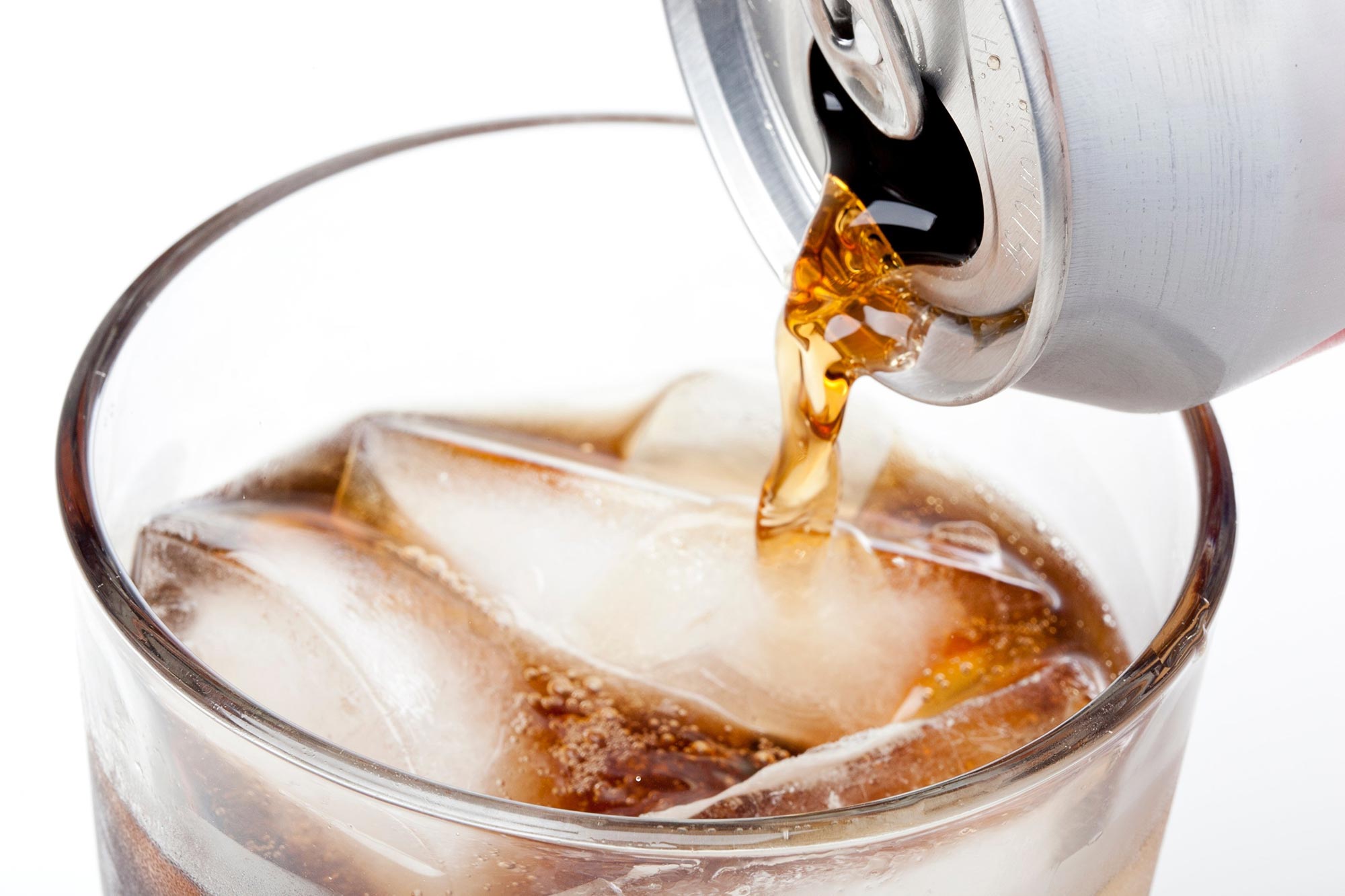 Diet drinks offer sweetness with little or no sugar and far fewer calories than regular soda. Credit: Stock
Water had no clear weight-loss advantage over diet drinks in a two-year trial, with both groups keeping weight off after program support ended.
Replacing a sugary soda in the refrigerator with a diet version keeps the sweet taste while cutting sugar and calories. The harder question has been whether the sweeteners used in that swap might disrupt appetite and make lost weight harder to keep off.
University of Liverpool researchers put that concern to a two-year test, randomly assigning 493 adults with overweight or obesity to drink either water or commercially available diet beverages daily. Both groups took part in a structured behavioral weight-management program, and at 104 weeks, those drinking diet beverages had maintained weight loss similar to those drinking water.
Diet drinks keep pace with water
The diet beverages contained low- or no-calorie sugar substitutes, specifically aspartame, acesulfame potassium (acesulfame-K), and sucralose. Participants consumed these sweeteners at levels well within the European Food Safety Authority’s established safety thresholds.
Following participants through a second year extended earlier findings from the SWITCH trial, published in the International Journal of Obesity in 2023. The latest results, reported in the British Journal of Nutrition, included:
- Weight loss averaged 4.8 kilograms, about 10.6 pounds, in the diet-beverage group and 3.7 kilograms, about 8.2 pounds, in the water group. The difference was not statistically significant.
- Both groups sustained weight reductions over two years, including the final year without assistance.
- Waist and hip measurements decreased in both groups, alongside improvements in body composition and several measures of metabolic health.
- Blood pressure and cholesterol outcomes showed no clinically meaningful differences between the diet-beverage and water groups.
- Sugar intake fell in both groups, with slightly greater reductions among participants assigned to diet beverages.
Participants maintained those reductions after the assisted portion of the program ended, giving researchers a longer view of how the two beverage choices fit into weight management. The findings did not support concerns about disrupted appetite regulation or metabolic harm under the conditions studied, although the weight losses occurred within a broader behavioral program and cannot be attributed to the drinks alone.
Professor Joanne Harrold, dean of psychology at the University of Liverpool, led the research alongside Professor Jason Halford of the University of Leeds, formerly of Liverpool. The American Beverage Association funded the peer-reviewed study. The research team worked independently of the funder and retained full control over the analysis and reporting of its findings.
Two-year results could inform WHO guidance
The World Health Organization has advised against using non-sugar sweeteners for weight control amid uncertainty in observational evidence. By assigning participants to beverage groups and following them over two years, the SWITCH researchers tested the question directly over an extended period.
Harrold said, “The University of Liverpool is one of the UK’s leading research-intensive higher education institutions, with a key focus on public health. These latest findings show that concerns about sweeteners disrupting appetite or causing weight gain are not supported when tested in a rigorous, long-term randomized trial. We hope this evidence informs future WHO guidance and public health policy.”
Reaching for a drink from the refrigerator remains one part of a broader effort to lose weight and keep it off. Halford said, “This study provides the long‑term clinical evidence that has been missing from international discussions. For people trying to manage their weight, non‑nutritive sweetened beverages offer an effective alternative to sugar‑sweetened drinks—and perform equivalently to water over two years.”
Reference: “Effect of non-nutritive sweetened beverages v. water on body weight: long-term results of a randomised controlled trial” by Joanne A. Harrold, Scott Hill, Cristina Radu, Paul Thomas, Paula Thorp, Charlotte A. Hardman, Paul Christiansen, Una Masic, Lauren McGale, Dan J. Cuthbertson and Jason C.G. Halford, 4 August 2026, British Journal of Nutrition.
DOI: 10.1017/S0007114526108150
This trial was funded by the American Beverage Association.
Never miss a breakthrough: Join the SciTechDaily newsletter.
Follow us on Google and Google News.





















 English (US) ·
  French (CA) ·
  French (FR) ·