

PROTECT YOURSELF with Orgo-Life® QUANTUM TECHNOLOGY
Orgo-Life the new way to the future Advertising by Adpathway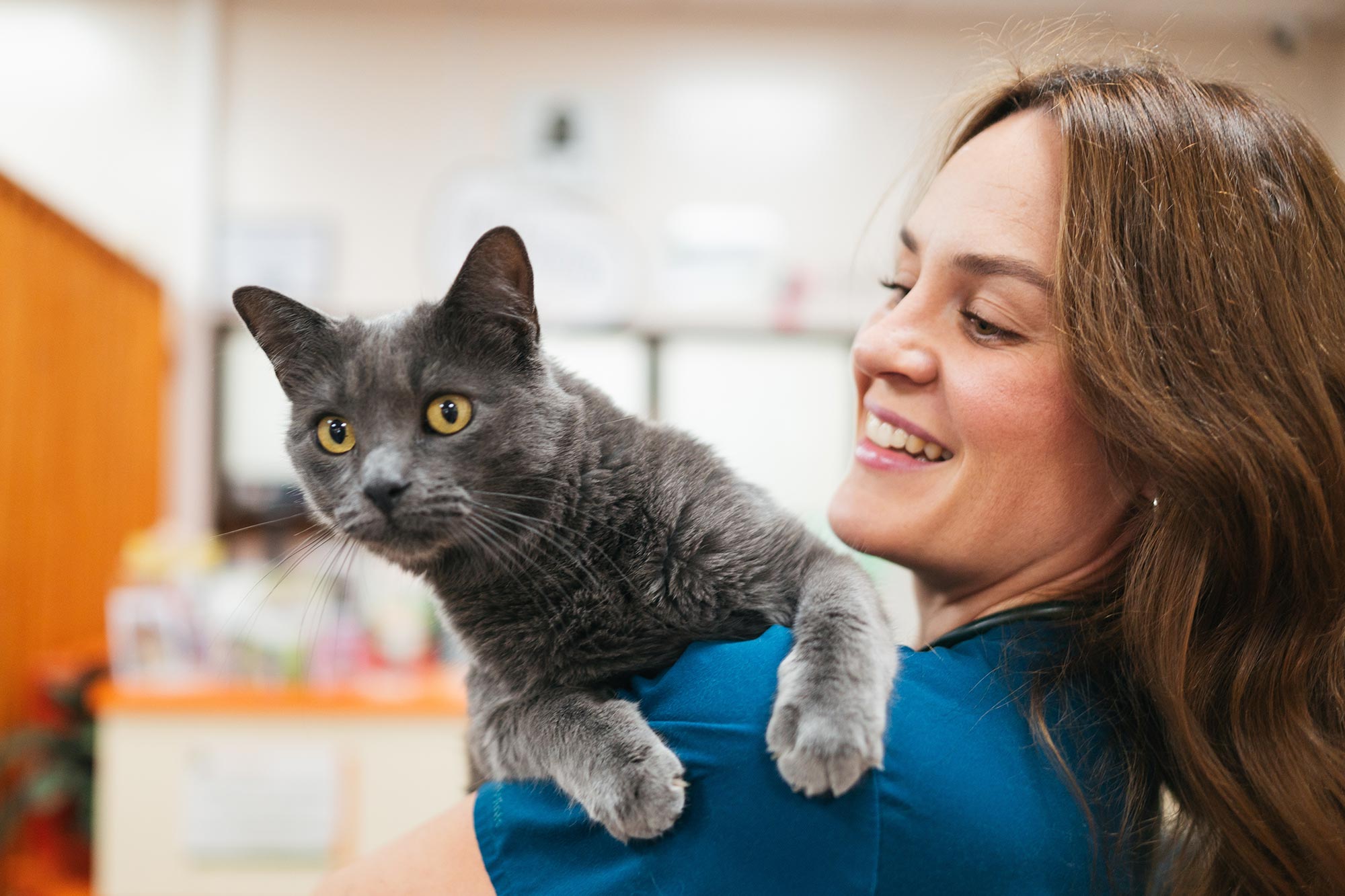 A small month-long study suggests that the emotional benefits of living with a cat may depend less on how long the relationship has lasted than on everyday interactions. Credit: Shutterstock
The comfort you find in a cat’s company may have less to do with years together than with everyday closeness, a small observational study suggests.
Cat owners often credit their pets with making life better, but research has produced mixed evidence about whether owning a cat benefits human health and well-being. Some studies have found positive effects, while others have reported possible negative ones.
Researchers at Kyoto University wondered whether those differences might reflect the quality of the relationship between people and their cats, particularly their everyday interactions. To investigate, the team followed the daily lives of 29 cats and their 19 owners for one month, recruiting participants through flyers and social media. They assessed owners’ moods through questionnaires and observed how the cats behaved toward their owners and unfamiliar people.
To measure everyday physical closeness, the researchers attached small Bluetooth Low Energy (BLE) beacons to the cats’ collars. Owners who spent more time physically close to their cats tended to report more positive feelings. How long they had owned their cats, however, was not associated with those positive mood states. The distinction suggests that daily contact may matter more to this aspect of owners’ well-being than the length of the relationship.
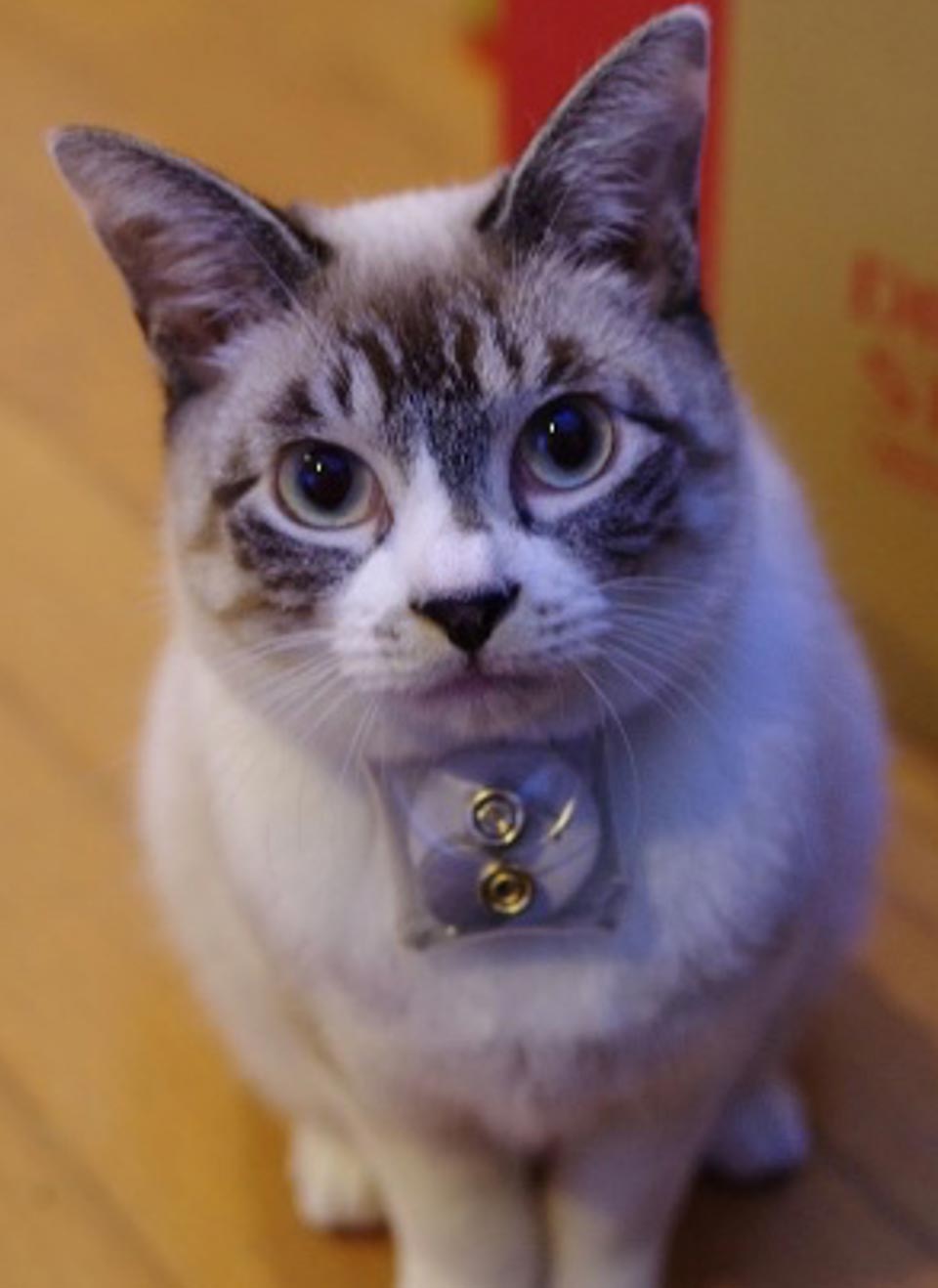 Cats joined our study with the BLE beacon. Credit: KyotoU / Saho Takagi
Cats’ oxytocin linked to owners’ negative moods
Urine samples from both cats and owners revealed connections involving oxytocin, a hormone associated with social relationships, and cortisol, a hormone associated with stress. Higher oxytocin concentrations in cats’ urine were associated with higher oxytocin concentrations in their owners’ urine. Cats with higher oxytocin levels also tended to have owners with lower cortisol levels and fewer negative feelings. The cats’ oxytocin levels were more closely associated with their owners’ negative mood states than the owners’ own oxytocin levels were.
“I think many cat owners are familiar with the sense of comfort and peace they feel when their cat climbs onto their lap seeking affection, they start to pet it, and the cat begins purring contentedly,” says corresponding author Saho Takagi. “Our findings suggest that this feeling may be partly reflected in the hormonal connection between cats and their owners, particularly through oxytocin, a hormone involved in the formation of parent-child bonds and social relationships.”
The findings offer a possible explanation for the inconsistent evidence about cat ownership and health. Benefits or drawbacks may depend on the relationship between a person and their cat, rather than ownership alone. However, the study establishes associations, not cause and effect. The team hopes to explore more deeply how cats and humans influence each other through their everyday interactions.
Reference: “Cats and humans show correlated affiliative physiological states” by Saho Takagi, Taisuke Tsubomura, Miho Nagasawa and Takefumi Kikusui, 13 October 2026, iScience.
DOI: 10.1016/j.isci.2026.117934
This work was supported by the Japan Society for the Promotion of Science Research Fellowship for Young Scientists (grant no 22KJ2970) and a Grant-in-Aid for Transformative Research Areas (A) (grant no 26A102), both awarded to S.T., by the Ayako Ueda Fund Research Grant Program of the Japanese Society of Feline Medicine, and by the Hakubi Project at Kyoto University.
Never miss a breakthrough: Join the SciTechDaily newsletter.
Follow us on Google and Google News.


















 English (US) ·
 French (CA) ·
 French (FR) ·